Preparing youth for adulthood with financial literacy programs
Youths often enter adulthood unprepared to effectively manage finances. Studies reveal concerning trends, such as that only 24% of students and 20% of their parents believe they are adequately prepared for adult financial challenges, or that 27% of Gen Z individuals have no savings. Without meaningful opportunities to learn budgeting concepts and gain practice with budgeting, managing income and avoiding financial pitfalls, American youths are unprepared for financial proficiency. Extension programs across the country are addressing this knowledge gap by providing financial literacy education to youths.
Here are a few examples of that work:
- Extension educators in Texas run a holistic classroom-based approach that guides young adults in learning and mastering the fundamentals of personal finance, including financial well-being, investing in themselves, tracking income, budgeting and how to use financial services. A simulated capstone experience gives youths an opportunity to make real-life financial decisions for housing, insurance, transportation and other essentials to practice their new financial skills in a risk-free environment.
Texas A&M AgriLife Extension. See full statement.
- Michigan Extension professionals launched the Summer of Savings program for youth ages 9-19 to build saving habits through actionable strategies and offer tips on saving, managing money and looking for the best deal when making purchases. In 2025, 100% of the 99 participants plan to “pay themselves first” by saving a portion of money they earn or receive.
Michigan State University Extension. Supported by Smith-Lever (3b&c) capacity funds; state appropriations. See full statement.
- Extension specialists in Colorado developed a workshop to build practical budgeting and cooking skills to help participants with their food budget, which is often the largest spending category for teenagers. In sessions, participants learned how to prepare quick and affordable meals, cost-saving shopping strategies, simple recipes and basic cooking techniques to reduce their reliance on dining out.
Colorado State University Extension. Supported by Smith-Lever (3b&c) capacity funds. See full statement.
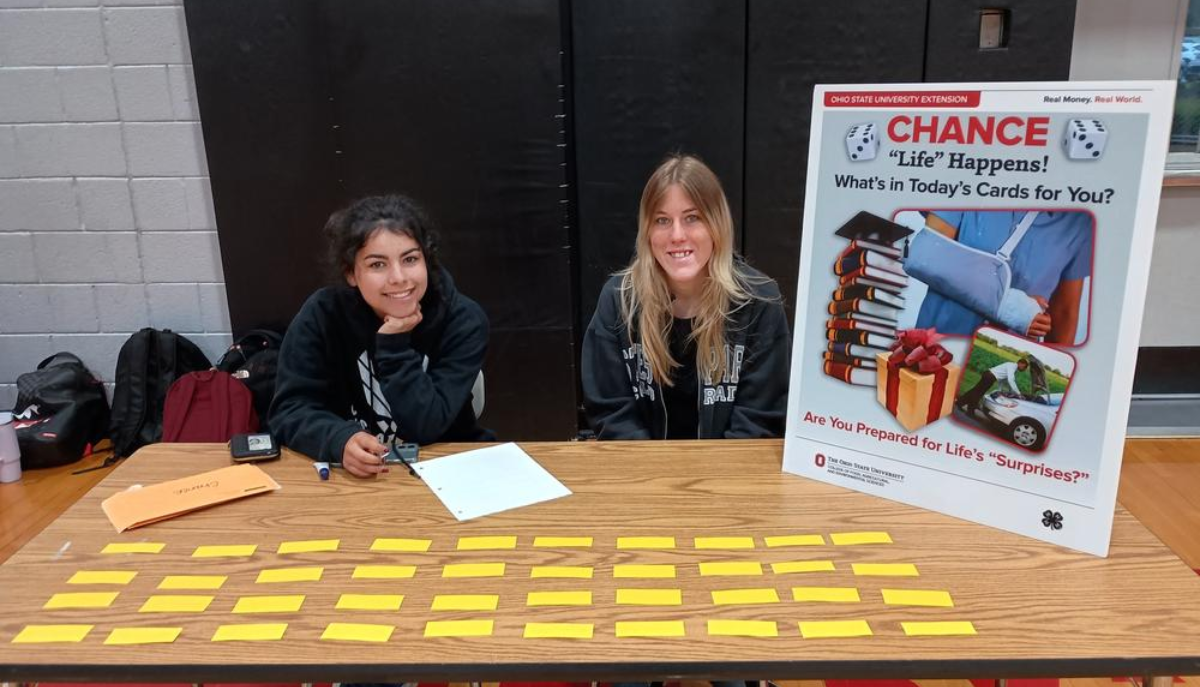
- A financial literacy effort in North Carolina trains middle school social studies teachers to incorporate financial education lessons into their instruction and provides a budget simulation activity for eighth graders to manage monthly expenses. When surveyed, students showed significant increases in how well they understood the connection between education and earning potential, as well as the financial responsibilities of childcare.
North Carolina State Extension. Supported by county funding; Smith-Lever (3b&c) capacity funds. See full statement.
Photo courtesy of NC State College of Agriculture & Life Sciences.