Tag - Rural Communities/Health

Topic

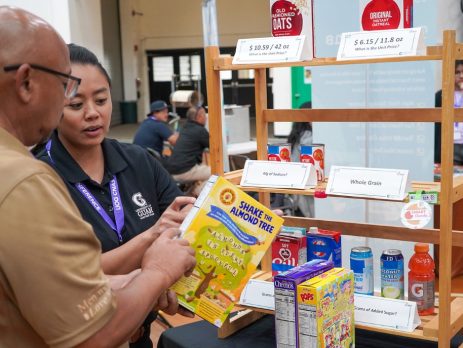
an Extension agent shows a member of the public how to read a nutrition label on a box of cereal

Improving food and nutrition knowledge and skills

The Expanded Food and Nutrition Education Program (EFNEP) helps adult and youth participants improve their nutrition and health. It promotes budget-friendly food choices by teaching skills in how to plan meals, shop wisely, and prepare affordable, nutritious foods. It empowers participants and builds self-confidence, leadership and lifelong healthy habits. By teaching food resource management and efficient use of available [...]


Read more...
two seniors lifting small dumbbells

Healthy aging

Healthy aging is essential for maintaining independence, well-being and quality of life as people grow older, and it benefits not only individuals but also their families and communities. Cooperative Extension programs play a vital role in supporting this process by offering research-based education, practical skills and community-centered resources. These resources help adults stay active, socially connected and informed about [...]

Read more...
a young person wearing exercise clothing eating a healthy meal

Food is medicine

The “food is medicine” approach emphasizes the role diet has in preventing disease, supporting overall health and improving quality of life. Land-grant universities connect research-based nutrition and community education to the people who need it most. By supporting access to fresh, locally grown foods, teaching evidence-based nutrition practices and partnering with communities to reduce health disparities, land‑grant programs help [...]

Read more...
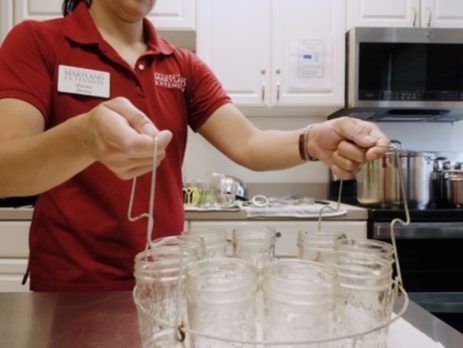
UME Agent, Shauna Henley, preparing mason jars for sterilization

Extension trainings keep Americans safe from foodborne illness

Foodborne illness is a widespread, costly public health concern in the United States. Each year, one in six Americans becomes sick from contaminated food, leading to hospitalizations, long-term health complications and even death. Pregnant women, the elderly, young children and people with weakened immune systems or chronic diseases are most at risk. Because food safety risks can occur at [...]

Read more...
4-H teens and instructor baking

Extension programming educates, empowers teens to make informed health choices in supportive environments

Teenage youth are one of our greatest resources for influencing change that leads to healthier communities; they are our next generation of leaders. When creating programming for older youth, Extension specialists take into consideration the unique physical, emotional and social changes during adolescence to tailor programming effectively. Across the country, Extension is tackling health issues for teenagers with innovative [...]

Read more...
an Extension agent shows youths plants from a community garden

Encouraging health and wellness in U.S. youth through hands-on activities, education

One in five school-aged children nationally suffer from obesity, and regular physical activity and balanced diets can lead to improved focus, behavior, self-esteem and academic performance. Encouraging healthy behaviors at an early age fosters a value for physical activity, healthy eating and preventive habits. These healthy behaviors can lead to fewer chronic diseases, resulting in lower health care costs and a [...]

Read more...
closeup of two seniors holding hands

Emergency planning empowers rural caregivers and dementia care partners

Rural caregivers supporting individuals with Alzheimer’s disease and related dementias face intensified challenges during natural disasters, medical crises and unexpected disruptions. In Colorado’s rural counties — where the population of older adults is growing most rapidly — limited access to specialized support can leave families unprepared and vulnerable. Without clear plans for emergencies, caregivers often experience avoidable stress, financial [...]

Read more...
holding hands for support

Building networks to aid mental health strengthens communities

Mental health challenges affect individuals and families across the country, yet stigma and lack of knowledge often prevent people from seeking or offering help, especially in rural communities with fewer mental health resources. At land-grant universities across the U.S., Extension programming works to equip individuals to recognize, respond to and support those experiencing mental health or substance use issues through [...]

Read more...
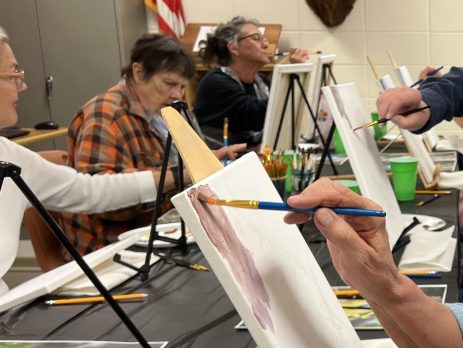
a group of seniors painting

Art program for seniors improves emotional well-being

Seniors in Big Horn County, nestled in northwestern Wyoming, have the highest depression rate among their age group in the state, at 16%. They face disproportionate mental health challenges including financial insecurity, social isolation and a life expectancy nearly two years shorter than the state average. Recent needs assessments identified access to mental health services as a top concern, [...]

Read more...
two seniors drinking tea at a table

An integrated community-based approach to hypertension

Hypertension is one of the most significant chronic health challenges facing older adults, affecting two-thirds of Americans over age 60 and contributing to cardiovascular disease, cognitive decline and loss of independence. Despite its prevalence, this population has the lowest hypertension control rates, increasing strain on families, health systems and community resources. While the Dietary Approaches to Stop Hypertension (DASH) [...]

Read more...
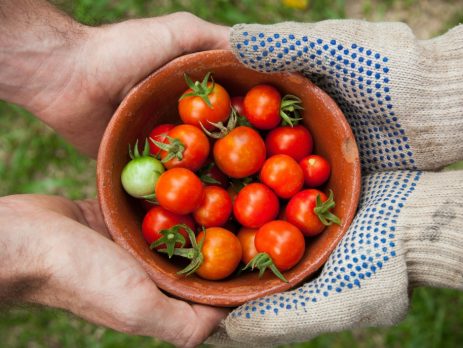
two pairs of hands holding a bowl of tomatoes

Veterans grow food, community and connection through gardening initiative

Military veterans and their families often face challenges related to physical and mental well-being, social isolation and food insecurity. Michigan State University Extension’s Seeds in Action initiative helps veterans grow healthy food and build meaningful relationships – addressing these critical public health challenges. The Seeds in Action program provides seed packets and gardening education to help veterans grow their [...]

Read more...
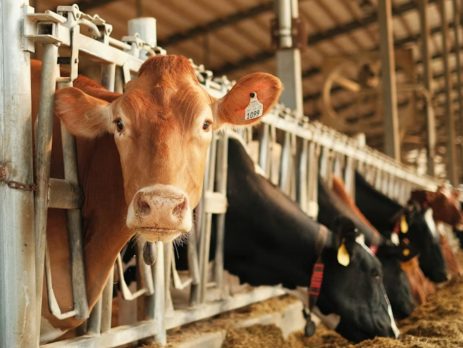
dairy cows in a barn

Supporting meat and dairy industries

Meat and dairy provide critical protein and a wide variety of other products for consumers and represent economically important industries across the country, not just for producers, but also for processors, groceries and restaurants. Research and Extension professionals at land-grant institutions support livestock and related industries in many ways through education on economically efficient production practices and research on [...]

Read more...
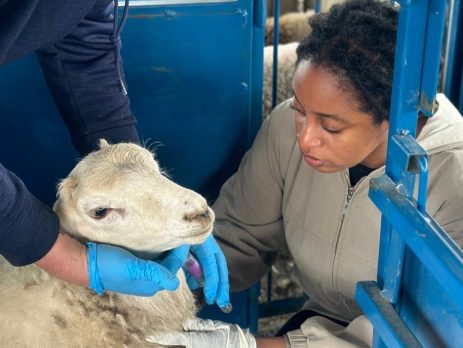
a vet giving a sheep a vaccine

Enhancing food safety with research and training

The United States food supply is among the safest in the world, but every day news stories report food recalls for a variety of safety reasons. Food safety must be maintained through every step of the production process, and land-grant institutions are the key to research and training that helps the food industry provide safe, healthy food. Here are a [...]

Read more...
a chicken being held about to receive a swab test

Producers learn to manage for bird flu during outbreak

Highly pathogenic avian influenza, also known as bird flu, plagues the U.S. poultry industry. In addition to poultry impacts, the dairy industry experienced a spillover event and a one-time occurrence was identified in pigs.  Because of the changing nature of the outbreaks, Purdue Extension in Indiana worked with other state agencies to provide up-to-date information to animal producers, Extension educators [...]

Read more...
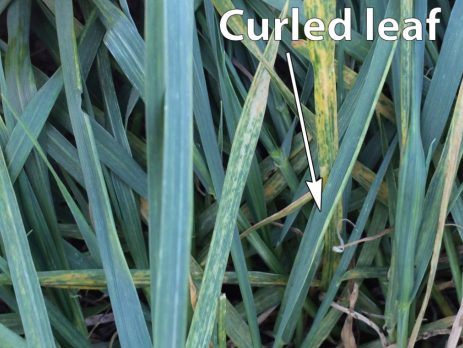
Symptoms of wheat streak mosaic include whitish to yellow streaking, which will usually be more pronounced toward the leaf tip. Note the curled leaf is where a colony of mites live.

Tackling wheat mosaic virus in Central, Western Kansas

A devastating outbreak of wheat mosaic virus hit Kansas in 2025, threatening the state’s multi-billion-dollar industry that produces 24% of the nation’s wheat crop. With potential yield losses exceeding 80% in infected fields, Kansas farmers and rural communities were faced with millions of dollars in losses. The disease is carried by a wind-born microscopic mite and cannot be controlled [...]

Read more...
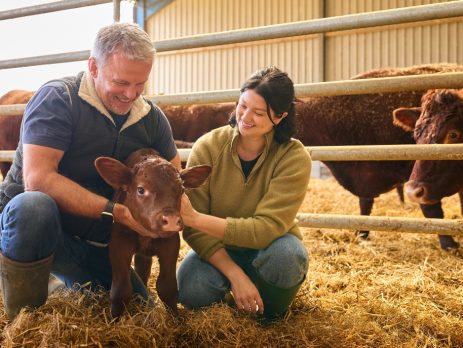
a farmer couple smile at a calf

Supporting producer safety, health and well-being

The U.S. Centers for Disease Control suggests that agriculture is one of the most dangerous businesses in the United States. An estimated 160 agricultural workers are injured every day, resulting in more than 58,000 injuries a year. According to a 2019 USDA report, approximately 19% of farmers have a disability. Land-grant universities are providing training to reduce injuries, support behavioral health and enable [...]

Read more...
A smiling woman in a green shirt and maroon cap crouches in a sunny field, harvesting a head of deep red leaf lettuce. She is working in a well-tended garden plot with irrigation lines, representing local agricultural impact and food production

Strengthening the agricultural workforce for the future

The workforce is changing. Across industries and states, trained workers are in demand to support local food systems, meet community needs, ensure safety and increase productivity. Land-grant universities are rising to the challenge of meeting these needs through partnerships, trainings, certifications and hands-on learning opportunities that strengthen the agricultural workforce. Here are a few examples of that work: Health and safety [...]

Read more...
three generations of farmers

Securing agriculture’s future through successful farm transitions

Kansas State Extension, University of Nebraska-Lincoln and Purdue University Extension in Indiana helped families ease the transition of farms to the next generation through a four-session educational series.  Keynote presentations were offered online addressing a wide spectrum of succession planning. From gaining a better understanding of family motivations and communications, to the complex financial and legal frameworks that govern farm [...]

Read more...
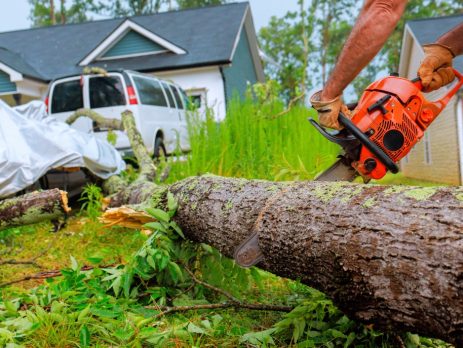
Worker cuts down fallen tree with chainsaw in suburban neighborhood after storm

Disaster response and recovery: partnering in times of local community need

As threats from wildfire and extreme weather increase, producers and communities need information to help prepare and resources to support recovery once impacted. Land-grant universities are responding with tools, resources, communications and staffing support that will strengthen resilience and long-term recovery. Here are a few examples of that work: In response to impacts from Hurricane Helene, Extension in Georgia mobilized to [...]

Read more...
attendees listening at a workshop

Agricultural tax education helps farmers understand tax law updates

With tax laws changing annually, farmers, businesses and tax professionals must navigate a challenging landscape to comply with the latest regulations. The University of Minnesota Extension’s Income Tax Short Course, as well as the Ag Tax School, provide focused opportunities for tax professionals to learn about the latest updates affecting current and future tax returns.   The programs are beneficial for [...]

Read more...
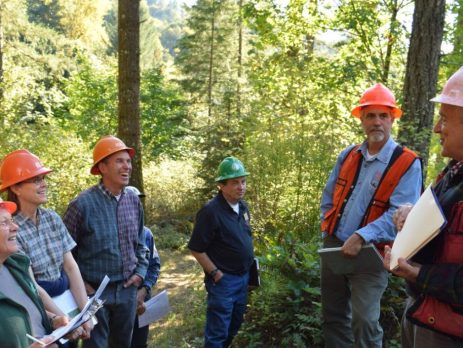
OSU Extension Master Woodland Managers attend a workshop.

Protecting private forests by growing good stewardship

More than half of forest land in the United States is privately owned. This land produces nearly all of the harvested timber that is used for building houses or made into forest products. Practicing good stewardship of private lands is important for ecosystem and community health. Because the more than 10 million private owners of these lands are often [...]

Read more...
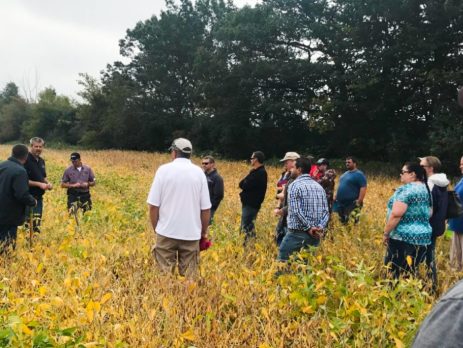
a group of participants in a field examine cover crops

Illinois study finds cover crop adoption doubles

Cover crops improve soil health and water quality. They also reduce greenhouse gas emissions. But only about 5% of U.S. agricultural lands use them, despite billions of dollars in annual federal investments through efforts like cost-share and incentive payments to farmers.  University of Illinois Urbana-Champaign researchers in a new, first-of-its-kind study, say investing in farm demonstration networks can bolster cover [...]

Read more...
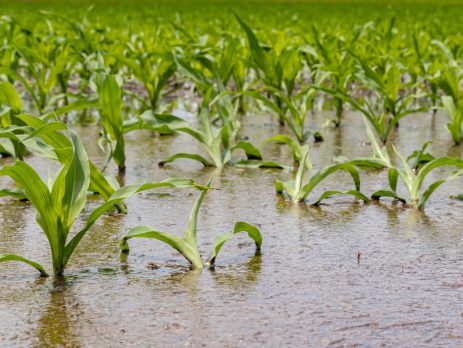
flooded cornfields

Building resilience through disaster preparedness in Connecticut

Extreme weather events such as flooding, hurricanes, drought and hail are increasing in Connecticut. This threatens safety, livelihoods and local economies for farms, families and municipalities. Many local residents don’t have access to coordinated, research-based guidance.  University of Connecticut Extension uses the Extension Disaster Education Network (EDEN) to deliver research-based disaster preparedness education around the state. Educators identify preparedness gaps [...]

Read more...
two UAPB athletes speaking at a meeting

Land-grant universities educate individuals and communities about health, nutrition and chronic disease prevention

Many American individuals and communities struggle with building or maintaining healthy lifestyles that contribute to better health outcomes. A lack of awareness of health information and resource constraints limit people’s abilities to eat healthy foods or get enough physical activity. Extension leaders from 1890 land-grant universities are bringing information to communities struggling with high rates of obesity and chronic [...]

Read more...
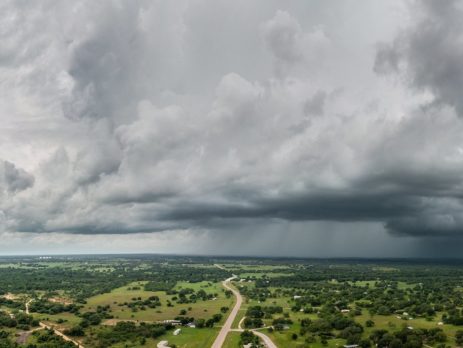
storm over farmland

Preparing for extreme weather

Extreme weather can affect communities, farms, businesses and livelihoods. These weather events, such as drought, wildfires and flooding can pose harm to people, livestock, plants and water quality. As extreme weather becomes more frequent and more intense, land-grant universities are equipping farmers, ranchers and communities with the proper tools to be prepared for and recover from its impacts. Here are [...]

Read more...