Tag - Fisheries/Aquaculture

Topic

Vegetables for sale at a farmers market stand.

Research and Extension ensure everyone has ample access to affordable, safe, nutritious food

Invasive pests damage crops, costing U.S. agriculture an estimated $30 billion every year. Pest management research and Extension stabilize the food supply chain. Researchers and Extension specialists in Oregon, developed cost-effective alternatives to glyphosate for herbicide-resistant Russian thistle control, protecting more than 30,000 acres of wheat and preventing over $1 million in yield losses so far.Oregon State University Extension Service. [...]

Read more...
A river bisects a field and forested riparian area

Research and Extension support resilient ecosystems

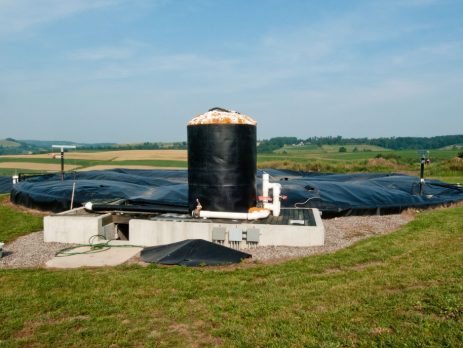
Recent studies and programs are conserving and protecting water used for drinking, fishing, irrigation and recreation.  Washington research helped establish 25 anaerobic digesters across the Pacific Northwest, turning dairy manure from more than 143,000 cows into biogas that provides more than 126 million kilowatt-hours of renewable energy per year. Digesters decrease water quality risks associated with nutrient runoff from manure [...]

Read more...

Land-grant university research and Extension drive new biofuels, bioplastics, biochar and other bio-based products, strengthening rural economies, environmental health and energy security

Here are a few examples of that work:  Partnering with a private company, scientists in Pennsylvania roduced and tested biomaterials to replace single-use, petroleum-based plastics. New composites made from cellulose and starch have improved stability and barrier properties and have been developed into compostable food packaging and handling products; adhesives and foams for packaging, wood composites and construction materials; and [...]

Read more...
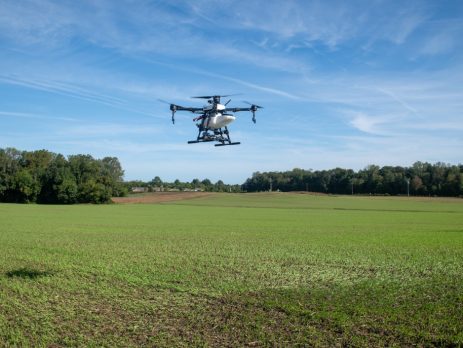
A drone flies over a field.

Research and Extension make agricultural systems more efficient, profitable, competitive and resilient

Strategies and tools for managing crop pests and diseases have increased productivity and profitability. For example: Extension units across the nation offer plant and pest diagnostic clinics. In New Mexico, free diagnoses saved producers an estimated $36,000 in testing fees in 2025, while also supporting biosecurity and export compliance. In Indiana, lab results and recommendations saved clients $890,000 in reduced [...]

Read more...

Making aquaculture more productive, safe and economical

The seafood industry is economically vital and provides an important source of protein for the world. Challenges to aquaculture include inefficient production methods, expensive feed inputs and food safety. Land-grant efforts are protecting and promoting this booming industry. Here are a few examples of that work: As feed is the most expensive cost of aquaculture, researchers in Alabama are developing feeds [...]

Read more...
A smiling woman in a green shirt and maroon cap crouches in a sunny field, harvesting a head of deep red leaf lettuce. She is working in a well-tended garden plot with irrigation lines, representing local agricultural impact and food production

Strengthening the agricultural workforce for the future

The workforce is changing. Across industries and states, trained workers are in demand to support local food systems, meet community needs, ensure safety and increase productivity. Land-grant universities are rising to the challenge of meeting these needs through partnerships, trainings, certifications and hands-on learning opportunities that strengthen the agricultural workforce. Here are a few examples of that work: Health and safety [...]

Read more...
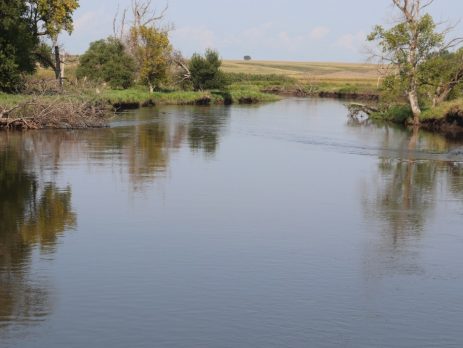
a lake

Strengthening water quality across landscapes

Access to clean, reliable water for communities, ecosystems and agriculture is increasingly threatened by issues such as nutrient pollution and emerging contaminants. Land‑grant universities are addressing these challenges through innovative research and hands‑on Extension programming that empowers volunteers, land managers and future water‑quality stewards. Here are a few examples of that work: Researchers in Montana found evidence that wetland conservation can [...]

Read more...
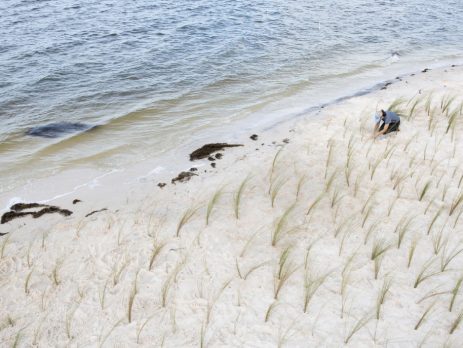
aerial view of an agent planting seagrass

Fighting coastal erosion with nature-based shoreline solutions

More than half of Florida’s waterfront property owners have constructed seawalls and bulkheads to protect against erosion and flooding. These armored shorelines provide some protection but are known to fail during extreme weather events and can disrupt waterflow as well as interfere with marine life.  Extension agents with the University of Florida and the Florida Sea Grant developed two multi-day [...]

Read more...
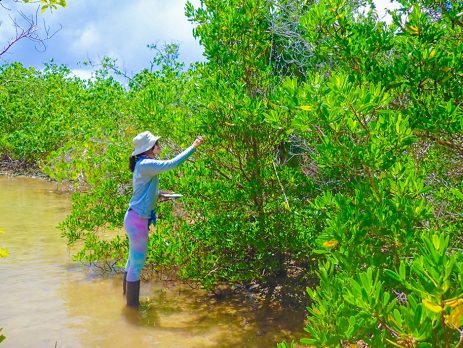
a researcher examines a mangrove

Early research helps prepare for new pest invasion in Pacific mangroves

The native mangrove tree Lumnitzera littorea (ngånga’ in CHamoru) is facing a new threat to its small population in Guam’s Sasa Bay Marine Preserve. Low germination rates have signaled an unknown pressure, but similar findings in Sri Lanka have pointed to the presence of micromoths that were infesting and destroying mangrove seeds. These trees provide important ecological functions, including [...]

Read more...
Tahirah Johnson examines testing samples under a magnifying glass in a research lab on the University of Maryland Campus in 2024.

Innovative methods for safer, healthier food production practices

Regional food production is critical to local economies and supporting American food systems. Rising reports of foodborne illnesses, increased antibiotic resistance and newer production systems like soilless agriculture necessitate a better understanding of the risks and options to improve the safety and health value of food products from produce to shellfish and tree nuts. 1890 land-grant universities are examining [...]

Read more...
Fort Valley State University scientist harvesting a ripe peach on the campus research plot.

Addressing food insecurity to drive community impact

Food security is fundamental to the health, resilience and economic vitality of rural and urban communities. Across the United States,1890 Land‑grant Universities are uniquely positioned to meet this critical need by advancing research, education and Extension programs that connect communities to practical solutions and sustainable food system innovations. Here are a few examples of that work: When food insecurity hits, older [...]

Read more...
Scientists test a vaccine and delivery system at a catfish pond.

New vaccine and delivery system protect catfish against fatal disease, reduce antibiotic reliance

Catfish is the largest aquaculture industry in the United States. For decades, catfish producers have struggled against pervasive infestation from E. ictaluri, which mainly affects fingerlings (juveniles), targeting the fish’s brain and resulting in abnormal behavior and swimming patterns, swelling, ulcers and death. ESC has been treated with antibiotics delivered through feed. However, as orders for medicated feed rose [...]

Read more...
a purple flowering plant

Research provides more sustainable pest management options

Agricultural land and natural ecosystems face growing threats from invasive and noxious grasses and weeds, feral animals, pests and diseases that impair ecosystem services and agricultural productivity. Chemical pesticides can pose human and environmental health risks. Land-grant university research had led to findings, tools and strategies for managing pests more sustainably. Here are a few examples of that work: Research and [...]

Read more...
scientists in a lab

Harnessing artificial intelligence for agricultural innovation

Land-grant universities are leveraging artificial intelligence (AI) to improve agricultural efficiency, productivity and sustainability. Here are a few examples of that work: In Georgia, researchers are developing an AI-powered app to help farmers accurately identify Sericea lespedeza, a valuable forage crop with natural anthelmintic properties, reducing time ad labor costs.Fort Valley State University; USDA Capacity-Research. See full statement.   In Arkansas, researchers are [...]

Read more...
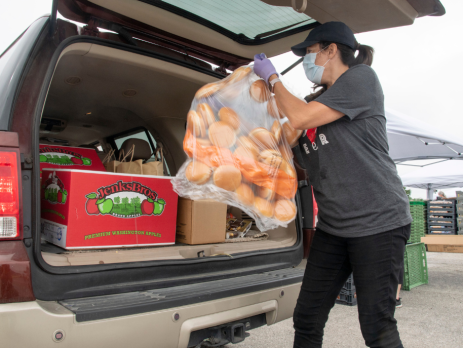
a person loading food into a car trunk

Supporting entrepreneurs, building stronger economies and fortifying food systems

The Land-grant University System empowers entrepreneurs, strengthens local economies and fortifies food systems in communities across the United States. Through their research, education and Extension initiatives, these institutions spark advancements that accelerate economic development and advance food security, ensuring resilient and strong communities. Here are a few examples of that work: Santa Fe County has experienced a decline in the number [...]

Read more...
a scientist examining plants in a controlled environment agriculture setting

Advancing sustainable food production in soilless environments

Land-grant universities across the nation are working to make the food supply more secure by exploring the best ways to produce crops without soil. Hydroponic and aquaponic systems have many benefits, including reducing the inputs and space needed to produce food. Researchers are studying how to make the foods grown in these controlled environments safer and better. Extension personnel [...]

Read more...
ducks

Protecting biodiversity for healthy ecosystems and communities

Biodiversity supports healthy ecosystems and recreation around the world. A diverse range of species ensures stability and resilience in the face of environmental changes. Protecting biodiversity also preserves the opportunity for new discoveries, such as species that can be used as biological pest control agents or medicines. Land-grant university researchers and Extension professionals are working to protect the biodiversity [...]

Read more...
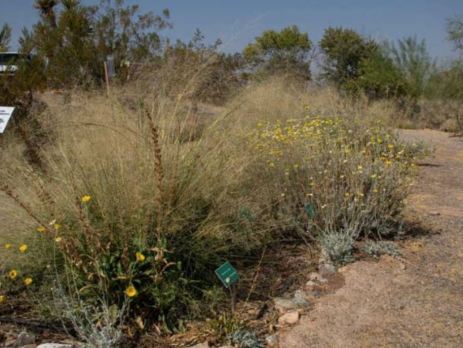
flowering plants growing in the desert

Extension programs help producers, communities manage pests sustainably

Agricultural land and natural ecosystems face growing threats from invasive and noxious grasses and weeds, feral animals, pests and diseases that impair ecosystem services and agricultural productivity. Chemical pesticides can pose human and environmental health risks. Extension educators at land-grant universities help agricultural producers and communities develop and implement pest management strategies that are cost-effective but also minimize risks. Here [...]

Read more...
a small body of water

Protecting valuable water resources

Water resources that sustain agriculture and communities continue to face critical challenges. Land-grant universities are working to discover new ways to increase water use efficiency, reduce water use and protect water quality. Here are a few examples of that work: Researchers at Cornell University in New York engineered novel enzymes that can break down microplastics into small products that can be [...]

Read more...
students work on a plant-based science experiment

Recruiting the next generation of students to STEM careers

As the population grows, the demand for innovative, science-driven solutions in food production and resource management increases. Agricultural STEM careers will play a vital role in boosting global food security and economic development while sustaining natural resources. The 1890 land-grant universities are key in bridging the gap between high school students and these STEM careers. Here are a few examples [...]

Read more...
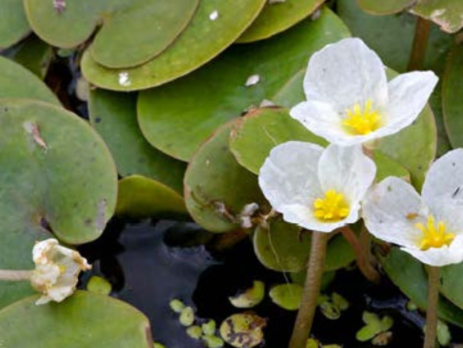
European frog-bit, an invasive species of aquatic plant

Preventing the spread of aquatic invasive species in Michigan

Hobbies such as aquarium keeping and water gardening can bring nature into homes but can also inadvertently contribute to the introduction and spread of invasive species into local lakes and streams. These invaders, often characterized by hardiness and rapid growth, can threaten ecosystems and native species. Because hobbyists rely on retailers for guidance on disposing of unwanted aquatic plants [...]

Read more...
two people reference a tablet in an outdoor setting

Involving youths in agriculture

A growing need to produce a qualified workforce to solve issues in agriculture such as changing environmental conditions means involving more youths. Youths have a strong potential to grow into leaders who can address these issues. The University of Arkansas at Pine Bluff (UAPB) is establishing educational centers related to regenerative agriculture and aquaculture on campus and at the UAPB [...]

Read more...
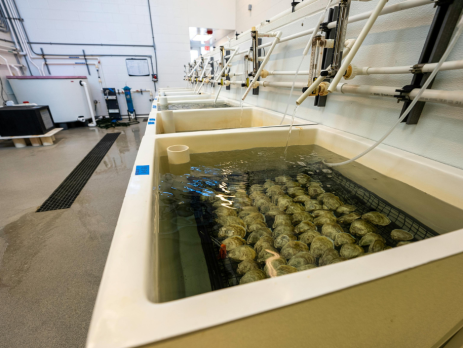
clams in an industrial sink

Creating biosecure standards for a growing aquaculture industry

Shellfish harvests contribute more than $1 billion annually to the New Jersey economy. Although wild caught harvests are sustainable, they are maxed out. A viable alternative is shellfish aquaculture, which can provide many environmental benefits, yet the growth of this type of farming relies on the hatchery production of seed or juvenile shellfish. Interstate transfer of seed stock to support [...]

Read more...
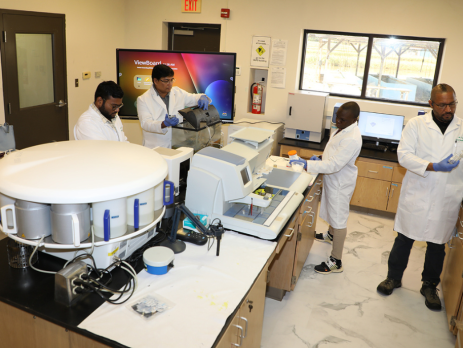
a scientist in a university laboratory

Developing the next generation of agricultural workers

A skilled workforce is critical to sustaining agriculture, advancing food security and fostering economic growth. Land-grant universities are preparing students for the agricultural workforce through hands-on training, research opportunities and industry partnerships. These programs focus on historically underserved communities, ensuring broad participation in food and agriculture careers. Here are a few examples of that work: Georgia Extension professionals are helping students [...]

Read more...
an agricultural field

Increasing food security with better food products

Ensuring an adequate supply of safe and nutritious food requires improving existing food varieties and innovating to develop new ones. Here are a few examples of how land-grant universities are contributing: Researchers in Washington generated more than 25 unique lines of rainbow trout with many more in the pipeline. Using biotechnology, they are developing commercial trout lines with enhanced production and [...]

Read more...