Tag - Ecosystem Services

Topic

young child walking in strawberry patch

Land-grant university research and Extension support resilience for youths, families and communities nationwide

Here are a few examples of that work:  The effectiveness of the Department of Defense’s Military Family Readiness System depends on well-trained Extension professionals with research-based tools and resources. Extension specialists in Kentucky contributed by providing personal finance training to military service providers so they can pass on knowledge, tools and resources that help military families prevent and navigate financial [...]

Read more...
Healthy foods and exercise equipment.

Land-grant university research and Extension strengthen nutrition, health and well-being

Chronic diseases are the leading cause of illness, disability and death in America. Research and Extension are fighting back. Over half of adults who participated in a Texas diabetes education program now choose healthier foods, monitor glucose levels during exercise, and control their diabetes to avoid interference with daily life. These changes could help participants save up to $94,021 in [...]

Read more...
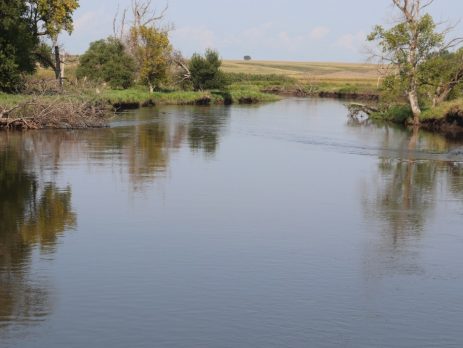
A river bisects a field and forested riparian area

Research and Extension support resilient ecosystems

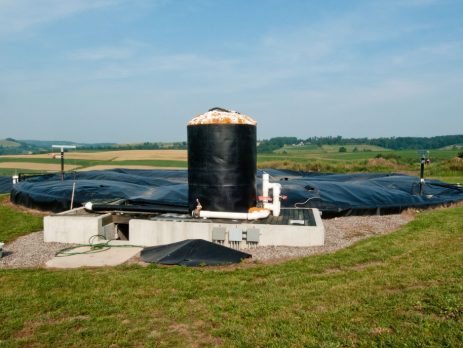
Recent studies and programs are conserving and protecting water used for drinking, fishing, irrigation and recreation.  Washington research helped establish 25 anaerobic digesters across the Pacific Northwest, turning dairy manure from more than 143,000 cows into biogas that provides more than 126 million kilowatt-hours of renewable energy per year. Digesters decrease water quality risks associated with nutrient runoff from manure [...]

Read more...

Land-grant university research and Extension drive new biofuels, bioplastics, biochar and other bio-based products, strengthening rural economies, environmental health and energy security

Here are a few examples of that work:  Partnering with a private company, scientists in Pennsylvania roduced and tested biomaterials to replace single-use, petroleum-based plastics. New composites made from cellulose and starch have improved stability and barrier properties and have been developed into compostable food packaging and handling products; adhesives and foams for packaging, wood composites and construction materials; and [...]

Read more...
UConn Extension experts at a well water testing booth

Well water testing improves public health 

Clean and safe water is essential to public health, agricultural productivity and environmental sustainability. Those with private wells are responsible for their own water safety. Without accessible testing, education and coordinated planning, contaminants can threaten drinking water, food safety and ecosystem health, particularly in rural communities.  Here are a few examples of that work: In Connecticut, 65% of participating households took [...]

Read more...
A smiling woman in a green shirt and maroon cap crouches in a sunny field, harvesting a head of deep red leaf lettuce. She is working in a well-tended garden plot with irrigation lines, representing local agricultural impact and food production

Strengthening the agricultural workforce for the future

The workforce is changing. Across industries and states, trained workers are in demand to support local food systems, meet community needs, ensure safety and increase productivity. Land-grant universities are rising to the challenge of meeting these needs through partnerships, trainings, certifications and hands-on learning opportunities that strengthen the agricultural workforce. Here are a few examples of that work: Health and safety [...]

Read more...
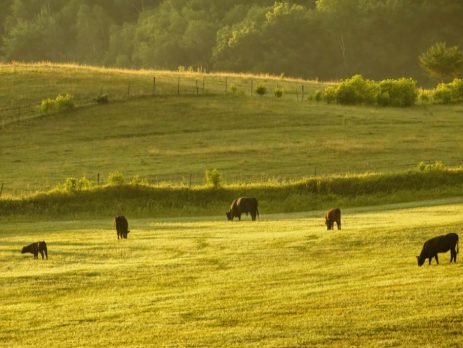
cows grazing

Soil carbon under managed grazing in Southern Wisconsin

Building organic carbon soil (SOC) on agricultural land is an important strategy for stabilizing the climate by storing carbon that would otherwise contribute to greenhouse gas emissions. Perennial grasslands managed for dairy and beef production are often promoted for their ability to increase SOC while also improving water quality, reducing flooding, enhancing biodiversity and supporting profitable farms. However, the [...]

Read more...
lavender field

Newest weapon against lice: lavender, cloves and thyme

A team of Extension professionals in Vermont have developed and tested a nonchemical alternative to treating winter lice infestations in cattle and sheep to bypass increasing resistance to insecticide and environmental impacts from chemicals.  The solution is essential oils. Mineral oils steeped with lavender, clove and thyme are known to have insecticidal properties. Lab and farm trials both showed the treatment [...]

Read more...
Bennett Trust logo

Land stewardship program strengthens Edwards Plateau

With a goal to empower landowners to care for the Edwards Plateau, the Bennett Trust Land Stewardship program at Texas A&M AgriLife Extension provides practical, research-based guidance emphasizing conservation, sustainable ranching and natural resource management.  The annual Women’s Land Stewardship Conference has drawn over 350 women from a variety of backgrounds, equipping them with a practical tool for brush control, [...]

Read more...
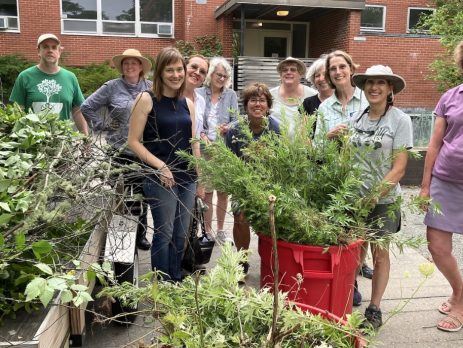
a smiling group of master gardeners

Horticulture programs sprout more resilient communities

Local horticulture is an important tool to combat food insecurity in underserved communities, while boosting environmental sustainability and community health. Volunteers with horticulture training through Extension Master Gardener programs partner with local organizations, schools and vulnerable communities to grow and distribute locally grown produce as well as create jobs.  Here are a few examples of that work: The Master Gardener program [...]

Read more...
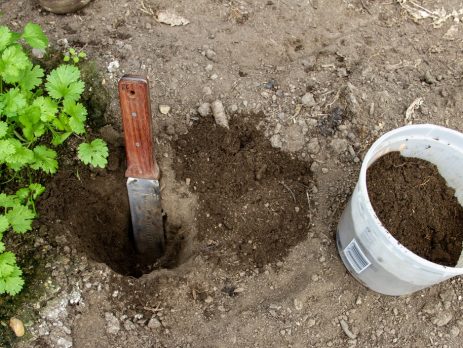
Soil is dug from a small pit in an herb garden

Filling the knowledge gap on Alaska’s agricultural soils

Alaska’s vast geography and diverse climates create highly variable soil conditions, yet limited data has historically constrained agricultural planning and soil management across the state. Understanding these soils is critical for improving farm productivity, expanding local food production and strengthening food security in a region where growing conditions are uniquely challenging.  Since 2023, University of Alaska Fairbanks (UAF) researchers have [...]

Read more...
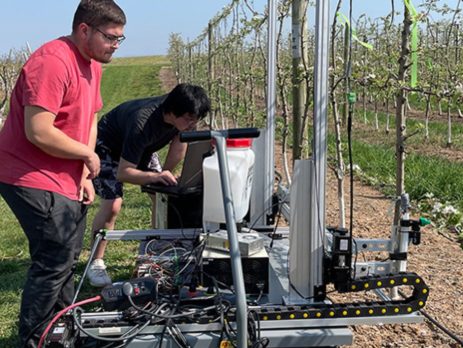
two scientists operate a robotic apple blossom sprayer

Emerging technology offers new tools for growers

Emerging technology is giving farmers tools to reduce the impacts of labor shortages, rising costs, changing weather patterns and regulatory demands, while improving production and profitability. These tools, using drones, robots, artificial intelligence and machine learning, offer a path to sustain productivity, worker safety and environmental performance in the agricultural economy. Projects demonstrate how these technical tools and artificial [...]

Read more...
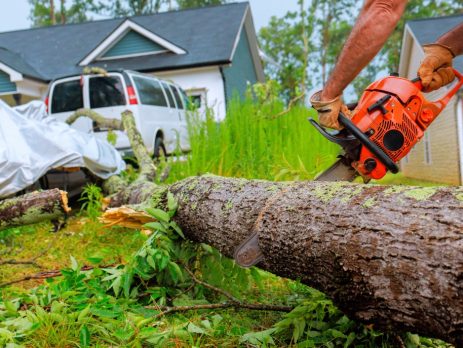
Worker cuts down fallen tree with chainsaw in suburban neighborhood after storm

Disaster response and recovery: partnering in times of local community need

As threats from wildfire and extreme weather increase, producers and communities need information to help prepare and resources to support recovery once impacted. Land-grant universities are responding with tools, resources, communications and staffing support that will strengthen resilience and long-term recovery. Here are a few examples of that work: In response to impacts from Hurricane Helene, Extension in Georgia mobilized to [...]

Read more...
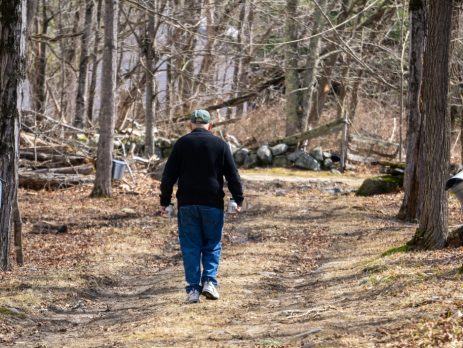
a man walking through forest with sugaring buckets

Designing multi-crop systems for sweet success in maple sugarbushes

Researchers at Cornell in New York are creating diversified agroforestry systems that can take advantage of the understory in maple stands or sugarbushes. While maple sugaring is a popular and growing sector, adding crops that can thrive under the trees can create more diversified lines of value-added maple products.   Over several years, multiple cultivars of 18 species of fruit- and [...]

Read more...
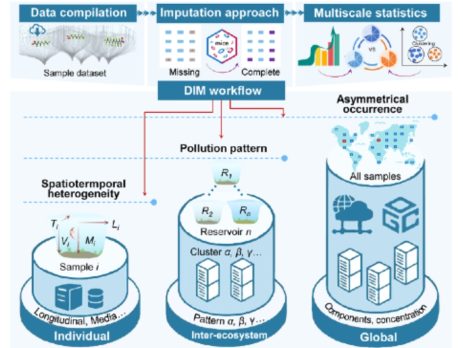
figure of reservoir containers

Researchers investigate contamination in global reservoirs

Reservoirs are an important drinking water source. As populations grow, large amounts of plastic, pharmaceuticals and other chemicals are released into the environment, polluting drinking water.   Researchers from the New Mexico Agricultural Experiment Station are part of an international collaboration that applied a data-driven framework to investigate contaminants in reservoirs around the world. They looked at microplastics, antibiotics, PFAS (Per- [...]

Read more...
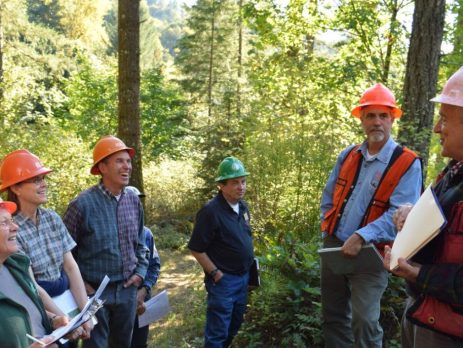
OSU Extension Master Woodland Managers attend a workshop.

Protecting private forests by growing good stewardship

More than half of forest land in the United States is privately owned. This land produces nearly all of the harvested timber that is used for building houses or made into forest products. Practicing good stewardship of private lands is important for ecosystem and community health. Because the more than 10 million private owners of these lands are often [...]

Read more...
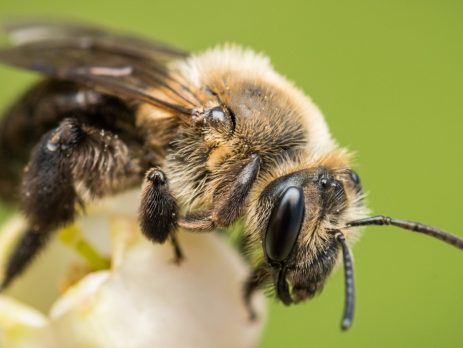
bee

Leveraging a highly trained volunteer network to document bee biodiversity

Many high-value crops such as flowering fruit trees, berries and vegetables rely on native bee populations, but these critically important pollinators are declining nationwide. Scientists can monitor the diversity and abundance of species using data collected across broad geographic ranges through public natural history social platforms such as iNaturalist. The challenge, however, is that photography-based monitoring can introduce unintended [...]

Read more...
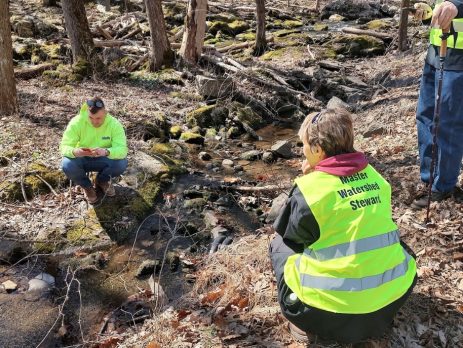
Master Watershed Stewards examine a creek

Land-grant universities help communities tackle stormwater challenges

Across the country, communities face challenges in managing runoff after rainfall. When not properly managed, stormwater can cause flooding, erode land and transport contaminants and debris into waterbodies. Land-grant universities are helping residents, businesses and local governments find solutions — from installing rain gardens to changing the way ditches are drained — while raising public awareness of stormwater issues [...]

Read more...
Prairie strip in soybean field

Iowa researchers study how prairie strips can boost soil health

Prairie strips are narrow bands of perennial, herbaceous vegetation strategically planted within crop fields. Studies have demonstrated their benefits for erosion control, water quality and wildlife habitat.   However, their impacts on soil health were not well documented until Iowa State University scientists conducted a comprehensive study. They examined 15 sites encompassing a range of Iowa landforms, each consisting of a [...]

Read more...
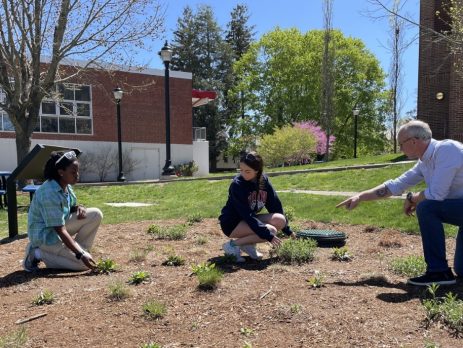
three people working in a rain garden between two buildings

In Connecticut, rain gardens show promise for stormwater management

Stormwater management is a challenge that many communities face. Roads, parking lots and similar surfaces make up much of the urban landscape, but rainwater can’t soak into the ground where pavement is present. That increases localized flooding risks and the possibility of untreated pollutants flowing into streams and rivers.  In Connecticut, Extension experts are encouraging residents, businesses and municipalities to [...]

Read more...
a group of participants in a field examine cover crops

Illinois study finds cover crop adoption doubles

Cover crops improve soil health and water quality. They also reduce greenhouse gas emissions. But only about 5% of U.S. agricultural lands use them, despite billions of dollars in annual federal investments through efforts like cost-share and incentive payments to farmers.  University of Illinois Urbana-Champaign researchers in a new, first-of-its-kind study, say investing in farm demonstration networks can bolster cover [...]

Read more...
A wildfire at Prime Hook National Wildlife Refuge in Delaware.

Utah researchers investigate connection between wildfires, floods

Many people might assume that streams and reservoirs aren’t affected by wildfires. But uncontrolled blazes can threaten these water sources, which are essential for agriculture, wildlife and families.  When vegetation is lost during a fire, exposed soil becomes highly vulnerable to erosion. Subsequent storms can then wash sediment, woody debris and excess runoff into nearby waterways, altering water flow and [...]

Read more...
a lake

Strengthening water quality across landscapes

Access to clean, reliable water for communities, ecosystems and agriculture is increasingly threatened by issues such as nutrient pollution and emerging contaminants. Land‑grant universities are addressing these challenges through innovative research and hands‑on Extension programming that empowers volunteers, land managers and future water‑quality stewards. Here are a few examples of that work: Researchers in Montana found evidence that wetland conservation can [...]

Read more...
aerial view of an agent planting seagrass

Fighting coastal erosion with nature-based shoreline solutions

More than half of Florida’s waterfront property owners have constructed seawalls and bulkheads to protect against erosion and flooding. These armored shorelines provide some protection but are known to fail during extreme weather events and can disrupt waterflow as well as interfere with marine life.  Extension agents with the University of Florida and the Florida Sea Grant developed two multi-day [...]

Read more...
forest

Examining Arkansas’s growing timber surplus

Maintaining a balance between forest growth and harvests is vital to sustaining a healthy ecosystem. When the growth-to-drain ratio rises too high, forests become vulnerable to wildfires and insect outbreaks. Conversely, if the ratio is low, forests can be overharvested, threatening long-term timber supplies and compromising many of the ecosystem services that forests provide, including carbon storage and wildlife [...]

Read more...