Tag - Ecosystem Services

Topic

3 scientists taking samples in a field

Extended-season cattle grazing reduces invasive grasses and wildfire risk in eastern Oregon

Wildfires have burned 2.5 million acres in eastern Oregon since 2010, devastating the natural landscape and negatively impacting rangelands essential to Oregon’s cattle and dairy industries. In this region, invasive grasses out-compete native plants and create a buildup of “fine fuels” that increase wildfire risks. To address this issue, an Oregon State University Extension Service specialist and associate professor in [...]

Read more...
a feral hog

Trapping training helps reduce feral hog population in Arkansas

Feral hogs cause extensive economic losses in agricultural economies and impact forests, wildlife habitat and the landscape. The U.S. Department of Agriculture estimates feral hogs cause $41.3 million in crop, pasture and livestock losses annually in Arkansas alone. To address feral hog populations, Arkansas Extension agents received training in net capture systems and installed eight systems to capture the hogs. [...]

Read more...
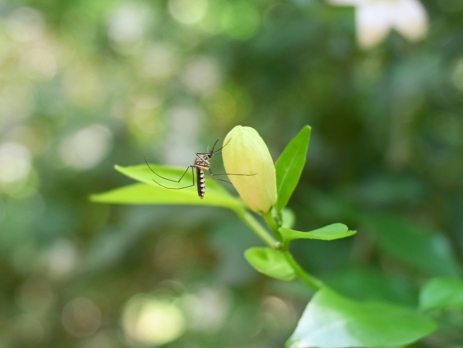
a mosquito on a flower

Reducing mosquito populations through nectar control

Mosquitoes pose a significant public health challenge as vectors of diseases such as Zika, malaria and West Nile virus. At the same time, they contribute to ecosystems as pollinators and as a food source for various species. In urban and suburban environments, managing mosquito populations is crucial for reducing disease transmission while minimizing ecological disruption. A research project at [...]

Read more...
Dark storm clouds brewing over a field

Monitoring climate change to reduce emissions and waste

Land-grant universities are working to provide critical data, tools and strategies to help predict, monitor and mitigate climate change and its impacts on communities and natural resources. Here are a few examples of that work: Dairy waste is a major source of methane and nitrous oxide emissions, which contribute to global warming. Scientists in Washington showed that vermifiltration (which uses filters [...]

Read more...
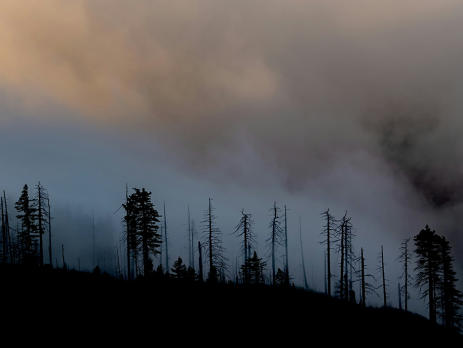
wildfire smoke above an Oregon forest

Efforts to effectively monitor air quality increase health awareness in Oregon’s Columbia River Gorge

Wildlife smoke has become an issue in Oregon’s Columbia River Gorge after two large wildfire events (in 2017 and 2020) led to record-shattering hazardous air quality index levels. In addition, cherry and pear orchard waste historically has been burned in the area, and no regulations exist on wood-burning stoves. Microscopic particles from smoke can penetrate deep into lungs, causing [...]

Read more...
Aerial view of a field mapped out with drone technology

Emerging technologies aid conservation and management

Climate change and biodiversity losses pose extraordinary challenges for the sustainability of natural ecosystems and the species that inhabit them. Land-grant universities are developing and applying emerging technologies that can help to more efficiently, accurately and safely monitor, measure, and precisely manage these systems with minimal environmental impact. Here are a few examples of that work: In New Hampshire, researchers found [...]

Read more...
a honeybee sits in the middle of a flower

Pollinators support agriculture profitability

Bees, flies, moths and other pollinators are essential to the environment. Pollinators improve the quality and quantity of farmers’ crop yields, which adds an estimated $18 billion in crop production revenue annually. Pollinators also support healthy ecosystems needed for clean air, stable soils and diverse wildlife. However, both wild and domesticated pollinators are at risk, most notably many wild [...]

Read more...
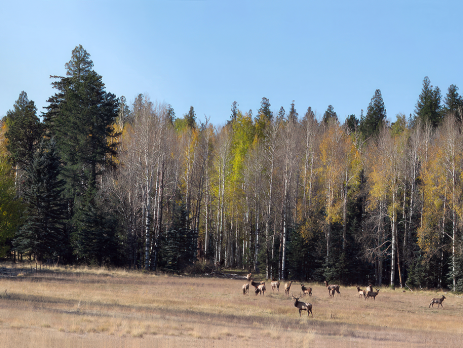
forest with wildlife

Forestlands are fundamental for healthy ecosystems

Forests are vulnerable to climate change, but when managed sustainably they can play an important role in mitigating climate change. Healthy trees provide oxygen by removing carbon dioxide from the air through photosynthesis. The carbon is stored in wood, plants and soil, helping to reduce carbon emissions. Land-grant universities are supplying research and outreach to improve our forestlands. Here are [...]

Read more...
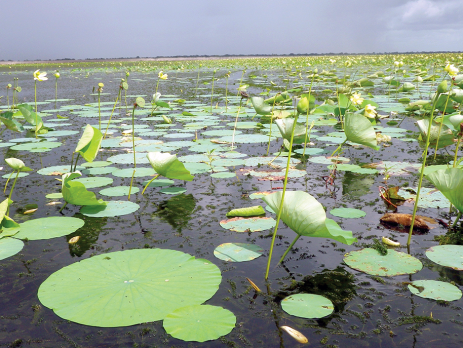
a body of water covered in lotus plants

Managing invasive species

Invasive species are organisms that are non-native to an ecosystem and whose introduction causes economic, social or environmental harm. Nearly every terrestrial, wetland and aquatic ecosystem in the United States has been invaded by non-native species, with economic losses estimated at $137 billion per year. Land-grant universities are leading the battle against invasive species. Here are a few examples of [...]

Read more...
drone flying over a body of water

Drone-based monitoring of water bodies allows for earlier detection of ecological threats

Toxic blue-green algae blooms of cyanobacteria in water bodies can pose significant environmental and public health risks. Collecting and analyzing single samples from these harmful algal blooms is time consuming and can expose researchers to harmful toxins. To address these limitations and risks, University of New Hampshire researchers used an unpiloted aerial system (UAS), or drone, with a multispectral sensor [...]

Read more...
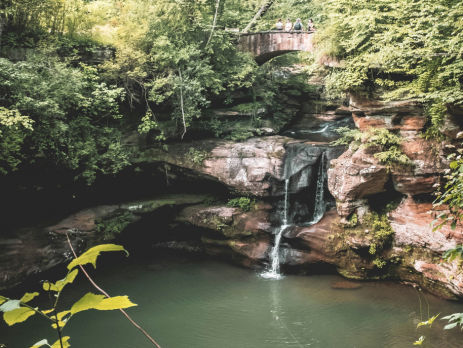
waterfall into a body of water

Improving water quality in Ohio watersheds

Non-point-source nutrient runoff in agricultural watersheds, particularly nitrogen and phosphorus, continues to threaten the quality of surface and groundwater in Ohio watersheds. Impaired water quality detrimentally affects drinking water quality, recreational water use and aquatic life. Improving soil health and, consequently, water quality through best agricultural management practices is critical for achieving the twin goal of sustainable agricultural production [...]

Read more...
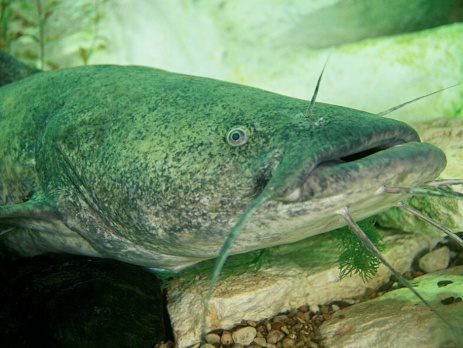
a closeup photo of the flathead catfish

Research tracks genetic diversity to help manage invasive catfish

It’s difficult to know exactly how the invasive flathead catfish is expanding into nonnative waterways in the U.S. even if we know the many possible introduction pathways. This species, which has become a popular sport fish in its introduced ranges, has been shown to have negative effects on native fish, including consumption and competition with native fish. Once introduced, the [...]

Read more...
a Michigan lake with plants growing on the water and around the shore

Online course increases lake literacy and protects Michigan’s waterways

Michigan’s 11,000 inland lakes are complex ecosystems, and communities often struggle to protect and manage them in a way that incorporates the best available knowledge and resources. To increase lake literacy and create peer and resource connections to help property owners, community leaders and concerned citizens address management concerns, Michigan State University Extension educators created an Introduction to Lakes Online [...]

Read more...
biodiesel fuel pump

Sustainable energy to meet growing demands

Non-renewable energy sources are limited, and demand is growing. Fossil-fuel based energy production and use contribute significantly to pollution and changes in our climate. Improving energy efficiency and developing renewable energy sources is essential to meeting growing demand and can lower energy bills, create new jobs and promote rural prosperity. Reducing reliance on fossil fuels can improve national security [...]

Read more...
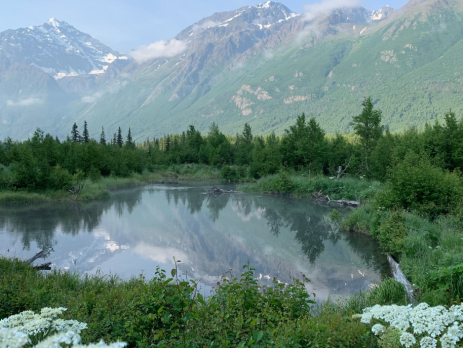
an Alaskan lake surrounded by native and invasive plant species

Alaskans root out invasive bugs and weeds

Invasive weeds and insects can lower land values and farm productivity and interfere with recreation, tourism and foraging. Improving the ability of residents, farmers and land managers to assess pest management practices is critical to protecting the Alaska way of life. To get residents involved in controlling invasive pests, the University of Alaska Fairbanks Cooperative Extension Service provided education about [...]

Read more...
lake in Wisconsin

Wisconsin farmers learn strategies to implement practices that protect local waterways

Agriculture is the dominant land use in Wisconsin. Current farming practices have a significant impact on soil and nutrient loss to surface and groundwater. The majority of water bodies included on Wisconsin’s Impaired Waters List are a result of excess phosphorus, creating eutrophic conditions – and many are located in predominately agricultural watersheds. Groundwater pollution from agriculture also presents [...]

Read more...