Research tracks genetic diversity to help manage invasive catfish
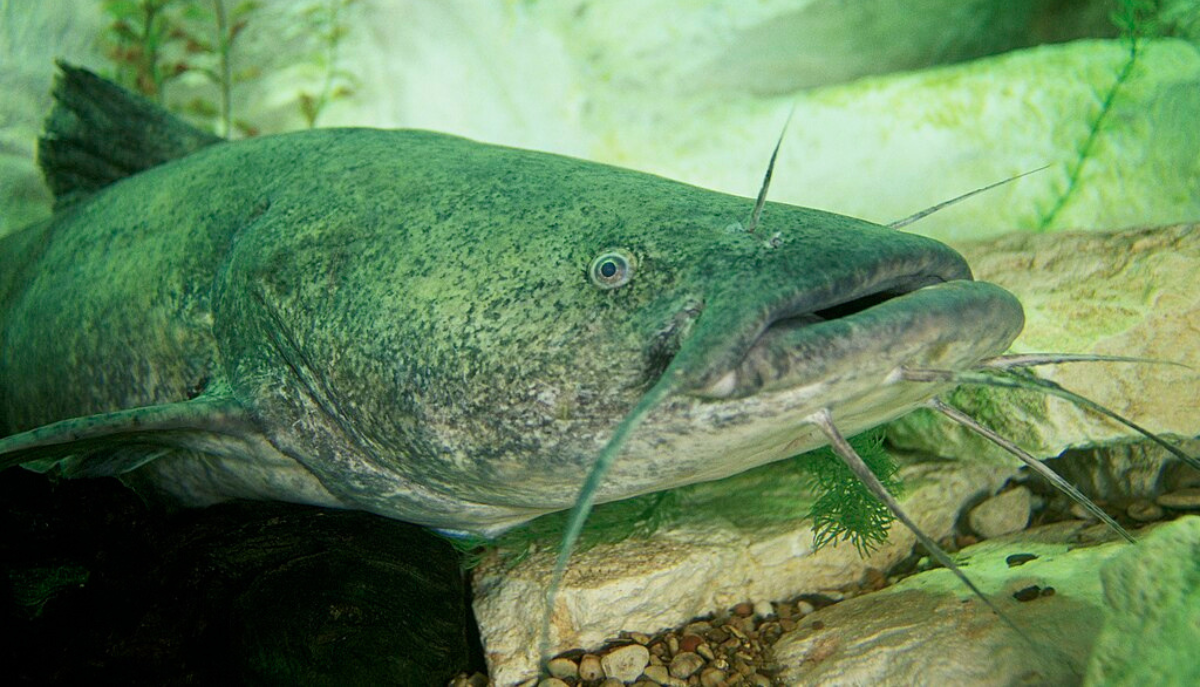
It’s difficult to know exactly how the invasive flathead catfish is expanding into nonnative waterways in the U.S. even if we know the many possible introduction pathways. This species, which has become a popular sport fish in its introduced ranges, has been shown to have negative effects on native fish, including consumption and competition with native fish.
Once introduced, the flathead catfish has few natural predators or environmental challenges to keep its population in check. Therefore, management strategies must frequently balance the need to protect native and naturalized fauna while meeting the desire to maintain or enhance fisheries. However, there are currently few tools available to inform management of invasive flathead catfish.
In response, a team of fisheries scientists led by Pennsylvania State University researchers took tissue samples from the flathead catfish in the Susquehanna and Schuykill Rivers and analyzed them using population genetics to look for patterns of genetic difference among the groups and track their changes over time.
These genetic analysis tools allowed the team to characterize population structure, predict invasion history and assess potential mitigation strategies for flathead catfish. The research revealed moderate levels of diversity in four nonnative collections of flathead catfish in the Pennsylvania and Maryland sections of the Susquehanna River and the Schuylkill River, Pennsylvania.
Project supported by Hatch funds. Photo courtesy Eric Engbretson, U.S. Fish and Wildlife Service.