Tag - Ecosystem Services

Topic

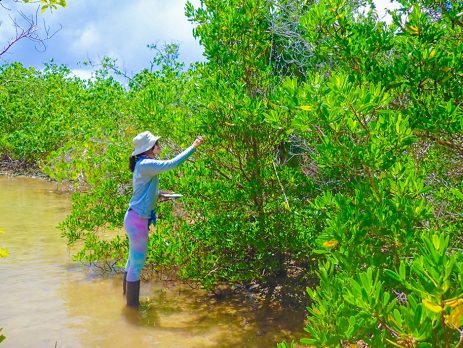
a researcher examines a mangrove

Early research helps prepare for new pest invasion in Pacific mangroves

The native mangrove tree Lumnitzera littorea (ngånga’ in CHamoru) is facing a new threat to its small population in Guam’s Sasa Bay Marine Preserve. Low germination rates have signaled an unknown pressure, but similar findings in Sri Lanka have pointed to the presence of micromoths that were infesting and destroying mangrove seeds. These trees provide important ecological functions, including [...]

Read more...
agroforestry

Decision support tool visualizes benefits of agroforestry

Agroforestry — the intentional integration of trees and shrubs in agricultural systems — can provide a multitude of environmental benefits. However, few farmers in the Midwest have adopted practices such as planting trees as windbreaks, integrating trees on pastures or growing tree crops intercropped with annual crops.  Researchers at the University of Illinois Urbana-Champaign developed a decision support tool to [...]

Read more...
a raingarden

Building resilient communities through low-impact development practices

Traditional infrastructure in Oklahoma communities does not fully address the challenges flooding, erosion and declining water quality bring, especially in rural and residential areas where design and maintenance resources are limited. Landscape design plays a critical role in establishing water-resilient communities.   The Designing with Water initiative, led by Oklahoma State University Extension’s Landscape Architecture program, promotes sustainable landscape practices through education, [...]

Read more...
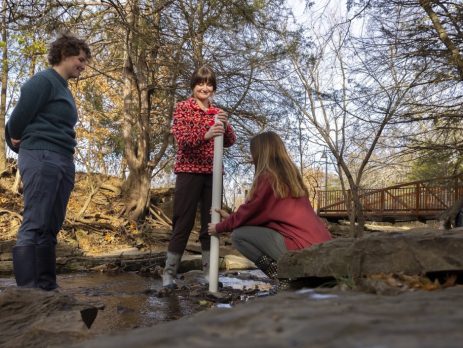
Three women stand in a shallow creekbed. One watches as the other two use a large plastic pipe to collect water samples.

Arkansas researchers study environmental effects of de-icers

Winter road safety depends heavily on salt-based deicers, but there are concerns about how their use is contributing to increased salinity in streams and affecting aquatic ecosystems. Beet brine, which is made from a mixture of salt and beet molasses, has emerged as a potential alternative because it reduces overall salt application. But unlike traditional road salt, beet brine [...]

Read more...
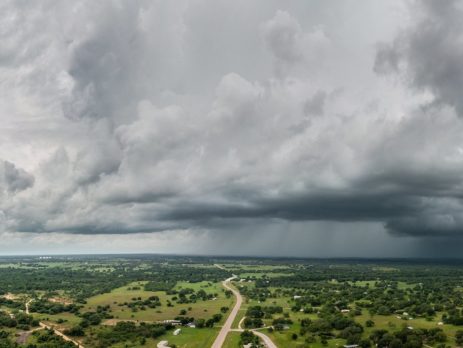
storm over farmland

Preparing for extreme weather

Extreme weather can affect communities, farms, businesses and livelihoods. These weather events, such as drought, wildfires and flooding can pose harm to people, livestock, plants and water quality. As extreme weather becomes more frequent and more intense, land-grant universities are equipping farmers, ranchers and communities with the proper tools to be prepared for and recover from its impacts. Here are [...]

Read more...
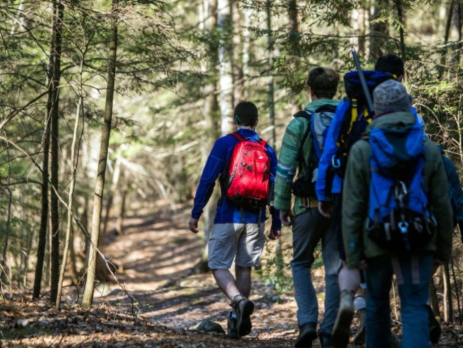
people hiking

Enhancing health and well-being through physical fitness

Regular physical activity, such as walking, is critical for overall health and well-being. It helps improve cardiovascular health, strengthen muscles, enhance flexibility and reduce stress and anxiety. It also aids in weight management and reduces the risk of chronic diseases like diabetes and hypertension. The Land-grant University System plays a significant role in promoting physical fitness and health through [...]

Read more...
a purple flowering plant

Research provides more sustainable pest management options

Agricultural land and natural ecosystems face growing threats from invasive and noxious grasses and weeds, feral animals, pests and diseases that impair ecosystem services and agricultural productivity. Chemical pesticides can pose human and environmental health risks. Land-grant university research had led to findings, tools and strategies for managing pests more sustainably. Here are a few examples of that work: Research and [...]

Read more...
view of tree canopy from below

Private land stewardship protects environment and communities

Practicing good stewardship of private lands is important for the health of our ecosystems and communities. Researchers, Extension professionals and educators at land-grant universities across the United States provide training, tools and other resources to help private landowners manage their land in ways that are environmentally friendly and economically sustainable. Here are a few examples of that work: Extension professionals in [...]

Read more...
ducks

Protecting biodiversity for healthy ecosystems and communities

Biodiversity supports healthy ecosystems and recreation around the world. A diverse range of species ensures stability and resilience in the face of environmental changes. Protecting biodiversity also preserves the opportunity for new discoveries, such as species that can be used as biological pest control agents or medicines. Land-grant university researchers and Extension professionals are working to protect the biodiversity [...]

Read more...
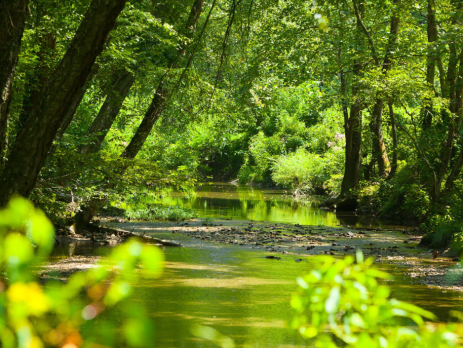
a creek through the woods

Precision monitoring aids decision makers and stakeholders in protecting key watersheds

Nutrient pollution, biodiversity losses and weather variability pose extraordinary challenges for the sustainability of natural ecosystems and the species that inhabit them. Land-grant universities are developing and applying emerging technologies that can help to more efficiently, accurately and safely monitor, measure and precisely manage these systems with minimal environmental impact. Here are a few examples of that work: To better understand [...]

Read more...
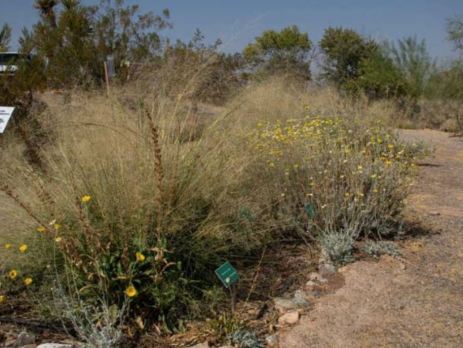
flowering plants growing in the desert

Extension programs help producers, communities manage pests sustainably

Agricultural land and natural ecosystems face growing threats from invasive and noxious grasses and weeds, feral animals, pests and diseases that impair ecosystem services and agricultural productivity. Chemical pesticides can pose human and environmental health risks. Extension educators at land-grant universities help agricultural producers and communities develop and implement pest management strategies that are cost-effective but also minimize risks. Here [...]

Read more...
a small body of water

Protecting valuable water resources

Water resources that sustain agriculture and communities continue to face critical challenges. Land-grant universities are working to discover new ways to increase water use efficiency, reduce water use and protect water quality. Here are a few examples of that work: Researchers at Cornell University in New York engineered novel enzymes that can break down microplastics into small products that can be [...]

Read more...
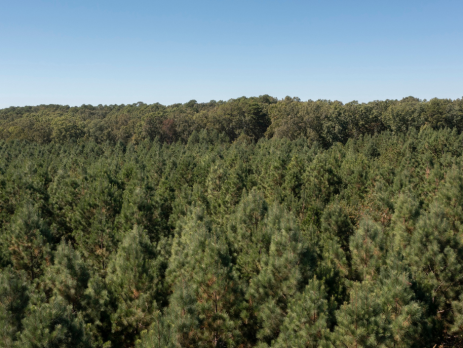
a forest

Preserving and managing our forests

Forests provide a variety of goods, including food, lumber, and paper. They also provide wildlife habitat as well as green space and recreation. As natural carbon sinks, forests absorb carbon dioxide from the atmosphere and store carbon in soils. But rising temperatures, pests and diseases pose threats to forests. Researchers, Extension professionals and educators at land-grant universities across the [...]

Read more...
two people sawing a tree

Volunteers help protect and restore local environments

Land-grant universities across the United States are finding ways to engage the public in science and stewardship that address real-world problems in their communities. With training and tools, volunteers are able to collect important data that help scientists, natural resource organizations, community members and the government protect and restore land, air and water resources — and the ecosystem services [...]

Read more...
an experimental setup for plant growth

Land-grant university research creates sustainable domestic products from agricultural waste and biomass

Petroleum and other nonrenewable materials are widely used for daily products, but many of these items can be made from biomass, including food and agricultural wastes. Bioproducts enhance energy, food and national security while reducing fossil fuel reliance and emissions. They also create jobs, boost the economy, provide farmers with extra income and reduce harmful disposal methods. Here are a [...]

Read more...
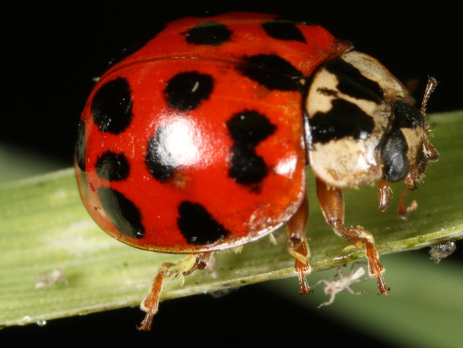
a ladybug

Land-grant universities offer solutions for pest management

Land-grant university pest management programs promote sustainable agriculture. In particular, research-based education helps farmers use pesticides more effectively and safely, improving pest control efficiency and reducing human and environmental exposure to chemicals that can pose health risks. Overall, these practices foster more sustainable farming, leading to healthier ecosystems and improved long-term agricultural productivity. Here are a few examples of that [...]

Read more...
cup being filled with water from a sink tap

Water resiliency programs directly help individual households

Water quality is a growing concern due to pollutants in streams, ponds, wetlands and groundwater. Extension programs in Pennsylvania and New Hampshire have successfully raised awareness and promoted remediation.  The Pennsylvania State University Water Resources Extension Team created the Safe Drinking Water Clinic, reaching 4,800 people annually. These clinics help identify health and aesthetic standards violations, leading to long-term cost [...]

Read more...
person hiking wearing a baby carrier

Integrating biodiversity conservation with outdoor recreational activities for public well-being

More than 6 million visitors enjoy the trails of the White Mountain National Forest in New Hampshire annually, as hiking plays a significant role in the state’s recreational tourism economy. A study supported by the New Hampshire Agricultural Experiment Station is investigating how the biological diversity of forests impacts the psychological well-being of hikers, helping understand the relationship between [...]

Read more...

Land-grant researchers and Extension educators protect essential pollinators

Pollinators play a critical role in the world’s ecosystems, facilitating the reproduction of flowering plants and ensuring the production of many crops. But many pollinator populations are declining or at risk due to habitat loss, pesticide use and changing environmental conditions. Researchers and Extension educators at land-grant universities across the United States are finding ways to protect pollinators. Here are [...]

Read more...
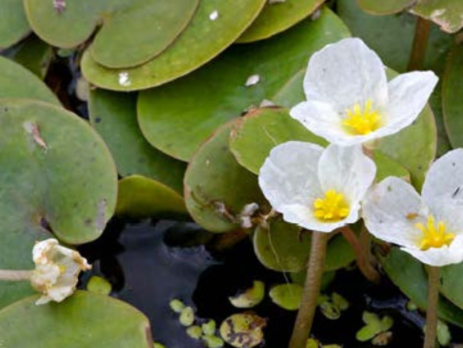
European frog-bit, an invasive species of aquatic plant

Preventing the spread of aquatic invasive species in Michigan

Hobbies such as aquarium keeping and water gardening can bring nature into homes but can also inadvertently contribute to the introduction and spread of invasive species into local lakes and streams. These invaders, often characterized by hardiness and rapid growth, can threaten ecosystems and native species. Because hobbyists rely on retailers for guidance on disposing of unwanted aquatic plants [...]

Read more...
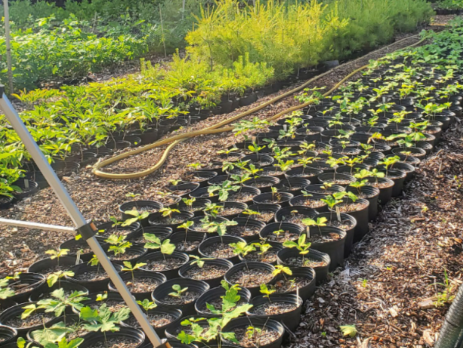
a row of potted sprouts in an experimental plot

Sourcing seeds to bolster Pennsylvania forest resiliency

Humans depend on forests for wood and other ecosystem services. In Pennsylvania, many forests suffer from insect infestations, diseases, invasive plants and climate impacts that have degraded their quality over time.   Many trees regenerate naturally, but planting trees will help to restore our forests. It’s seen as a valuable management strategy to bring the kind of species we want into [...]

Read more...
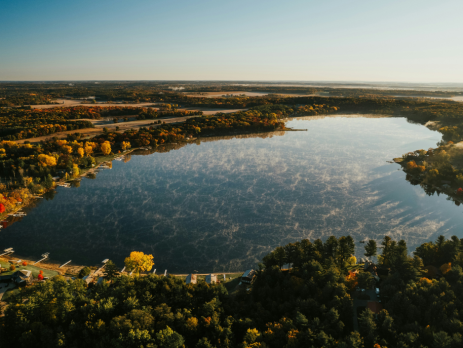
aerial view of a Wisconsin lake

Research explores freshwater lake microbiomes

Freshwater lakes are an important drinking water source. People use these lakes for recreation and fishing. But they’re also vital ecosystems to some aquatic communities. Each lake has its own community of microorganisms, called a microbiome. Certain factors, such as precipitation and nutrient runoff, can affect whether there are more “good” bacteria or “bad” toxin-producing bacteria in a lake. Unfortunately, [...]

Read more...
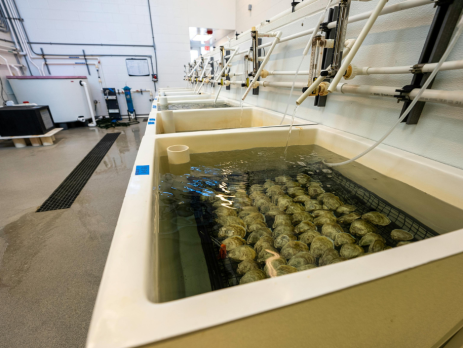
clams in an industrial sink

Creating biosecure standards for a growing aquaculture industry

Shellfish harvests contribute more than $1 billion annually to the New Jersey economy. Although wild caught harvests are sustainable, they are maxed out. A viable alternative is shellfish aquaculture, which can provide many environmental benefits, yet the growth of this type of farming relies on the hatchery production of seed or juvenile shellfish. Interstate transfer of seed stock to support [...]

Read more...

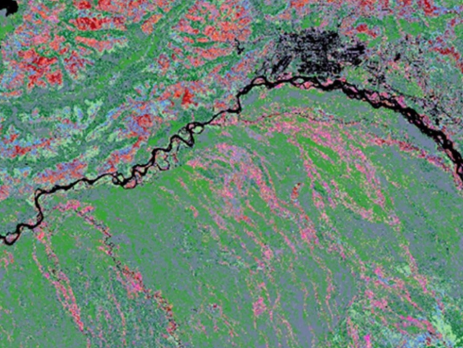
Using remote imaging to aid management decisions

Alaska’s 126 million acres of forested land provide critical ecosystem services that benefit local and global communities. With persistent warming, inconsistent participation, insect pests and intensifying wildfires, Alaska’s forests are facing serious threats to biodiversity as well as local communities and economies. University of Alaska Fairbanks researchers have developed processes that allow them to visually and spectrally observe changes in [...]

Read more...
two scientists take samples from a tree

Research guides management decisions to protect Guam’s native forests

Guam’s limestone forests are being overtaken by an invasive overstory tree called Vitex parviflora, known commonly as the molave tree. Native to the Philippines, Vitex is now the most common invasive tree species in Guam. Because this tree tends to form a monoculture, it competes with the native species that are needed to balance and sustain Guam’s ecosystems. Clearing the [...]

Read more...