Tag - Specialty Crops

Topic

a creek through the woods

Precision monitoring aids decision makers and stakeholders in protecting key watersheds

Nutrient pollution, biodiversity losses and weather variability pose extraordinary challenges for the sustainability of natural ecosystems and the species that inhabit them. Land-grant universities are developing and applying emerging technologies that can help to more efficiently, accurately and safely monitor, measure and precisely manage these systems with minimal environmental impact. Here are a few examples of that work: To better understand [...]
Read more...
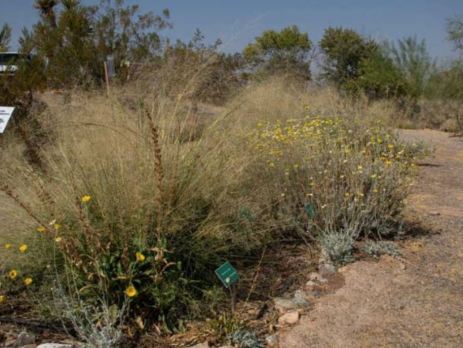
flowering plants growing in the desert

Extension programs help producers, communities manage pests sustainably

Agricultural land and natural ecosystems face growing threats from invasive and noxious grasses and weeds, feral animals, pests and diseases that impair ecosystem services and agricultural productivity. Chemical pesticides can pose human and environmental health risks. Extension educators at land-grant universities help agricultural producers and communities develop and implement pest management strategies that are cost-effective but also minimize risks. Here [...]

Read more...
an experimental setup for plant growth

Land-grant university research creates sustainable domestic products from agricultural waste and biomass

Petroleum and other nonrenewable materials are widely used for daily products, but many of these items can be made from biomass, including food and agricultural wastes. Bioproducts enhance energy, food and national security while reducing fossil fuel reliance and emissions. They also create jobs, boost the economy, provide farmers with extra income and reduce harmful disposal methods. Here are a [...]

Read more...
fruit growing on a tree

Specialty crop growers benefit from land-grant university research

Scientists at land-grant universities are responding to local grower needs to strengthen specialty crop quality and economics. Here are a few examples of that work: Researchers in New York are studying a new threat to vineyards. Research on how the disease is spread through hoppers led to recommendations on management practices to manage the virus spread.Cornell AgriTech. See full statement.   Two-thirds of [...]

Read more...
a ladybug

Land-grant universities offer solutions for pest management

Land-grant university pest management programs promote sustainable agriculture. In particular, research-based education helps farmers use pesticides more effectively and safely, improving pest control efficiency and reducing human and environmental exposure to chemicals that can pose health risks. Overall, these practices foster more sustainable farming, leading to healthier ecosystems and improved long-term agricultural productivity. Here are a few examples of that [...]

Read more...
a robot picking berries

Digital agriculture enhances production, monitoring capabilities

Data modeling, automated machinery and drones are just a few of the technologies that are powering improved efficiencies in livestock and crop production. Land-grant universities are at the forefront of researching and applying these technologies, paving the way for increased productivity, better disease management and optimized harvest timing. Here are a few examples of that work: In Idaho, many cattle producers [...]

Read more...
a scientist examining a plant

Land-grant scientists help farmers manage costly plant diseases effectively

Each year, plant diseases cost the global economy around $220 billion. Plant diseases kill crops and make their products unmarketable, wasting food and other resources while driving up costs for farmers and consumers. Land-grant university scientists are helping farmers monitor for diseases and manage them in a safe and cost-effective manner. Here are a few examples of that work: Researchers in [...]

Read more...
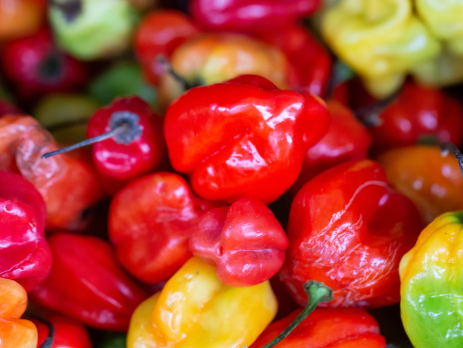
peppers

Land-grant universities foster community, student resilience

The 1890 land-grant universities are committed to strengthening communities, farmers and students through meaningful outreach initiatives. Their engagement ensures that resources are tailored to meet local needs such as food security and economic development. Through these efforts, the universities are fostering more resilient communities for generations to come. Here are a few examples of that work: A food bank needs assessment [...]

Read more...
a hand touches a growing plant

Extension, Food Bank partner to satisfy food demand, while opening economic opportunities to local farmers

A Maryland Food Bank needs assessment showed a growing desire for more non-native vegetables. An alternative crop specialist with the University of Maryland Eastern Shore Extension noted the economic opportunity for farmers. Alternative crops are high value, creating a niche market that sets small-scale farmers apart from commercial growers and increases their income potential. In 2023, the alternative crop specialist [...]

Read more...
honey sale sign at a farmers market

Developing new farmers, new products and new markets to boost agriculture sector

Many communities across the United States are seeing a decline in the agricultural workforce as experienced farmers retire. This issue has been exacerbated by national declines in new and beginning farmers. Land-grant universities are working to recruit and train new farmers, address their challenges and find ways to help them to thrive, including new crops and new marketing opportunities. [...]

Read more...

Land-grant researchers and Extension educators protect essential pollinators

Pollinators play a critical role in the world’s ecosystems, facilitating the reproduction of flowering plants and ensuring the production of many crops. But many pollinator populations are declining or at risk due to habitat loss, pesticide use and changing environmental conditions. Researchers and Extension educators at land-grant universities across the United States are finding ways to protect pollinators. Here are [...]

Read more...
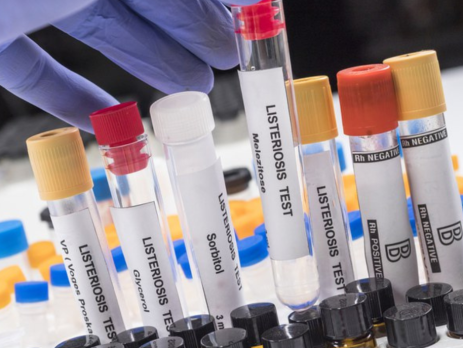
close up of experimental vials

Team finds ways to protect apples postharvest

Pennsylvania is the nation’s fourth largest producer of apples. Once these apples and other tree fruits are picked, they are sent to packing facilities where the fruit can come in contact with germs such as listeria that can survive in these cold and wet environments.  Pennsylvania State University researchers studied the seasonal changes in three different packing facilities and identified [...]

Read more...
researcher Pam Roberts standing in experimental tomato crops

Multistate project studies solutions to bacterial spot in tomatoes, peppers

Tomatoes are big business for Florida farmers, contributing $500 million annually. Bell and chili peppers are also popular crops among consumers with production value of more than $536 million. However, bacterial spot is a threat to yields and harvest revenue.  University of Florida researchers are working to solve this major issue along with scientists at the University of Georgia, North [...]

Read more...
hemp

Helping hemp growers improve crop quality

Hemp, a non-psychoactive variety of Cannabis sativa L, has re-emerged as a popular crop after the 2018 Farm Bill granted hemp “crop status,” therefore removing it from the Drug Enforcement Administration list. It is sought after for a wide variety of consumer and industrial products including cosmetics, foods, fiber, building materials, biofuel and soil remediation. Vermont Agricultural Experiment Station scientists [...]

Read more...
two scientists take a sample

Land-grant universities drive sustainability through innovative agricultural practices

The 1890 land-grant universities are dedicated to improving the well-being of economically challenged communities. By focusing on sustainable practices, these institutions help address key challenges like food security, environmental stewardship and economic resilience. Through research, Extension and education, they equip farmers and communities with innovative techniques that preserve resources for future generations. Here are a few examples of that work: Researchers [...]

Read more...
grapes in a vineyard

Leaf removal supports healthy wine grapes

Wine grape vineyards are vulnerable to fungal diseases that can ruin the grape crop and make the wine unsellable if not managed properly. As more wine producers move toward organic farming or using biodynamic methods, the fungicides producers can use are limited. One nonchemical way to reduce these diseases is to remove leaves in the cluster zone of the [...]

Read more...
an agricultural field

Increasing food security with better food products

Ensuring an adequate supply of safe and nutritious food requires improving existing food varieties and innovating to develop new ones. Here are a few examples of how land-grant universities are contributing: Researchers in Washington generated more than 25 unique lines of rainbow trout with many more in the pipeline. Using biotechnology, they are developing commercial trout lines with enhanced production and [...]

Read more...
scientists examines experimental plants

Improving nursery and fruit crops

Specialty crops, including fruits, floriculture and nursery crops, provide a wide range of products and play a crucial role in the American economy. Land-grant university researchers and educators provide new varieties, production practices and other innovations that help ensure a reliable supply of high-quality products for consumers. Here are a few examples of that work: North Carolina Extension educators are helping [...]

Read more...
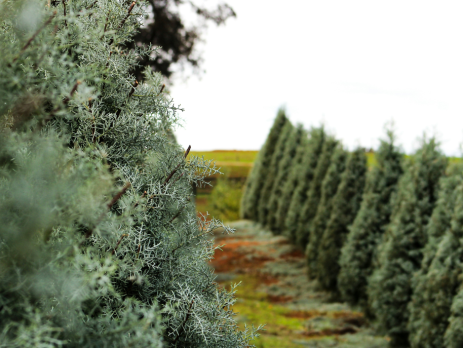
a Christmas tree farm

Research improves Christmas tree production in Connecticut

Two or three Christmas trees are planted for every one that is harvested. This implies that only 33% to 50% of planted trees survive to become salable, and this in turn translates into shortages in the availability of salable trees and higher costs for consumers. Many trees are lost when they are newly planted into growers’ fields, and many [...]

Read more...
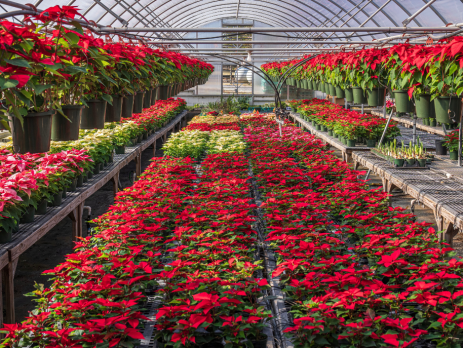
Poinsettias in a greenhouse

Plant diagnostics saves Florida poinsettia producers

The University of Florida Institute of Food and Agricultural Sciences helped save a grower $350,000 crop thanks to a weekly plant diagnostic clinic. In 2019, a new commercial grower came to the free weekly plant clinic for the second time. Just five weeks away from delivering 28,000 poinsettias to retail customers, it was initially thought the crop suffered from a [...]

Read more...
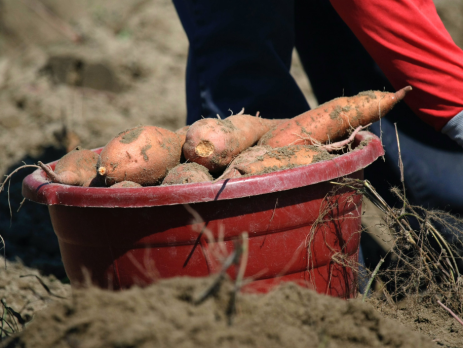
sweet potatoes in a bucket

Sweet potato seed program provides Arkansas farmers with high-quality seed stock

Sweet potatoes are propagated by stem cuttings, which makes the crop more susceptible to virus accumulation over time. More than 30 viruses are known to affect sweet potatoes. The use of virus-infected sweet potato slips for subsequent seasons can have a profoundly negative effect on a farmer’s operation, decreasing yield potential and profitability. The University of Arkansas at Pine Bluff’s [...]

Read more...
pear growing on a tree

Research develops effective treatments to fight blight in apple, pear crops

Over the past several years, frequent periods of warm and wet weather during the spring in Virginia have triggered epidemics of fire blight causing $22 million per year in losses to apple and pear crops. Researchers led by Virginia Tech are developing new effective treatments utilizing fire blight bacterium Erwinia amylovora in fire blight cankers. Cankers are infected dead zones [...]

Read more...
closeup shot of turfgrass on a soccer field

Strengthening, beautifying turfgrass on the pitch

Natural grass is used in 70% of all soccer stadiums and practice fields in Mexico. However, turfgrass managers lacked professional, research-based support for managing these fields. University of Georgia Cooperative Extension was invited to help develop a certification system that trained more than 200 turfgrass professionals in Mexico’s premier soccer leagues — Liga MX, the top professional men’s soccer division, [...]

Read more...
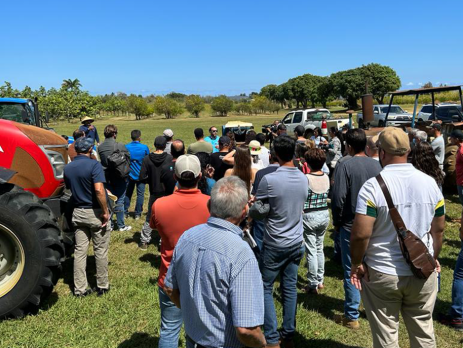
a group of farmers attend an outdoor educational workshop

Seed initiative reflects role of beans in Puerto Rico culinary heritage and agriculture

Beans stand as a cornerstone within the vibrant tapestry of Puerto Rican creole cuisine. According to the U.S. Department of Agriculture, 242 farms dedicated their land to cultivating dry, green and tender beans in 2017, generating an importation value of $15.2 million. Local bean varieties in Puerto Rico offer a host of advantages crucial for both farmers and consumers. [...]

Read more...
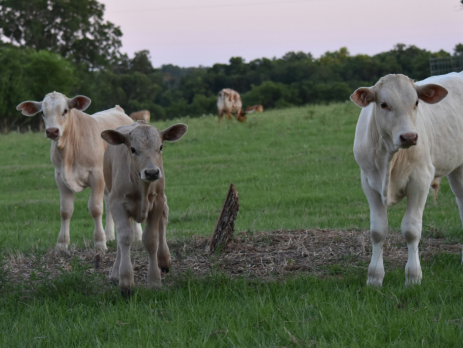
small texas cows

Historically underserved south Texas small-acreage farmers benefit from Extension trainings

In 2019, the Texas Community Futures Forum identified critical issues in three Rio Grande Valley counties: sustainable business models for small farms, increasing small-acreage gardens and job creation. Cameron, Hidalgo and Willacy counties have a combined agricultural market value of $214.45 million. Small-scale producers contribute to this total market value, but actual figures are unknown. Small-acreage farms – under [...]

Read more...