
Tag - Northeast

Region

3d rendered medical illustration of the microbiome of the small intestine

Early life exposure to common chemical permanently disrupts gut microbiome

The forever chemical commonly known as TCDF (2,3,7,8-tetrachlorodibenzofuran) is classified as a persistent organic pollutant and produced through industrial and combustion processes, including waste incineration and metal production. Research at the Pennsylvania Agricultural Experiment Station found that early-life exposure to TCDF can permanently disrupt the gut microbiome in mice. Because TCDF and other persistent organic pollutants accumulate in the [...]
Read more...
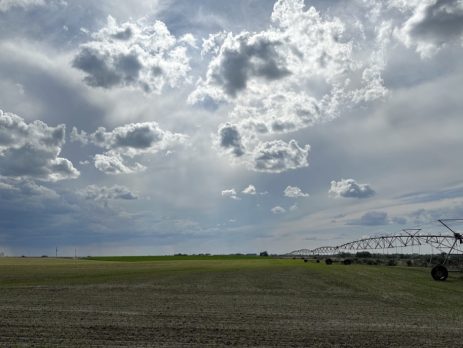
irrigation of a field

The relationship between irrigation and child nutrition

There is an assumption that irrigation automatically leads to better food security. But irrigation doesn’t consistently improve nutrition because regions with sufficient water often use irrigation for export-oriented cash crops, which are less likely to enter the local food system.   A major study had Vermont researchers partnering with other institutions to show that irrigation expansion in the Global South is linked [...]

Read more...

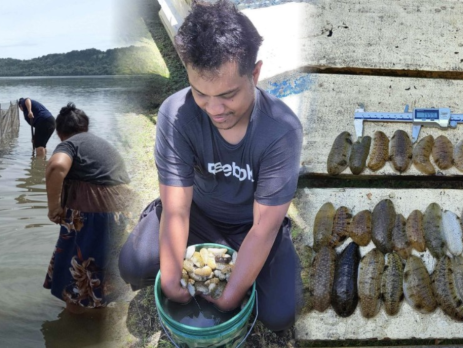
Making aquaculture more productive, safe and economical

The seafood industry is economically vital and provides an important source of protein for the world. Challenges to aquaculture include inefficient production methods, expensive feed inputs and food safety. Land-grant efforts are protecting and promoting this booming industry. Here are a few examples of that work: As feed is the most expensive cost of aquaculture, researchers in Alabama are developing feeds [...]

Read more...
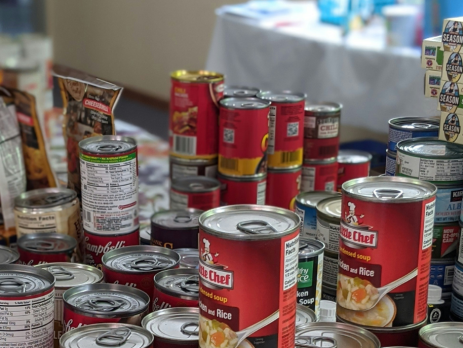
food stores waiting for delivery in a local church community food bank

Food Recovery relieves food waste in Rhode Island

In 2024, more than one-third of Rhode Island households struggled to afford food. While food pantries served over 84,000 people each month, food remained the largest contributor to landfill waste, generating potent methane emissions and shortening the life of the state’s only landfill. In response, Food Recovery for Rhode Island mobilized trained volunteers and community partners to recover and [...]

Read more...
a graphic of 4 world maps showing the percentage change in 4 different crop types: maize, soybeans, sorghum, and wheat

Even when farmers adapt to extreme weather, crop losses continue

A first-of-its-kind study analyzed the real-life measures that farmers worldwide are taking to combat reduced yields due to higher temperatures, drought conditions and other extreme weather. The findings indicate that even as they try to adapt to changing conditions, farmers are still experiencing a decline in agricultural productivity. The steepest losses are occurring at the extremes of the agricultural economy, [...]

Read more...
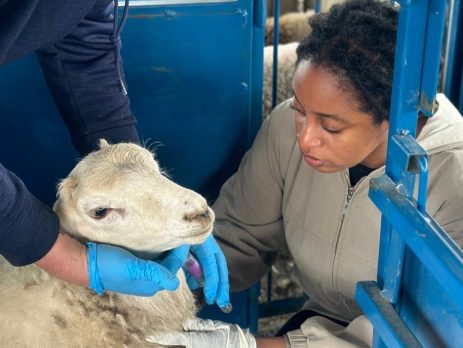
a vet giving a sheep a vaccine

Enhancing food safety with research and training

The United States food supply is among the safest in the world, but every day news stories report food recalls for a variety of safety reasons. Food safety must be maintained through every step of the production process, and land-grant institutions are the key to research and training that helps the food industry provide safe, healthy food. Here are a [...]

Read more...
two students test manure at UNH Organic Research Dairy Farm

New solutions to support extended growing seasons for colder climates

Extending the growing season in colder climates can be challenging for small and mid-sized farms, especially in the northeastern U.S. Commercial greenhouses tend to be cost-prohibitive due to high energy demands. Another challenge faced in northern regions is winter waste management on livestock operations, when soils are often impermeable and microbial decomposition slows.  Scientists at the University of New Hampshire [...]

Read more...
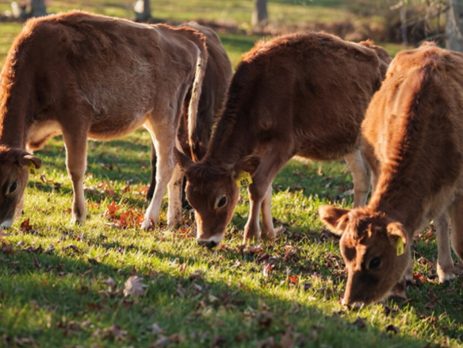
cattle in a field

Tech solutions for livestock management

Livestock producers face challenges such a shrinking labor force, limited veterinary access and rising costs. Artificial intelligence, precision agriculture technologies and genome sequencing have shown promise in improving livestock management, but up-front costs have generally restricted adoption to large-scale dairies. Small farms need economically feasible, effective tools tailored to their specific operations. Here are a few examples of that work: Researchers [...]

Read more...
A smiling woman in a green shirt and maroon cap crouches in a sunny field, harvesting a head of deep red leaf lettuce. She is working in a well-tended garden plot with irrigation lines, representing local agricultural impact and food production

Strengthening the agricultural workforce for the future

The workforce is changing. Across industries and states, trained workers are in demand to support local food systems, meet community needs, ensure safety and increase productivity. Land-grant universities are rising to the challenge of meeting these needs through partnerships, trainings, certifications and hands-on learning opportunities that strengthen the agricultural workforce. Here are a few examples of that work: Health and safety [...]

Read more...
A pair of hands in yellow gloves gently hold a strawberry plant, showing a flower and immature green strawberry, in a strawberry field.

Research helps increase specialty crop profitability

Specialty crop growers provide popular products to consumers. There are many challenges to growing the products commercially. Land-grant universities support growers with research and resources that help increase profitability and informed decision-making. Here are a few examples of that work: Apples are a popular product among consumers, but there are many challenges to growing them commercially in the Midwest and making [...]

Read more...
lavender field

Newest weapon against lice: lavender, cloves and thyme

A team of Extension professionals in Vermont have developed and tested a nonchemical alternative to treating winter lice infestations in cattle and sheep to bypass increasing resistance to insecticide and environmental impacts from chemicals.  The solution is essential oils. Mineral oils steeped with lavender, clove and thyme are known to have insecticidal properties. Lab and farm trials both showed the treatment [...]

Read more...
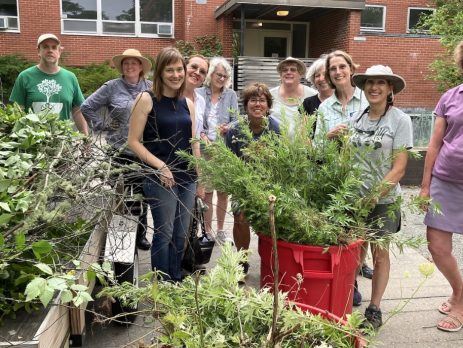
a smiling group of master gardeners

Horticulture programs sprout more resilient communities

Local horticulture is an important tool to combat food insecurity in underserved communities, while boosting environmental sustainability and community health. Volunteers with horticulture training through Extension Master Gardener programs partner with local organizations, schools and vulnerable communities to grow and distribute locally grown produce as well as create jobs.  Here are a few examples of that work: The Master Gardener program [...]

Read more...
two smiling Extension agents in a community garden

Growing food security in urban spaces

Urban communities continue to face persistent constraints related to food access, limited growing space and water availability. Urban, small-scale food production, including controlled environment agriculture such as greenhouses and vertical farming, is a rapidly growing part of local food systems. These systems support food security, environmental sustainability and community resilience. Here are a few examples of that work: A program to [...]

Read more...
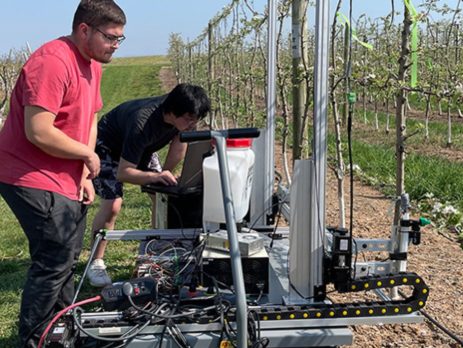
two scientists operate a robotic apple blossom sprayer

Emerging technology offers new tools for growers

Emerging technology is giving farmers tools to reduce the impacts of labor shortages, rising costs, changing weather patterns and regulatory demands, while improving production and profitability. These tools, using drones, robots, artificial intelligence and machine learning, offer a path to sustain productivity, worker safety and environmental performance in the agricultural economy. Projects demonstrate how these technical tools and artificial [...]

Read more...
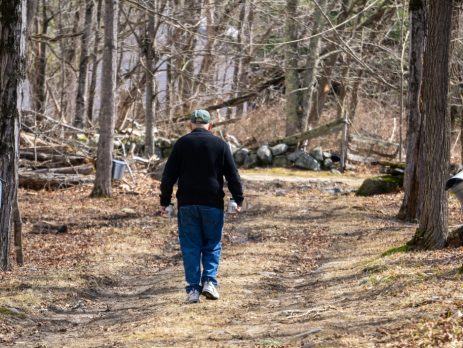
a man walking through forest with sugaring buckets

Designing multi-crop systems for sweet success in maple sugarbushes

Researchers at Cornell in New York are creating diversified agroforestry systems that can take advantage of the understory in maple stands or sugarbushes. While maple sugaring is a popular and growing sector, adding crops that can thrive under the trees can create more diversified lines of value-added maple products.   Over several years, multiple cultivars of 18 species of fruit- and [...]

Read more...
Mario Soto and Aurelie Poncet with a plant and a light-emitting device.

Building resilient agriculture through pest management

Land-grant university pest management programs strengthen agricultural resilience by delivering research-based education that helps farmers manage pests more effectively and safely. These programs improve pest control decisions, reduce unnecessary pesticide use and minimize health and environmental risks—supporting healthier ecosystems and long-term productivity. Here are a few examples of that work: Louisiana State University’s AgCenter’s Field Crop Integrated Pest Management (IPM) Program [...]

Read more...
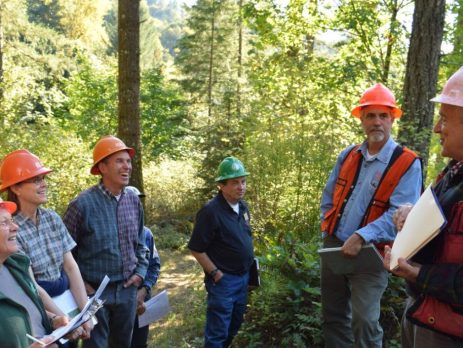
OSU Extension Master Woodland Managers attend a workshop.

Protecting private forests by growing good stewardship

More than half of forest land in the United States is privately owned. This land produces nearly all of the harvested timber that is used for building houses or made into forest products. Practicing good stewardship of private lands is important for ecosystem and community health. Because the more than 10 million private owners of these lands are often [...]

Read more...
mouse

New Hampshire researchers study how small mammals adapt when forest seed cycles shift

Interactions between plants and animals are key to the biodiversity and long-term ecological resilience of forests. Small mammals such as mice, voles and shrews play an essential role in this system by dispersing seeds, allowing new trees to grow. Because seed production can fluctuate dramatically from year to year, especially during large “masting” events, understanding how these animals adjust [...]

Read more...
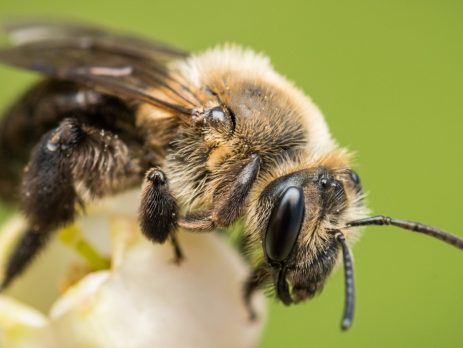
bee

Leveraging a highly trained volunteer network to document bee biodiversity

Many high-value crops such as flowering fruit trees, berries and vegetables rely on native bee populations, but these critically important pollinators are declining nationwide. Scientists can monitor the diversity and abundance of species using data collected across broad geographic ranges through public natural history social platforms such as iNaturalist. The challenge, however, is that photography-based monitoring can introduce unintended [...]

Read more...
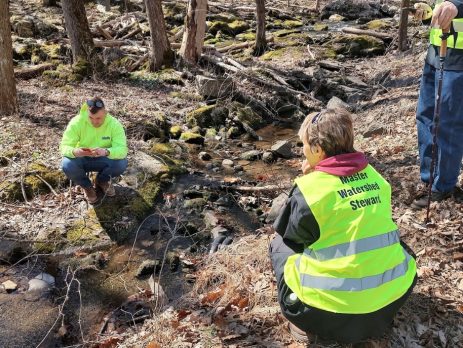
Master Watershed Stewards examine a creek

Land-grant universities help communities tackle stormwater challenges

Across the country, communities face challenges in managing runoff after rainfall. When not properly managed, stormwater can cause flooding, erode land and transport contaminants and debris into waterbodies. Land-grant universities are helping residents, businesses and local governments find solutions — from installing rain gardens to changing the way ditches are drained — while raising public awareness of stormwater issues [...]

Read more...
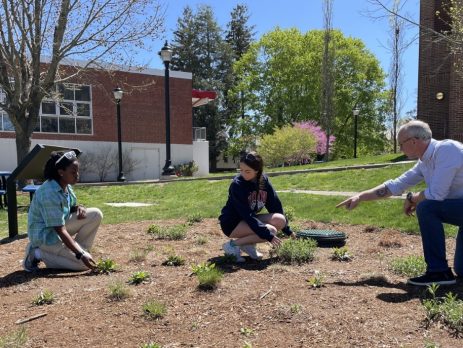
three people working in a rain garden between two buildings

In Connecticut, rain gardens show promise for stormwater management

Stormwater management is a challenge that many communities face. Roads, parking lots and similar surfaces make up much of the urban landscape, but rainwater can’t soak into the ground where pavement is present. That increases localized flooding risks and the possibility of untreated pollutants flowing into streams and rivers.  In Connecticut, Extension experts are encouraging residents, businesses and municipalities to [...]

Read more...
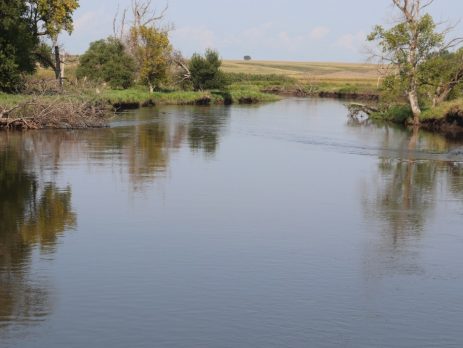
a lake

Strengthening water quality across landscapes

Access to clean, reliable water for communities, ecosystems and agriculture is increasingly threatened by issues such as nutrient pollution and emerging contaminants. Land‑grant universities are addressing these challenges through innovative research and hands‑on Extension programming that empowers volunteers, land managers and future water‑quality stewards. Here are a few examples of that work: Researchers in Montana found evidence that wetland conservation can [...]

Read more...
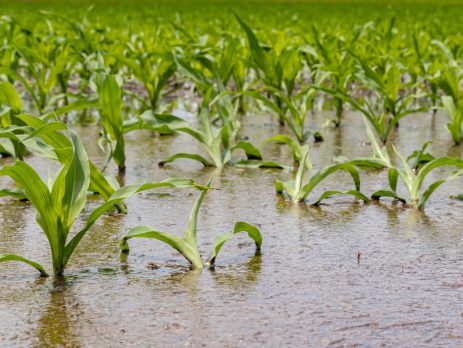
flooded cornfields

Building resilience through disaster preparedness in Connecticut

Extreme weather events such as flooding, hurricanes, drought and hail are increasing in Connecticut. This threatens safety, livelihoods and local economies for farms, families and municipalities. Many local residents don’t have access to coordinated, research-based guidance.  University of Connecticut Extension uses the Extension Disaster Education Network (EDEN) to deliver research-based disaster preparedness education around the state. Educators identify preparedness gaps [...]

Read more...
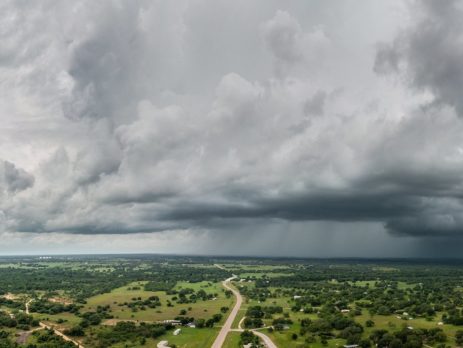
storm over farmland

Preparing for extreme weather

Extreme weather can affect communities, farms, businesses and livelihoods. These weather events, such as drought, wildfires and flooding can pose harm to people, livestock, plants and water quality. As extreme weather becomes more frequent and more intense, land-grant universities are equipping farmers, ranchers and communities with the proper tools to be prepared for and recover from its impacts. Here are [...]

Read more...
a group of children smile around a science experiment

Land-grant universities support youths, build stronger communities

The Land-grant University System plays a crucial role in equipping young people with the skills, knowledge and leadership abilities they need to thrive in their personal and professional lives. Here are a few examples of that work: In North Carolina, the Bertie DigiCon provided residents with tools and resources to overcome digital barriers. The event raised funds for youth development and [...]

Read more...