Tag - Northeast

Region

drone flying over crop

Drones, virtual fencing, gene technology moving agriculture forward

Land-grant universities and state research agencies are using multiple technologies to solve production challenges and provide educational outreach. From using drones to assess damage following natural disasters to GPS tracking to monitor livestock within the boundaries of virtual fencing, advances in technology are helping propel food and fiber production. Successful examples include: Following Hurricane Idalia, a Category 3 hurricane, Extension educators [...]

Read more...
a group of scientists planting experimental crops

Reaching diverse farms and farmers

Extension educators and researchers across the Land-grant University System reach diverse farmers and farms through programming, information and accessible tools. Their work ensures farming resources are available to all individuals. Here are a few examples of that work: Minnesota Extension launched a pilot project to bring Minnesota-grown goat meat to halal customers. The collaboration has resulted in the first halal certified [...]

Read more...
a group of cows stands in a grassy area near some trees

Research, education improve livestock health

Livestock producers are continually searching for the best management strategies to protect animal health, which is essential to productivity and profitability as well as the animal’s well-being. Maintaining healthy animals also protects human health. Here are a few examples of how land-grant universities are contributing: When the highly pathogenic avian influenza (HPAI) threatened domestic poultry in Oregon, Extension responded rapidly with [...]

Read more...
crops growing in a field

Creating new, sustainable products from agricultural waste and biomass

Petroleum and other nonrenewable materials are commonly used for plastics, industrial chemicals, pharmaceuticals, cosmetics and other products we use on a daily basis. But many of these products can be made from biomass, including food and agricultural wastes. Bioproducts offer a way to improve energy security, food security and national security while also cutting back on fossil fuel-related pollution [...]

Read more...
biodiesel fuel pump

Sustainable energy to meet growing demands

Non-renewable energy sources are limited, and demand is growing. Fossil-fuel based energy production and use contribute significantly to pollution and changes in our climate. Improving energy efficiency and developing renewable energy sources is essential to meeting growing demand and can lower energy bills, create new jobs and promote rural prosperity. Reducing reliance on fossil fuels can improve national security [...]

Read more...
drone flying over a body of water

Drone-based monitoring of water bodies allows for earlier detection of ecological threats

Toxic blue-green algae blooms of cyanobacteria in water bodies can pose significant environmental and public health risks. Collecting and analyzing single samples from these harmful algal blooms is time consuming and can expose researchers to harmful toxins. To address these limitations and risks, University of New Hampshire researchers used an unpiloted aerial system (UAS), or drone, with a multispectral sensor [...]

Read more...
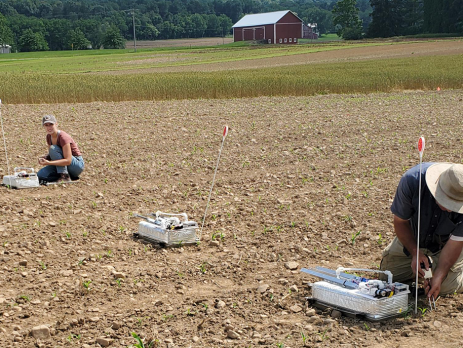
two scientists take samples and measurements in a field

Developing climate-friendly farming practices to reduce nitrous oxide emissions

Nitrous oxide is a greenhouse gas that is about 300 times better at trapping heat than carbon dioxide, so even small emissions of nitrous oxide affect the climate. Organic agricultural practices, such as legume cover crops and applications of animal manure, can curtail nutrient runoff and soil erosion when combined but at the same time release nitrous oxide. Researchers at [...]

Read more...
the Chesapeake Bay

Critical moments to improve Chesapeake water quality

A study by Pennsylvania State University researchers concluded that the vast majority of nutrients and sediment washed into streams flowing into the Chesapeake Bay are picked up by deluges from severe storms that occur on relatively few days of the year. The researchers say this offers clues for cleaning up the impaired estuary. A small percentage of locations and events [...]

Read more...
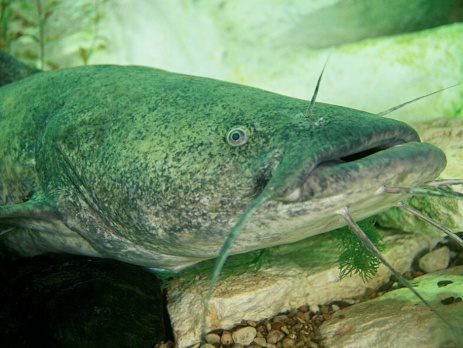
a closeup photo of the flathead catfish

Research tracks genetic diversity to help manage invasive catfish

It’s difficult to know exactly how the invasive flathead catfish is expanding into nonnative waterways in the U.S. even if we know the many possible introduction pathways. This species, which has become a popular sport fish in its introduced ranges, has been shown to have negative effects on native fish, including consumption and competition with native fish. Once introduced, the [...]

Read more...
pesticides for spotted lanternflies

Bilingual Spray Safe, Spray Well recordings provide permanent resource for pesticide safety

Beginning organic growers, urban farmers and Spanish-speaking vegetable producers have been historically underserved by traditional cooperative Extension efforts to support agricultural risk management, especially related to safe and effective pesticide use. Production systems commonly used by beginning organic growers and urban farmers are often smaller, more intensive and less dependent on chemical control strategies for pest management than larger [...]

Read more...
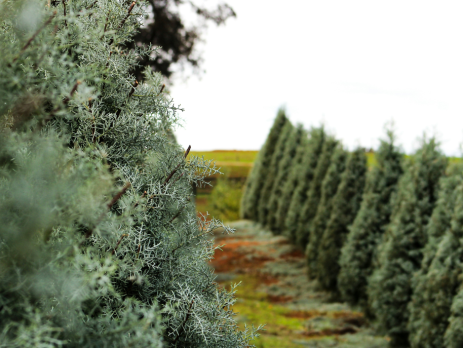
a Christmas tree farm

Research improves Christmas tree production in Connecticut

Two or three Christmas trees are planted for every one that is harvested. This implies that only 33% to 50% of planted trees survive to become salable, and this in turn translates into shortages in the availability of salable trees and higher costs for consumers. Many trees are lost when they are newly planted into growers’ fields, and many [...]

Read more...
plants growing in a greenhouse

Extension on-site visits, conference support Connecticut greenhouse industry

Greenhouses in Connecticut represent a significant portion of the state’s $4.7 billion agricultural economy and are integral to the success of all agricultural businesses, according to a 2021 study by Farm Credit East. The total economic impact of the 583 greenhouse businesses in the state was $390 million in 2020. With support from the U.S. Department of Agriculture National [...]

Read more...
sweet potato root galls

Land-grant universities nationwide work together to sustainably manage nematodes

Nematodes are tiny, usually microscopic, roundworms that are incredibly common and widespread. They account for 80% of all individual animals on Earth. Some nematode species are beneficial to agriculture, while others have major detrimental impacts. Plant-parasitic nematodes can lead to poor soil and low crop yields. In the United States, annual economic losses due to nematode infection of crops [...]

Read more...
plants growing in a raised garden

Urban farm learning lab providing access to fresh, healthy food options

The Cornell Cooperative Extension Oneida Urban Farm Learning Lab in New York provides educational programming and resources to aspiring farmers and growers who face small business startup barriers within urban communities. The program addresses increasing interest in urban farming in the cities of Utica and Rome. It helps community members overcome challenges such as space, knowledge, experience and money [...]

Read more...
closeup photograph of pile of strawberries

Breeding crops tailored for the future

Food crops are constantly under attack by plant diseases and pests that result in losses in crop quantity and quality. Declines in crop health can lead to food waste and threaten global food security. Land-grant universities are breeding plants that are resistant to pests and disease for greater resilience and sustainability. Here are a few examples of that work: Researchers in [...]

Read more...
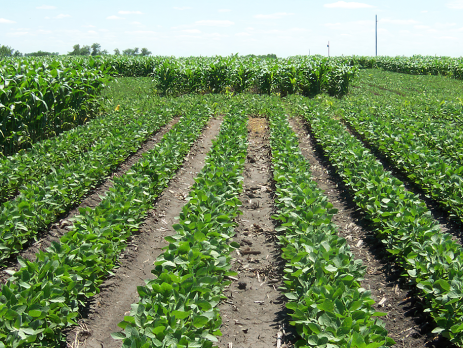
field with rows of crops

Healthy soils sustain food security

Researchers at the nation’s land-grant universities are studying the health of soils to increase agricultural production and decrease the use of agrochemicals used to grow food. Their work will contribute to our ability to meet the world’s growing demand for food. Here are a few examples of that work: Agricultural researchers in Pennsylvania are studying how soil salinity and soil nitrogen [...]

Read more...
a person checking on lettuce crop

Flexible training for new vegetable farmers in Connecticut

In Connecticut, new and beginning vegetable farmers are frequently first-generation farmers who also juggle off-farm jobs. These farmers need flexible training and support to build a thriving business that remains economically viable. To support these farmers, UConn Extension has developed an online, asynchronous vegetable production certificate course for farmers who have less than three years of experience growing vegetables. Participants [...]

Read more...
black woman farmer examines a squash plant

BIPOC farmers lead by example

Black, Indigenous and other people of color in farming often lack opportunities and face barriers to institutional resources typically available to White farmers. Approximately 96% of U.S. farmers are White. Farmers of color may be unaware of assistance available from government agencies and other organizations. To connect farmers of color with state and federal expertise and funding to help conserve [...]

Read more...
free range pigs

Prompt detection of infectious animal diseases can prevent economic losses and ensure food security

A swine bacterial pathogen, Streptococcus equi subspecies zooepidemicus or “Strep zoo,” is difficult to detect with conventional methods because virulent strains show only minor genetic differences from benign bacteria commonly found in healthy pigs and other animals. High mortality Strep zoo outbreaks occurred in swine herds in Canada, Tennessee, Ohio and Pennsylvania in 2019. Different versions of the pathogen also [...]

Read more...