
Tag - Northeast

Region

a family preparing a salad

Delivering nutrition and health education and resources at the community level

The SNAP-Ed program provides research-based nutrition education to SNAP recipients and those who are eligible for benefits, helping individuals and families make more nutritious food choices, stretch their food dollars and lead healthier lifestyles. Land-grant universities play a key role by leveraging Extension professionals to deliver nutrition education and resources directly to a wide audience of communities. The program [...]

Read more...
people hiking

Enhancing health and well-being through physical fitness

Regular physical activity, such as walking, is critical for overall health and well-being. It helps improve cardiovascular health, strengthen muscles, enhance flexibility and reduce stress and anxiety. It also aids in weight management and reduces the risk of chronic diseases like diabetes and hypertension. The Land-grant University System plays a significant role in promoting physical fitness and health through [...]

Read more...
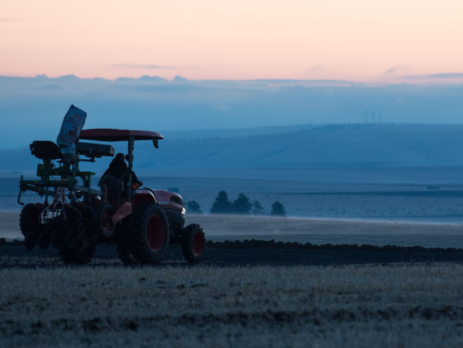
a tractor in a field

Addressing injuries and stress in agriculture

Farmers, ranchers and agricultural workers face significant challenges, from physical strain and injuries to financial uncertainty. Extension programs at land-grant universities address provide essential support tailored to the agricultural community. These programs not only improve individual well-being but also strengthen the resilience of rural economies by ensuring farmers and ranchers have the resources they need to continue their essential [...]

Read more...
chickens around a feeder

Mitigating costly poultry diseases

Avian diseases pose a major challenge to the nation’s $77 billion poultry industry and drastically increase the cost of poultry products for consumers. Avian diseases can also pose a health threat to other animals and humans. At the same time, there is a demand to produce poultry without antibiotics or other drugs commonly used to fight diseases. Working together, [...]

Read more...
view of tree canopy from below

Private land stewardship protects environment and communities

Practicing good stewardship of private lands is important for the health of our ecosystems and communities. Researchers, Extension professionals and educators at land-grant universities across the United States provide training, tools and other resources to help private landowners manage their land in ways that are environmentally friendly and economically sustainable. Here are a few examples of that work: Extension professionals in [...]

Read more...
crops growing out of dry, cracked soil

Understanding and identifying solutions for weather impacts on agriculture

Drought, severe weather and wildfires can have significant economic impacts on agriculture. Research and educational programming by land-grant universities helps us understand these effects and strengthen resilience. Here are a few examples of that work: Red clover, a commonly used forage crop in the northeastern U.S., increases its phytoestrogen levels under drought conditions, potentially affecting livestock reproductive health. The economic impact [...]

Read more...
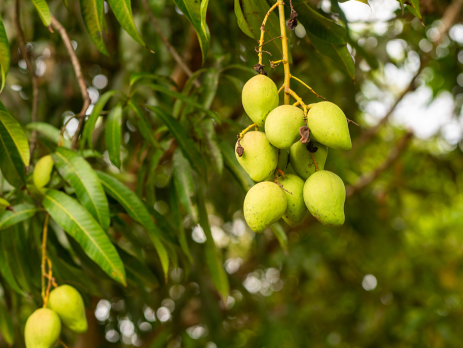
fruit growing on a tree

Understanding root causes of chronic health conditions, more natural ways to treat them

Chronic health concerns, including diabetes, autoimmune disorders and vitamin deficiency, are costly and debilitating to patients and the healthcare system. Researchers across the Land-Grant University System are looking at new and often natural ways to help ease the onset or effects of common, chronic conditions, and promote better health along the way. Here are a few examples of that work: In [...]

Read more...
two scientists look at a tablet

Food industry worker training reduces foodborne illness and enhances workforce development

Foodborne illnesses are a common and costly, yet preventable, public health issue. Training workers in the food industry on food safety issues is critical to public health as well as workforce development. Land-grant universities across the country continue to find innovative and effective methods to train workers on foodborne illness, how to prevent it and how to train other [...]

Read more...
a scientist takes notes

Optimizing use of heat to minimize food safety risks, maximize food quality

Using heat is essential for reducing the risk of foodborne illnesses in fresh products like eggs and milk and dry goods like spices, flour and powdered milk. In addition, a number of commodities require use of heat for processing. Finding the right balance of heat to ensure food quality and safety is an ongoing process, and one that researchers [...]

Read more...
a spread of healthy foods

Youth empowerment leads to healthful resilience

Empowering youth with nutrition and health education essential for building healthier communities. The Land-grant University System provides science-based programs that teach young people how to make informed food choices, develop lifelong healthy habits and understand the connections between nutrition and well-being. By equipping youth with this knowledge, the programs foster resilience, reduce the risk of chronic diseases and promote [...]

Read more...
a family preparing a meal

Expanded Food and Nutrition Education Program strengthens families with hands-on education

The Expanded Food and Nutrition Education Program (EFNEP) strengthens families by providing hands-on nutrition education to those with limited resources. Through practical lessons in healthy eating, meal planning, food budgeting and physical activity, EFNEP helps families develop lifelong skills that improve their overall well-being. As families adopt healthier lifestyles, they reduce their risk of chronic diseases and food insecurity. [...]

Read more...
ducks

Protecting biodiversity for healthy ecosystems and communities

Biodiversity supports healthy ecosystems and recreation around the world. A diverse range of species ensures stability and resilience in the face of environmental changes. Protecting biodiversity also preserves the opportunity for new discoveries, such as species that can be used as biological pest control agents or medicines. Land-grant university researchers and Extension professionals are working to protect the biodiversity [...]

Read more...
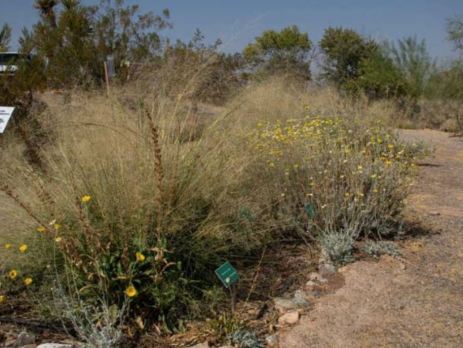
flowering plants growing in the desert

Extension programs help producers, communities manage pests sustainably

Agricultural land and natural ecosystems face growing threats from invasive and noxious grasses and weeds, feral animals, pests and diseases that impair ecosystem services and agricultural productivity. Chemical pesticides can pose human and environmental health risks. Extension educators at land-grant universities help agricultural producers and communities develop and implement pest management strategies that are cost-effective but also minimize risks. Here [...]

Read more...
a small body of water

Protecting valuable water resources

Water resources that sustain agriculture and communities continue to face critical challenges. Land-grant universities are working to discover new ways to increase water use efficiency, reduce water use and protect water quality. Here are a few examples of that work: Researchers at Cornell University in New York engineered novel enzymes that can break down microplastics into small products that can be [...]

Read more...
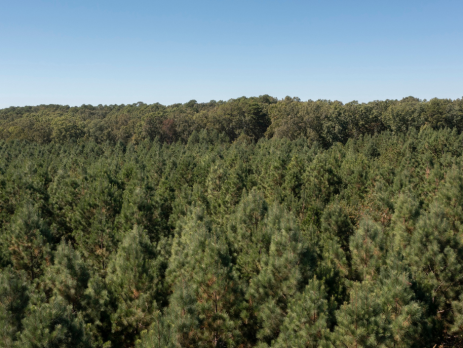
a forest

Preserving and managing our forests

Forests provide a variety of goods, including food, lumber, and paper. They also provide wildlife habitat as well as green space and recreation. As natural carbon sinks, forests absorb carbon dioxide from the atmosphere and store carbon in soils. But rising temperatures, pests and diseases pose threats to forests. Researchers, Extension professionals and educators at land-grant universities across the [...]

Read more...
two people sawing a tree

Volunteers help protect and restore local environments

Land-grant universities across the United States are finding ways to engage the public in science and stewardship that address real-world problems in their communities. With training and tools, volunteers are able to collect important data that help scientists, natural resource organizations, community members and the government protect and restore land, air and water resources — and the ecosystem services [...]

Read more...
a family preparing a meal

Extension programs help families grow stronger as they navigate life’s challenges

Parenting isn’t easy — and neither are a myriad of other experiences that can arise in family life. To help people navigate situations like adjusting to co-parenting after a divorce, family disagreements and end-of-life planning, Extension professionals at land-grant universities lead research-backed initiatives that strengthen families and offer support for those going through difficult circumstances. Here are a few examples [...]

Read more...
an experimental setup for plant growth

Land-grant university research creates sustainable domestic products from agricultural waste and biomass

Petroleum and other nonrenewable materials are widely used for daily products, but many of these items can be made from biomass, including food and agricultural wastes. Bioproducts enhance energy, food and national security while reducing fossil fuel reliance and emissions. They also create jobs, boost the economy, provide farmers with extra income and reduce harmful disposal methods. Here are a [...]

Read more...
a person watching the "Field Crops Virtual Breakfast" on a laptop

Virtual education programs reach clientele where they live

Since 2020, virtual education has increasingly helped land-grant university research and Extension programs be more available to clientele where they live. These virtual programs are user-friendly and can be tailored to an audience’s educational level. By creating a virtual series that is informative and interactive, land-grant universities can significantly enhance the reach and impact of research and Extension information. Here [...]

Read more...
fruit growing on a tree

Specialty crop growers benefit from land-grant university research

Scientists at land-grant universities are responding to local grower needs to strengthen specialty crop quality and economics. Here are a few examples of that work: Researchers in New York are studying a new threat to vineyards. Research on how the disease is spread through hoppers led to recommendations on management practices to manage the virus spread.Cornell AgriTech. See full statement.   Two-thirds of [...]

Read more...
a ladybug

Land-grant universities offer solutions for pest management

Land-grant university pest management programs promote sustainable agriculture. In particular, research-based education helps farmers use pesticides more effectively and safely, improving pest control efficiency and reducing human and environmental exposure to chemicals that can pose health risks. Overall, these practices foster more sustainable farming, leading to healthier ecosystems and improved long-term agricultural productivity. Here are a few examples of that [...]

Read more...
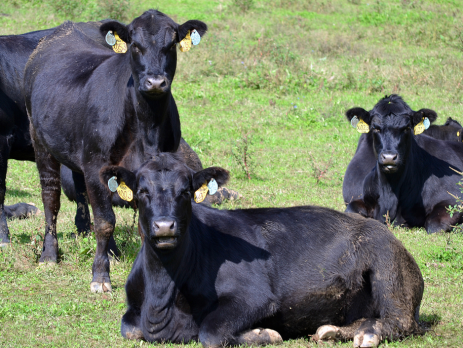
cows

Land-grant university research, outreach support beef production

The United States is the world’s top producer of beef, contributing to about 20% of the world’s production. In 2023, the U.S. beef industry had an estimated value of $102 billion. Land-grant universities are supporting the beef industry through research, Extension and education, ensuring producers remain economically viable and are able to safely meet changing market demands. Here are a [...]

Read more...
a robot picking berries

Digital agriculture enhances production, monitoring capabilities

Data modeling, automated machinery and drones are just a few of the technologies that are powering improved efficiencies in livestock and crop production. Land-grant universities are at the forefront of researching and applying these technologies, paving the way for increased productivity, better disease management and optimized harvest timing. Here are a few examples of that work: In Idaho, many cattle producers [...]

Read more...
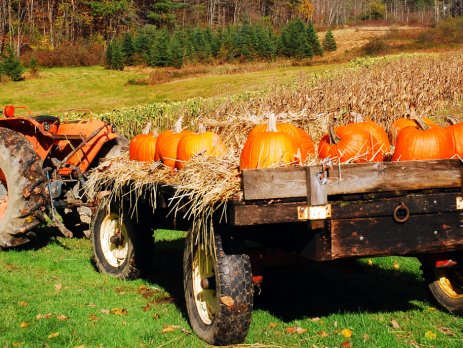
pumpkins in a tractor wagon

Research and Extension strengthens markets through technology, education

Preserving and strengthening markets is essential to the sustainability of the agricultural sector. Through technology and educational programs provided by land-grant universities, small agricultural businesses can identify new trends, develop risk management strategies and adopt new methods to ensure their businesses thrive. Here are a few examples of that work: Broadband plays a vital role in marketing businesses and facilitating commerce. [...]

Read more...
a scientist examining a plant

Land-grant scientists help farmers manage costly plant diseases effectively

Each year, plant diseases cost the global economy around $220 billion. Plant diseases kill crops and make their products unmarketable, wasting food and other resources while driving up costs for farmers and consumers. Land-grant university scientists are helping farmers monitor for diseases and manage them in a safe and cost-effective manner. Here are a few examples of that work: Researchers in [...]

Read more...