Tag - Northeast

Region

a person wearing PPE and looking at a device

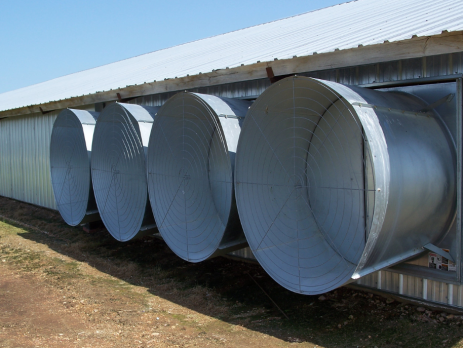
Land-grant universities support the viability of livestock production

From teaching producers biosecurity techniques to keeping poultry cool in extreme temperatures to identifying genetic traits that will optimize production, land-grant university researchers and Extension professionals are supporting the viability of livestock production in the United States. Here are a few examples of that work: Researchers at land-grant universities nationwide are developing and using advanced technologies and data to improve poultry [...]


Read more...
two people holding hands

In New York, Extension program offers support for families dealing with estrangement 

When a rift divides a family and relatives becomes estranged from one another, there’s limited guidance for how to handle these emotional situations and attempt to reconcile. Seeking to create resources and tools to help, Cornell University Extension professionals in New York developed an online course and website focused on this issue.  The online training targets professionals, including Extension educators, [...]

Read more...
cup being filled with water from a sink tap

Water resiliency programs directly help individual households

Water quality is a growing concern due to pollutants in streams, ponds, wetlands and groundwater. Extension programs in Pennsylvania and New Hampshire have successfully raised awareness and promoted remediation.  The Pennsylvania State University Water Resources Extension Team created the Safe Drinking Water Clinic, reaching 4,800 people annually. These clinics help identify health and aesthetic standards violations, leading to long-term cost [...]

Read more...
a young child in a highchair eats a piece of broccoli

Extension educates families on the link between poor diet, dental cavities in young children

Dental decay is the most common chronic condition in children, and those from families with low-income experience poor diet quality and cavities. Families face challenges in promoting healthy diets and dental care to their children due to barriers such as lack of transportation, targeted advertising and limited access to healthy foods. The University of Connecticut Extension supports the SNAP-Ed nutrition [...]

Read more...
person hiking wearing a baby carrier

Integrating biodiversity conservation with outdoor recreational activities for public well-being

More than 6 million visitors enjoy the trails of the White Mountain National Forest in New Hampshire annually, as hiking plays a significant role in the state’s recreational tourism economy. A study supported by the New Hampshire Agricultural Experiment Station is investigating how the biological diversity of forests impacts the psychological well-being of hikers, helping understand the relationship between [...]

Read more...
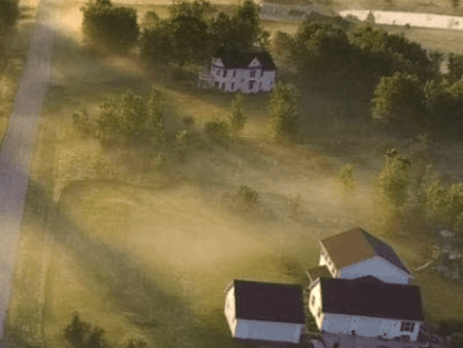
aerial view of rural homes

Multistate research shows health effects from chronic stress impact rural residents more than urban

A study led by a team of Pennsylvania State University researchers has shown that living rurally is associated with more “wear and tear” on the body’s system from exposure to chronic stress than for urban residents. The findings were published in the journal “SSM–Population Health.”  Studies have long shown that rural populations in the United States have worse health outcomes than [...]

Read more...
a woman farmer checks on a cow

Program for women farmers increases well-being, safety and productivity

Nationally, women account for 36% of all U.S. agricultural producers and 41% of beginning farmers. The Northeast corridor, which extends from Maine to West Virginia, is home to many of the counties with the highest percentage of women farmers.   Yet, U.S. Department of Agriculture data consistently show that farms in which a woman is the primary operator tend to be [...]

Read more...
honey sale sign at a farmers market

Developing new farmers, new products and new markets to boost agriculture sector

Many communities across the United States are seeing a decline in the agricultural workforce as experienced farmers retire. This issue has been exacerbated by national declines in new and beginning farmers. Land-grant universities are working to recruit and train new farmers, address their challenges and find ways to help them to thrive, including new crops and new marketing opportunities. [...]

Read more...

Land-grant researchers and Extension educators protect essential pollinators

Pollinators play a critical role in the world’s ecosystems, facilitating the reproduction of flowering plants and ensuring the production of many crops. But many pollinator populations are declining or at risk due to habitat loss, pesticide use and changing environmental conditions. Researchers and Extension educators at land-grant universities across the United States are finding ways to protect pollinators. Here are [...]

Read more...

Land-grant university research helps stakeholders lower costs with renewable energy solutions

Non-renewable energy sources are limited, and growing demand exacerbates pollution and health issues. Enhancing energy efficiency and developing renewable sources are crucial to meet demand, reduce costs, create jobs and boost rural prosperity. Reducing fossil fuel reliance improves national security and public health. Researchers and educators in the Land-grant University System are finding innovative ways to improve energy efficiency [...]

Read more...
a group of people outdoors, smiling

Cultivating mental health resilience

The Land-grant University System is tackling mental health challenges through innovative programs. Extension professionals are uniquely positioned to educate and support urban, suburban and rural communities, offering programs that teach coping skills, recognize mental health signs, and normalize conversations about mental health. Addressing mental health is crucial because it enhances overall well-being, improves quality of life and fosters healthier, [...]

Read more...
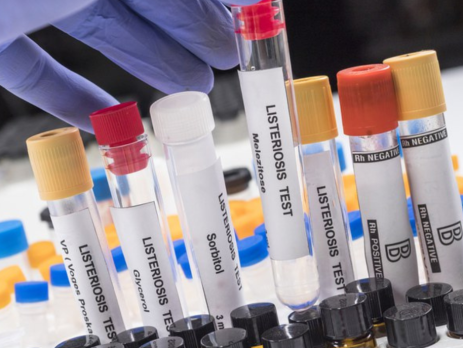
close up of experimental vials

Team finds ways to protect apples postharvest

Pennsylvania is the nation’s fourth largest producer of apples. Once these apples and other tree fruits are picked, they are sent to packing facilities where the fruit can come in contact with germs such as listeria that can survive in these cold and wet environments.  Pennsylvania State University researchers studied the seasonal changes in three different packing facilities and identified [...]

Read more...
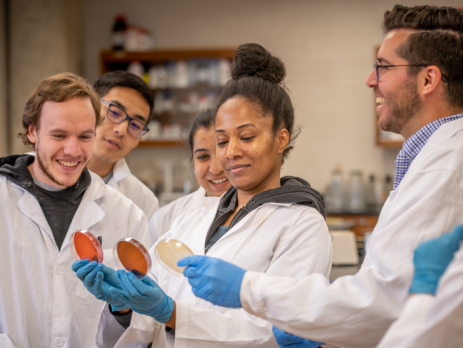
a group of scientists look at samples of petri dishes

Using genomics and machine learning to predict food-borne illness outbreaks

Each year about one in six Americans get sick from contaminated food. The germs that cause food-borne illnesses – like E. coli, salmonella and listeria – pop up throughout the food system. These outbreaks are hard to predict because scientists don’t yet know enough about how the germs survive and proliferate.  At the University of Maryland, researchers received funding from [...]

Read more...
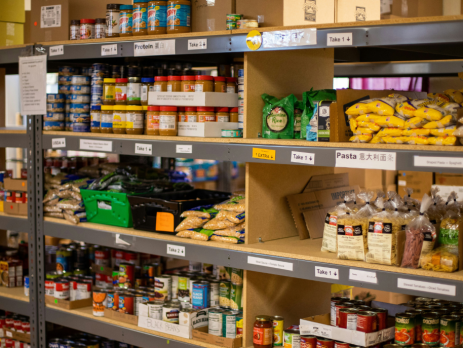
shelves of a food bank

Novel data set combines public and private food assistance measures

Determining whether food insecurity is a temporary event or a long-term condition for families is difficult given a lack of comprehensive food assistance information.  Researchers at the Cornell Agricultural Experiment Station in New York constructed a novel data set that matched Food Bank client use records from a six-county region with similar data of the Supplemental Nutrition Assistance Program (SNAP) [...]

Read more...
a flooded agricultural field

Cover crops help reclaim contaminated vegetable fields

When 84 Vermont vegetable farms were flooded by heavy rains, crops were destroyed on nearly 450 acres, at an estimated loss of $4.6 million. The flooded soil also became contaminated, affecting the safety of produce and soil nutrient levels. The loss represented about 10% of the state’s commercial vegetable production.  The University of Vermont Extension provided free soil testing to [...]

Read more...
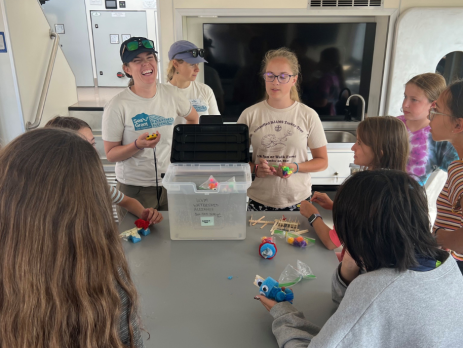
a group of students an instructor work on a project together

Using a floating classroom to inspire future stewards

The Lake Champlain basin is home to nearly 500,000 people in Vermont and New York, with almost half of this population relying on the lake for their drinking water. The lake also supports the region’s economy through jobs, recreation and enjoyment, all of which rely on current and future generations to maintain and protect the water’s quality and access.   University [...]

Read more...
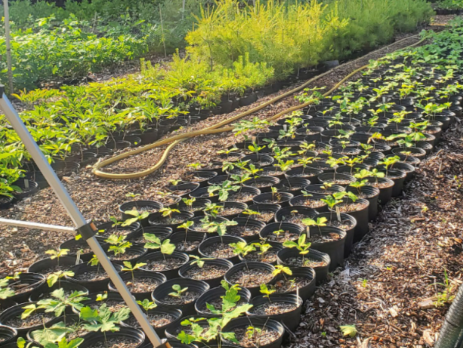
a row of potted sprouts in an experimental plot

Sourcing seeds to bolster Pennsylvania forest resiliency

Humans depend on forests for wood and other ecosystem services. In Pennsylvania, many forests suffer from insect infestations, diseases, invasive plants and climate impacts that have degraded their quality over time.   Many trees regenerate naturally, but planting trees will help to restore our forests. It’s seen as a valuable management strategy to bring the kind of species we want into [...]

Read more...
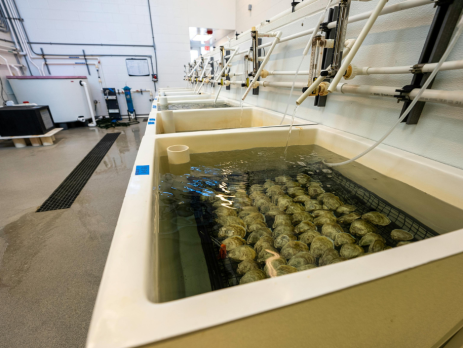
clams in an industrial sink

Creating biosecure standards for a growing aquaculture industry

Shellfish harvests contribute more than $1 billion annually to the New Jersey economy. Although wild caught harvests are sustainable, they are maxed out. A viable alternative is shellfish aquaculture, which can provide many environmental benefits, yet the growth of this type of farming relies on the hatchery production of seed or juvenile shellfish. Interstate transfer of seed stock to support [...]

Read more...
hemp

Helping hemp growers improve crop quality

Hemp, a non-psychoactive variety of Cannabis sativa L, has re-emerged as a popular crop after the 2018 Farm Bill granted hemp “crop status,” therefore removing it from the Drug Enforcement Administration list. It is sought after for a wide variety of consumer and industrial products including cosmetics, foods, fiber, building materials, biofuel and soil remediation. Vermont Agricultural Experiment Station scientists [...]

Read more...
a farmer pulls a plant from the ground

Reducing barriers to success for new farmers

Beginning farmers face an increased need for educational support and networking to remain profitable. Land-grant universities are working to understand and meet these individual and community needs. Here are a few examples of that work: In Wisconsin, Extension partnered with 12 agricultural associations and community organizations to facilitate focus groups exploring needs of beginning and early career farmers. They introduced Extension [...]

Read more...
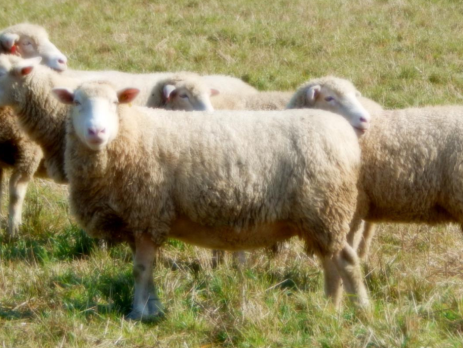
sheep in a field

Livestock education programs result in $1.5 million in savings

People need protein in their diet to maintain health. The Pennsylvania State University Livestock Extension team offered an array of educational programs to help beef cattle, goat, sheep and swine producers increase efficiency, profitability and produce a high-quality product. The team’s curriculum focused on basic production practices, reproduction, feeding, nutrition, health care, marketing practices and financial analysis. Online courses for [...]

Read more...
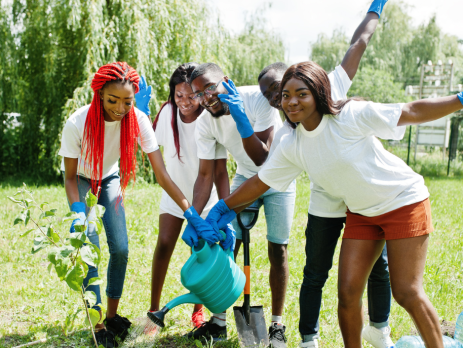
a group of teens water a recently planted tree

Youth for climate action empowers New York high school advocates for environmental change

Responding to climate change challenges, Cornell Cooperative Extension in New York initiated the Youth for Climate Action Program, empowering high school students to address environmental issues. The Youth for Climate Action Program equips high school advocates with tools to address climate challenges, fostering community engagement and promoting environmental awareness. In 2020, inspired by the Cornell Climate Stewards Program, Extension in [...]

Read more...
kids swimming in a natural body of water

Strengthening families through engaging programs

Research and Cooperative Extension professionals in the Land-grant University System are dedicated to developing innovative programs that impact diverse communities nationwide. This work helps improve the lives of youths and families by connecting them with educational resources and engaging opportunities. Here are a few examples of that work: In Oklahoma, the Co-Parenting for Resilience program is helping parents effectively cope with [...]

Read more...
young girl looks into a microscope

Strengthening communities by expanding access to education and resources

The Land-grant University System is helping make communities stronger by ensuring information and programs are accessible and beneficial to all. From making workplaces safer to bringing science education to new audiences to helping better connect residents with community resources, Extension professionals are keeping their mission to reach and serve all people top of mind. Here are a few examples of [...]

Read more...
Young child smiles holding vegetables

Strengthening Tribal communities through collaboration

Working with federally recognized Tribes, land-grant universities help provide evidence-based education and resources that represent the community’s history customs, governance system and food traditions. These programs promote and improve health, food security and sustainability for Tribal communities. Here are a few examples of that work: Representation and cultural relevancy for Tribal communities is critical for Extension outreach success. Health and nutrition [...]

Read more...