Tag - Crop Management

Topic

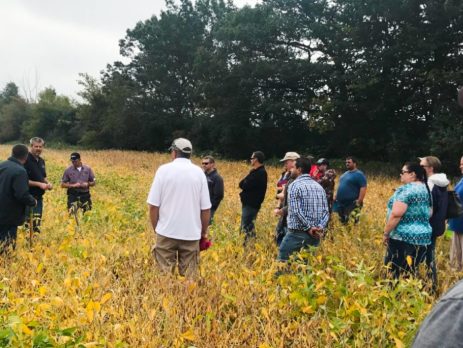
farmers watch a demonstration at a field day

Hands-on learning through trials and demonstrations

Lack of awareness and understanding of the latest research and technologies can impact profitability on small farms. Land-grant universities provide hands-on learning opportunities where producers can learn from one another, see real-time demonstrations and learn about the latest research trials to support decision-making. Here are a few examples of that work: Turmeric, a tropical plant that thrives in Guam, has been [...]

Read more...
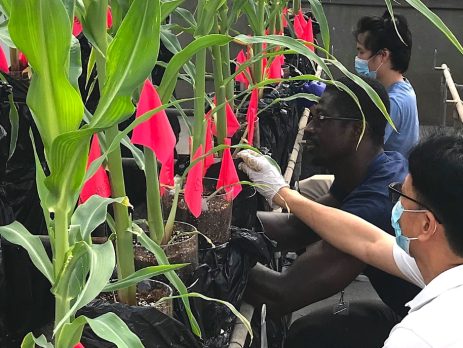
participants at Ginger Field Day participate in planting

Ginger fills a niche in North Carolina

Extension specialists in North Carolina led a program to help small and limited-resource farmers learn about growing ginger, a high-value specialty crop.   Since ginger is a tropical plant not traditionally grown in North Carolina, farmers learned site-specific techniques about propagation, seeding, transplanting in high tunnels, pest management and harvesting mature rhizomes. The Ginger Field Day 2025 increased farmer confidence, adoption [...]

Read more...
scientists examine plants grown with biochar

From field to fork: biochar strengthens the entire food system

Corn production is central to U.S. agriculture and food systems, yet its reliance on nitrogen fertilizer creates both economic and environmental challenges. While nitrogen is essential for high yields, corn typically uses less than half of the applied fertilizer. Unused nitrogen increases production costs and contributes to nutrient runoff, groundwater contamination, harmful algal blooms and ecosystem degradation. Producers and communities are [...]

Read more...
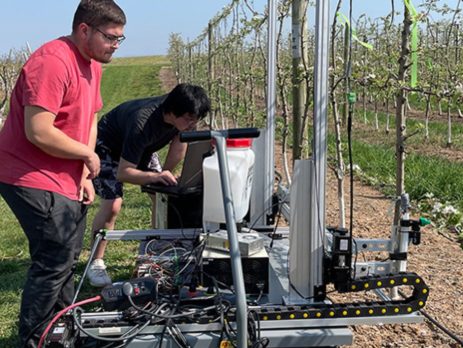
two scientists operate a robotic apple blossom sprayer

Emerging technology offers new tools for growers

Emerging technology is giving farmers tools to reduce the impacts of labor shortages, rising costs, changing weather patterns and regulatory demands, while improving production and profitability. These tools, using drones, robots, artificial intelligence and machine learning, offer a path to sustain productivity, worker safety and environmental performance in the agricultural economy. Projects demonstrate how these technical tools and artificial [...]

Read more...
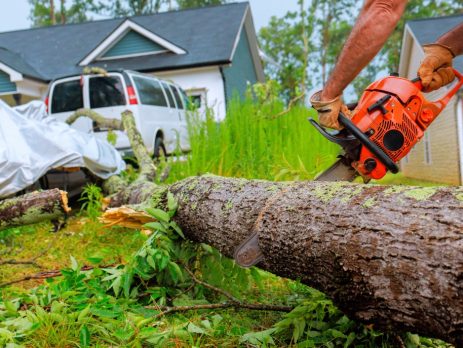
Worker cuts down fallen tree with chainsaw in suburban neighborhood after storm

Disaster response and recovery: partnering in times of local community need

As threats from wildfire and extreme weather increase, producers and communities need information to help prepare and resources to support recovery once impacted. Land-grant universities are responding with tools, resources, communications and staffing support that will strengthen resilience and long-term recovery. Here are a few examples of that work: In response to impacts from Hurricane Helene, Extension in Georgia mobilized to [...]

Read more...
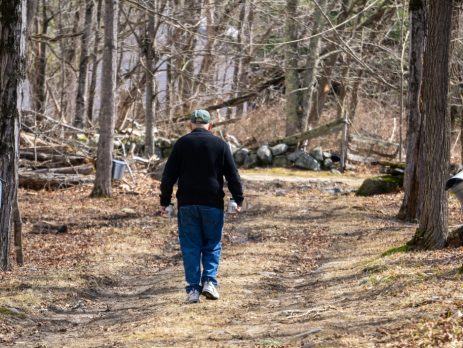
a man walking through forest with sugaring buckets

Designing multi-crop systems for sweet success in maple sugarbushes

Researchers at Cornell in New York are creating diversified agroforestry systems that can take advantage of the understory in maple stands or sugarbushes. While maple sugaring is a popular and growing sector, adding crops that can thrive under the trees can create more diversified lines of value-added maple products.   Over several years, multiple cultivars of 18 species of fruit- and [...]

Read more...
lettuce growing in a field

Decades of field data help desert lettuce growers improve pest control

Lettuce growers face recurring pest pressure from an array of insects that drive yield losses and high management costs. Long-term, field-based data has been used to identify emerging pest issues, evaluate management effectiveness, guide research priorities and strengthen integrated pest management (IPM) recommendations for growing lettuce in the desert areas of Arizona and Southern California.   For 19 years, University of [...]

Read more...
rice growing

Combating rice delphacid in the Southwest

Rice delphacid, an invasive insect that has caused economic damage in the Southwest, has received quick attention from Texas A&M AgriLife with response work focusing on trial research and producer education, as well as partnership and collaboration with the rice industry.  Due to rapid economic growth in the Houston area, the annual cost to produce a rice crop in Texas [...]

Read more...
Mario Soto and Aurelie Poncet with a plant and a light-emitting device.

Building resilient agriculture through pest management

Land-grant university pest management programs strengthen agricultural resilience by delivering research-based education that helps farmers manage pests more effectively and safely. These programs improve pest control decisions, reduce unnecessary pesticide use and minimize health and environmental risks—supporting healthier ecosystems and long-term productivity. Here are a few examples of that work: Louisiana State University’s AgCenter’s Field Crop Integrated Pest Management (IPM) Program [...]

Read more...
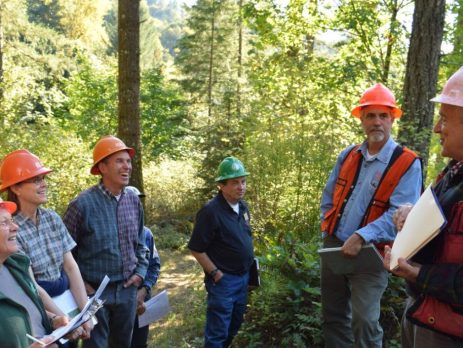
OSU Extension Master Woodland Managers attend a workshop.

Protecting private forests by growing good stewardship

More than half of forest land in the United States is privately owned. This land produces nearly all of the harvested timber that is used for building houses or made into forest products. Practicing good stewardship of private lands is important for ecosystem and community health. Because the more than 10 million private owners of these lands are often [...]

Read more...
Prairie strip in soybean field

Iowa researchers study how prairie strips can boost soil health

Prairie strips are narrow bands of perennial, herbaceous vegetation strategically planted within crop fields. Studies have demonstrated their benefits for erosion control, water quality and wildlife habitat.   However, their impacts on soil health were not well documented until Iowa State University scientists conducted a comprehensive study. They examined 15 sites encompassing a range of Iowa landforms, each consisting of a [...]

Read more...
a group of participants in a field examine cover crops

Illinois study finds cover crop adoption doubles

Cover crops improve soil health and water quality. They also reduce greenhouse gas emissions. But only about 5% of U.S. agricultural lands use them, despite billions of dollars in annual federal investments through efforts like cost-share and incentive payments to farmers.  University of Illinois Urbana-Champaign researchers in a new, first-of-its-kind study, say investing in farm demonstration networks can bolster cover [...]

Read more...
The top of a Pheonix canariensis palm tree due to Thielaviopsis trunk rot.

Florida researchers find a speedier way to screen palms for disease resistance

Florida’s iconic palms are under attack by Thielaviopsis trunk rot, a fungal disease that causes plants to collapse and die suddenly. With little information known about disease resistance in palms, homeowners and landscapers were left without guidance on which species are more resilient in the face of the new threat.  Researchers at the University of Florida Institute of Food and [...]

Read more...
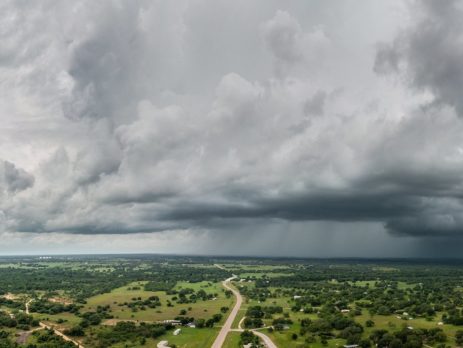
storm over farmland

Preparing for extreme weather

Extreme weather can affect communities, farms, businesses and livelihoods. These weather events, such as drought, wildfires and flooding can pose harm to people, livestock, plants and water quality. As extreme weather becomes more frequent and more intense, land-grant universities are equipping farmers, ranchers and communities with the proper tools to be prepared for and recover from its impacts. Here are [...]

Read more...
a person cooking on a cast iron skillet

Preserving food traditions

America’s heritage is deeply rooted in food. It’s important for people to learn where food comes from, how it is produced and how to prepare it. Land-grant universities are connecting youth and adults to these traditions to sustain agricultural knowledge while preparing the next generation with practical skills, responsibility and leadership capacity. Here are a few examples of that work: For [...]

Read more...
a purple flowering plant

Research provides more sustainable pest management options

Agricultural land and natural ecosystems face growing threats from invasive and noxious grasses and weeds, feral animals, pests and diseases that impair ecosystem services and agricultural productivity. Chemical pesticides can pose human and environmental health risks. Land-grant university research had led to findings, tools and strategies for managing pests more sustainably. Here are a few examples of that work: Research and [...]

Read more...
crops growing out of dry, cracked soil

Understanding and identifying solutions for weather impacts on agriculture

Drought, severe weather and wildfires can have significant economic impacts on agriculture. Research and educational programming by land-grant universities helps us understand these effects and strengthen resilience. Here are a few examples of that work: Red clover, a commonly used forage crop in the northeastern U.S., increases its phytoestrogen levels under drought conditions, potentially affecting livestock reproductive health. The economic impact [...]

Read more...
a scientist examining plants in a controlled environment agriculture setting

Advancing sustainable food production in soilless environments

Land-grant universities across the nation are working to make the food supply more secure by exploring the best ways to produce crops without soil. Hydroponic and aquaponic systems have many benefits, including reducing the inputs and space needed to produce food. Researchers are studying how to make the foods grown in these controlled environments safer and better. Extension personnel [...]

Read more...
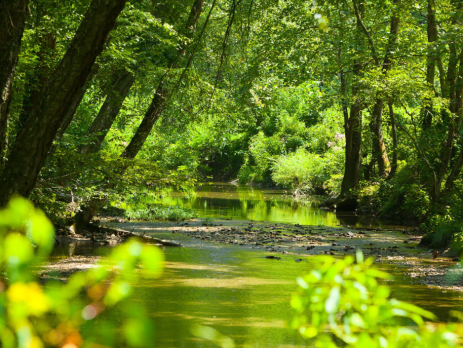
a creek through the woods

Precision monitoring aids decision makers and stakeholders in protecting key watersheds

Nutrient pollution, biodiversity losses and weather variability pose extraordinary challenges for the sustainability of natural ecosystems and the species that inhabit them. Land-grant universities are developing and applying emerging technologies that can help to more efficiently, accurately and safely monitor, measure and precisely manage these systems with minimal environmental impact. Here are a few examples of that work: To better understand [...]

Read more...
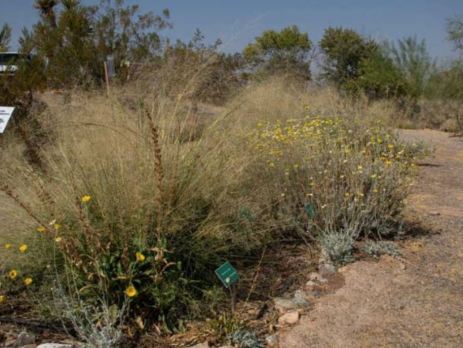
flowering plants growing in the desert

Extension programs help producers, communities manage pests sustainably

Agricultural land and natural ecosystems face growing threats from invasive and noxious grasses and weeds, feral animals, pests and diseases that impair ecosystem services and agricultural productivity. Chemical pesticides can pose human and environmental health risks. Extension educators at land-grant universities help agricultural producers and communities develop and implement pest management strategies that are cost-effective but also minimize risks. Here [...]

Read more...
a small body of water

Protecting valuable water resources

Water resources that sustain agriculture and communities continue to face critical challenges. Land-grant universities are working to discover new ways to increase water use efficiency, reduce water use and protect water quality. Here are a few examples of that work: Researchers at Cornell University in New York engineered novel enzymes that can break down microplastics into small products that can be [...]

Read more...
an experimental setup for plant growth

Land-grant university research creates sustainable domestic products from agricultural waste and biomass

Petroleum and other nonrenewable materials are widely used for daily products, but many of these items can be made from biomass, including food and agricultural wastes. Bioproducts enhance energy, food and national security while reducing fossil fuel reliance and emissions. They also create jobs, boost the economy, provide farmers with extra income and reduce harmful disposal methods. Here are a [...]

Read more...
a person watching the "Field Crops Virtual Breakfast" on a laptop

Virtual education programs reach clientele where they live

Since 2020, virtual education has increasingly helped land-grant university research and Extension programs be more available to clientele where they live. These virtual programs are user-friendly and can be tailored to an audience’s educational level. By creating a virtual series that is informative and interactive, land-grant universities can significantly enhance the reach and impact of research and Extension information. Here [...]

Read more...
fruit growing on a tree

Specialty crop growers benefit from land-grant university research

Scientists at land-grant universities are responding to local grower needs to strengthen specialty crop quality and economics. Here are a few examples of that work: Researchers in New York are studying a new threat to vineyards. Research on how the disease is spread through hoppers led to recommendations on management practices to manage the virus spread.Cornell AgriTech. See full statement.   Two-thirds of [...]

Read more...
a ladybug

Land-grant universities offer solutions for pest management

Land-grant university pest management programs promote sustainable agriculture. In particular, research-based education helps farmers use pesticides more effectively and safely, improving pest control efficiency and reducing human and environmental exposure to chemicals that can pose health risks. Overall, these practices foster more sustainable farming, leading to healthier ecosystems and improved long-term agricultural productivity. Here are a few examples of that [...]

Read more...