Tag - 1890

Region

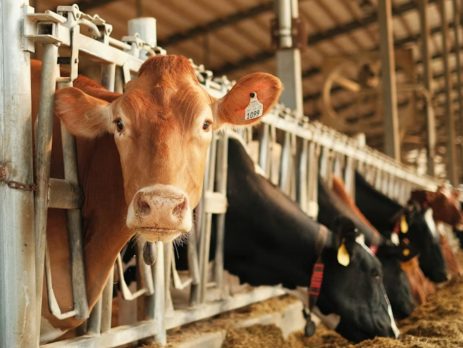
dairy cows in a barn

Supporting meat and dairy industries

Meat and dairy provide critical protein and a wide variety of other products for consumers and represent economically important industries across the country, not just for producers, but also for processors, groceries and restaurants. Research and Extension professionals at land-grant institutions support livestock and related industries in many ways through education on economically efficient production practices and research on [...]
Read more...

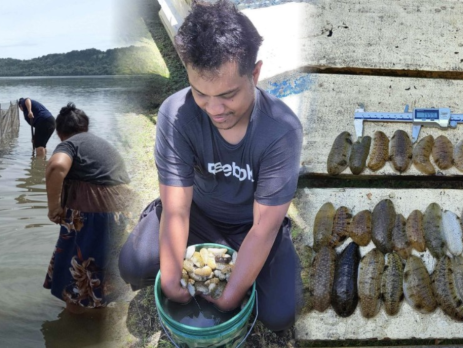
Making aquaculture more productive, safe and economical

The seafood industry is economically vital and provides an important source of protein for the world. Challenges to aquaculture include inefficient production methods, expensive feed inputs and food safety. Land-grant efforts are protecting and promoting this booming industry. Here are a few examples of that work: As feed is the most expensive cost of aquaculture, researchers in Alabama are developing feeds [...]

Read more...
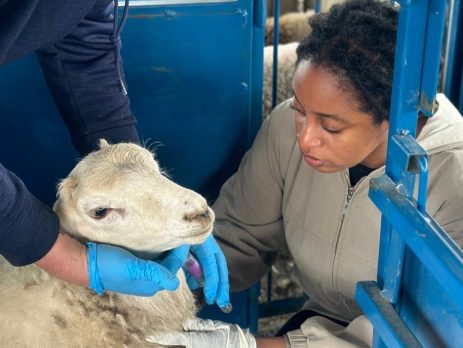
a vet giving a sheep a vaccine

Enhancing food safety with research and training

The United States food supply is among the safest in the world, but every day news stories report food recalls for a variety of safety reasons. Food safety must be maintained through every step of the production process, and land-grant institutions are the key to research and training that helps the food industry provide safe, healthy food. Here are a [...]

Read more...
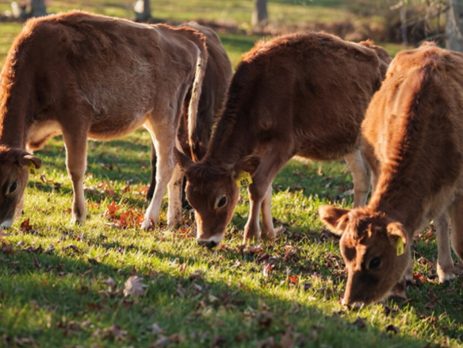
cattle in a field

Tech solutions for livestock management

Livestock producers face challenges such a shrinking labor force, limited veterinary access and rising costs. Artificial intelligence, precision agriculture technologies and genome sequencing have shown promise in improving livestock management, but up-front costs have generally restricted adoption to large-scale dairies. Small farms need economically feasible, effective tools tailored to their specific operations. Here are a few examples of that work: Researchers [...]

Read more...
A smiling woman in a green shirt and maroon cap crouches in a sunny field, harvesting a head of deep red leaf lettuce. She is working in a well-tended garden plot with irrigation lines, representing local agricultural impact and food production

Strengthening the agricultural workforce for the future

The workforce is changing. Across industries and states, trained workers are in demand to support local food systems, meet community needs, ensure safety and increase productivity. Land-grant universities are rising to the challenge of meeting these needs through partnerships, trainings, certifications and hands-on learning opportunities that strengthen the agricultural workforce. Here are a few examples of that work: Health and safety [...]

Read more...
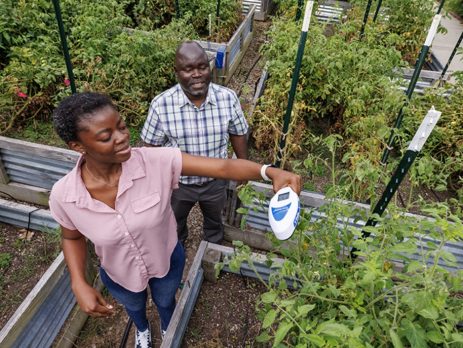
Blessing Masasi, Ph.D., N.C. A&T State University Department of Natural Resources and Environmental Design, right, and graduate student Anuoluwapo Adelabu check hydration levels in tomato plants, using a handheld device.

Smart irrigation helps farmers save water

Many farmers rely on traditional methods to decide when to irrigate their fields, using visual cues like wilting leaves or the feel of dry soil. But these methods lack the precision necessary to preserve water resources and may not meet the needs of crops.   North Carolina A&T Cooperative Extension researchers are using sensor technology and soil data to help farmers [...]

Read more...
berries on the vine

New fruit, vegetable cultivars offer new opportunities for growers

Developing or restoring different fruit and vegetable cultivars allow farmers to plant crops based on disease resistance, fertilizer requirements, adaptations to site-specific soil and weather conditions or greater yields. Some cultivars can be a pathway to new market opportunities and new bio-based products. Here are a few examples of that work: Hemp is re-emerging as the basis of a viable industry [...]

Read more...
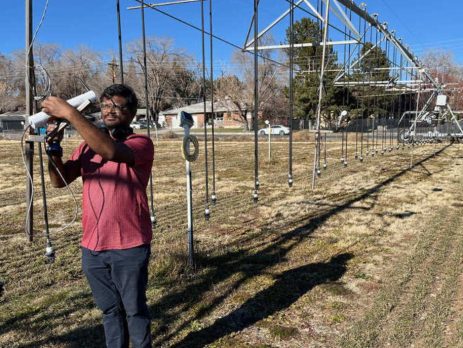
a researcher examines equipment for irrigation measurement

Informed decisions to optimize water use and irrigation investments

Harsh weather conditions and limited water access are driving research and technology innovation that will help farmers and producers make informed decisions about irrigation investments and how to optimize water use efficiency.   In Nevada, water is so limited that inefficient use of irrigation water can reduce crop yields and threaten a farm’s financial viability. Traditional irrigation systems assume uniform field [...]

Read more...
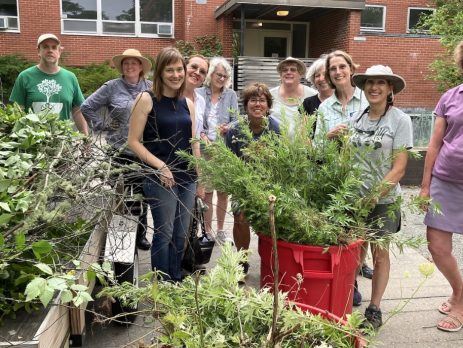
a smiling group of master gardeners

Horticulture programs sprout more resilient communities

Local horticulture is an important tool to combat food insecurity in underserved communities, while boosting environmental sustainability and community health. Volunteers with horticulture training through Extension Master Gardener programs partner with local organizations, schools and vulnerable communities to grow and distribute locally grown produce as well as create jobs.  Here are a few examples of that work: The Master Gardener program [...]

Read more...
farmers watch a demonstration at a field day

Hands-on learning through trials and demonstrations

Lack of awareness and understanding of the latest research and technologies can impact profitability on small farms. Land-grant universities provide hands-on learning opportunities where producers can learn from one another, see real-time demonstrations and learn about the latest research trials to support decision-making. Here are a few examples of that work: Turmeric, a tropical plant that thrives in Guam, has been [...]

Read more...
two smiling Extension agents in a community garden

Growing food security in urban spaces

Urban communities continue to face persistent constraints related to food access, limited growing space and water availability. Urban, small-scale food production, including controlled environment agriculture such as greenhouses and vertical farming, is a rapidly growing part of local food systems. These systems support food security, environmental sustainability and community resilience. Here are a few examples of that work: A program to [...]

Read more...
participants at Ginger Field Day participate in planting

Ginger fills a niche in North Carolina

Extension specialists in North Carolina led a program to help small and limited-resource farmers learn about growing ginger, a high-value specialty crop.   Since ginger is a tropical plant not traditionally grown in North Carolina, farmers learned site-specific techniques about propagation, seeding, transplanting in high tunnels, pest management and harvesting mature rhizomes. The Ginger Field Day 2025 increased farmer confidence, adoption [...]

Read more...
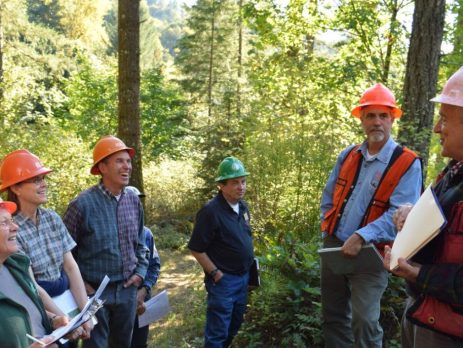
OSU Extension Master Woodland Managers attend a workshop.

Protecting private forests by growing good stewardship

More than half of forest land in the United States is privately owned. This land produces nearly all of the harvested timber that is used for building houses or made into forest products. Practicing good stewardship of private lands is important for ecosystem and community health. Because the more than 10 million private owners of these lands are often [...]

Read more...
two UAPB athletes speaking at a meeting

Land-grant universities educate individuals and communities about health, nutrition and chronic disease prevention

Many American individuals and communities struggle with building or maintaining healthy lifestyles that contribute to better health outcomes. A lack of awareness of health information and resource constraints limit people’s abilities to eat healthy foods or get enough physical activity. Extension leaders from 1890 land-grant universities are bringing information to communities struggling with high rates of obesity and chronic [...]

Read more...
Tahirah Johnson examines testing samples under a magnifying glass in a research lab on the University of Maryland Campus in 2024.

Innovative methods for safer, healthier food production practices

Regional food production is critical to local economies and supporting American food systems. Rising reports of foodborne illnesses, increased antibiotic resistance and newer production systems like soilless agriculture necessitate a better understanding of the risks and options to improve the safety and health value of food products from produce to shellfish and tree nuts. 1890 land-grant universities are examining [...]

Read more...
a person cooking on a cast iron skillet

Preserving food traditions

America’s heritage is deeply rooted in food. It’s important for people to learn where food comes from, how it is produced and how to prepare it. Land-grant universities are connecting youth and adults to these traditions to sustain agricultural knowledge while preparing the next generation with practical skills, responsibility and leadership capacity. Here are a few examples of that work: For [...]

Read more...
Fort Valley State University scientist harvesting a ripe peach on the campus research plot.

Addressing food insecurity to drive community impact

Food security is fundamental to the health, resilience and economic vitality of rural and urban communities. Across the United States,1890 Land‑grant Universities are uniquely positioned to meet this critical need by advancing research, education and Extension programs that connect communities to practical solutions and sustainable food system innovations. Here are a few examples of that work: When food insecurity hits, older [...]

Read more...
a piggy bank with the "Financial Literacy in Progress" logo

Empowering economic resilience through Extension

Across 1890 land-grant universities, Extension programs play a critical role in strengthening economic stability by delivering trusted, community-based education and technical assistance to underserved rural and urban populations. By expanding access to financial literacy, farm management training and wealth-building resources, these efforts empower families and producers to make informed decisions, protect assets and build long-term resilience that supports community [...]

Read more...
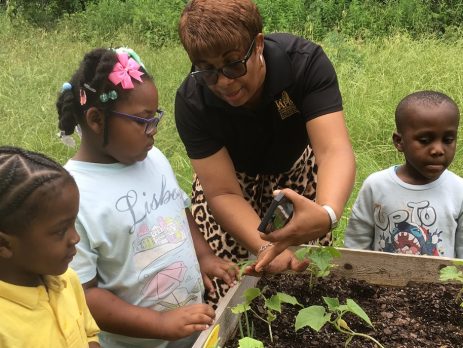
preschoolers look at plants in a raised bed

Strengthening youth development through experiential learning

Experiential learning equips young people with hands-on skills, critical thinking abilities and real-world problem-solving experiences that strengthen academic success, workforce readiness and lifelong learning. Through community-based programs, 1890 land-grant universities play a vital role in ensuing opportunities by connecting research, Extension, and education to support youth and prepare the next generation of leaders. Here are a few examples of that [...]

Read more...
a young boy uses a laptop

Empowering communities by advancing digital literacy

Digital literacy is essential to economic mobility, civic engagement and workforce readiness in today’s communities. Extension programs at 1890 land‑grant universities play a vital role in expanding opportunities in rural and urban communities to build technology skills and support workforce development. Here are a few examples of that work: In Georgia, an Extension initiative is strengthening connectivity and technology skills across [...]

Read more...
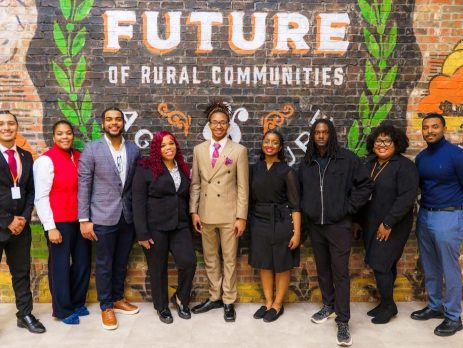
a group of smiling students

Advancing higher education and career readiness

Sectors across the agricultural landscape need more educated and skilled workers to support our national and local food systems. 1890 land-grant universities offer different pathways to introduce students to career opportunities and prepare them for employment. Here are a few examples of that work: In Tennessee, Extension leaders brought a cohort of undergraduate students to the Farm Credit Mid-America headquarters to [...]

Read more...
a group of children smile around a science experiment

Land-grant universities support youths, build stronger communities

The Land-grant University System plays a crucial role in equipping young people with the skills, knowledge and leadership abilities they need to thrive in their personal and professional lives. Here are a few examples of that work: In North Carolina, the Bertie DigiCon provided residents with tools and resources to overcome digital barriers. The event raised funds for youth development and [...]

Read more...
view of tree canopy from below

Private land stewardship protects environment and communities

Practicing good stewardship of private lands is important for the health of our ecosystems and communities. Researchers, Extension professionals and educators at land-grant universities across the United States provide training, tools and other resources to help private landowners manage their land in ways that are environmentally friendly and economically sustainable. Here are a few examples of that work: Extension professionals in [...]

Read more...
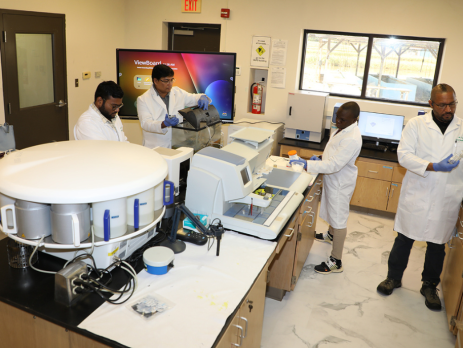
scientists in a lab

Harnessing artificial intelligence for agricultural innovation

Land-grant universities are leveraging artificial intelligence (AI) to improve agricultural efficiency, productivity and sustainability. Here are a few examples of that work: In Georgia, researchers are developing an AI-powered app to help farmers accurately identify Sericea lespedeza, a valuable forage crop with natural anthelmintic properties, reducing time ad labor costs.Fort Valley State University; USDA Capacity-Research. See full statement.   In Arkansas, researchers are [...]

Read more...
a scientist examines a sample

Land-grant university research uses natural methods to combat issues in antimicrobial resistance

Resistance to commonly used antimicrobials is a growing threat to human health. Researchers at land-grant universities have identified natural substances that can be used to fight bacteria and other microbes. These alternatives may be more sustainable options as they could pose fewer health risks and help limit the spread of antimicrobial resistance. Reducing antimicrobial resistance is key to preserving [...]

Read more...