Tag - Southern

Region

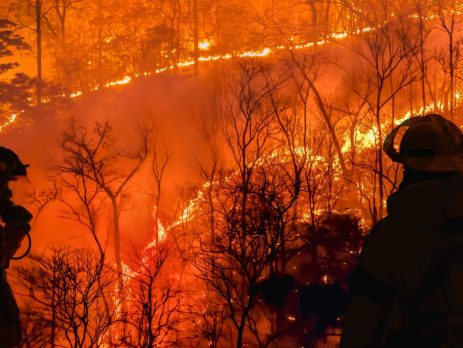
wildland firefighters

Protective clothing for wildland firefighters

Wildland firefighters face escalating health risks as fire seasons lengthen and fires become more intense. Their work demands long shifts involving strenuous physical labor — hiking, digging, carrying heavy packs and operating equipment — with exposure to extreme heat, dense smoke, humidity, high altitude and rough terrain. These conditions heighten the risk of heat stress, respiratory issues, dehydration, musculoskeletal [...]

Read more...
girl slicing a pepper and other vegetables

Peer-led program encourages healthier snack choices

In Louisiana, the Children, Youth and Families at Risk (CYFAR) grant, leveraged by support from the LSU AgCenter, encourages youth to create positive change in their communities. At one school, CYFAR students noticed a growing issue: Many of their peers were choosing unhealthy snacks during the school day.   To encourage better choices, the students created a “Healthy Snack Swap Challenge.” [...]

Read more...
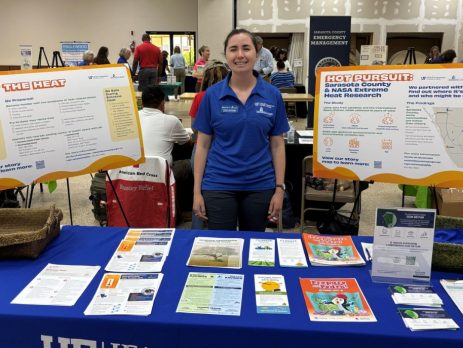
Extension agent at a table plans to talk to people about how Sarasota County is helping mitigate the urban heat island effect.

Mitigating urban heat island effects

Extreme heat is a concern in Sarasota County, Florida. In 2023, the county experienced 63 consecutive days with a heat index above 100°F and a full week exceeding 110°F. Projections indicate there may be as many as 131 extremely hot days expected annually by mid‑century. Because extreme heat is the deadliest weather-related hazard in the United States, understanding who [...]

Read more...
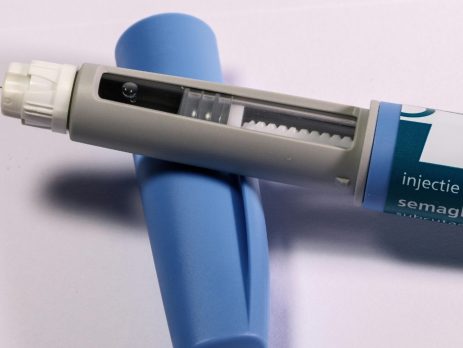
GLP injector

Medications for type-2 diabetes, weight loss also impact food preferences

As the popularity of medications such as Ozempic and Wegovy (glucagon-like peptide-1 receptor agonists or GLP-1s) rises, questions have emerged about how these drugs affect food preferences and consumption. While earlier research established that GLP-1s suppress appetite and promote weight loss, little was known about their influence on specific food categories and overall dietary behavior. This gap limited the [...]

Read more...
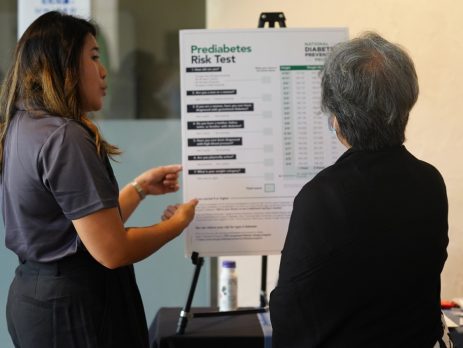
an Extension educator talks toa community member about a prediabetes risk test

Land-grant universities improve lives through diabetes education, prevention

More than 38 million Americans have diabetes, and nearly 98 million have prediabetes, which costs the U.S. $412.9 billion annually between health care and lost productivity. Those affected often lack access to education that supports day-to-day diabetes self-management. Complications can include kidney disease, heart disease, loss of limbs and vision loss. This prevalent chronic disease is a major contributor [...]

Read more...
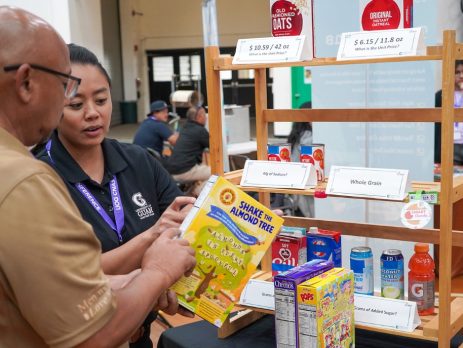
an Extension agent shows a member of the public how to read a nutrition label on a box of cereal

Improving food and nutrition knowledge and skills

The Expanded Food and Nutrition Education Program (EFNEP) helps adult and youth participants improve their nutrition and health. It promotes budget-friendly food choices by teaching skills in how to plan meals, shop wisely, and prepare affordable, nutritious foods. It empowers participants and builds self-confidence, leadership and lifelong healthy habits. By teaching food resource management and efficient use of available [...]

Read more...
a scientist examines a test tube

Gut microbial research promotes better health, prevents chronic illness

Gut microbial research is important because the microbes living in the digestive system play a central role in human and animal health. They help regulate metabolism, support immune function and protect against harmful pathogens. Understanding the gut microbiome can reveal early markers of disease, improve nutritional strategies and guide the development of personalized medicine. Research also shows strong links [...]

Read more...
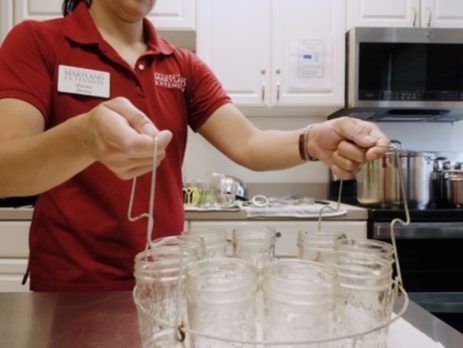
UME Agent, Shauna Henley, preparing mason jars for sterilization

Extension trainings keep Americans safe from foodborne illness

Foodborne illness is a widespread, costly public health concern in the United States. Each year, one in six Americans becomes sick from contaminated food, leading to hospitalizations, long-term health complications and even death. Pregnant women, the elderly, young children and people with weakened immune systems or chronic diseases are most at risk. Because food safety risks can occur at [...]

Read more...
4-H teens and instructor baking

Extension programming educates, empowers teens to make informed health choices in supportive environments

Teenage youth are one of our greatest resources for influencing change that leads to healthier communities; they are our next generation of leaders. When creating programming for older youth, Extension specialists take into consideration the unique physical, emotional and social changes during adolescence to tailor programming effectively. Across the country, Extension is tackling health issues for teenagers with innovative [...]

Read more...
an Extension agent shows youths plants from a community garden

Encouraging health and wellness in U.S. youth through hands-on activities, education

One in five school-aged children nationally suffer from obesity, and regular physical activity and balanced diets can lead to improved focus, behavior, self-esteem and academic performance. Encouraging healthy behaviors at an early age fosters a value for physical activity, healthy eating and preventive habits. These healthy behaviors can lead to fewer chronic diseases, resulting in lower health care costs and a [...]

Read more...
holding hands for support

Building networks to aid mental health strengthens communities

Mental health challenges affect individuals and families across the country, yet stigma and lack of knowledge often prevent people from seeking or offering help, especially in rural communities with fewer mental health resources. At land-grant universities across the U.S., Extension programming works to equip individuals to recognize, respond to and support those experiencing mental health or substance use issues through [...]

Read more...
peanuts

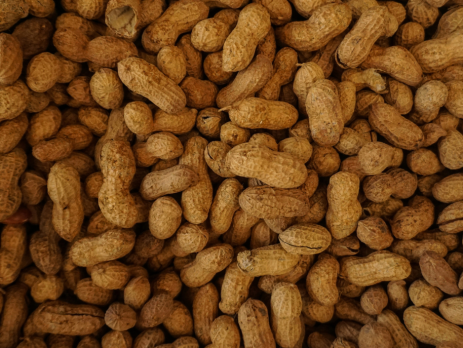
Wild peanut varieties source of disease resistance

Cultivated peanuts are plagued by diseases and pests, which make them expensive to grow as use of chemical controls account for more than 30% of the cost of production. Peanuts have little genetic variety, so there is a small pool of resistance genes to combat sickness in this plant.  Wild peanut species, on the other hand, have strong resistances to [...]

Read more...
soybeans

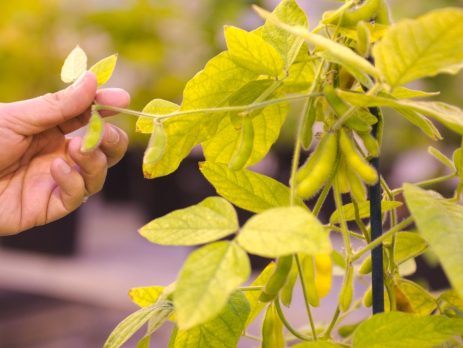
Using genetics for crop disease resistance

Pests of major crops, including wheat, soybean, potatoes, tomatoes and wine grapes, cost American producers billions in yield losses each year and raise prices for consumers. Pathogens are steadily overcoming current genetic sources of resistance, making continuing efforts to identify and incorporate new genetics critical to reduce losses to farmers and protect markets and food security. Here are a few [...]

Read more...
screwworm fly

The U.S. prepares for a potential screwworm outbreak

As a New World Screwworm (NWS) outbreak spreads from Central America to Mexico, states in the Southwest are ramping up efforts to raise awareness among livestock producers of the current status, management methods and the impacts this devastating pest may have on livestock in the event of a U.S. outbreak.  Numerous presentations have been offered in-person and online in Oklahoma [...]

Read more...
dairy cows in a barn

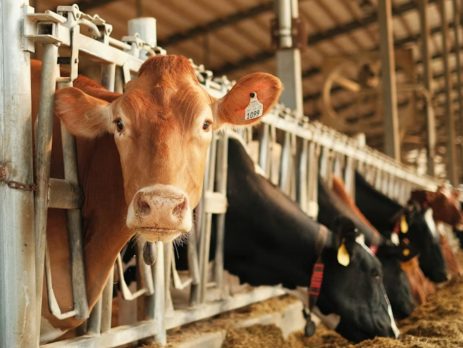
Supporting meat and dairy industries

Meat and dairy provide critical protein and a wide variety of other products for consumers and represent economically important industries across the country, not just for producers, but also for processors, groceries and restaurants. Research and Extension professionals at land-grant institutions support livestock and related industries in many ways through education on economically efficient production practices and research on [...]

Read more...
a person wearing PPE examines goats in a barn

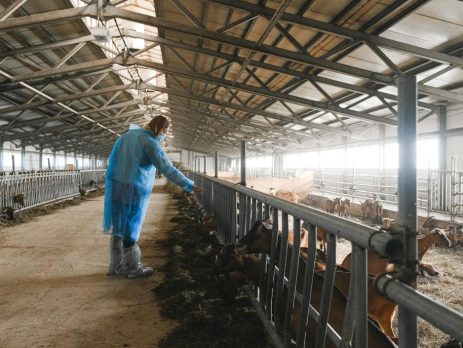
Safeguarding farms through improved biosecurity

The University of Arkansas Cooperative Extension Service has been stepping up producer education in biosecurity and agroterrorism, and pest and disease surveillance and control, to safeguard the state’s agriculture and economy. Representatives from more than 100 counties and different agricultural sectors have participated in new agro- and bioterrorism training to increase awareness and expertise related to emerging risks in [...]

Read more...
Braham Dhillon, a molecular plant pathologist at UF/IFAS Fort Lauderdale Research and Education Center, demonstrates Robigus from his desktop.

New Robigus app allows viewers to track invasives, crop diseases worldwide

Plant diseases pose a global threat to food security, yet critical data on outbreaks are scattered across thousands of journals and reports. This fragmentation makes it difficult to access timely information about the disease, delaying the search for treatments and potential best management control practices.  The new app Robigus, developed by a researcher at the University of Florida Institute of [...]

Read more...

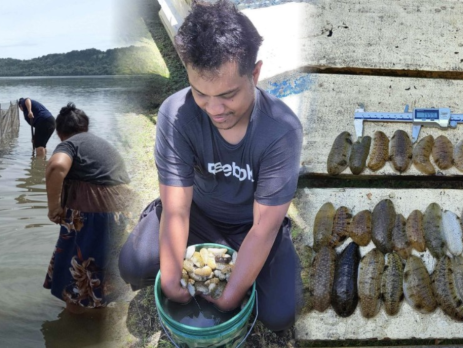
Making aquaculture more productive, safe and economical

The seafood industry is economically vital and provides an important source of protein for the world. Challenges to aquaculture include inefficient production methods, expensive feed inputs and food safety. Land-grant efforts are protecting and promoting this booming industry. Here are a few examples of that work: As feed is the most expensive cost of aquaculture, researchers in Alabama are developing feeds [...]

Read more...
grapes on the vine

Disease-resistant wine grape reduces losses in Florida

Pierce’s disease devastates grapevines in warm, humid regions like Florida, making wine grape production nearly impossible without costly interventions. This disease forces growers to rely on chemical treatments and limits the viability of vineyards in the Southeast.  Plant breeders there successfully grew a new wine grape variety with genetic resistance to Pierce’s disease while maintaining desirable wine-making qualities. They used [...]

Read more...
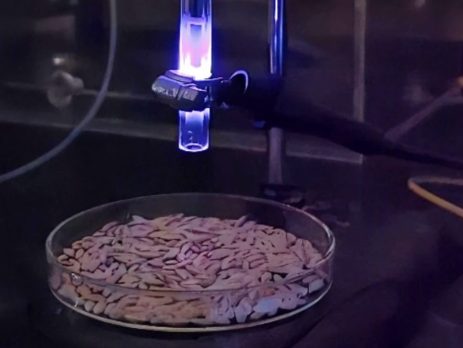
A glass tube with a glowing blue ejects plasma downward to a dish of rice seeds.

Cold plasma-treated rice seeds inhibit fall armyworm, improve early crop vigor

Fall armyworm, a major crop pest particularly damaging in rice, often requires repeated insecticide applications for control. Plasma — the same electrically charged matter responsible for the northern lights — may offer a new way to support crop growth and reduce damage from this major pest, according to Arkansas Agricultural Experiment Station researchers.   Scientists exposed rice seeds to atmospheric cold [...]

Read more...
kebabs

Bots for kebabs

Consumer demand is strong for grilled kebabs — meat and vegetable cubes on skewers — that require highly labor-intensive tasks and complex hand-eye coordination. This repetitive, low-skilled job of producing kebabs is getting harder to fill, and even the existing semi-autonomous skewering systems require human handling and oversight. Food processing companies are increasingly recognizing the need to fully automate [...]

Read more...
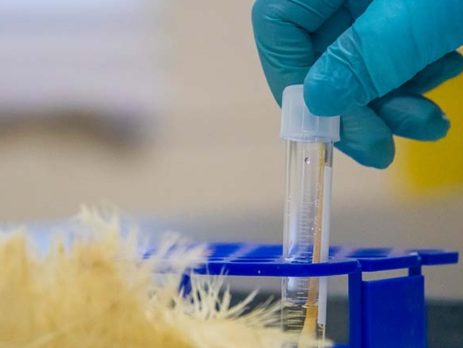
Scientists test a sample for C. perfringens at the MAFES H. H. Leveck Animal Research Center.

Billion-dollar bacterial test for poultry

Necrotic enteritis (NE) is estimated to cost $6 billion in annual losses to the poultry industry, where it causes the death of cells and tissue in the bird’s intestinal lining. It thrives in birds with prior gut damage and those that feed on diets high in wheat or fishmeal. Often, birds do not display symptoms until they have already [...]

Read more...
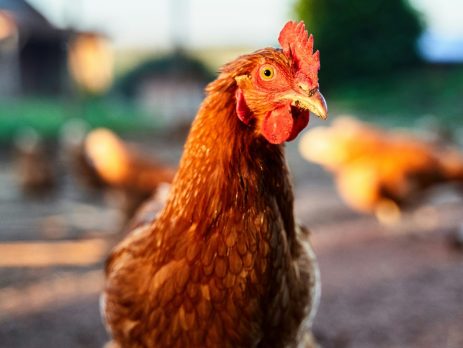
chicken

Artificial intelligence helps protect from Avian influenza

In the fight against the costly impacts of avian influenza, protecting poultry flocks from contact with wild birds is an important deterrent. However, the methods for effectively controlling wild birds are limited. In Georgia, researchers developed a novel method for detecting wild birds on farms, using night vision technology and artificial intelligence.  To aid in monitoring wild bird activities near [...]

Read more...
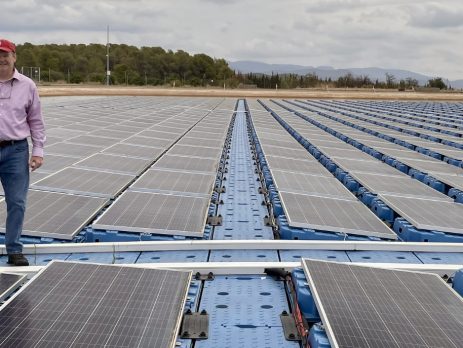
Mike Popp stands on a floating solar array with trees and mountains in the background.

Promoting research-based solar development

With the growth and expansion of solar energy production, producers and consumers in rural areas frequently express concern over whether solar development may compete with farmland availability or affect property values and local economies. For example, solar growth in Arkansas included 1,100 megawatts added in 2024, prompting questions about its impact on agricultural land use.  To address these concerns, a [...]

Read more...
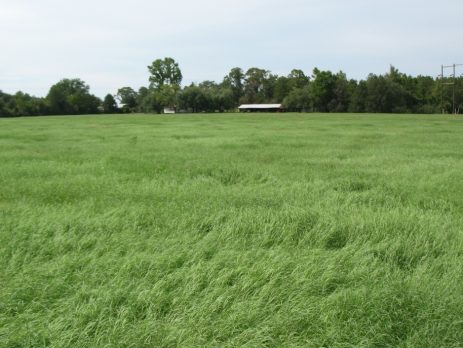
bermudagrass field

Texas livestock, forage producers focus on profitability

Forage production for livestock in Texas is a necessity and expensive. The annual cost of producing Bermudagrass forage per acre can span $200 to $450 when factoring in land costs, fertilization practices, machinery, expenses and variety grown. The cost of weed control in a pasture or hay meadow typically ranges from $5 to $24 per acre for herbicide alone.  The [...]

Read more...