Tag - South Dakota State University

Institution

young child walking in strawberry patch

Land-grant university research and Extension support resilience for youths, families and communities nationwide

Here are a few examples of that work:  The effectiveness of the Department of Defense’s Military Family Readiness System depends on well-trained Extension professionals with research-based tools and resources. Extension specialists in Kentucky contributed by providing personal finance training to military service providers so they can pass on knowledge, tools and resources that help military families prevent and navigate financial [...]

Read more...
Healthy foods and exercise equipment.

Land-grant university research and Extension strengthen nutrition, health and well-being

Chronic diseases are the leading cause of illness, disability and death in America. Research and Extension are fighting back. Over half of adults who participated in a Texas diabetes education program now choose healthier foods, monitor glucose levels during exercise, and control their diabetes to avoid interference with daily life. These changes could help participants save up to $94,021 in [...]

Read more...
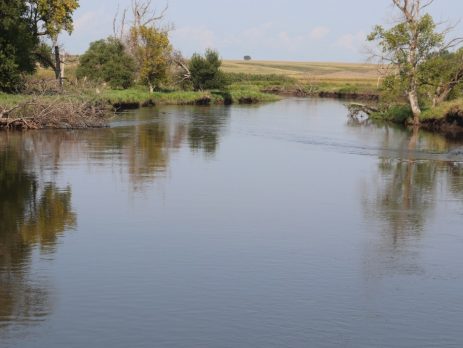
A river bisects a field and forested riparian area

Research and Extension support resilient ecosystems

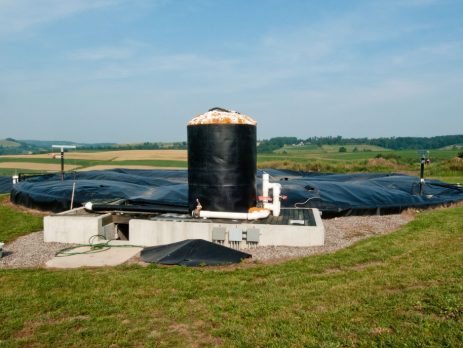
Recent studies and programs are conserving and protecting water used for drinking, fishing, irrigation and recreation.  Washington research helped establish 25 anaerobic digesters across the Pacific Northwest, turning dairy manure from more than 143,000 cows into biogas that provides more than 126 million kilowatt-hours of renewable energy per year. Digesters decrease water quality risks associated with nutrient runoff from manure [...]

Read more...

Land-grant university research and Extension drive new biofuels, bioplastics, biochar and other bio-based products, strengthening rural economies, environmental health and energy security

Here are a few examples of that work:  Partnering with a private company, scientists in Pennsylvania roduced and tested biomaterials to replace single-use, petroleum-based plastics. New composites made from cellulose and starch have improved stability and barrier properties and have been developed into compostable food packaging and handling products; adhesives and foams for packaging, wood composites and construction materials; and [...]

Read more...
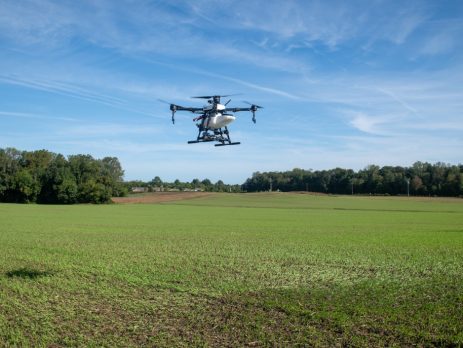
A drone flies over a field.

Research and Extension make agricultural systems more efficient, profitable, competitive and resilient

Strategies and tools for managing crop pests and diseases have increased productivity and profitability. For example: Extension units across the nation offer plant and pest diagnostic clinics. In New Mexico, free diagnoses saved producers an estimated $36,000 in testing fees in 2025, while also supporting biosecurity and export compliance. In Indiana, lab results and recommendations saved clients $890,000 in reduced [...]

Read more...
a woman paying bills

Improving financial literacy and well-being in adults

Adults in the U.S. often struggle with financial well-being. They face challenges including insufficient savings, debt struggles and confusion around changing tax codes. The Land-grant University System helps adults improve their financial literacy and stability. Here are a few examples of that work: In-person and virtual finance education programs in South Dakota taught fiscal management practices and consumer economics that helped [...]

Read more...
hands writing

Extension teaches local leaders to secure grant funding for community vitality efforts

Grant funding is a critical resource for organizations, nonprofits and communities, particularly small or rural communities with limited budgets. Local leaders have strong ideas and informed understandings of needs in their community but often lack the expertise or confidence to pursue and secure grant funding. Extension is uniquely positioned to support rural economic development by bridging this knowledge gap [...]

Read more...
Youths wearing life vests stand on a dock as they fill out forms while an adult explains the process

Extension introduces youths to career opportunities in agriculture and STEM

The United States is facing a dearth of skilled and educated workers across the agricultural industry. With many young people being several generations removed from agriculture within their families, and removed from where their food comes from, introducing youths to the variety of careers in agriculture and food systems and teaching related skills can build a new generation of [...]

Read more...
a family in silhouette, holding hands

Extension programs strengthen families through health, parenting initiatives

Healthy and resilient communities are built by supporting families and youths through reliable childcare, mobile health services and strong, healthy relationships. Extension-led efforts strengthen well-being by building life and parenting skills and fostering environments where individuals and families can thrive. Here are a few examples of that work: In 2025, Ohio Extension educators launched a maternal health program to support mothers [...]

Read more...
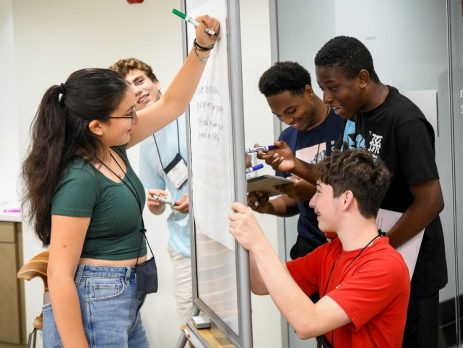
teens engaging in activities at a workshop

4-H programs prepare youth for college and careers

Professional skills like leadership, communication, problem solving and responsibility are important in any job or career. Land-grant university Extension 4-H programs help youth cultivate these skills to better prepare them for higher education and eventual employment. Here are a few examples of that work: After Missouri employers reported needs for workers skilled in communication, problem solving and collaboration, Extension specialists updated [...]

Read more...
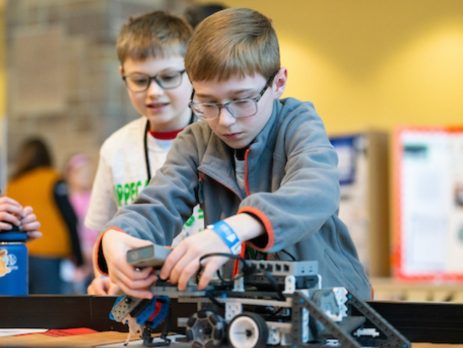
a 4-H student operates a robot

Engaging students in STEM, robotics

Exposing youth to innovative technology builds digital literacy, problem-solving skills and career readiness, preparing the next generation to compete in a rapidly evolving, technology-driven workforce. Together, youth-focused technology education and land-grant leadership create a pipeline of skilled leaders who can drive economic growth and address complex local and global challenges. Here are a few examples of that work: South Dakota middle [...]

Read more...
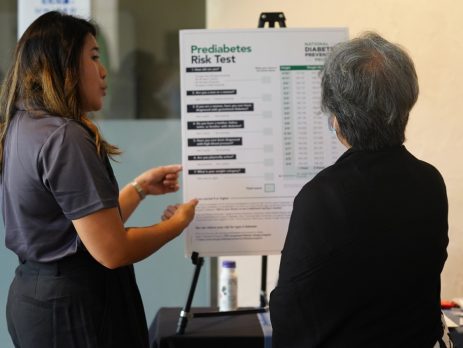
an Extension educator talks toa community member about a prediabetes risk test

Land-grant universities improve lives through diabetes education, prevention

More than 38 million Americans have diabetes, and nearly 98 million have prediabetes, which costs the U.S. $412.9 billion annually between health care and lost productivity. Those affected often lack access to education that supports day-to-day diabetes self-management. Complications can include kidney disease, heart disease, loss of limbs and vision loss. This prevalent chronic disease is a major contributor [...]

Read more...
holding hands for support

Building networks to aid mental health strengthens communities

Mental health challenges affect individuals and families across the country, yet stigma and lack of knowledge often prevent people from seeking or offering help, especially in rural communities with fewer mental health resources. At land-grant universities across the U.S., Extension programming works to equip individuals to recognize, respond to and support those experiencing mental health or substance use issues through [...]

Read more...
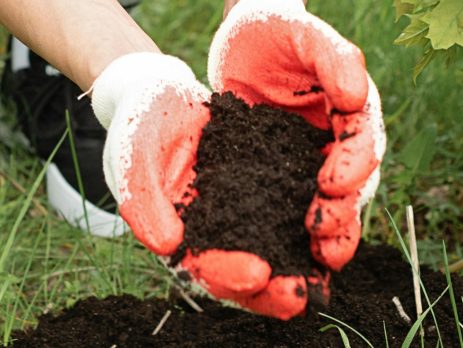
hands holding soil

Soil fertility research and education drive cost-effective crop production

South Dakota agriculture depends on efficient soil fertility management to remain profitable and environmentally sustainable. With more than 42 million acres in crop production, fertilizer represents one of the largest input costs for producers—accounting for roughly 27% of direct production expenses. Applying fertilizer at the correct rate, time and placement is critical to maximizing yields while avoiding unnecessary costs [...]

Read more...
berries on the vine

New fruit, vegetable cultivars offer new opportunities for growers

Developing or restoring different fruit and vegetable cultivars allow farmers to plant crops based on disease resistance, fertilizer requirements, adaptations to site-specific soil and weather conditions or greater yields. Some cultivars can be a pathway to new market opportunities and new bio-based products. Here are a few examples of that work: Hemp is re-emerging as the basis of a viable industry [...]

Read more...
a diseased plant

Improving crop profitability through disease management

Land-grant university research and Extension programs help producers manage costly plant diseases through early detection, risk assessment and science-based tools. By integrating applied research, diagnostics and education, growers protect yields, reduce unnecessary pesticide use, improve return on investment and strengthen long-term agricultural resilience across variable production systems. Here are a few examples of that work: South Dakota State Extension plant pathology [...]

Read more...
farmers watch a demonstration at a field day

Hands-on learning through trials and demonstrations

Lack of awareness and understanding of the latest research and technologies can impact profitability on small farms. Land-grant universities provide hands-on learning opportunities where producers can learn from one another, see real-time demonstrations and learn about the latest research trials to support decision-making. Here are a few examples of that work: Turmeric, a tropical plant that thrives in Guam, has been [...]

Read more...
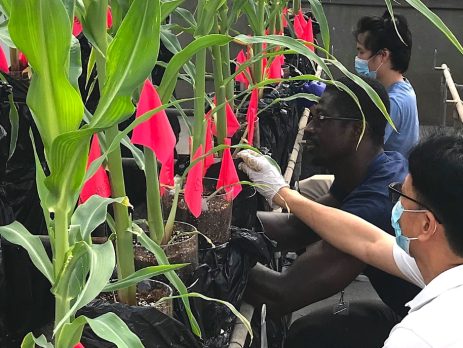
scientists examine plants grown with biochar

From field to fork: biochar strengthens the entire food system

Corn production is central to U.S. agriculture and food systems, yet its reliance on nitrogen fertilizer creates both economic and environmental challenges. While nitrogen is essential for high yields, corn typically uses less than half of the applied fertilizer. Unused nitrogen increases production costs and contributes to nutrient runoff, groundwater contamination, harmful algal blooms and ecosystem degradation. Producers and communities are [...]

Read more...
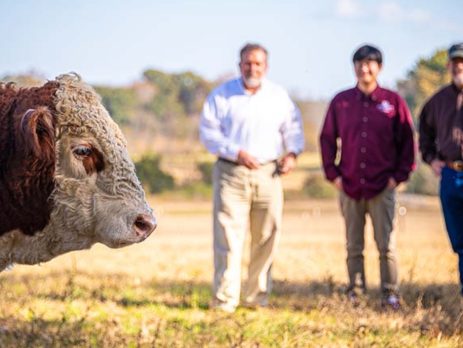
Scientists stand in a pasture with a bull in the foreground

Fine-tuning livestock production systems to overcome challenges

Livestock researchers are exploring new ways to achieve higher profitability through reproductive research, technology and traditional education outreach to help offset rising production costs. Here are a few examples of that work: In Louisiana, the Geaux Beef Heifer Development Program was created to support producers with expert-guided, forage-based heifer development. The program utilized artificial insemination or natural breeding combined with expert [...]

Read more...
a lake

Strengthening water quality across landscapes

Access to clean, reliable water for communities, ecosystems and agriculture is increasingly threatened by issues such as nutrient pollution and emerging contaminants. Land‑grant universities are addressing these challenges through innovative research and hands‑on Extension programming that empowers volunteers, land managers and future water‑quality stewards. Here are a few examples of that work: Researchers in Montana found evidence that wetland conservation can [...]

Read more...
a father and child running

A holistic approach to diabetes prevention and management

Land-grant universities play a crucial role in addressing diabetes. Their work helps individuals and families adopt healthier lifestyles, manage diabetes effectively and prevent complications. Extension programs provide evidence-based nutrition education, promote physical activity and support access to affordable, healthy food. Research is driving innovations in diabetes prevention and management. By combining scientific expertise with local engagement, land-grant universities empower [...]

Read more...
a scientist examining a plant

Land-grant scientists help farmers manage costly plant diseases effectively

Each year, plant diseases cost the global economy around $220 billion. Plant diseases kill crops and make their products unmarketable, wasting food and other resources while driving up costs for farmers and consumers. Land-grant university scientists are helping farmers monitor for diseases and manage them in a safe and cost-effective manner. Here are a few examples of that work: Researchers in [...]

Read more...
a woman cares for her elderly father

Extension in the Dakotas helps caregivers find support

An estimated 21.3% of Americans are caregivers — those who are helping relatives or friends with daily tasks such as eating, dressing, bathing and managing medications as they face situations such as end-of-life decline, chronic illness and recovery from surgery or illness. Becoming a caregiver can present many difficulties. As the Baby Boomer generation gets older and more Americans [...]

Read more...
kids swimming in a natural body of water

Strengthening families through engaging programs

Research and Cooperative Extension professionals in the Land-grant University System are dedicated to developing innovative programs that impact diverse communities nationwide. This work helps improve the lives of youths and families by connecting them with educational resources and engaging opportunities. Here are a few examples of that work: In Oklahoma, the Co-Parenting for Resilience program is helping parents effectively cope with [...]

Read more...
photo of two older adults using resistance bands for exercise

Supporting healthy aging through activity, social connectedness, positive outlook

The older adult population is growing more rapidly than other age groups in the United States. At the same time, aging stigma and lack of information on aging can affect health outcomes. Land-grant universities across the country have unique programming to aid healthy aging by promoting activity, social connectedness, positive outlook and more. Here are a few examples of that [...]

Read more...