Tag - Louisiana State University

Institution

young child walking in strawberry patch

Land-grant university research and Extension support resilience for youths, families and communities nationwide

Here are a few examples of that work:  The effectiveness of the Department of Defense’s Military Family Readiness System depends on well-trained Extension professionals with research-based tools and resources. Extension specialists in Kentucky contributed by providing personal finance training to military service providers so they can pass on knowledge, tools and resources that help military families prevent and navigate financial [...]

Read more...
Healthy foods and exercise equipment.

Land-grant university research and Extension strengthen nutrition, health and well-being

Chronic diseases are the leading cause of illness, disability and death in America. Research and Extension are fighting back. Over half of adults who participated in a Texas diabetes education program now choose healthier foods, monitor glucose levels during exercise, and control their diabetes to avoid interference with daily life. These changes could help participants save up to $94,021 in [...]

Read more...
A river bisects a field and forested riparian area

Research and Extension support resilient ecosystems

Recent studies and programs are conserving and protecting water used for drinking, fishing, irrigation and recreation.  Washington research helped establish 25 anaerobic digesters across the Pacific Northwest, turning dairy manure from more than 143,000 cows into biogas that provides more than 126 million kilowatt-hours of renewable energy per year. Digesters decrease water quality risks associated with nutrient runoff from manure [...]

Read more...
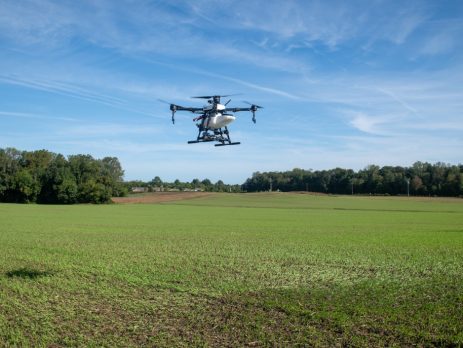
A drone flies over a field.

Research and Extension make agricultural systems more efficient, profitable, competitive and resilient

Strategies and tools for managing crop pests and diseases have increased productivity and profitability. For example: Extension units across the nation offer plant and pest diagnostic clinics. In New Mexico, free diagnoses saved producers an estimated $36,000 in testing fees in 2025, while also supporting biosecurity and export compliance. In Indiana, lab results and recommendations saved clients $890,000 in reduced [...]

Read more...
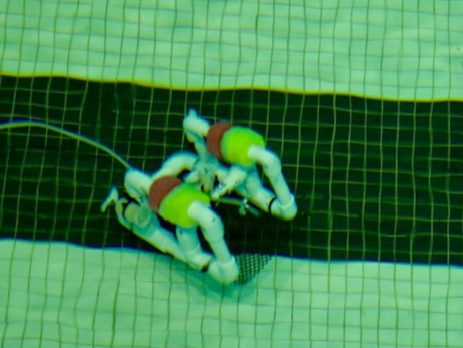
An underwater remotely operated vehicle, or ROV, runs though one of its underwater challenges at the SeaPerch regional competition hosted by Louisiana 4-H.

Louisiana 4-H SeaPerch builds workforce-ready STEM skills through experiential robotics learning

Preparing youth for tomorrow’s workforce is critical as STEM occupations are projected to grow 10.8% nationwide between 2022 and 2032. In Louisiana, demand for skilled engineers and technicians continues to rise in energy, coastal restoration and advanced manufacturing sectors. To address this need, Louisiana 4-H implemented the SeaPerch underwater robotics program to expand access to hands-on STEM learning and [...]

Read more...
Youths wearing life vests stand on a dock as they fill out forms while an adult explains the process

Extension introduces youths to career opportunities in agriculture and STEM

The United States is facing a dearth of skilled and educated workers across the agricultural industry. With many young people being several generations removed from agriculture within their families, and removed from where their food comes from, introducing youths to the variety of careers in agriculture and food systems and teaching related skills can build a new generation of [...]

Read more...
a family in silhouette, holding hands

Extension programs strengthen families through health, parenting initiatives

Healthy and resilient communities are built by supporting families and youths through reliable childcare, mobile health services and strong, healthy relationships. Extension-led efforts strengthen well-being by building life and parenting skills and fostering environments where individuals and families can thrive. Here are a few examples of that work: In 2025, Ohio Extension educators launched a maternal health program to support mothers [...]

Read more...
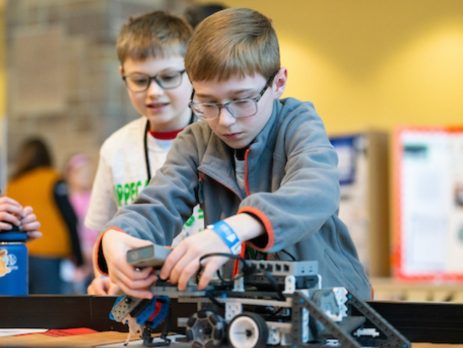
a 4-H student operates a robot

Engaging students in STEM, robotics

Exposing youth to innovative technology builds digital literacy, problem-solving skills and career readiness, preparing the next generation to compete in a rapidly evolving, technology-driven workforce. Together, youth-focused technology education and land-grant leadership create a pipeline of skilled leaders who can drive economic growth and address complex local and global challenges. Here are a few examples of that work: South Dakota middle [...]

Read more...
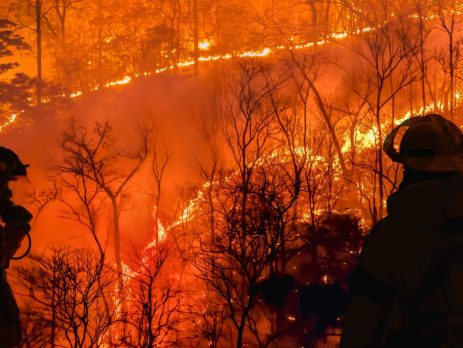
wildland firefighters

Protective clothing for wildland firefighters

Wildland firefighters face escalating health risks as fire seasons lengthen and fires become more intense. Their work demands long shifts involving strenuous physical labor — hiking, digging, carrying heavy packs and operating equipment — with exposure to extreme heat, dense smoke, humidity, high altitude and rough terrain. These conditions heighten the risk of heat stress, respiratory issues, dehydration, musculoskeletal [...]

Read more...
girl slicing a pepper and other vegetables

Peer-led program encourages healthier snack choices

In Louisiana, the Children, Youth and Families at Risk (CYFAR) grant, leveraged by support from the LSU AgCenter, encourages youth to create positive change in their communities. At one school, CYFAR students noticed a growing issue: Many of their peers were choosing unhealthy snacks during the school day.   To encourage better choices, the students created a “Healthy Snack Swap Challenge.” [...]

Read more...
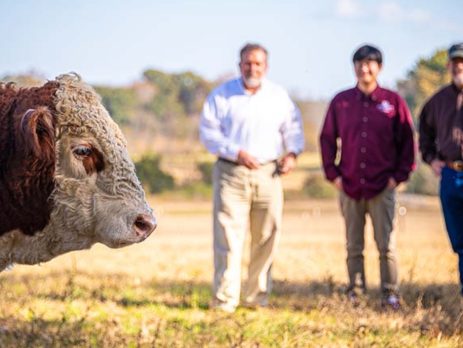
Scientists stand in a pasture with a bull in the foreground

Fine-tuning livestock production systems to overcome challenges

Livestock researchers are exploring new ways to achieve higher profitability through reproductive research, technology and traditional education outreach to help offset rising production costs. Here are a few examples of that work: In Louisiana, the Geaux Beef Heifer Development Program was created to support producers with expert-guided, forage-based heifer development. The program utilized artificial insemination or natural breeding combined with expert [...]

Read more...
Mario Soto and Aurelie Poncet with a plant and a light-emitting device.

Building resilient agriculture through pest management

Land-grant university pest management programs strengthen agricultural resilience by delivering research-based education that helps farmers manage pests more effectively and safely. These programs improve pest control decisions, reduce unnecessary pesticide use and minimize health and environmental risks—supporting healthier ecosystems and long-term productivity. Here are a few examples of that work: Louisiana State University’s AgCenter’s Field Crop Integrated Pest Management (IPM) Program [...]

Read more...
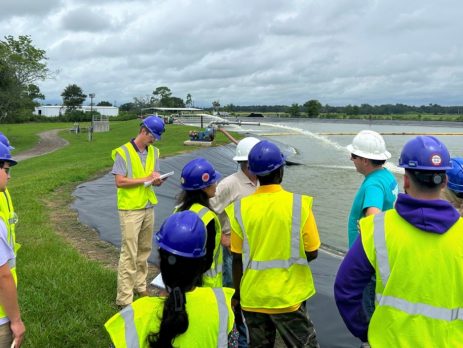
Water quality training

In Louisiana, Extension helps industrial facilities, farms save water, cut costs

Water plays an essential role in many industrial settings. To help manufacturers, processors and agricultural operations adopt sustainable practices, the Louisiana State University AgCenter launched the Water Quality Extension Lab in 2023.  The lab helps small- to medium-sized industries by providing resources, facilitating workforce networking and promoting sustainability. Faculty and students with the lab make site visits to rural industrial [...]

Read more...
a group of children smile around a science experiment

Land-grant universities support youths, build stronger communities

The Land-grant University System plays a crucial role in equipping young people with the skills, knowledge and leadership abilities they need to thrive in their personal and professional lives. Here are a few examples of that work: In North Carolina, the Bertie DigiCon provided residents with tools and resources to overcome digital barriers. The event raised funds for youth development and [...]

Read more...
a family preparing a salad

Delivering nutrition and health education and resources at the community level

The SNAP-Ed program provides research-based nutrition education to SNAP recipients and those who are eligible for benefits, helping individuals and families make more nutritious food choices, stretch their food dollars and lead healthier lifestyles. Land-grant universities play a key role by leveraging Extension professionals to deliver nutrition education and resources directly to a wide audience of communities. The program [...]

Read more...
a purple flowering plant

Research provides more sustainable pest management options

Agricultural land and natural ecosystems face growing threats from invasive and noxious grasses and weeds, feral animals, pests and diseases that impair ecosystem services and agricultural productivity. Chemical pesticides can pose human and environmental health risks. Land-grant university research had led to findings, tools and strategies for managing pests more sustainably. Here are a few examples of that work: Research and [...]

Read more...
a spread of healthy foods

Youth empowerment leads to healthful resilience

Empowering youth with nutrition and health education essential for building healthier communities. The Land-grant University System provides science-based programs that teach young people how to make informed food choices, develop lifelong healthy habits and understand the connections between nutrition and well-being. By equipping youth with this knowledge, the programs foster resilience, reduce the risk of chronic diseases and promote [...]

Read more...
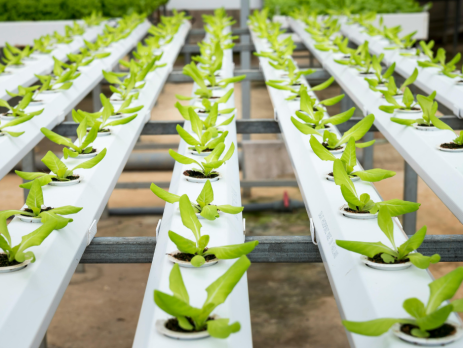
rows of hydroponic crops

Researching strategies to protect produce from contamination

Food contamination can occur at various stages from farm to table. At Louisiana State University AgCenter, researchers are studying foodborne pathogens to better understand how they are transmitted and what might be done to prevent them from contaminating fresh and processed foods.  Among the research projects are efforts to treat foods to make them less vulnerable to contamination. Those include [...]

Read more...
photo of a jar being removed from canning water by a pair of tongs

Holistic programs address community health

Obesity is on the rise in the United States, and this increases the risk of diabetes, hypertension and poor overall quality of life. Moreover, health disparities among low-income populations are well documented because food insecurity issues mean they lack nutritionally adequate and safe food. The Land-grant University System uses holistic programs to address community health. Here are a few examples [...]

Read more...
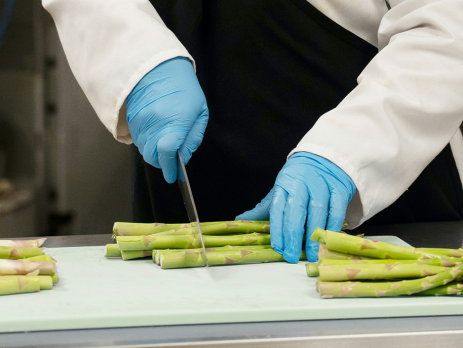
closeup photo of hands chopping asparagus on a cutting board, in an industrial looking kitchen

Training the next generation of culinary professionals

The food industry can be a path to economic stability. But to ensure public health, workers must know about foodborne illness, how to prevent it and how to train other employees. Trained individuals can also explore nontraditional culinary paths, which can have benefits for the home and family. Here are a few examples how land-grant institutions are contributing: Michigan Extension trains [...]

Read more...
a shot of a person from the knees down, wearing jeans and athletic shoes

Fitness programs change lifestyles and health

Physical activity that increases the heart rate helps to decrease health risks and provides additional health benefits such as improved sleep, lower cholesterol and improved mental health. Fitness programs including walking and dancing are accessible to almost anyone, easy to start and can lead to behavior changes and positively impact residents’ health and well-being by decreasing risks for obesity, [...]

Read more...
grilling steaks on the grill

In Louisiana, 4-H-ers “Geaux Grilling” to learn about cooking, meat science

Most Americans are unfamiliar with the ins and outs of raising cattle — yet many consumer surveys indicate that purchasing decisions are influenced by how food is produced. To help beef up the next generation of consumers’ knowledge of animal science, meat selection, cooking techniques and food safety, a Louisiana State University AgCenter 4-H livestock specialist devised the Geaux Grilling [...]

Read more...
spices on a spoon

Using unique flavors to boost health

Developing dietary interventions that help to reduce increasingly common chronic diseases is an important goal for researchers and Extension professionals across the Land-Grant University System. Sometimes it is as simple as using a familiar flavor in a new way to add health benefits. Here are a few examples of that work: Louisiana ranks among the highest states in adults diagnosed with [...]

Read more...
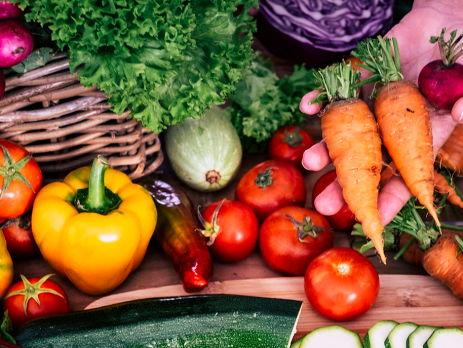
A hand holds carrots and a beet among a spread of other vegetables.

Getting more local, fresh produce into communities

Although fresh fruits and vegetables are key to health, difficulties abound in obtaining local produce. Land-grant institutions across the country work in a number of ways to promote growing produce as well as marketing and buying it locally. Here are a few examples of that work: In Georgia, the Fresh on DeK Mobile Farmers Market targets communities without access to a [...]

Read more...
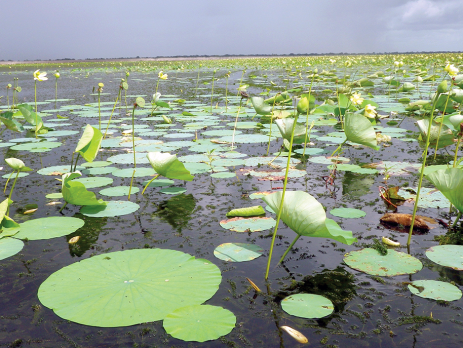
a body of water covered in lotus plants

Managing invasive species

Invasive species are organisms that are non-native to an ecosystem and whose introduction causes economic, social or environmental harm. Nearly every terrestrial, wetland and aquatic ecosystem in the United States has been invaded by non-native species, with economic losses estimated at $137 billion per year. Land-grant universities are leading the battle against invasive species. Here are a few examples of [...]

Read more...