Tag - University of Minnesota

Institution

Healthy foods and exercise equipment.

Research and Extension strengthen nutrition, health and well-being

Chronic diseases are the leading cause of illness, disability and death in America. Research and Extension are fighting back. Over half of adults who participated in a Texas diabetes education program now choose healthier foods, monitor glucose levels during exercise, and control their diabetes to avoid interference with daily life. These changes could help participants save up to $94,021 in [...]

Read more...
Vegetables for sale at a farmers market stand.

Research and Extension ensure everyone has ample access to affordable, safe, nutritious food

Invasive pests damage crops, costing U.S. agriculture an estimated $30 billion annually. Pest management research and Extension are stabilizing the food supply chain. Efforts have led to: Cost-effective alternatives to glyphosate for herbicide-resistant Russian thistle control in Oregon, protecting more than 30,000 acres of wheat and preventing over $1 million in yield losses so far.Oregon State University Extension Service; Other [...]

Read more...
A river bisects a field and forested riparian area

Research and Extension support resilient ecosystems

Recent studies and programs are conserving and protecting water used for drinking, fishing, irrigation and recreation.  Washington research helped establish 25 anaerobic digesters across the Pacific Northwest, turning dairy manure from more than 143,000 cows into biogas that provides more than 126 million kilowatt-hours of renewable energy per year. Digesters decrease water quality risks associated with nutrient runoff from manure [...]

Read more...
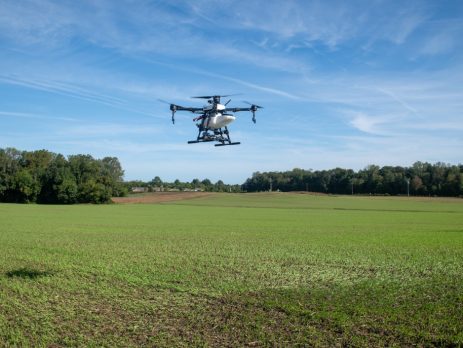
A drone flies over a field.

Research and Extension make agricultural systems more efficient, profitable and resilient

Strategies and tools for managing crop pests and diseases have increased productivity and profitability. For example: Extension units across the nation offer plant and pest diagnostic clinics. In New Mexico, free diagnoses saved producers an estimated $36,000 in testing fees in 2025, while also supporting biosecurity and export compliance. In Indiana, lab results and recommendations saved clients $890,000 in reduced [...]

Read more...
attendees listening at a workshop

Agricultural tax education helps farmers understand tax law updates

With tax laws changing annually, farmers, businesses and tax professionals must navigate a challenging landscape to comply with the latest regulations. The University of Minnesota Extension’s Income Tax Short Course, as well as the Ag Tax School, provide focused opportunities for tax professionals to learn about the latest updates affecting current and future tax returns.   The programs are beneficial for [...]

Read more...
an experimental setup for plant growth

Land-grant university research creates sustainable domestic products from agricultural waste and biomass

Petroleum and other nonrenewable materials are widely used for daily products, but many of these items can be made from biomass, including food and agricultural wastes. Bioproducts enhance energy, food and national security while reducing fossil fuel reliance and emissions. They also create jobs, boost the economy, provide farmers with extra income and reduce harmful disposal methods. Here are a [...]

Read more...
house for rent sign

Improving housing security through renter education

Challenges with securing and maintaining housing underpin many societal challenges, and a lack of understanding about the issues and what can be done persists. To address this issue, University of Minnesota Extension provided renter education for individuals, community members and community organizations. Generally, community members had a low income, needed to build credit and rental histories, were new to [...]

Read more...
rural barn on the country

Minnesota youth program addresses rural stress

Rural and farm stress has been a challenge for Minnesotans in recent years. Effective programs addressing this issue cannot ignore youths, who are aware of and affected by family stress. For that reason, the University of Minnesota Extension implemented a youth worker training program that bridges research and practice in a variety of ways. Outreach efforts include in-person and virtual [...]

Read more...
closeup photo of two people holding hands

Minnesota takes a community approach to opioid epidemic

Drug overdose deaths have increased drastically in Minnesota in the last few years, with greater Minnesota having a larger increase than the metro area for the first time in a decade. The increased use of fentanyl is a contributing factor in this surge. In response, University of Minnesota Extension and partners worked together to create C.O.P.E. (Community-based Opioid Prevention and [...]

Read more...
two people look in a box of food at a food pantry

Food security resources for local communities

Limited access to healthy food options can lead to problems such as poor health, chronic illness, child development and family instability. Food pantries can help people who lack adequate food resources access a range of products locally. By connecting food pantries with resources, land-grant universities are helping communities better serve those in need. Here are a few examples of that [...]

Read more...
a group of scientists planting experimental crops

Reaching diverse farms and farmers

Extension educators and researchers across the Land-grant University System reach diverse farmers and farms through programming, information and accessible tools. Their work ensures farming resources are available to all individuals. Here are a few examples of that work: Minnesota Extension launched a pilot project to bring Minnesota-grown goat meat to halal customers. The collaboration has resulted in the first halal certified [...]

Read more...
crops growing in a field

Creating new, sustainable products from agricultural waste and biomass

Petroleum and other nonrenewable materials are commonly used for plastics, industrial chemicals, pharmaceuticals, cosmetics and other products we use on a daily basis. But many of these products can be made from biomass, including food and agricultural wastes. Bioproducts offer a way to improve energy security, food security and national security while also cutting back on fossil fuel-related pollution [...]

Read more...
A tractor sprays pesticides in an orchard

Safer, more sustainable pest management

Managing pests is essential to healthy, safe and productive agricultural, urban, residential and natural areas. But pesticides can cause air and water pollution and unintended harm to nontarget organisms. Pesticide exposure has also been linked to human health problems. In addition, many pests eventually develop resistance to commonly used chemicals, rendering those chemicals ineffective. Researchers and Extension educators across [...]

Read more...
a rainbow shines through sprinkler mist on a field

Protecting our water

Water continues to be one of the most critical challenges facing agriculture and communities. Land-grant universities are working to discover new ways to increase water efficiency, reduce water use and protect water quality. Here are a few examples of that work: Researchers in Ohio are working to improve soil health and water quality through best agricultural management practices to prevent non-point-source [...]

Read more...
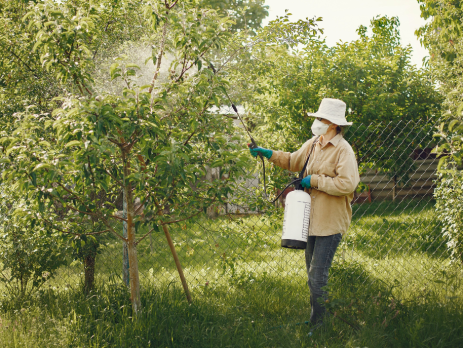
a woman wearing PPE sprays pesticides on a tree

Proper clothes laundering lowers pesticide risk

Without proper safety precautions, pesticides may harm people. Farmers and others may become exposed to pesticides from residue on work clothing. In a survey of pesticide applicators conducted by University of Minnesota Extension, only 15% of applicators said they follow pesticide labels for clothing selection. Because 45% of respondents had someone else wash their contaminated clothing, those family members may [...]

Read more...