Tag - Research

Mission Area

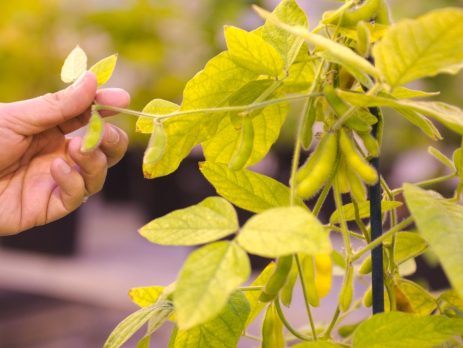
soybeans

Using genetics for crop disease resistance

Pests of major crops, including wheat, soybean, potatoes, tomatoes and wine grapes, cost American producers billions in yield losses each year and raise prices for consumers. Pathogens are steadily overcoming current genetic sources of resistance, making continuing efforts to identify and incorporate new genetics critical to reduce losses to farmers and protect markets and food security. Here are a few [...]
Read more...
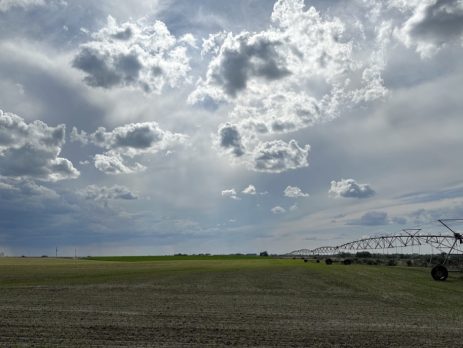
irrigation of a field

The relationship between irrigation and child nutrition

There is an assumption that irrigation automatically leads to better food security. But irrigation doesn’t consistently improve nutrition because regions with sufficient water often use irrigation for export-oriented cash crops, which are less likely to enter the local food system.   A major study had Vermont researchers partnering with other institutions to show that irrigation expansion in the Global South is linked [...]

Read more...
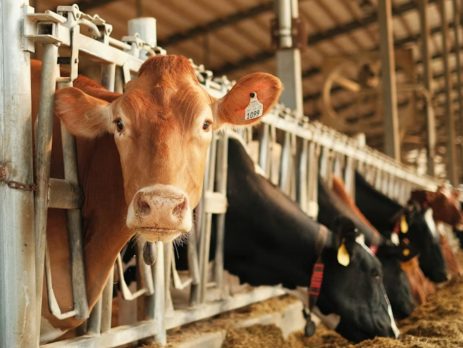
dairy cows in a barn

Supporting meat and dairy industries

Meat and dairy provide critical protein and a wide variety of other products for consumers and represent economically important industries across the country, not just for producers, but also for processors, groceries and restaurants. Research and Extension professionals at land-grant institutions support livestock and related industries in many ways through education on economically efficient production practices and research on [...]

Read more...
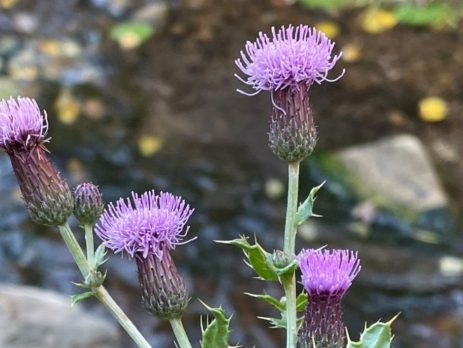
Canada thistle

Researchers show rust fungus helps control invasive Canada thistle

The noxious weed Canada thistle (Cirsium arvense L.), which originated from the eastern Mediterranean region, crowds out crops, forage and native plant species in the Intermountain West, creating challenges for producers and land management agencies. Some herbicides are effective against Canada thistle, but they can be costly, time-consuming and risky to apply.    In its native range, one factor that helps [...]

Read more...
sorghum varieties

Research and development of water-resilient sorghum expands rural economic opportunities in the West

In water-limited agricultural landscapes of the West, sustaining food crops for beef and dairy has become increasingly challenging. Traditional feed crops such as maize and alfalfa require large amounts of water, threatening herds and pushing researchers to explore more resilient alternatives.  As a result, scientists with the Nevada Agricultural Experiment Station are combining genetic improvements and precision agriculture to improve [...]

Read more...
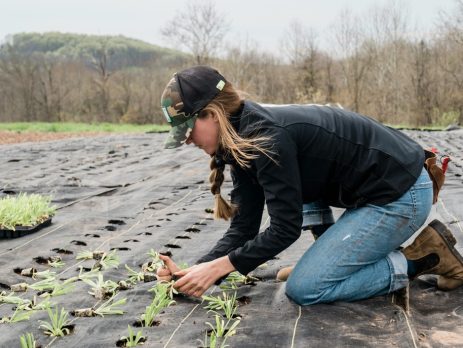
a farmer planting

Recognizing regenerative ag champions

Small-scale farmers who use regenerative practices play an important role in local food systems. These farmers often operate in areas with limited access to fresh food and provide healthy options for their communities. Despite their contributions, they rarely receive recognition or support. Raising awareness of their work can help strengthen community-based food production and encourage practices that improve soil [...]

Read more...
Braham Dhillon, a molecular plant pathologist at UF/IFAS Fort Lauderdale Research and Education Center, demonstrates Robigus from his desktop.

New Robigus app allows viewers to track invasives, crop diseases worldwide

Plant diseases pose a global threat to food security, yet critical data on outbreaks are scattered across thousands of journals and reports. This fragmentation makes it difficult to access timely information about the disease, delaying the search for treatments and potential best management control practices.  The new app Robigus, developed by a researcher at the University of Florida Institute of [...]

Read more...

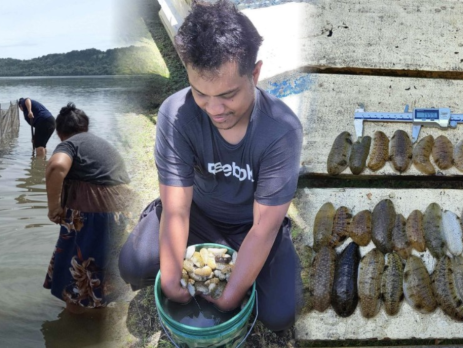
Making aquaculture more productive, safe and economical

The seafood industry is economically vital and provides an important source of protein for the world. Challenges to aquaculture include inefficient production methods, expensive feed inputs and food safety. Land-grant efforts are protecting and promoting this booming industry. Here are a few examples of that work: As feed is the most expensive cost of aquaculture, researchers in Alabama are developing feeds [...]

Read more...
A researcher injects a tick embryo under the microscope.

International collaboration to attack the cattle fever tick

Building on previous success developing genetic tools to combat deer ticks, researchers in Nevada are partnering with those in Uruguay to genetically modify cattle tick genes.  Cattle fever ticks were largely eradicated in the United States but sporadically show up in outbreaks tied to cross-border movement. Current control methods rely heavily on chemical pesticides, which can harm humans, pass into [...]

Read more...
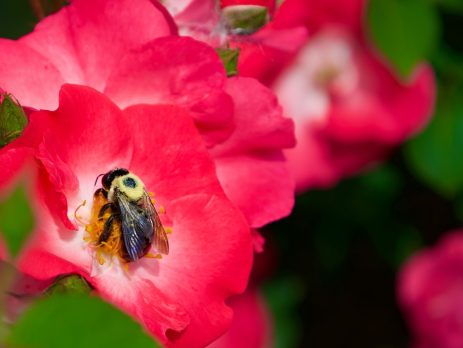
bee on a flower

Integrated approach identifies bee protection opportunities in rural, urban areas

Bees are essential pollinators for many fruits, vegetables and ornamental plants. Continuing declines in their populations jeopardize crop yields, food security and biodiversity. Over 400 bee species live in Ohio, including the federally endangered Rusty Patched Bumble Bee (RPBB), but they are threatened by pesticides, diseases, habitat degradation, heavy metal pollution and changing weather patterns.   Ohio State University researchers assessed [...]

Read more...
a graphic of 4 world maps showing the percentage change in 4 different crop types: maize, soybeans, sorghum, and wheat

Even when farmers adapt to extreme weather, crop losses continue

A first-of-its-kind study analyzed the real-life measures that farmers worldwide are taking to combat reduced yields due to higher temperatures, drought conditions and other extreme weather. The findings indicate that even as they try to adapt to changing conditions, farmers are still experiencing a decline in agricultural productivity. The steepest losses are occurring at the extremes of the agricultural economy, [...]

Read more...
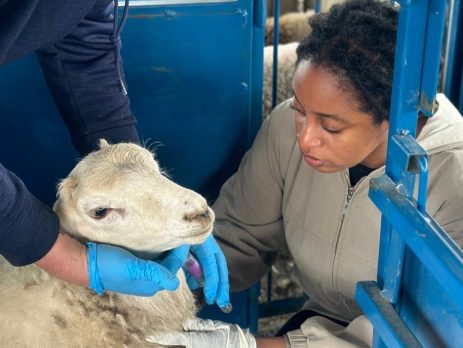
a vet giving a sheep a vaccine

Enhancing food safety with research and training

The United States food supply is among the safest in the world, but every day news stories report food recalls for a variety of safety reasons. Food safety must be maintained through every step of the production process, and land-grant institutions are the key to research and training that helps the food industry provide safe, healthy food. Here are a [...]

Read more...
grapes on the vine

Disease-resistant wine grape reduces losses in Florida

Pierce’s disease devastates grapevines in warm, humid regions like Florida, making wine grape production nearly impossible without costly interventions. This disease forces growers to rely on chemical treatments and limits the viability of vineyards in the Southeast.  Plant breeders there successfully grew a new wine grape variety with genetic resistance to Pierce’s disease while maintaining desirable wine-making qualities. They used [...]

Read more...
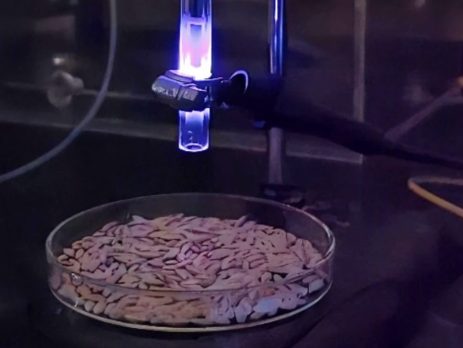
A glass tube with a glowing blue ejects plasma downward to a dish of rice seeds.

Cold plasma-treated rice seeds inhibit fall armyworm, improve early crop vigor

Fall armyworm, a major crop pest particularly damaging in rice, often requires repeated insecticide applications for control. Plasma — the same electrically charged matter responsible for the northern lights — may offer a new way to support crop growth and reduce damage from this major pest, according to Arkansas Agricultural Experiment Station researchers.   Scientists exposed rice seeds to atmospheric cold [...]

Read more...
kebabs

Bots for kebabs

Consumer demand is strong for grilled kebabs — meat and vegetable cubes on skewers — that require highly labor-intensive tasks and complex hand-eye coordination. This repetitive, low-skilled job of producing kebabs is getting harder to fill, and even the existing semi-autonomous skewering systems require human handling and oversight. Food processing companies are increasingly recognizing the need to fully automate [...]

Read more...
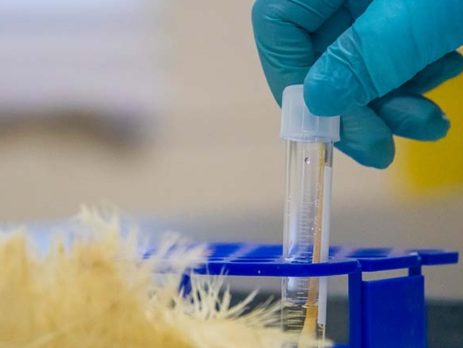
Scientists test a sample for C. perfringens at the MAFES H. H. Leveck Animal Research Center.

Billion-dollar bacterial test for poultry

Necrotic enteritis (NE) is estimated to cost $6 billion in annual losses to the poultry industry, where it causes the death of cells and tissue in the bird’s intestinal lining. It thrives in birds with prior gut damage and those that feed on diets high in wheat or fishmeal. Often, birds do not display symptoms until they have already [...]

Read more...
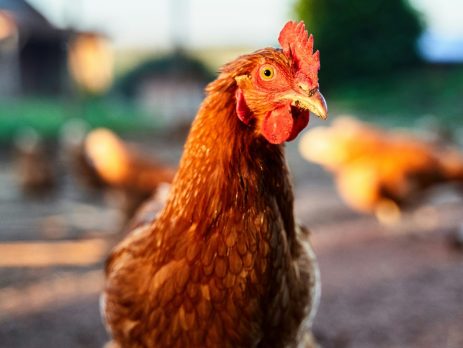
chicken

Artificial intelligence helps protect from Avian influenza

In the fight against the costly impacts of avian influenza, protecting poultry flocks from contact with wild birds is an important deterrent. However, the methods for effectively controlling wild birds are limited. In Georgia, researchers developed a novel method for detecting wild birds on farms, using night vision technology and artificial intelligence.  To aid in monitoring wild bird activities near [...]

Read more...
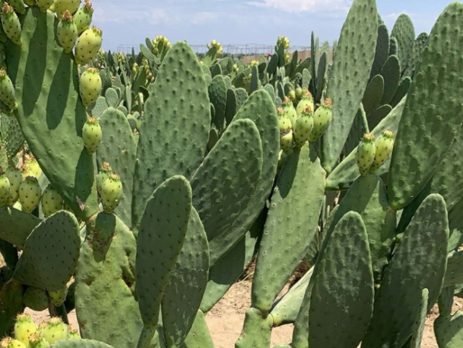
cacti

Developing sustainable domestic biofuels

Land‑grant universities are developing sustainable bioproduct solutions that transform renewable biomass, including food and agricultural wastes, into valuable materials. These bioproducts strengthen national energy and food security, lower greenhouse gas emissions and support rural economies. They also create new markets, provide farmers with additional income opportunities and help to reduce dependence on fossil fuels. Here are a few examples of [...]

Read more...
two students test manure at UNH Organic Research Dairy Farm

New solutions to support extended growing seasons for colder climates

Extending the growing season in colder climates can be challenging for small and mid-sized farms, especially in the northeastern U.S. Commercial greenhouses tend to be cost-prohibitive due to high energy demands. Another challenge faced in northern regions is winter waste management on livestock operations, when soils are often impermeable and microbial decomposition slows.  Scientists at the University of New Hampshire [...]

Read more...
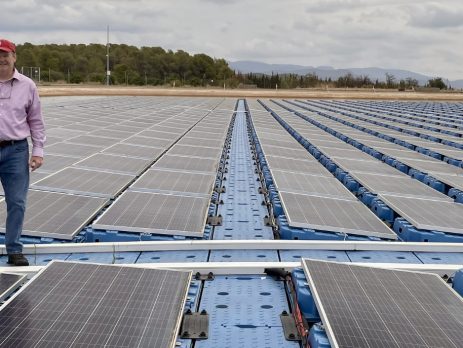
Mike Popp stands on a floating solar array with trees and mountains in the background.

Promoting research-based solar development

With the growth and expansion of solar energy production, producers and consumers in rural areas frequently express concern over whether solar development may compete with farmland availability or affect property values and local economies. For example, solar growth in Arkansas included 1,100 megawatts added in 2024, prompting questions about its impact on agricultural land use.  To address these concerns, a [...]

Read more...
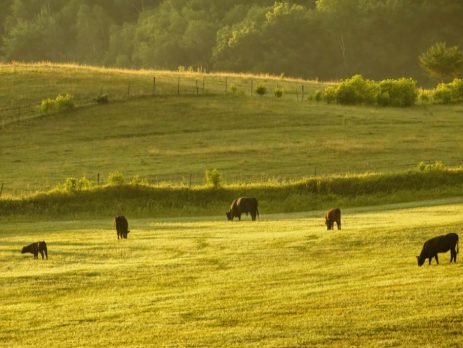
cattle in a field

Tech solutions for livestock management

Livestock producers face challenges such a shrinking labor force, limited veterinary access and rising costs. Artificial intelligence, precision agriculture technologies and genome sequencing have shown promise in improving livestock management, but up-front costs have generally restricted adoption to large-scale dairies. Small farms need economically feasible, effective tools tailored to their specific operations. Here are a few examples of that work: Researchers [...]

Read more...
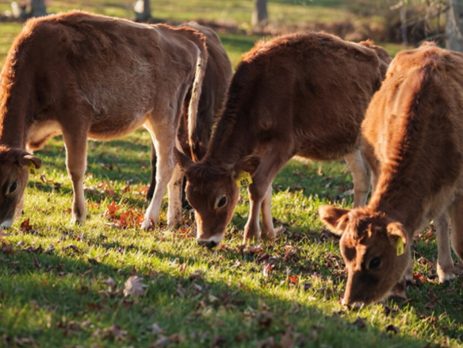
cows grazing

Soil carbon under managed grazing in Southern Wisconsin

Building organic carbon soil (SOC) on agricultural land is an important strategy for stabilizing the climate by storing carbon that would otherwise contribute to greenhouse gas emissions. Perennial grasslands managed for dairy and beef production are often promoted for their ability to increase SOC while also improving water quality, reducing flooding, enhancing biodiversity and supporting profitable farms. However, the [...]

Read more...
cornfield

Scientists unravel corn pest’s overwintering genes

Western and northern corn rootworms cost U.S. growers more than $1 billion each season. The larvae chew roots that anchor and feed corn plants, knocking down stalks and trimming grain weight. The beetles have become resistant to pesticide rotations and other control tactics, while the eggs they lay in soybean fields lie dormant until corn returns the following spring.  At the [...]

Read more...
A pair of hands in yellow gloves gently hold a strawberry plant, showing a flower and immature green strawberry, in a strawberry field.

Research helps increase specialty crop profitability

Specialty crop growers provide popular products to consumers. There are many challenges to growing the products commercially. Land-grant universities support growers with research and resources that help increase profitability and informed decision-making. Here are a few examples of that work: Apples are a popular product among consumers, but there are many challenges to growing them commercially in the Midwest and making [...]

Read more...
two scientists hold a corn plant and a soybean plant in a mock competition

Research answers question of planting priority: corn or soybean?

Planting date has a major influence on both corn and soybean yields. With only about half of May suitable for fieldwork in Ohio many years, producers often face a dilemma about which crop to plant first.   To address this question, Ohio State University researchers planted corn and soybeans on five dates ranging from early April to mid-June at three Ohio [...]

Read more...