Tag - Research

Mission Area

waterfall into a body of water

Improving water quality in Ohio watersheds

Non-point-source nutrient runoff in agricultural watersheds, particularly nitrogen and phosphorus, continues to threaten the quality of surface and groundwater in Ohio watersheds. Impaired water quality detrimentally affects drinking water quality, recreational water use and aquatic life. Improving soil health and, consequently, water quality through best agricultural management practices is critical for achieving the twin goal of sustainable agricultural production [...]

Read more...
the Chesapeake Bay

Critical moments to improve Chesapeake water quality

A study by Pennsylvania State University researchers concluded that the vast majority of nutrients and sediment washed into streams flowing into the Chesapeake Bay are picked up by deluges from severe storms that occur on relatively few days of the year. The researchers say this offers clues for cleaning up the impaired estuary. A small percentage of locations and events [...]

Read more...
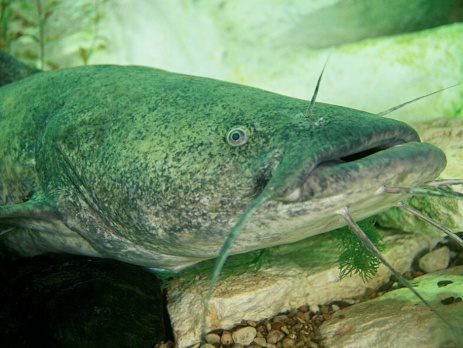
a closeup photo of the flathead catfish

Research tracks genetic diversity to help manage invasive catfish

It’s difficult to know exactly how the invasive flathead catfish is expanding into nonnative waterways in the U.S. even if we know the many possible introduction pathways. This species, which has become a popular sport fish in its introduced ranges, has been shown to have negative effects on native fish, including consumption and competition with native fish. Once introduced, the [...]

Read more...
A tractor sprays pesticides in an orchard

Safer, more sustainable pest management

Managing pests is essential to healthy, safe and productive agricultural, urban, residential and natural areas. But pesticides can cause air and water pollution and unintended harm to nontarget organisms. Pesticide exposure has also been linked to human health problems. In addition, many pests eventually develop resistance to commonly used chemicals, rendering those chemicals ineffective. Researchers and Extension educators across [...]

Read more...
a rainbow shines through sprinkler mist on a field

Protecting our water

Water continues to be one of the most critical challenges facing agriculture and communities. Land-grant universities are working to discover new ways to increase water efficiency, reduce water use and protect water quality. Here are a few examples of that work: Researchers in Ohio are working to improve soil health and water quality through best agricultural management practices to prevent non-point-source [...]

Read more...
drone flying over crop

Drones, virtual fencing, gene technology moving agriculture forward

Land-grant universities and state research agencies are using multiple technologies to solve production challenges and provide educational outreach. From using drones to assess damage following natural disasters to GPS tracking to monitor livestock within the boundaries of virtual fencing, advances in technology are helping propel food and fiber production. Successful examples include: Following Hurricane Idalia, a Category 3 hurricane, Extension educators [...]

Read more...
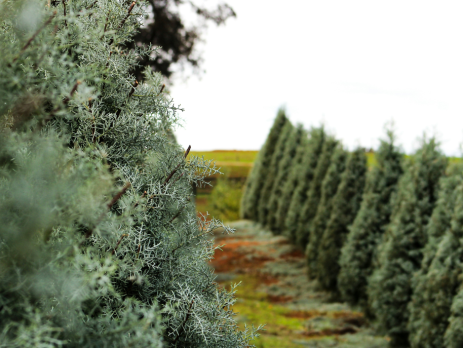
a Christmas tree farm

Research improves Christmas tree production in Connecticut

Two or three Christmas trees are planted for every one that is harvested. This implies that only 33% to 50% of planted trees survive to become salable, and this in turn translates into shortages in the availability of salable trees and higher costs for consumers. Many trees are lost when they are newly planted into growers’ fields, and many [...]

Read more...
sweet potato root galls

Land-grant universities nationwide work together to sustainably manage nematodes

Nematodes are tiny, usually microscopic, roundworms that are incredibly common and widespread. They account for 80% of all individual animals on Earth. Some nematode species are beneficial to agriculture, while others have major detrimental impacts. Plant-parasitic nematodes can lead to poor soil and low crop yields. In the United States, annual economic losses due to nematode infection of crops [...]

Read more...
pear growing on a tree

Research develops effective treatments to fight blight in apple, pear crops

Over the past several years, frequent periods of warm and wet weather during the spring in Virginia have triggered epidemics of fire blight causing $22 million per year in losses to apple and pear crops. Researchers led by Virginia Tech are developing new effective treatments utilizing fire blight bacterium Erwinia amylovora in fire blight cankers. Cankers are infected dead zones [...]

Read more...
brown chicken

Georgia researchers apply AI to track cage-free hens’ pecking behavior, welfare

Researchers at the University of Georgia Agricultural Experiment Station have used an artificial intelligence learning-based imaging system for automatically monitoring chicken pecking behavior. Severe pecking has been estimated to occur in 40% to 50% of cage-free flocks and is one of the primary reasons for increased mortality. Chicken mortality is doubled in cage-free systems compared to conventional caged systems. Egg [...]

Read more...
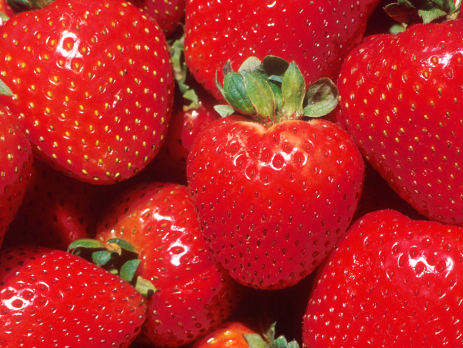
closeup photograph of pile of strawberries

Breeding crops tailored for the future

Food crops are constantly under attack by plant diseases and pests that result in losses in crop quantity and quality. Declines in crop health can lead to food waste and threaten global food security. Land-grant universities are breeding plants that are resistant to pests and disease for greater resilience and sustainability. Here are a few examples of that work: Researchers in [...]

Read more...
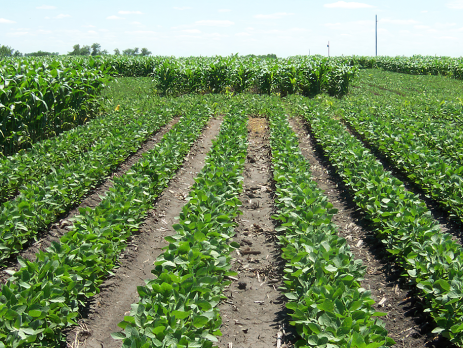
field with rows of crops

Healthy soils sustain food security

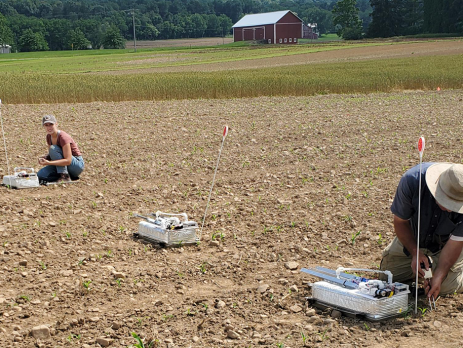
Researchers at the nation’s land-grant universities are studying the health of soils to increase agricultural production and decrease the use of agrochemicals used to grow food. Their work will contribute to our ability to meet the world’s growing demand for food. Here are a few examples of that work: Agricultural researchers in Pennsylvania are studying how soil salinity and soil nitrogen [...]

Read more...
a bag of biochar

Researching biochar as a soil additive to increase profits, yields

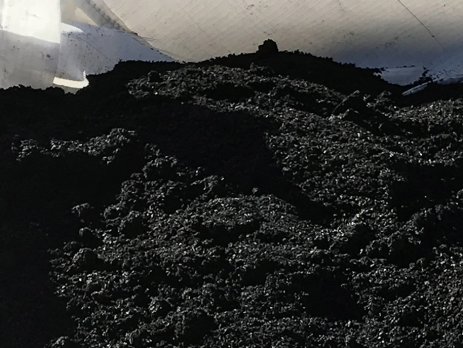
Researchers at the University of Arkansas Pine Bluff Agricultural Research Station have found ways to solve two major challenges related to soil contamination and sub-optimal growth through the use of biochar – charcoal made from biomass. Biochar products can be used as a sustainable soil additive to capture agricultural chemicals. The product is added through conventional tillage and helps degrade [...]

Read more...
scientist in a blackberry field wearing a device with finger nodules for picking blackberries

Building a better blackberry picker

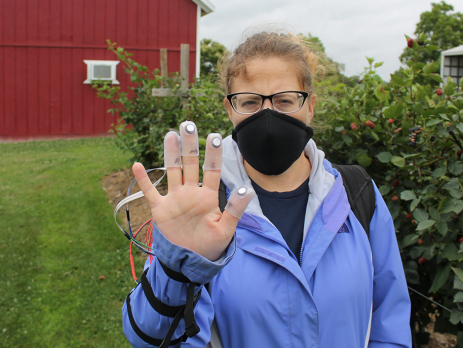
Labor is among the biggest expenses for U.S. fruit growers — 39% of production costs for fruit and tree nuts — and farm wages are rising, according to the U.S. Department of Agriculture Economic Research Service. Harvesting blackberries by hand is a costly endeavor that takes more than one-third of the hours in berry production. Mechanical harvesting of this [...]

Read more...
free range pigs

Prompt detection of infectious animal diseases can prevent economic losses and ensure food security

A swine bacterial pathogen, Streptococcus equi subspecies zooepidemicus or “Strep zoo,” is difficult to detect with conventional methods because virulent strains show only minor genetic differences from benign bacteria commonly found in healthy pigs and other animals. High mortality Strep zoo outbreaks occurred in swine herds in Canada, Tennessee, Ohio and Pennsylvania in 2019. Different versions of the pathogen also [...]

Read more...
a young man riding a horse

Interactive tool teaches youth, adults horse safety

An interactive module is teaching both youths and adults safety practices when working with horses. The New Mexico State University Innovative Media and Research Extension team has developed a web-based interactive module available for computers or tablets as well as formal classroom settings to effectively teach proper how-to techniques to safely catch, halter and release a horse in a [...]

Read more...