Tag - Organic Agriculture

Topic

a scientist examining plants in a controlled environment agriculture setting

Advancing sustainable food production in soilless environments

Land-grant universities across the nation are working to make the food supply more secure by exploring the best ways to produce crops without soil. Hydroponic and aquaponic systems have many benefits, including reducing the inputs and space needed to produce food. Researchers are studying how to make the foods grown in these controlled environments safer and better. Extension personnel [...]

Read more...
a creek through the woods

Precision monitoring aids decision makers and stakeholders in protecting key watersheds

Nutrient pollution, biodiversity losses and weather variability pose extraordinary challenges for the sustainability of natural ecosystems and the species that inhabit them. Land-grant universities are developing and applying emerging technologies that can help to more efficiently, accurately and safely monitor, measure and precisely manage these systems with minimal environmental impact. Here are a few examples of that work: To better understand [...]

Read more...
a small body of water

Protecting valuable water resources

Water resources that sustain agriculture and communities continue to face critical challenges. Land-grant universities are working to discover new ways to increase water use efficiency, reduce water use and protect water quality. Here are a few examples of that work: Researchers at Cornell University in New York engineered novel enzymes that can break down microplastics into small products that can be [...]

Read more...
fruit growing on a tree

Specialty crop growers benefit from land-grant university research

Scientists at land-grant universities are responding to local grower needs to strengthen specialty crop quality and economics. Here are a few examples of that work: Researchers in New York are studying a new threat to vineyards. Research on how the disease is spread through hoppers led to recommendations on management practices to manage the virus spread.Cornell AgriTech. See full statement.   Two-thirds of [...]

Read more...
a scientist examining a plant

Land-grant scientists help farmers manage costly plant diseases effectively

Each year, plant diseases cost the global economy around $220 billion. Plant diseases kill crops and make their products unmarketable, wasting food and other resources while driving up costs for farmers and consumers. Land-grant university scientists are helping farmers monitor for diseases and manage them in a safe and cost-effective manner. Here are a few examples of that work: Researchers in [...]

Read more...
honey sale sign at a farmers market

Developing new farmers, new products and new markets to boost agriculture sector

Many communities across the United States are seeing a decline in the agricultural workforce as experienced farmers retire. This issue has been exacerbated by national declines in new and beginning farmers. Land-grant universities are working to recruit and train new farmers, address their challenges and find ways to help them to thrive, including new crops and new marketing opportunities. [...]

Read more...
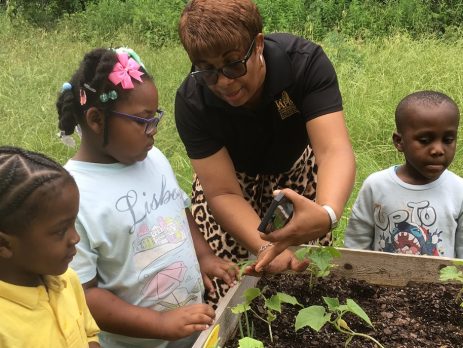
closeup on hands planting seeds in a garden plot

California Extension partners to plant therapeutic garden for those in transitional housing

California has one of the highest populations of unhoused people in the nation, 44 out of every 10,000 people do not have stable housing. Being unhoused is strongly tied to food insecurity, including a lack of access to fresh foods, like fruits and vegetables.  When Alameda County CalFresh Healthy Living, University of California Cooperative Extension (CFHL, UCCE), decided to restart [...]

Read more...
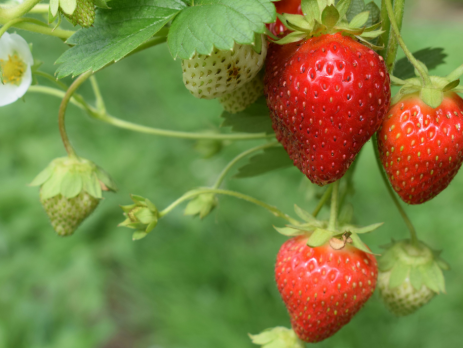
a strawberry plant

Extension helps strawberry farmers in Georgia and South Carolina save their growing season

Strawberries grown in Georgia bring in more than $15 million in sales annually, but the true value of growing strawberries is in agritourism — farms that open their doors to families to come pick fruit and enjoy a taste of farm life. For the past four years, the strawberry business in Georgia has been hindered by a new, highly [...]

Read more...
grapes in a vineyard

Leaf removal supports healthy wine grapes

Wine grape vineyards are vulnerable to fungal diseases that can ruin the grape crop and make the wine unsellable if not managed properly. As more wine producers move toward organic farming or using biodynamic methods, the fungicides producers can use are limited. One nonchemical way to reduce these diseases is to remove leaves in the cluster zone of the [...]

Read more...
two scientists take samples and measurements in a field

Developing climate-friendly farming practices to reduce nitrous oxide emissions

Nitrous oxide is a greenhouse gas that is about 300 times better at trapping heat than carbon dioxide, so even small emissions of nitrous oxide affect the climate. Organic agricultural practices, such as legume cover crops and applications of animal manure, can curtail nutrient runoff and soil erosion when combined but at the same time release nitrous oxide. Researchers at [...]

Read more...
pesticides for spotted lanternflies

Bilingual Spray Safe, Spray Well recordings provide permanent resource for pesticide safety

Beginning organic growers, urban farmers and Spanish-speaking vegetable producers have been historically underserved by traditional cooperative Extension efforts to support agricultural risk management, especially related to safe and effective pesticide use. Production systems commonly used by beginning organic growers and urban farmers are often smaller, more intensive and less dependent on chemical control strategies for pest management than larger [...]

Read more...