Tag - Wisconsin

State/Territory

a purple flowering plant

Research provides more sustainable pest management options

Agricultural land and natural ecosystems face growing threats from invasive and noxious grasses and weeds, feral animals, pests and diseases that impair ecosystem services and agricultural productivity. Chemical pesticides can pose human and environmental health risks. Land-grant university research had led to findings, tools and strategies for managing pests more sustainably. Here are a few examples of that work: Research and [...]

Read more...
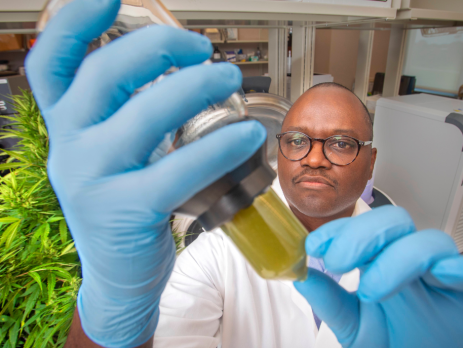
a scientist examines a sample

Land-grant university research uses natural methods to combat issues in antimicrobial resistance

Resistance to commonly used antimicrobials is a growing threat to human health. Researchers at land-grant universities have identified natural substances that can be used to fight bacteria and other microbes. These alternatives may be more sustainable options as they could pose fewer health risks and help limit the spread of antimicrobial resistance. Reducing antimicrobial resistance is key to preserving [...]

Read more...
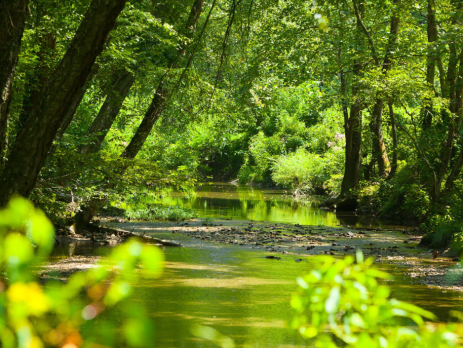
a creek through the woods

Precision monitoring aids decision makers and stakeholders in protecting key watersheds

Nutrient pollution, biodiversity losses and weather variability pose extraordinary challenges for the sustainability of natural ecosystems and the species that inhabit them. Land-grant universities are developing and applying emerging technologies that can help to more efficiently, accurately and safely monitor, measure and precisely manage these systems with minimal environmental impact. Here are a few examples of that work: To better understand [...]

Read more...
a small body of water

Protecting valuable water resources

Water resources that sustain agriculture and communities continue to face critical challenges. Land-grant universities are working to discover new ways to increase water use efficiency, reduce water use and protect water quality. Here are a few examples of that work: Researchers at Cornell University in New York engineered novel enzymes that can break down microplastics into small products that can be [...]

Read more...
two people sawing a tree

Volunteers help protect and restore local environments

Land-grant universities across the United States are finding ways to engage the public in science and stewardship that address real-world problems in their communities. With training and tools, volunteers are able to collect important data that help scientists, natural resource organizations, community members and the government protect and restore land, air and water resources — and the ecosystem services [...]

Read more...
a person looks at information on their phone and laptop

Extension builds financial resilience for community prosperity

Extension professionals at land-grant universities across the United States are helping communities build financial resilience by providing access to education and resources that foster financial literacy and money management. Here are a few examples of that work: Twenty-one percent of Oklahoma children live below the poverty level. An Extension program called Reality Check helped youths learn money management practices and job [...]

Read more...
an adult and teen work on a car

Extension programs drive economic growth and community vitality

Especially in rural areas, business owners, local leaders and others can have trouble finding support, information and resources. Across the nation, Extension programs are helping boost local economies and build vibrant communities. Here are a few examples of that work: In Mississippi, Extension professionals lead a program that educates new small business owners about resources and strategies that can help them [...]

Read more...
a family preparing a meal

Extension programs help families grow stronger as they navigate life’s challenges

Parenting isn’t easy — and neither are a myriad of other experiences that can arise in family life. To help people navigate situations like adjusting to co-parenting after a divorce, family disagreements and end-of-life planning, Extension professionals at land-grant universities lead research-backed initiatives that strengthen families and offer support for those going through difficult circumstances. Here are a few examples [...]

Read more...
a person wearing PPE and looking at a device

Land-grant universities support the viability of livestock production

From teaching producers biosecurity techniques to keeping poultry cool in extreme temperatures to identifying genetic traits that will optimize production, land-grant university researchers and Extension professionals are supporting the viability of livestock production in the United States. Here are a few examples of that work: Researchers at land-grant universities nationwide are developing and using advanced technologies and data to improve poultry [...]

Read more...
a person in woodworking shop works at a laptop

Building stronger rural economies: The role of education & entrepreneurship

The Community Economic Development Program at the University of Wisconsin Extension launched research-driven programs to support entrepreneurs, community leaders, and stakeholders. The Wisconsin Rural Entrepreneurial Venture provided three years of coaching to rural communities, helping seven towns strengthen local business ecosystems. The Homegrown program assisted 60 community leaders in underserved areas with economic data analysis, support networks and business [...]

Read more...
smiling person in front of a food truck

FEED Initiative: Empowering Food Entrepreneurs in Wisconsin

Food entrepreneurship is a powerful tool for economic growth, but success requires navigating business planning, licensing and financial regulations. The Food Entrepreneurship Ecosystem Development (FEED) Initiative, led by the University of Wisconsin Extension, provides hands-on support to early-stage food businesses.  In 2024, FEED connected with over 400 participants through a webinar series, an in-person summit and specialized workshops. The annual [...]

Read more...
dry, cracked soil

Helping farmers affected by natural disasters with their mental health resiliency and safety

Drought, flooding and fire risk increasingly impact the mental health and safety of farmers, who are already less likely to seek mental health support. Ensuring the well-being of food producers ensures sustainability and resilience of our agricultural sector. To address issues of drought and water scarcity affecting farmers’ mental health, Oregon State University Extension and community programs in southern Oregon [...]

Read more...
a closeup on two people holding hands

Extension helps Wisconsin residents tackle daunting task of end-of-life planning

It’s a subject no one wants to talk about: end-of-life planning. It can be a confusing and emotional topic but being proactive in making these plans can alleviate future stress and financial burden on loved ones.  Only 37% of Americans have completed Advance Care Directives. When Extension educators with the University of Wisconsin discovered a need for more educational outreach [...]

Read more...

Land-grant researchers and Extension educators protect essential pollinators

Pollinators play a critical role in the world’s ecosystems, facilitating the reproduction of flowering plants and ensuring the production of many crops. But many pollinator populations are declining or at risk due to habitat loss, pesticide use and changing environmental conditions. Researchers and Extension educators at land-grant universities across the United States are finding ways to protect pollinators. Here are [...]

Read more...
aerial view of a Wisconsin lake

Research explores freshwater lake microbiomes

Freshwater lakes are an important drinking water source. People use these lakes for recreation and fishing. But they’re also vital ecosystems to some aquatic communities. Each lake has its own community of microorganisms, called a microbiome. Certain factors, such as precipitation and nutrient runoff, can affect whether there are more “good” bacteria or “bad” toxin-producing bacteria in a lake. Unfortunately, [...]

Read more...
a farmer pulls a plant from the ground

Reducing barriers to success for new farmers

Beginning farmers face an increased need for educational support and networking to remain profitable. Land-grant universities are working to understand and meet these individual and community needs. Here are a few examples of that work: In Wisconsin, Extension partnered with 12 agricultural associations and community organizations to facilitate focus groups exploring needs of beginning and early career farmers. They introduced Extension [...]

Read more...
young girl looks into a microscope

Strengthening communities by expanding access to education and resources

The Land-grant University System is helping make communities stronger by ensuring information and programs are accessible and beneficial to all. From making workplaces safer to bringing science education to new audiences to helping better connect residents with community resources, Extension professionals are keeping their mission to reach and serve all people top of mind. Here are a few examples of [...]

Read more...
Young child smiles holding vegetables

Strengthening Tribal communities through collaboration

Working with federally recognized Tribes, land-grant universities help provide evidence-based education and resources that represent the community’s history customs, governance system and food traditions. These programs promote and improve health, food security and sustainability for Tribal communities. Here are a few examples of that work: Representation and cultural relevancy for Tribal communities is critical for Extension outreach success. Health and nutrition [...]

Read more...
two scientists analyze samples in a food lab

Understanding how natural chemicals in food affect health

The foods and drinks we consume contain natural chemicals like vitamins, minerals, flavonoids, toxicants and hormones that can positively or negatively impact human health. Since 1971, a multistate project has brought together researchers at 22 land-grant universities to research the effects of these dietary bioactive chemicals. Studies shed light on mechanisms involved in bioactivity and determined how agricultural practices [...]

Read more...
photo of two older adults using resistance bands for exercise

Supporting healthy aging through activity, social connectedness, positive outlook

The older adult population is growing more rapidly than other age groups in the United States. At the same time, aging stigma and lack of information on aging can affect health outcomes. Land-grant universities across the country have unique programming to aid healthy aging by promoting activity, social connectedness, positive outlook and more. Here are a few examples of that [...]

Read more...
a group of smiling participants in athletic clothing flex their arms

Strength training program builds health and resilience

Chronic disease and health disparities are increasing. Physical activity, particularly through strength training, is one way to counteract these negative outcomes. Strength training contributes to enhanced bone density, joint flexibility, metabolic function and improvements in daily living activities, in addition to building muscle strength. Less than 15% of residents age 65 and older get the recommended amounts of aerobic [...]

Read more...
a closeup of hands examining wheat

Strong farms strengthen local food systems

New farmers just starting out and established farmers looking to expand markets have something in common: looking to the Land-grant University System to support their growth. Strong local farms strengthen local food systems and food security. Here are a few examples of this work: When participant surveys indicated a need for more in-depth and hands-on farmer education, Idaho Extension educators responded [...]

Read more...
a group of cows stands in a grassy area near some trees

Research, education improve livestock health

Livestock producers are continually searching for the best management strategies to protect animal health, which is essential to productivity and profitability as well as the animal’s well-being. Maintaining healthy animals also protects human health. Here are a few examples of how land-grant universities are contributing: When the highly pathogenic avian influenza (HPAI) threatened domestic poultry in Oregon, Extension responded rapidly with [...]

Read more...
crops growing in a field

Creating new, sustainable products from agricultural waste and biomass

Petroleum and other nonrenewable materials are commonly used for plastics, industrial chemicals, pharmaceuticals, cosmetics and other products we use on a daily basis. But many of these products can be made from biomass, including food and agricultural wastes. Bioproducts offer a way to improve energy security, food security and national security while also cutting back on fossil fuel-related pollution [...]

Read more...
A tractor sprays pesticides in an orchard

Safer, more sustainable pest management

Managing pests is essential to healthy, safe and productive agricultural, urban, residential and natural areas. But pesticides can cause air and water pollution and unintended harm to nontarget organisms. Pesticide exposure has also been linked to human health problems. In addition, many pests eventually develop resistance to commonly used chemicals, rendering those chemicals ineffective. Researchers and Extension educators across [...]

Read more...