Tag - University of Wisconsin

Institution

A river bisects a field and forested riparian area

Research and Extension support resilient ecosystems

Recent studies and programs are conserving and protecting water used for drinking, fishing, irrigation and recreation.  Washington research helped establish 25 anaerobic digesters across the Pacific Northwest, turning dairy manure from more than 143,000 cows into biogas that provides more than 126 million kilowatt-hours of renewable energy per year. Digesters decrease water quality risks associated with nutrient runoff from manure [...]

Read more...

Strengthening and building cooperative businesses to support employees, consumers and local producers

Cooperative businesses, or co-ops, are jointly owned by members, including consumers, employees and producers. Because Co-ops have different business and profit-sharing models than investor-owned, for-profit corporations, they are unique in their ability to drive local wealth creation and support social and economic community stability by strengthening local food systems and providing nutritious local farm products. Co-ops are important sources [...]

Read more...
Wellness on Wheels truck

Empowering community resilience

Community resilience support is a critical function of the land-grant system because it equips individuals, families and local organizations with the knowledge, tools and partnerships needed to adapt to economic, environmental and public health challenges. Through research-based education and Extension outreach, land-grant universities strengthen local capacity, promote equity and help communities not only recover from disruption but build long-term [...]

Read more...
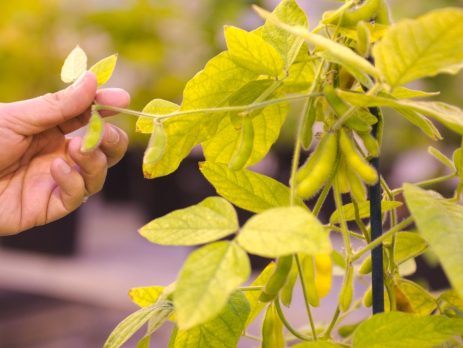
soybeans

Using genetics for crop disease resistance

Pests of major crops, including wheat, soybean, potatoes, tomatoes and wine grapes, cost American producers billions in yield losses each year and raise prices for consumers. Pathogens are steadily overcoming current genetic sources of resistance, making continuing efforts to identify and incorporate new genetics critical to reduce losses to farmers and protect markets and food security. Here are a few [...]

Read more...
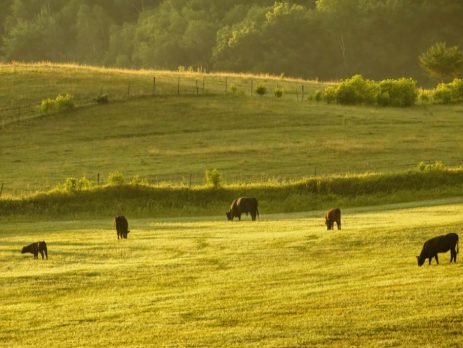
cows grazing

Soil carbon under managed grazing in Southern Wisconsin

Building organic carbon soil (SOC) on agricultural land is an important strategy for stabilizing the climate by storing carbon that would otherwise contribute to greenhouse gas emissions. Perennial grasslands managed for dairy and beef production are often promoted for their ability to increase SOC while also improving water quality, reducing flooding, enhancing biodiversity and supporting profitable farms. However, the [...]

Read more...
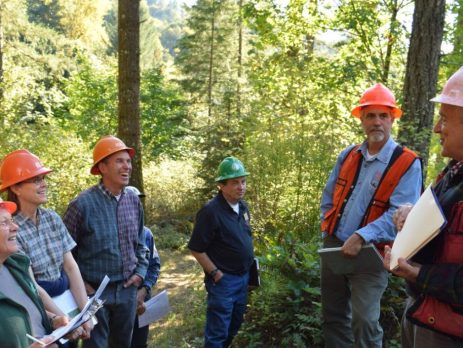
OSU Extension Master Woodland Managers attend a workshop.

Protecting private forests by growing good stewardship

More than half of forest land in the United States is privately owned. This land produces nearly all of the harvested timber that is used for building houses or made into forest products. Practicing good stewardship of private lands is important for ecosystem and community health. Because the more than 10 million private owners of these lands are often [...]

Read more...
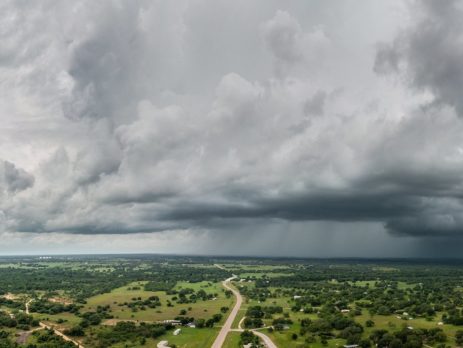
storm over farmland

Preparing for extreme weather

Extreme weather can affect communities, farms, businesses and livelihoods. These weather events, such as drought, wildfires and flooding can pose harm to people, livestock, plants and water quality. As extreme weather becomes more frequent and more intense, land-grant universities are equipping farmers, ranchers and communities with the proper tools to be prepared for and recover from its impacts. Here are [...]

Read more...
a purple flowering plant

Research provides more sustainable pest management options

Agricultural land and natural ecosystems face growing threats from invasive and noxious grasses and weeds, feral animals, pests and diseases that impair ecosystem services and agricultural productivity. Chemical pesticides can pose human and environmental health risks. Land-grant university research had led to findings, tools and strategies for managing pests more sustainably. Here are a few examples of that work: Research and [...]

Read more...
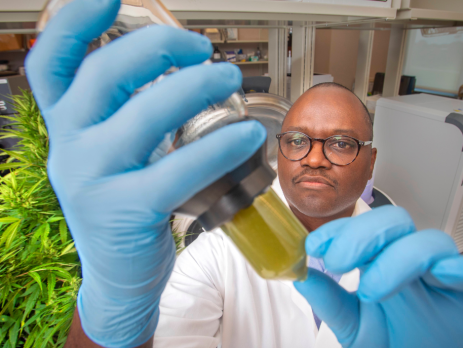
a scientist examines a sample

Land-grant university research uses natural methods to combat issues in antimicrobial resistance

Resistance to commonly used antimicrobials is a growing threat to human health. Researchers at land-grant universities have identified natural substances that can be used to fight bacteria and other microbes. These alternatives may be more sustainable options as they could pose fewer health risks and help limit the spread of antimicrobial resistance. Reducing antimicrobial resistance is key to preserving [...]

Read more...
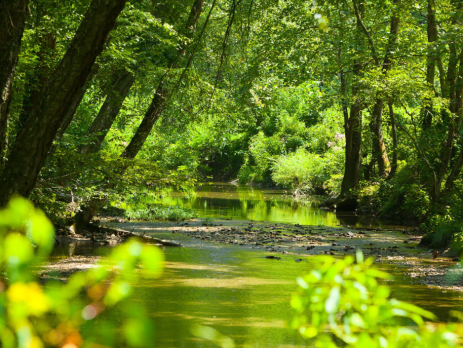
a creek through the woods

Precision monitoring aids decision makers and stakeholders in protecting key watersheds

Nutrient pollution, biodiversity losses and weather variability pose extraordinary challenges for the sustainability of natural ecosystems and the species that inhabit them. Land-grant universities are developing and applying emerging technologies that can help to more efficiently, accurately and safely monitor, measure and precisely manage these systems with minimal environmental impact. Here are a few examples of that work: To better understand [...]

Read more...
a small body of water

Protecting valuable water resources

Water resources that sustain agriculture and communities continue to face critical challenges. Land-grant universities are working to discover new ways to increase water use efficiency, reduce water use and protect water quality. Here are a few examples of that work: Researchers at Cornell University in New York engineered novel enzymes that can break down microplastics into small products that can be [...]

Read more...
two people sawing a tree

Volunteers help protect and restore local environments

Land-grant universities across the United States are finding ways to engage the public in science and stewardship that address real-world problems in their communities. With training and tools, volunteers are able to collect important data that help scientists, natural resource organizations, community members and the government protect and restore land, air and water resources — and the ecosystem services [...]

Read more...
a person looks at information on their phone and laptop

Extension builds financial resilience for community prosperity

Extension professionals at land-grant universities across the United States are helping communities build financial resilience by providing access to education and resources that foster financial literacy and money management. Here are a few examples of that work: Twenty-one percent of Oklahoma children live below the poverty level. An Extension program called Reality Check helped youths learn money management practices and job [...]

Read more...
an adult and teen work on a car

Extension programs drive economic growth and community vitality

Especially in rural areas, business owners, local leaders and others can have trouble finding support, information and resources. Across the nation, Extension programs are helping boost local economies and build vibrant communities. Here are a few examples of that work: In Mississippi, Extension professionals lead a program that educates new small business owners about resources and strategies that can help them [...]

Read more...
a family preparing a meal

Extension programs help families grow stronger as they navigate life’s challenges

Parenting isn’t easy — and neither are a myriad of other experiences that can arise in family life. To help people navigate situations like adjusting to co-parenting after a divorce, family disagreements and end-of-life planning, Extension professionals at land-grant universities lead research-backed initiatives that strengthen families and offer support for those going through difficult circumstances. Here are a few examples [...]

Read more...
a person wearing PPE and looking at a device

Land-grant universities support the viability of livestock production

From teaching producers biosecurity techniques to keeping poultry cool in extreme temperatures to identifying genetic traits that will optimize production, land-grant university researchers and Extension professionals are supporting the viability of livestock production in the United States. Here are a few examples of that work: Researchers at land-grant universities nationwide are developing and using advanced technologies and data to improve poultry [...]

Read more...
a person in woodworking shop works at a laptop

Building stronger rural economies: The role of education & entrepreneurship

The Community Economic Development Program at the University of Wisconsin Extension launched research-driven programs to support entrepreneurs, community leaders, and stakeholders. The Wisconsin Rural Entrepreneurial Venture provided three years of coaching to rural communities, helping seven towns strengthen local business ecosystems. The Homegrown program assisted 60 community leaders in underserved areas with economic data analysis, support networks and business [...]

Read more...
smiling person in front of a food truck

FEED Initiative: Empowering Food Entrepreneurs in Wisconsin

Food entrepreneurship is a powerful tool for economic growth, but success requires navigating business planning, licensing and financial regulations. The Food Entrepreneurship Ecosystem Development (FEED) Initiative, led by the University of Wisconsin Extension, provides hands-on support to early-stage food businesses.  In 2024, FEED connected with over 400 participants through a webinar series, an in-person summit and specialized workshops. The annual [...]

Read more...
dry, cracked soil

Helping farmers affected by natural disasters with their mental health resiliency and safety

Drought, flooding and fire risk increasingly impact the mental health and safety of farmers, who are already less likely to seek mental health support. Ensuring the well-being of food producers ensures sustainability and resilience of our agricultural sector. To address issues of drought and water scarcity affecting farmers’ mental health, Oregon State University Extension and community programs in southern Oregon [...]

Read more...
a closeup on two people holding hands

Extension helps Wisconsin residents tackle daunting task of end-of-life planning

It’s a subject no one wants to talk about: end-of-life planning. It can be a confusing and emotional topic but being proactive in making these plans can alleviate future stress and financial burden on loved ones.  Only 37% of Americans have completed Advance Care Directives. When Extension educators with the University of Wisconsin discovered a need for more educational outreach [...]

Read more...

Land-grant researchers and Extension educators protect essential pollinators

Pollinators play a critical role in the world’s ecosystems, facilitating the reproduction of flowering plants and ensuring the production of many crops. But many pollinator populations are declining or at risk due to habitat loss, pesticide use and changing environmental conditions. Researchers and Extension educators at land-grant universities across the United States are finding ways to protect pollinators. Here are [...]

Read more...
aerial view of a Wisconsin lake

Research explores freshwater lake microbiomes

Freshwater lakes are an important drinking water source. People use these lakes for recreation and fishing. But they’re also vital ecosystems to some aquatic communities. Each lake has its own community of microorganisms, called a microbiome. Certain factors, such as precipitation and nutrient runoff, can affect whether there are more “good” bacteria or “bad” toxin-producing bacteria in a lake. Unfortunately, [...]

Read more...
a farmer pulls a plant from the ground

Reducing barriers to success for new farmers

Beginning farmers face an increased need for educational support and networking to remain profitable. Land-grant universities are working to understand and meet these individual and community needs. Here are a few examples of that work: In Wisconsin, Extension partnered with 12 agricultural associations and community organizations to facilitate focus groups exploring needs of beginning and early career farmers. They introduced Extension [...]

Read more...
young girl looks into a microscope

Strengthening communities by expanding access to education and resources

The Land-grant University System is helping make communities stronger by ensuring information and programs are accessible and beneficial to all. From making workplaces safer to bringing science education to new audiences to helping better connect residents with community resources, Extension professionals are keeping their mission to reach and serve all people top of mind. Here are a few examples of [...]

Read more...
Young child smiles holding vegetables

Strengthening Tribal communities through collaboration

Working with federally recognized Tribes, land-grant universities help provide evidence-based education and resources that represent the community’s history customs, governance system and food traditions. These programs promote and improve health, food security and sustainability for Tribal communities. Here are a few examples of that work: Representation and cultural relevancy for Tribal communities is critical for Extension outreach success. Health and nutrition [...]

Read more...