Tag - University of California

Institution

Healthy foods and exercise equipment.

Research and Extension strengthen nutrition, health and well-being

Chronic diseases are the leading cause of illness, disability and death in America. Research and Extension are fighting back. Over half of adults who participated in a Texas diabetes education program now choose healthier foods, monitor glucose levels during exercise, and control their diabetes to avoid interference with daily life. These changes could help participants save up to $94,021 in [...]

Read more...
Vegetables for sale at a farmers market stand.

Research and Extension ensure everyone has ample access to affordable, safe, nutritious food

Invasive pests damage crops, costing U.S. agriculture an estimated $30 billion annually. Pest management research and Extension are stabilizing the food supply chain. Efforts have led to: Cost-effective alternatives to glyphosate for herbicide-resistant Russian thistle control in Oregon, protecting more than 30,000 acres of wheat and preventing over $1 million in yield losses so far.Oregon State University Extension Service; Other [...]

Read more...
A river bisects a field and forested riparian area

Research and Extension support resilient ecosystems

Recent studies and programs are conserving and protecting water used for drinking, fishing, irrigation and recreation.  Washington research helped establish 25 anaerobic digesters across the Pacific Northwest, turning dairy manure from more than 143,000 cows into biogas that provides more than 126 million kilowatt-hours of renewable energy per year. Digesters decrease water quality risks associated with nutrient runoff from manure [...]

Read more...
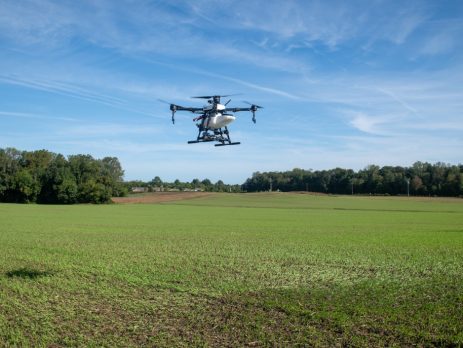
A drone flies over a field.

Research and Extension make agricultural systems more efficient, profitable and resilient

Strategies and tools for managing crop pests and diseases have increased productivity and profitability. For example: Extension units across the nation offer plant and pest diagnostic clinics. In New Mexico, free diagnoses saved producers an estimated $36,000 in testing fees in 2025, while also supporting biosecurity and export compliance. In Indiana, lab results and recommendations saved clients $890,000 in reduced [...]

Read more...
Multiple glass containers with orange and red fruit liquids in them sit on a table.

Researchers look to science for healthier, better tasting food and drink

Working to create better tasting and more wholesome foods via science means not only healthier consumers, but also more markets for producers and value-added opportunities for entrepreneurs. At land-grant universities across the country, food scientists work to make sure agricultural commodities and value-added products have the best taste, texture, aroma and appearance possible, without compromising — and sometimes even [...]

Read more...
two seniors lifting small dumbbells

Healthy aging

Healthy aging is essential for maintaining independence, well-being and quality of life as people grow older, and it benefits not only individuals but also their families and communities. Cooperative Extension programs play a vital role in supporting this process by offering research-based education, practical skills and community-centered resources. These resources help adults stay active, socially connected and informed about [...]

Read more...
A pair of hands in yellow gloves gently hold a strawberry plant, showing a flower and immature green strawberry, in a strawberry field.

Research helps increase specialty crop profitability

Specialty crop growers provide popular products to consumers. There are many challenges to growing the products commercially. Land-grant universities support growers with research and resources that help increase profitability and informed decision-making. Here are a few examples of that work: Apples are a popular product among consumers, but there are many challenges to growing them commercially in the Midwest and making [...]

Read more...
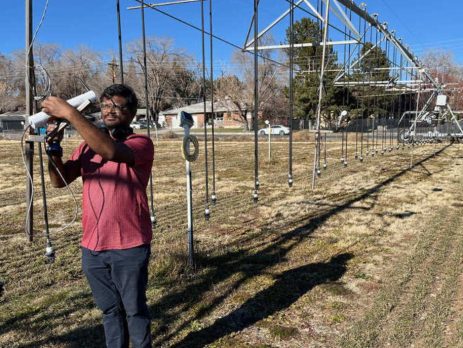
a researcher examines equipment for irrigation measurement

Informed decisions to optimize water use and irrigation investments

Harsh weather conditions and limited water access are driving research and technology innovation that will help farmers and producers make informed decisions about irrigation investments and how to optimize water use efficiency.   In Nevada, water is so limited that inefficient use of irrigation water can reduce crop yields and threaten a farm’s financial viability. Traditional irrigation systems assume uniform field [...]

Read more...
chickens around a feeder

Mitigating costly poultry diseases

Avian diseases pose a major challenge to the nation’s $77 billion poultry industry and drastically increase the cost of poultry products for consumers. Avian diseases can also pose a health threat to other animals and humans. At the same time, there is a demand to produce poultry without antibiotics or other drugs commonly used to fight diseases. Working together, [...]

Read more...
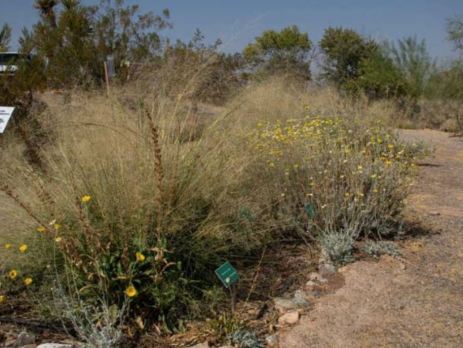
flowering plants growing in the desert

Extension programs help producers, communities manage pests sustainably

Agricultural land and natural ecosystems face growing threats from invasive and noxious grasses and weeds, feral animals, pests and diseases that impair ecosystem services and agricultural productivity. Chemical pesticides can pose human and environmental health risks. Extension educators at land-grant universities help agricultural producers and communities develop and implement pest management strategies that are cost-effective but also minimize risks. Here [...]

Read more...
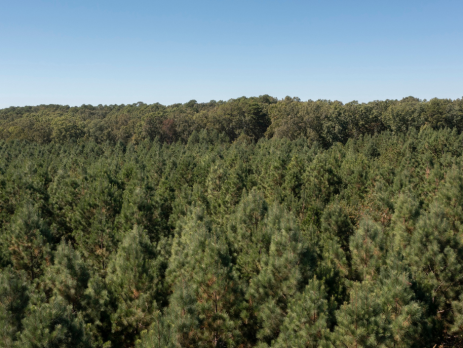
a forest

Preserving and managing our forests

Forests provide a variety of goods, including food, lumber, and paper. They also provide wildlife habitat as well as green space and recreation. As natural carbon sinks, forests absorb carbon dioxide from the atmosphere and store carbon in soils. But rising temperatures, pests and diseases pose threats to forests. Researchers, Extension professionals and educators at land-grant universities across the [...]

Read more...
two people sawing a tree

Volunteers help protect and restore local environments

Land-grant universities across the United States are finding ways to engage the public in science and stewardship that address real-world problems in their communities. With training and tools, volunteers are able to collect important data that help scientists, natural resource organizations, community members and the government protect and restore land, air and water resources — and the ecosystem services [...]

Read more...
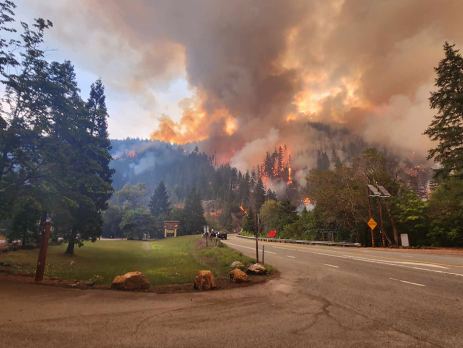
wildfire in the mountains of Del Norte County, northern California

Timely wildfire loss data supports rapid recovery for residents, businesses in northern California

Starting on Aug. 15, 2023, the Smith River Complex fires burned almost 100,000 acres in Del Norte County in northern California. The lightning-sparked fires knocked out the main power line to the small, rural county. On average, residents and businesses were without power for six days. Property burned and food spoiled. To help the community recover some economic losses, University [...]

Read more...
biodiesel fuel pump

Sustainable energy to meet growing demands

Non-renewable energy sources are limited, and demand is growing. Fossil-fuel based energy production and use contribute significantly to pollution and changes in our climate. Improving energy efficiency and developing renewable energy sources is essential to meeting growing demand and can lower energy bills, create new jobs and promote rural prosperity. Reducing reliance on fossil fuels can improve national security [...]

Read more...
A tractor sprays pesticides in an orchard

Safer, more sustainable pest management

Managing pests is essential to healthy, safe and productive agricultural, urban, residential and natural areas. But pesticides can cause air and water pollution and unintended harm to nontarget organisms. Pesticide exposure has also been linked to human health problems. In addition, many pests eventually develop resistance to commonly used chemicals, rendering those chemicals ineffective. Researchers and Extension educators across [...]

Read more...
crops growing in a field

Creating new, sustainable products from agricultural waste and biomass

Petroleum and other nonrenewable materials are commonly used for plastics, industrial chemicals, pharmaceuticals, cosmetics and other products we use on a daily basis. But many of these products can be made from biomass, including food and agricultural wastes. Bioproducts offer a way to improve energy security, food security and national security while also cutting back on fossil fuel-related pollution [...]

Read more...
sweet potato root galls

Land-grant universities nationwide work together to sustainably manage nematodes

Nematodes are tiny, usually microscopic, roundworms that are incredibly common and widespread. They account for 80% of all individual animals on Earth. Some nematode species are beneficial to agriculture, while others have major detrimental impacts. Plant-parasitic nematodes can lead to poor soil and low crop yields. In the United States, annual economic losses due to nematode infection of crops [...]

Read more...
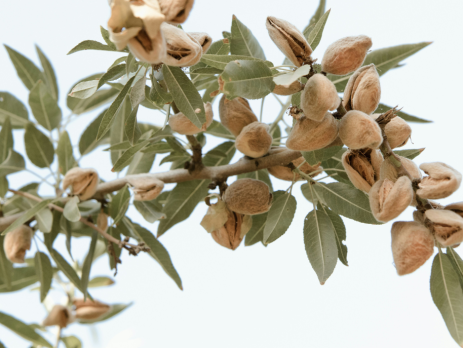
almonds growing on a tree

Innovative spray system reduces pesticide drift from California almond orchards

Pesticide drift from farm fields and orchards can pose a health risk to people working and living nearby. These chemicals can cause respiratory issues, skin irritation and other harmful effects. To reduce the risk of pesticide drift, University of California Cooperative Extension developed an innovative spray backstop system for almond orchards. Combining engineering, agriculture and environmental science expertise, the scientists [...]

Read more...