
Tag - Texas A&M University

Institution

a family preparing a salad

Delivering nutrition and health education and resources at the community level

The SNAP-Ed program provides research-based nutrition education to SNAP recipients and those who are eligible for benefits, helping individuals and families make more nutritious food choices, stretch their food dollars and lead healthier lifestyles. Land-grant universities play a key role by leveraging Extension professionals to deliver nutrition education and resources directly to a wide audience of communities. The program [...]

Read more...
view of tree canopy from below

Private land stewardship protects environment and communities

Practicing good stewardship of private lands is important for the health of our ecosystems and communities. Researchers, Extension professionals and educators at land-grant universities across the United States provide training, tools and other resources to help private landowners manage their land in ways that are environmentally friendly and economically sustainable. Here are a few examples of that work: Extension professionals in [...]

Read more...
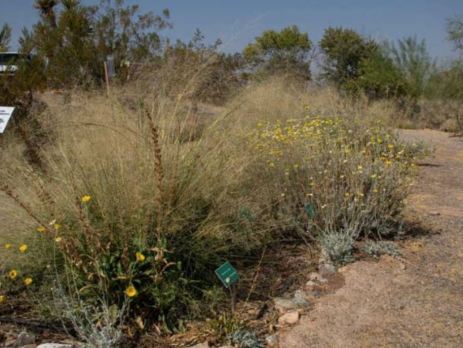
flowering plants growing in the desert

Extension programs help producers, communities manage pests sustainably

Agricultural land and natural ecosystems face growing threats from invasive and noxious grasses and weeds, feral animals, pests and diseases that impair ecosystem services and agricultural productivity. Chemical pesticides can pose human and environmental health risks. Extension educators at land-grant universities help agricultural producers and communities develop and implement pest management strategies that are cost-effective but also minimize risks. Here [...]

Read more...
two people sawing a tree

Volunteers help protect and restore local environments

Land-grant universities across the United States are finding ways to engage the public in science and stewardship that address real-world problems in their communities. With training and tools, volunteers are able to collect important data that help scientists, natural resource organizations, community members and the government protect and restore land, air and water resources — and the ecosystem services [...]

Read more...
a ladybug

Land-grant universities offer solutions for pest management

Land-grant university pest management programs promote sustainable agriculture. In particular, research-based education helps farmers use pesticides more effectively and safely, improving pest control efficiency and reducing human and environmental exposure to chemicals that can pose health risks. Overall, these practices foster more sustainable farming, leading to healthier ecosystems and improved long-term agricultural productivity. Here are a few examples of that [...]

Read more...
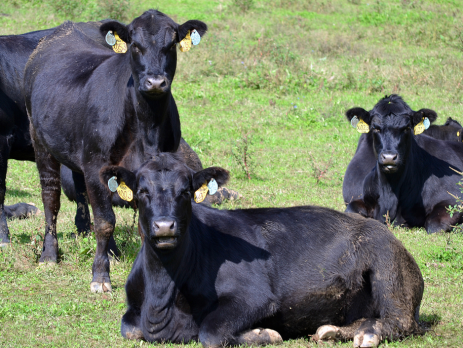
cows

Land-grant university research, outreach support beef production

The United States is the world’s top producer of beef, contributing to about 20% of the world’s production. In 2023, the U.S. beef industry had an estimated value of $102 billion. Land-grant universities are supporting the beef industry through research, Extension and education, ensuring producers remain economically viable and are able to safely meet changing market demands. Here are a [...]

Read more...
honey sale sign at a farmers market

Developing new farmers, new products and new markets to boost agriculture sector

Many communities across the United States are seeing a decline in the agricultural workforce as experienced farmers retire. This issue has been exacerbated by national declines in new and beginning farmers. Land-grant universities are working to recruit and train new farmers, address their challenges and find ways to help them to thrive, including new crops and new marketing opportunities. [...]

Read more...
3 people riding horses on a prairie with the text "Generation Next: Our Turn to Ranch" and the Texas A&M Agrilife Extension logo

Supporting the next generation of ranchers in Texas

The Generation Next course led by Texas A&M AgriLife Extension gives new landowners (or those who expect to inherit land) the knowledge, skills and motivation they need to operate successful ranches and achieve their dreams. The 12-week, online course is taught twice per year covering topics that include understanding agricultural business taxes and insurance, finance tracking, evaluating land resources, land [...]

Read more...

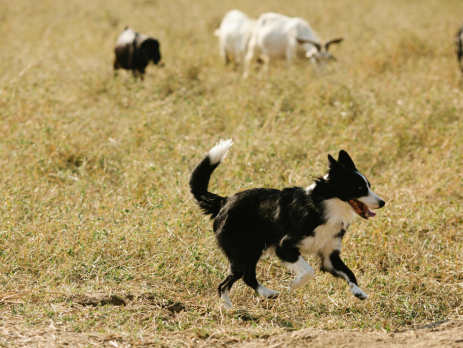
Dogs can be lifesavers for livestock

Like guardian angels, guardian dogs can be lifesavers for livestock. Increasing conflicts between livestock and predatory wildlife have prompted ranchers to seek effective and affordable protection for their cattle, sheep and other livestock. Through workshops, consultations and online resources, Texas A&M AgriLife Extension researchers help livestock producers manage and train livestock guardian dogs to effectively deter predators such as coyotes, [...]

Read more...
a feral hog

Trapping training helps reduce feral hog population in Arkansas

Feral hogs cause extensive economic losses in agricultural economies and impact forests, wildlife habitat and the landscape. The U.S. Department of Agriculture estimates feral hogs cause $41.3 million in crop, pasture and livestock losses annually in Arkansas alone. To address feral hog populations, Arkansas Extension agents received training in net capture systems and installed eight systems to capture the hogs. [...]

Read more...
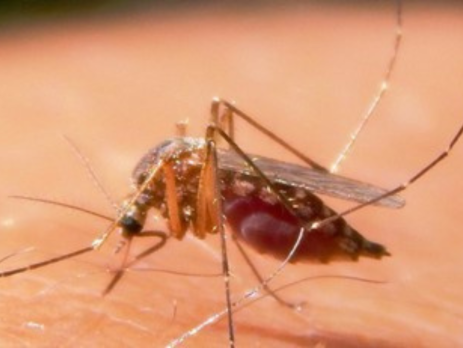
a mosquito on human skin

Texas vector and tick management education

The Texas A&M AgriLife Extension Vector Management Program is the state’s only comprehensive educational resource for vector control professionals, providing up-to-date information on insect vectors, disease transmission and management strategies. Established in response to the 2012 West Nile Virus outbreak, which infected 1,868 Texans and resulted in 89 fatalities, the program has since expanded to address a broader range [...]

Read more...
photo of a jar being removed from canning water by a pair of tongs

Holistic programs address community health

Obesity is on the rise in the United States, and this increases the risk of diabetes, hypertension and poor overall quality of life. Moreover, health disparities among low-income populations are well documented because food insecurity issues mean they lack nutritionally adequate and safe food. The Land-grant University System uses holistic programs to address community health. Here are a few examples [...]

Read more...
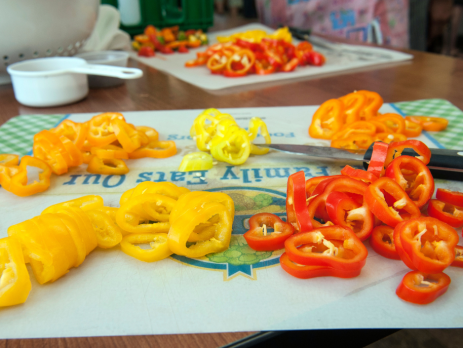
peppers being sliced on a cutting board

Supporting families with community nutrition programs

Youths and adults face a variety of health issues, from food insecurity to cardiovascular disease, obesity and diabetes. Cooperative Extension’s Expanded Food and Nutrition Education Program (EFNEP) and Supplemental Nutrition Assistance Program Education (SNAP-Ed) serve low-income residents nationwide and help address these issues by helping participants eat healthy, shop on a budget and stay active. Here are a few examples [...]

Read more...
Photo of blueberries, glucose monitor, cherries, dumbbell and tape measure

Diabetes education helps individuals, families manage chronic disease

Type 2 Diabetes is increasing at an epidemic rate in the U.S. This chronic disease requires daily management to control blood sugar levels and prevent life-changing complications. Many individuals and families struggle with diet modifications that would help manage health and also have limited access to nutrition and diabetes professionals. The Land-grant University System helps fill that gap, providing [...]

Read more...
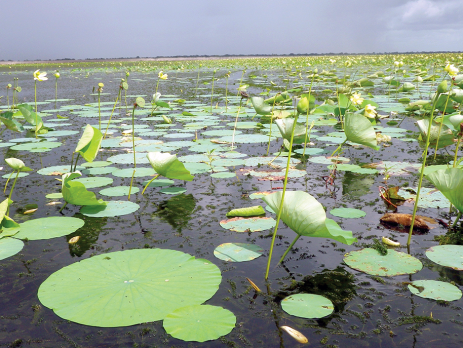
a body of water covered in lotus plants

Managing invasive species

Invasive species are organisms that are non-native to an ecosystem and whose introduction causes economic, social or environmental harm. Nearly every terrestrial, wetland and aquatic ecosystem in the United States has been invaded by non-native species, with economic losses estimated at $137 billion per year. Land-grant universities are leading the battle against invasive species. Here are a few examples of [...]

Read more...
a group of scientists planting experimental crops

Reaching diverse farms and farmers

Extension educators and researchers across the Land-grant University System reach diverse farmers and farms through programming, information and accessible tools. Their work ensures farming resources are available to all individuals. Here are a few examples of that work: Minnesota Extension launched a pilot project to bring Minnesota-grown goat meat to halal customers. The collaboration has resulted in the first halal certified [...]

Read more...
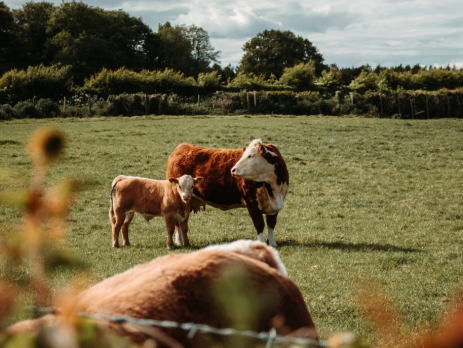
a group of cows stands in a grassy area near some trees

Research, education improve livestock health

Livestock producers are continually searching for the best management strategies to protect animal health, which is essential to productivity and profitability as well as the animal’s well-being. Maintaining healthy animals also protects human health. Here are a few examples of how land-grant universities are contributing: When the highly pathogenic avian influenza (HPAI) threatened domestic poultry in Oregon, Extension responded rapidly with [...]

Read more...
crops growing in a field

Creating new, sustainable products from agricultural waste and biomass

Petroleum and other nonrenewable materials are commonly used for plastics, industrial chemicals, pharmaceuticals, cosmetics and other products we use on a daily basis. But many of these products can be made from biomass, including food and agricultural wastes. Bioproducts offer a way to improve energy security, food security and national security while also cutting back on fossil fuel-related pollution [...]

Read more...
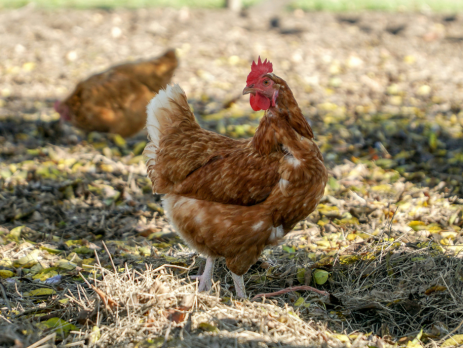
chicken in a field

Small acreage and new landowner education

Texas is experiencing rapid population growth in urban areas and, increasingly, in rural and urban-adjacent lands. This has created a rapid increase in first-time landowners and small-acreage landowners across the state. These landowners often lack knowledge on basic land management and conservation, leading to poor and varied management outcomes. Texas A&M AgriLife Extension developed a network of programs across Texas, [...]

Read more...
Texas Master Naturalist logo featuring a drawing of a dragonfly

Texas Master Naturalist volunteers contribute 6.8 million hours of service

Texas Master Naturalists combine their love for nature with a passion for service. These individuals are trained naturalists with specialized knowledge of different ecosystems, species, habitats and environmental demands. The Texas Master Naturalist (TMN) organization is sponsored by Texas Parks and Wildlife Department and Texas A&M AgriLife Extension Service. Skilled TMN volunteers work with communities and organizations across the state [...]

Read more...
A tractor sprays pesticides in an orchard

Safer, more sustainable pest management

Managing pests is essential to healthy, safe and productive agricultural, urban, residential and natural areas. But pesticides can cause air and water pollution and unintended harm to nontarget organisms. Pesticide exposure has also been linked to human health problems. In addition, many pests eventually develop resistance to commonly used chemicals, rendering those chemicals ineffective. Researchers and Extension educators across [...]

Read more...
beef cattle in a field

Texas’ beef cattle short course, considered largest in the nation, provides education to thousands

Beef cattle production in Texas is a $9 billion industry, representing 50% of the value of all agricultural commodities. Beef cattle producers in Texas operate in widely diverse production environments across a large geographic region. Texas producers desire timely information that is relative to their specific production settings and in a forum where subject matter experts can answer questions. The [...]

Read more...
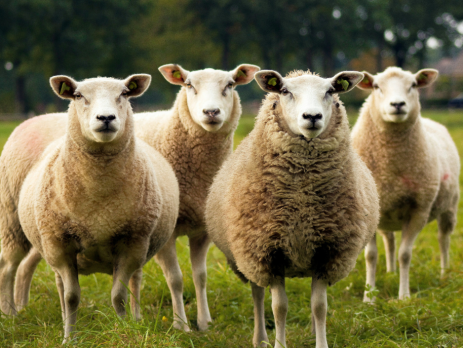
sheep in a field

Sheep producers in Texas and beyond empowered by knowledge gained at shearing school

Wool sheep require annual or biannual shearing to maintain proper health and productivity. Prior to 2016, Texas did not have any formal schools or trainings to develop sheep shearing professionals, forcing sheep farmers and ranchers to quit the sheep industry or switch to sheep that don’t require shearing. The first Texas A&M AgriLife Sheep Shearing School was held in January [...]

Read more...
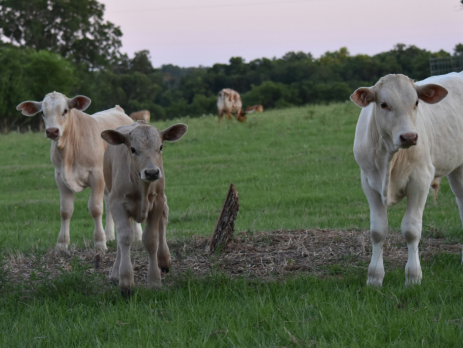
small texas cows

Historically underserved south Texas small-acreage farmers benefit from Extension trainings

In 2019, the Texas Community Futures Forum identified critical issues in three Rio Grande Valley counties: sustainable business models for small farms, increasing small-acreage gardens and job creation. Cameron, Hidalgo and Willacy counties have a combined agricultural market value of $214.45 million. Small-scale producers contribute to this total market value, but actual figures are unknown. Small-acreage farms – under [...]

Read more...