Texas vector and tick management education
The Texas A&M AgriLife Extension Vector Management Program is the state’s only comprehensive educational resource for vector control professionals, providing up-to-date information on insect vectors, disease transmission and management strategies. Established in response to the 2012 West Nile Virus outbreak, which infected 1,868 Texans and resulted in 89 fatalities, the program has since expanded to address a broader range of vector-borne diseases, including emerging tick-borne illnesses.
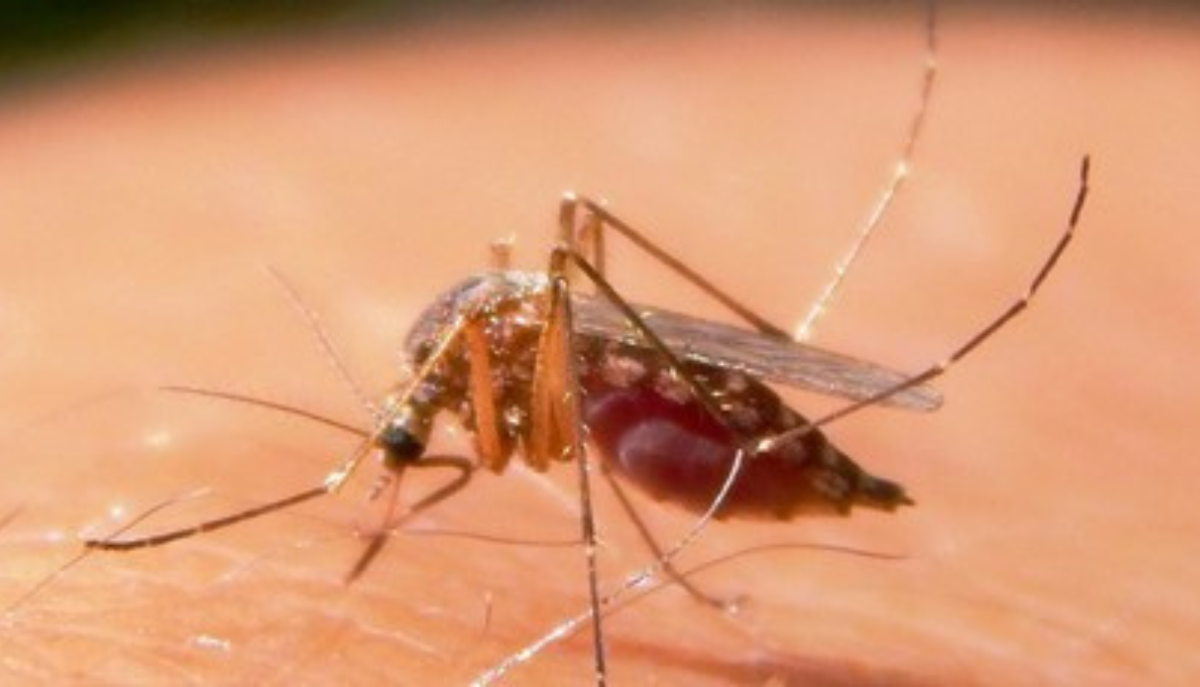
Texas, as a gateway for pathogens traveling northward from South and Central America, experiences a persistent impact from mosquito-borne diseases. To mitigate these risks, the Extension program delivers annual training for approximately 600 vector control professionals and provides additional outreach through county-based continuing education programs and Master Gardener/Naturalist initiatives.
Through targeted educational opportunities, the program enhances the capacity of vector control personnel and public health workers. Eleven vector management workshops were conducted across the state, training 598 professionals in collaboration with leading mosquito control organizations. Four pesticide applicator training courses trained 268 public health personnel, resulting in an 85.5% pass rate for the Vector Exam and an 82% pass rate for the General Exam. Participants collectively saved $67,625 in manual and testing fees through grant funding.
A three-day Master Vector-Borne Disease Course in Dallas provided in-depth instruction on mosquito and tick biology, ecology and surveillance techniques. The program also offered a two-day Advanced Mosquito Identification Course, focusing on Gulf Coast and invasive mosquito species, with hands-on laboratory experience. As part of the CDC-funded Gulf South V.E.C.T.O.R. Training Center, 33 professionals attended specialized tick workshops, gaining expertise in tick identification and disease management. Six county-based programs and three invited professional presentations reached 534 and 620 individuals, respectively, further expanding the program’s impact.
Participants reported significant increases in knowledge across key topics, including a 55% improvement in understanding of the Madariaga virus and a 53% increase in mosquito chemical ecology. Workforce development efforts support over 620 jobs valued at $55.7 million. By equipping professionals with essential vector management skills, this program safeguards Texas communities against vector-borne diseases and enhances public health preparedness statewide.
View the full statement on the NIDB.
Project supported by State Appropriations and Fee-Based Funding. Photo courtesy of Texas A&M AgriLife Extension.