Tag - Research

Mission Area

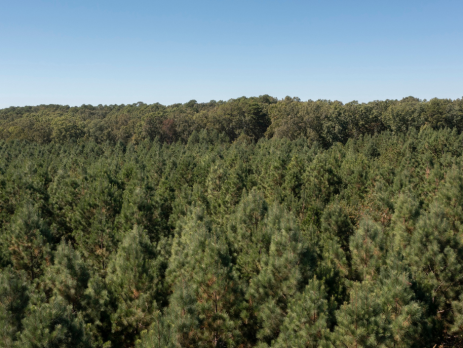
a forest

Preserving and managing our forests

Forests provide a variety of goods, including food, lumber, and paper. They also provide wildlife habitat as well as green space and recreation. As natural carbon sinks, forests absorb carbon dioxide from the atmosphere and store carbon in soils. But rising temperatures, pests and diseases pose threats to forests. Researchers, Extension professionals and educators at land-grant universities across the [...]

Read more...
an experimental setup for plant growth

Land-grant university research creates sustainable domestic products from agricultural waste and biomass

Petroleum and other nonrenewable materials are widely used for daily products, but many of these items can be made from biomass, including food and agricultural wastes. Bioproducts enhance energy, food and national security while reducing fossil fuel reliance and emissions. They also create jobs, boost the economy, provide farmers with extra income and reduce harmful disposal methods. Here are a [...]

Read more...
fruit growing on a tree

Specialty crop growers benefit from land-grant university research

Scientists at land-grant universities are responding to local grower needs to strengthen specialty crop quality and economics. Here are a few examples of that work: Researchers in New York are studying a new threat to vineyards. Research on how the disease is spread through hoppers led to recommendations on management practices to manage the virus spread.Cornell AgriTech. See full statement.   Two-thirds of [...]

Read more...
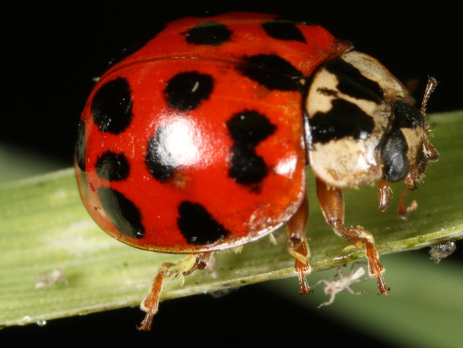
a ladybug

Land-grant universities offer solutions for pest management

Land-grant university pest management programs promote sustainable agriculture. In particular, research-based education helps farmers use pesticides more effectively and safely, improving pest control efficiency and reducing human and environmental exposure to chemicals that can pose health risks. Overall, these practices foster more sustainable farming, leading to healthier ecosystems and improved long-term agricultural productivity. Here are a few examples of that [...]

Read more...
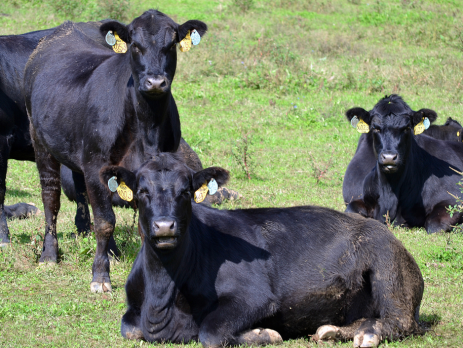
cows

Land-grant university research, outreach support beef production

The United States is the world’s top producer of beef, contributing to about 20% of the world’s production. In 2023, the U.S. beef industry had an estimated value of $102 billion. Land-grant universities are supporting the beef industry through research, Extension and education, ensuring producers remain economically viable and are able to safely meet changing market demands. Here are a [...]

Read more...
pigweed

Research and outreach on invasive species keep agriculture productive, profitable

Land-grant university research and outreach is helping manage the impacts invasive weeds and species have on growers and agricultural productivity. Here are a few examples of that work: When invasive pigweed threatened Idaho agriculture, Extension educators educated stakeholders on identification and best management practices. Educational materials have been widely shared, including more than 50 presentations to more than 4,000 direct contacts [...]

Read more...
a robot picking berries

Digital agriculture enhances production, monitoring capabilities

Data modeling, automated machinery and drones are just a few of the technologies that are powering improved efficiencies in livestock and crop production. Land-grant universities are at the forefront of researching and applying these technologies, paving the way for increased productivity, better disease management and optimized harvest timing. Here are a few examples of that work: In Idaho, many cattle producers [...]

Read more...
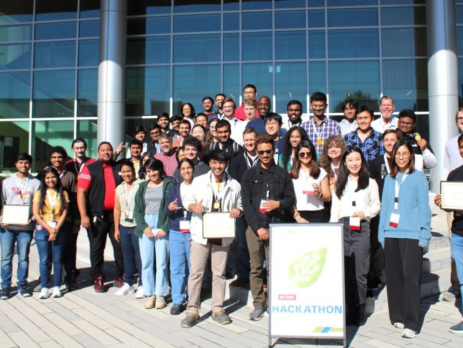
a group of smiling students

Education opportunities elevate agriculture issues and importance

Reaching youths and students early increases awareness of the importance of agriculture and the critical issues impacting producers. Land-grant universities are creating solutions to address educational gaps, improve understanding critical issues like cyber-biosecurity and provide students with practical knowledge, skills and information for the future. Here are a few examples of that work: Researchers in New Mexico recognized an opportunity for [...]

Read more...
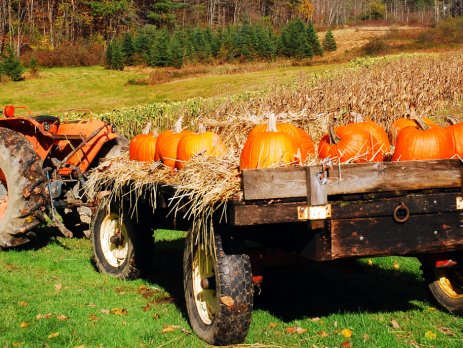
pumpkins in a tractor wagon

Research and Extension strengthens markets through technology, education

Preserving and strengthening markets is essential to the sustainability of the agricultural sector. Through technology and educational programs provided by land-grant universities, small agricultural businesses can identify new trends, develop risk management strategies and adopt new methods to ensure their businesses thrive. Here are a few examples of that work: Broadband plays a vital role in marketing businesses and facilitating commerce. [...]

Read more...
a person wearing PPE and looking at a device

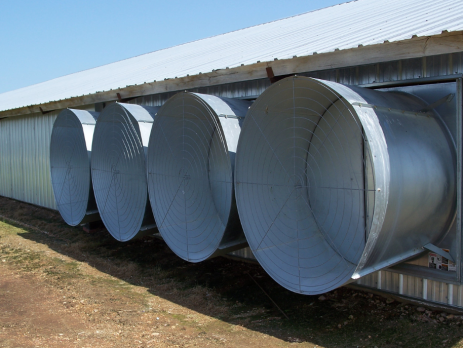
Land-grant universities support the viability of livestock production

From teaching producers biosecurity techniques to keeping poultry cool in extreme temperatures to identifying genetic traits that will optimize production, land-grant university researchers and Extension professionals are supporting the viability of livestock production in the United States. Here are a few examples of that work: Researchers at land-grant universities nationwide are developing and using advanced technologies and data to improve poultry [...]

Read more...
sheep

Advancing food security through sustainable livestock and crop innovations

Research at 1890 land-grant universities addresses critical challenges in animal and plant production. Collectively, these projects support sustainable food systems and food security by improving livestock and crop health, reducing reliance on agrochemicals and increasing production efficiency. Here are a few examples of that work: An Arkansas study on sheep health explored natural dietary supplements to reduce antibiotic and dewormer dependency, [...]

Read more...
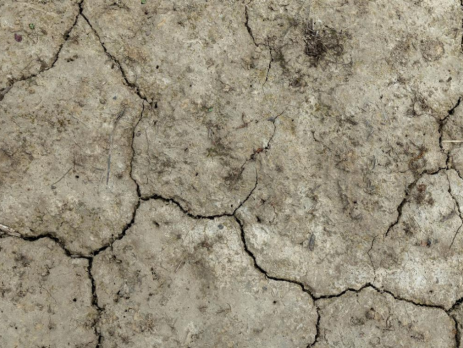
dry, cracked soil

Helping farmers affected by natural disasters with their mental health resiliency and safety

Drought, flooding and fire risk increasingly impact the mental health and safety of farmers, who are already less likely to seek mental health support. Ensuring the well-being of food producers ensures sustainability and resilience of our agricultural sector. To address issues of drought and water scarcity affecting farmers’ mental health, Oregon State University Extension and community programs in southern Oregon [...]

Read more...
cup being filled with water from a sink tap

Water resiliency programs directly help individual households

Water quality is a growing concern due to pollutants in streams, ponds, wetlands and groundwater. Extension programs in Pennsylvania and New Hampshire have successfully raised awareness and promoted remediation.  The Pennsylvania State University Water Resources Extension Team created the Safe Drinking Water Clinic, reaching 4,800 people annually. These clinics help identify health and aesthetic standards violations, leading to long-term cost [...]

Read more...
teapot and cup of green tea

Compounds in green tea have potential to benefit gut health and mitigate inflammation

Metabolic syndrome (MetS) affects over 34% of Americans and is a major risk factor for severe cardiometabolic disorders such as diabetes, obesity and high blood pressure. Researchers at the Ohio Agricultural Research and Development Center are building on previous findings by investigating the potential of green tea extract to support gut health and mitigate inflammation in individuals with metabolic [...]

Read more...
a young child in a highchair eats a piece of broccoli

Extension educates families on the link between poor diet, dental cavities in young children

Dental decay is the most common chronic condition in children, and those from families with low-income experience poor diet quality and cavities. Families face challenges in promoting healthy diets and dental care to their children due to barriers such as lack of transportation, targeted advertising and limited access to healthy foods. The University of Connecticut Extension supports the SNAP-Ed nutrition [...]

Read more...
person hiking wearing a baby carrier

Integrating biodiversity conservation with outdoor recreational activities for public well-being

More than 6 million visitors enjoy the trails of the White Mountain National Forest in New Hampshire annually, as hiking plays a significant role in the state’s recreational tourism economy. A study supported by the New Hampshire Agricultural Experiment Station is investigating how the biological diversity of forests impacts the psychological well-being of hikers, helping understand the relationship between [...]

Read more...
aerial view of rural homes

Multistate research shows health effects from chronic stress impact rural residents more than urban

A study led by a team of Pennsylvania State University researchers has shown that living rurally is associated with more “wear and tear” on the body’s system from exposure to chronic stress than for urban residents. The findings were published in the journal “SSM–Population Health.”  Studies have long shown that rural populations in the United States have worse health outcomes than [...]

Read more...

Land-grant researchers and Extension educators protect essential pollinators

Pollinators play a critical role in the world’s ecosystems, facilitating the reproduction of flowering plants and ensuring the production of many crops. But many pollinator populations are declining or at risk due to habitat loss, pesticide use and changing environmental conditions. Researchers and Extension educators at land-grant universities across the United States are finding ways to protect pollinators. Here are [...]

Read more...

Land-grant university research helps stakeholders lower costs with renewable energy solutions

Non-renewable energy sources are limited, and growing demand exacerbates pollution and health issues. Enhancing energy efficiency and developing renewable sources are crucial to meet demand, reduce costs, create jobs and boost rural prosperity. Reducing fossil fuel reliance improves national security and public health. Researchers and educators in the Land-grant University System are finding innovative ways to improve energy efficiency [...]

Read more...
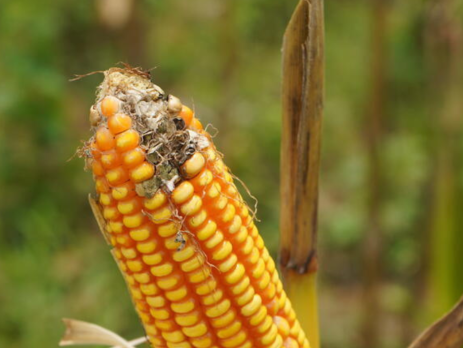
ear of corn with fungal growth

Mitigating fungal contamination of cereal grains with light

Fungal contamination threatens food security and public health and causes significant economic losses, especially in cereal crops. Aspergillus flavus and Fusarium graminearum are particularly impactful, with Fusarium alone causing over $300 million in annual U.S. losses.  Researchers at the University of Illinois Urbana-Champaign found that far-ultraviolet-C light (222-nanometer wavelength) effectively kills these fungi without harming grain quality. This treatment, safe [...]

Read more...
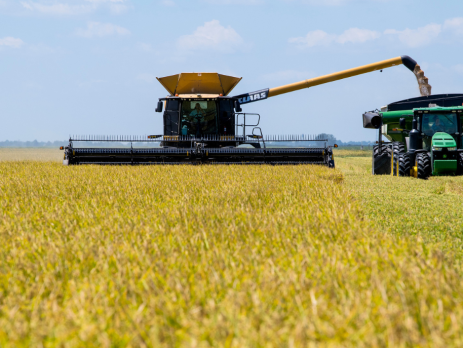
rice harvester

Developing informed guidelines for safer rice storage

Rice is a crop critical to the food security of citizens in the United States and globally, where half the world’s population relies on rice as a staple. However, an estimated 15% of rice production is lost annually due to contamination from fungi and other harmful organisms. When rice is exposed to high temperatures and humidity in storage, the [...]

Read more...
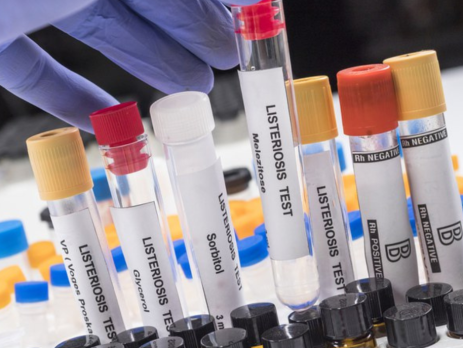
close up of experimental vials

Team finds ways to protect apples postharvest

Pennsylvania is the nation’s fourth largest producer of apples. Once these apples and other tree fruits are picked, they are sent to packing facilities where the fruit can come in contact with germs such as listeria that can survive in these cold and wet environments.  Pennsylvania State University researchers studied the seasonal changes in three different packing facilities and identified [...]

Read more...
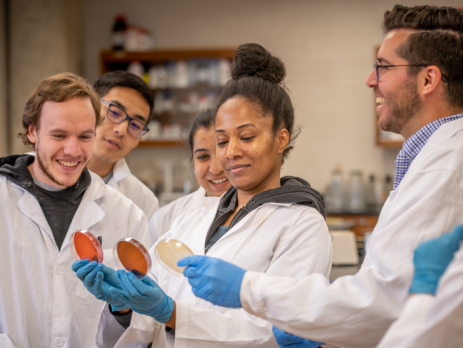
a group of scientists look at samples of petri dishes

Using genomics and machine learning to predict food-borne illness outbreaks

Each year about one in six Americans get sick from contaminated food. The germs that cause food-borne illnesses – like E. coli, salmonella and listeria – pop up throughout the food system. These outbreaks are hard to predict because scientists don’t yet know enough about how the germs survive and proliferate.  At the University of Maryland, researchers received funding from [...]

Read more...
a scientist examines samples in a petri dish

Innovative delivery system extends shelf life of bioactives

Bioactives are naturally present in foods and are associated with several health benefits to consumers. However, these compounds often occur in limited amounts, too small to reach an effective concentration. They also tend to oxidize when exposed to oxygen, light or heat.  At North Carolina A&T State University, researchers created an oleogel using rice bran wax and carnauba wax as [...]

Read more...
a scientist shows off a potato in a field

Breeding spuds to take the heat

Heat waves are becoming more common, and common crops are struggling to keep up. One problem is a photosynthetic glitch known as photorespiration, which occurs at a greater rate in some plants like potato crops exposed to hot conditions. The reason: An enzyme key to the process of photosynthesis mistakes oxygen for carbon dioxide during photorespiration, wasting energy and [...]

Read more...