Tag - Michigan State University

Institution

chickens around a feeder

Mitigating costly poultry diseases

Avian diseases pose a major challenge to the nation’s $77 billion poultry industry and drastically increase the cost of poultry products for consumers. Avian diseases can also pose a health threat to other animals and humans. At the same time, there is a demand to produce poultry without antibiotics or other drugs commonly used to fight diseases. Working together, [...]


Read more...
view of tree canopy from below

Private land stewardship protects environment and communities

Practicing good stewardship of private lands is important for the health of our ecosystems and communities. Researchers, Extension professionals and educators at land-grant universities across the United States provide training, tools and other resources to help private landowners manage their land in ways that are environmentally friendly and economically sustainable. Here are a few examples of that work: Extension professionals in [...]

Read more...
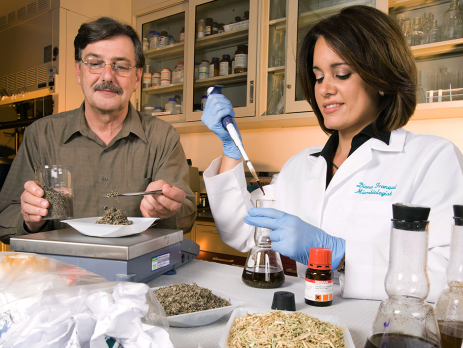
two scientists look at a tablet

Food industry worker training reduces foodborne illness and enhances workforce development

Foodborne illnesses are a common and costly, yet preventable, public health issue. Training workers in the food industry on food safety issues is critical to public health as well as workforce development. Land-grant universities across the country continue to find innovative and effective methods to train workers on foodborne illness, how to prevent it and how to train other [...]

Read more...
a teacher reading a book to students

Building foundations for health with early childhood education

Early childhood education is imperative as it lays the foundation for a child’s academic, social and emotional development. Learning about healthy habits and nutrition during these formative years equips children with essential skills for future success and well-being. The Cooperative Extension System addresses these needs by leveraging its extensive network of land-grant universities and local offices to provide research-based [...]

Read more...
a spread of healthy foods

Youth empowerment leads to healthful resilience

Empowering youth with nutrition and health education essential for building healthier communities. The Land-grant University System provides science-based programs that teach young people how to make informed food choices, develop lifelong healthy habits and understand the connections between nutrition and well-being. By equipping youth with this knowledge, the programs foster resilience, reduce the risk of chronic diseases and promote [...]

Read more...
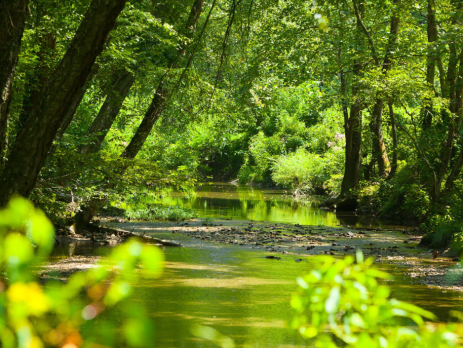
a creek through the woods

Precision monitoring aids decision makers and stakeholders in protecting key watersheds

Nutrient pollution, biodiversity losses and weather variability pose extraordinary challenges for the sustainability of natural ecosystems and the species that inhabit them. Land-grant universities are developing and applying emerging technologies that can help to more efficiently, accurately and safely monitor, measure and precisely manage these systems with minimal environmental impact. Here are a few examples of that work: To better understand [...]

Read more...
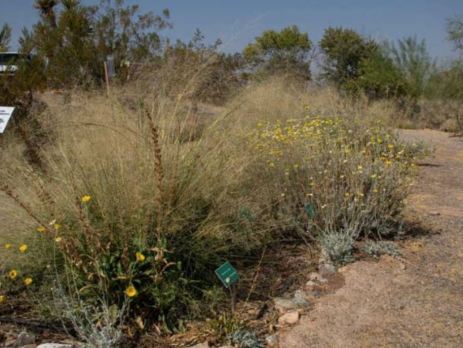
flowering plants growing in the desert

Extension programs help producers, communities manage pests sustainably

Agricultural land and natural ecosystems face growing threats from invasive and noxious grasses and weeds, feral animals, pests and diseases that impair ecosystem services and agricultural productivity. Chemical pesticides can pose human and environmental health risks. Extension educators at land-grant universities help agricultural producers and communities develop and implement pest management strategies that are cost-effective but also minimize risks. Here [...]

Read more...
two people sawing a tree

Volunteers help protect and restore local environments

Land-grant universities across the United States are finding ways to engage the public in science and stewardship that address real-world problems in their communities. With training and tools, volunteers are able to collect important data that help scientists, natural resource organizations, community members and the government protect and restore land, air and water resources — and the ecosystem services [...]

Read more...
an adult and teen work on a car

Extension programs drive economic growth and community vitality

Especially in rural areas, business owners, local leaders and others can have trouble finding support, information and resources. Across the nation, Extension programs are helping boost local economies and build vibrant communities. Here are a few examples of that work: In Mississippi, Extension professionals lead a program that educates new small business owners about resources and strategies that can help them [...]

Read more...
a person watching the "Field Crops Virtual Breakfast" on a laptop

Virtual education programs reach clientele where they live

Since 2020, virtual education has increasingly helped land-grant university research and Extension programs be more available to clientele where they live. These virtual programs are user-friendly and can be tailored to an audience’s educational level. By creating a virtual series that is informative and interactive, land-grant universities can significantly enhance the reach and impact of research and Extension information. Here [...]

Read more...
a scientist examining a plant

Land-grant scientists help farmers manage costly plant diseases effectively

Each year, plant diseases cost the global economy around $220 billion. Plant diseases kill crops and make their products unmarketable, wasting food and other resources while driving up costs for farmers and consumers. Land-grant university scientists are helping farmers monitor for diseases and manage them in a safe and cost-effective manner. Here are a few examples of that work: Researchers in [...]

Read more...

Land-grant researchers and Extension educators protect essential pollinators

Pollinators play a critical role in the world’s ecosystems, facilitating the reproduction of flowering plants and ensuring the production of many crops. But many pollinator populations are declining or at risk due to habitat loss, pesticide use and changing environmental conditions. Researchers and Extension educators at land-grant universities across the United States are finding ways to protect pollinators. Here are [...]

Read more...
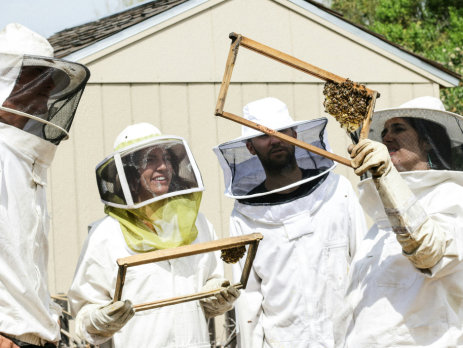
four people in beekeeper suits examine honeycombs from a beehive

Extension assists Michigan beekeepers to improve honeybee management

The Michigan State University Extension apiculture team partnered with the Michigan Beekeepers Association to conduct a needs assessment of the state’s small-scale beekeepers. Keeping bee colonies alive and disease identification and management were identified as the most important issues. An Extension apiculture educator then collaborated with Michigan beekeeping clubs to deliver in-person education on managing varroa mites and integrated pest management, [...]

Read more...
Young child smiles holding vegetables

Strengthening Tribal communities through collaboration

Working with federally recognized Tribes, land-grant universities help provide evidence-based education and resources that represent the community’s history customs, governance system and food traditions. These programs promote and improve health, food security and sustainability for Tribal communities. Here are a few examples of that work: Representation and cultural relevancy for Tribal communities is critical for Extension outreach success. Health and nutrition [...]

Read more...
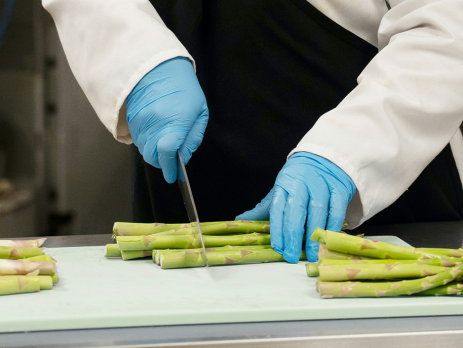
closeup photo of hands chopping asparagus on a cutting board, in an industrial looking kitchen

Training the next generation of culinary professionals

The food industry can be a path to economic stability. But to ensure public health, workers must know about foodborne illness, how to prevent it and how to train other employees. Trained individuals can also explore nontraditional culinary paths, which can have benefits for the home and family. Here are a few examples how land-grant institutions are contributing: Michigan Extension trains [...]

Read more...
peppers being sliced on a cutting board

Supporting families with community nutrition programs

Youths and adults face a variety of health issues, from food insecurity to cardiovascular disease, obesity and diabetes. Cooperative Extension’s Expanded Food and Nutrition Education Program (EFNEP) and Supplemental Nutrition Assistance Program Education (SNAP-Ed) serve low-income residents nationwide and help address these issues by helping participants eat healthy, shop on a budget and stay active. Here are a few examples [...]

Read more...
two scientists analyze samples in a food lab

Understanding how natural chemicals in food affect health

The foods and drinks we consume contain natural chemicals like vitamins, minerals, flavonoids, toxicants and hormones that can positively or negatively impact human health. Since 1971, a multistate project has brought together researchers at 22 land-grant universities to research the effects of these dietary bioactive chemicals. Studies shed light on mechanisms involved in bioactivity and determined how agricultural practices [...]

Read more...
closeup photo of hands in a meditative pose

Innovative approaches to mental well-being

The need to care for our mental well-being is more evident than ever, post-pandemic. More than half of Americans report COVID-19 has negatively impacted their mental health. Extension networks across the country are working to tackle this crisis, often employing new and innovative programming. Here are a few examples of that work: In Michigan, the Mental Health First Aid program trains [...]

Read more...
a forest dappled in sunlight

Natural resources foster healthy habits and reduce stress

“Forest bathing” is a term for immersing oneself in forests and other natural environments. A research-based framework shows the benefits of forest and natural environment immersion, including increased physical and mental well-being, reduced stress, improved creativity and happiness. This can lead to a happier family, community and work environment. However, participation is limited because of a lack of access [...]

Read more...
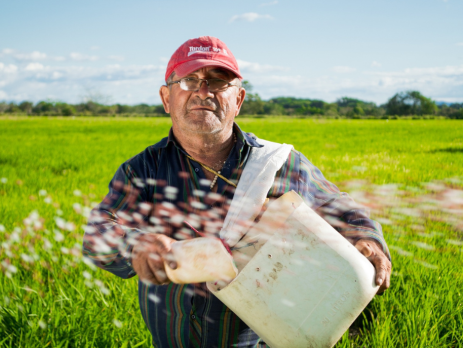
a farmer standing in a field

Aiding farmers and rural residents with mental health struggles

Agricultural producers have one of the highest suicide rates of any industry in the nation but can be hesitant to seek help when struggling with their mental health or have limited access to mental healthcare. Land-grant institutions across the country have implemented programming targeting mental health concerns. Here are a few examples of that work: The Farmer Focus Project surveyed producers [...]

Read more...
hands planting in soil

Afghan war refugees empowered to grow familiar foods

For Afghans resettling in the United States because of war in their country, the transition can become even more difficult as they must become accustomed to different foods. Michigan State University Extension found a way to help them grow some of the culturally important foods for their holidays and family gatherings. Food banks in the Lansing area were supplied container [...]

Read more...
closeup of hands holding a pea seed packet. there is a bag of seed packets in the background.

Community gardens increase food security and community well-being

Based on the 2023 National Gardening Survey, 80% of American households participated in a gardening project in 2022. Through Extension trainings, seed libraries and gardening kits and the efforts of Extension Master Gardener volunteers, land-grant universities are increasing access to gardens, improving community well-being, and helping individuals learn to grow their own food. Here are a few examples of that [...]

Read more...
two people look in a box of food at a food pantry

Food security resources for local communities

Limited access to healthy food options can lead to problems such as poor health, chronic illness, child development and family instability. Food pantries can help people who lack adequate food resources access a range of products locally. By connecting food pantries with resources, land-grant universities are helping communities better serve those in need. Here are a few examples of that [...]

Read more...
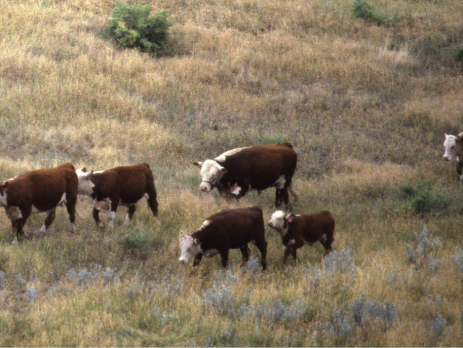
cattle walking through a field

Rapid response to animal and food safety and security threats

When disasters happen, land-grant universities are partners with local communities in sharing resources and information, providing training, offering testing and technical assistance and collaborating on future research. Timely and coordinated response efforts support local communities and producers and ensure access to a safe food supply. Here are a few examples of that work: Extension educators in Oregon responded quickly to coordinate [...]

Read more...
a closeup of hands examining wheat

Strong farms strengthen local food systems

New farmers just starting out and established farmers looking to expand markets have something in common: looking to the Land-grant University System to support their growth. Strong local farms strengthen local food systems and food security. Here are a few examples of this work: When participant surveys indicated a need for more in-depth and hands-on farmer education, Idaho Extension educators responded [...]

Read more...