Tag - Energy Efficiency and Renewable Energy

Topic

A river bisects a field and forested riparian area

Research and Extension support resilient ecosystems

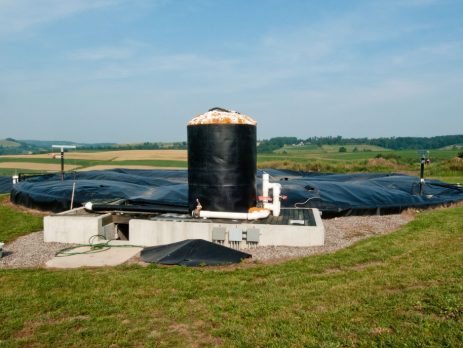
Recent studies and programs are conserving and protecting water used for drinking, fishing, irrigation and recreation.  Washington research helped establish 25 anaerobic digesters across the Pacific Northwest, turning dairy manure from more than 143,000 cows into biogas that provides more than 126 million kilowatt-hours of renewable energy per year. Digesters decrease water quality risks associated with nutrient runoff from manure [...]
Read more...

Land-grant university research and Extension drive new biofuels, bioplastics, biochar and other bio-based products, strengthening rural economies, environmental health and energy security

Here are a few examples of that work:  Partnering with a private company, scientists in Pennsylvania roduced and tested biomaterials to replace single-use, petroleum-based plastics. New composites made from cellulose and starch have improved stability and barrier properties and have been developed into compostable food packaging and handling products; adhesives and foams for packaging, wood composites and construction materials; and [...]

Read more...
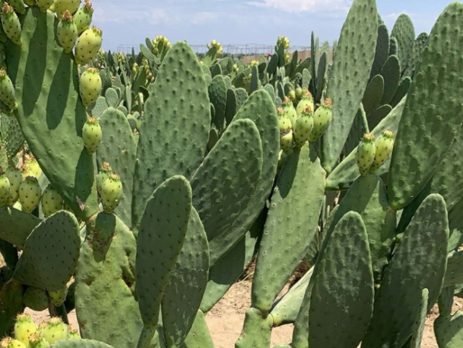
cacti

Developing sustainable domestic biofuels

Land‑grant universities are developing sustainable bioproduct solutions that transform renewable biomass, including food and agricultural wastes, into valuable materials. These bioproducts strengthen national energy and food security, lower greenhouse gas emissions and support rural economies. They also create new markets, provide farmers with additional income opportunities and help to reduce dependence on fossil fuels. Here are a few examples of [...]

Read more...
two students test manure at UNH Organic Research Dairy Farm

New solutions to support extended growing seasons for colder climates

Extending the growing season in colder climates can be challenging for small and mid-sized farms, especially in the northeastern U.S. Commercial greenhouses tend to be cost-prohibitive due to high energy demands. Another challenge faced in northern regions is winter waste management on livestock operations, when soils are often impermeable and microbial decomposition slows.  Scientists at the University of New Hampshire [...]

Read more...
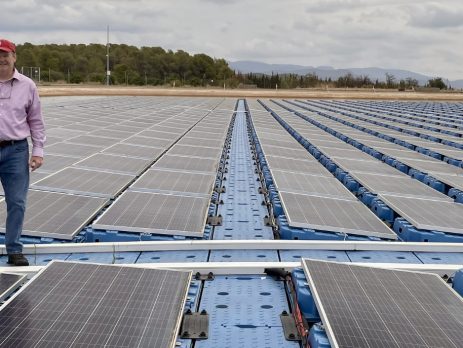
Mike Popp stands on a floating solar array with trees and mountains in the background.

Promoting research-based solar development

With the growth and expansion of solar energy production, producers and consumers in rural areas frequently express concern over whether solar development may compete with farmland availability or affect property values and local economies. For example, solar growth in Arkansas included 1,100 megawatts added in 2024, prompting questions about its impact on agricultural land use.  To address these concerns, a [...]

Read more...
fox on a trailcam with wind turbines in the background

How wind energy affects land mammals’ habitat selection

Renewable energy is an important source of electricity around the world. Wind energy facilities are among the fastest-growing forms of renewable energy, and they’re usually built in areas with the highest wind speeds. However, installing these turbines and maintaining these facilities can affect wildlife in the area. Birds and bats have died at wind energy facilities, but not much [...]

Read more...
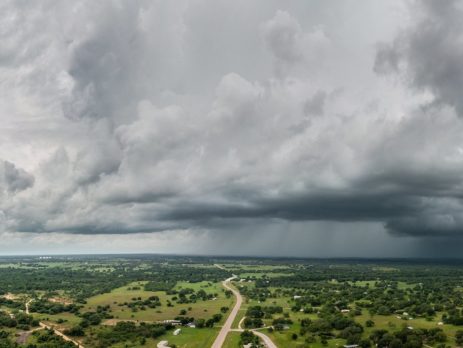
storm over farmland

Preparing for extreme weather

Extreme weather can affect communities, farms, businesses and livelihoods. These weather events, such as drought, wildfires and flooding can pose harm to people, livestock, plants and water quality. As extreme weather becomes more frequent and more intense, land-grant universities are equipping farmers, ranchers and communities with the proper tools to be prepared for and recover from its impacts. Here are [...]

Read more...
crops growing out of dry, cracked soil

Understanding and identifying solutions for weather impacts on agriculture

Drought, severe weather and wildfires can have significant economic impacts on agriculture. Research and educational programming by land-grant universities helps us understand these effects and strengthen resilience. Here are a few examples of that work: Red clover, a commonly used forage crop in the northeastern U.S., increases its phytoestrogen levels under drought conditions, potentially affecting livestock reproductive health. The economic impact [...]

Read more...
a person wearing PPE and looking at a device

Land-grant universities support the viability of livestock production

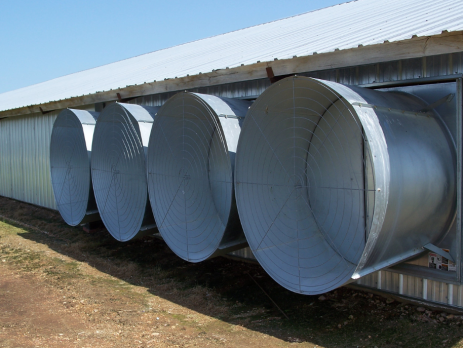
From teaching producers biosecurity techniques to keeping poultry cool in extreme temperatures to identifying genetic traits that will optimize production, land-grant university researchers and Extension professionals are supporting the viability of livestock production in the United States. Here are a few examples of that work: Researchers at land-grant universities nationwide are developing and using advanced technologies and data to improve poultry [...]

Read more...

Land-grant university research helps stakeholders lower costs with renewable energy solutions

Non-renewable energy sources are limited, and growing demand exacerbates pollution and health issues. Enhancing energy efficiency and developing renewable sources are crucial to meet demand, reduce costs, create jobs and boost rural prosperity. Reducing fossil fuel reliance improves national security and public health. Researchers and educators in the Land-grant University System are finding innovative ways to improve energy efficiency [...]

Read more...
closeup of hay

Reducing the cost of production for biofuels

Renewable products, such as biobutanol that is derived from biomass feedstocks, can provide alternative energy solutions to petroleum-based products like gasoline and diesel. However, producing renewable biofuels and biochemicals faces significant challenges due to the inefficient fermentation processes and high production costs. Researchers at The Ohio State University developed an innovative separation technology that reduced production costs of biobutanol by [...]

Read more...
biodiesel fuel pump

Sustainable energy to meet growing demands

Non-renewable energy sources are limited, and demand is growing. Fossil-fuel based energy production and use contribute significantly to pollution and changes in our climate. Improving energy efficiency and developing renewable energy sources is essential to meeting growing demand and can lower energy bills, create new jobs and promote rural prosperity. Reducing reliance on fossil fuels can improve national security [...]

Read more...