Tag - Western

Region

a scientist examining plants in a controlled environment agriculture setting

Advancing sustainable food production in soilless environments

Land-grant universities across the nation are working to make the food supply more secure by exploring the best ways to produce crops without soil. Hydroponic and aquaponic systems have many benefits, including reducing the inputs and space needed to produce food. Researchers are studying how to make the foods grown in these controlled environments safer and better. Extension personnel [...]

Read more...
a cicada

Land-grant universities help farmers manage pests in food crops

The challenges of managing pests and pesticide resistance requires ongoing, vigilant attention. Researchers and Extension specialists, in cooperation with farmers and industry across the United States, are helping farmers identify pests and determine whether and how to manage them. Effective pest management can help prevent crop failure, related economic losses and higher consumer prices. Here are a few examples of [...]

Read more...
ducks

Protecting biodiversity for healthy ecosystems and communities

Biodiversity supports healthy ecosystems and recreation around the world. A diverse range of species ensures stability and resilience in the face of environmental changes. Protecting biodiversity also preserves the opportunity for new discoveries, such as species that can be used as biological pest control agents or medicines. Land-grant university researchers and Extension professionals are working to protect the biodiversity [...]

Read more...
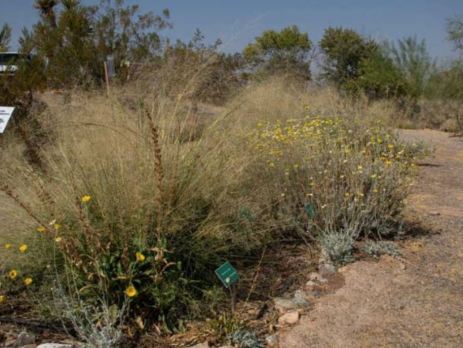
flowering plants growing in the desert

Extension programs help producers, communities manage pests sustainably

Agricultural land and natural ecosystems face growing threats from invasive and noxious grasses and weeds, feral animals, pests and diseases that impair ecosystem services and agricultural productivity. Chemical pesticides can pose human and environmental health risks. Extension educators at land-grant universities help agricultural producers and communities develop and implement pest management strategies that are cost-effective but also minimize risks. Here [...]

Read more...
a small body of water

Protecting valuable water resources

Water resources that sustain agriculture and communities continue to face critical challenges. Land-grant universities are working to discover new ways to increase water use efficiency, reduce water use and protect water quality. Here are a few examples of that work: Researchers at Cornell University in New York engineered novel enzymes that can break down microplastics into small products that can be [...]

Read more...
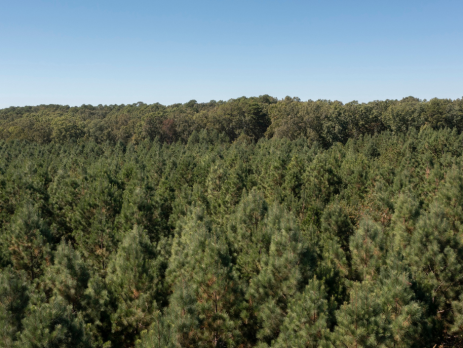
a forest

Preserving and managing our forests

Forests provide a variety of goods, including food, lumber, and paper. They also provide wildlife habitat as well as green space and recreation. As natural carbon sinks, forests absorb carbon dioxide from the atmosphere and store carbon in soils. But rising temperatures, pests and diseases pose threats to forests. Researchers, Extension professionals and educators at land-grant universities across the [...]

Read more...
two people sawing a tree

Volunteers help protect and restore local environments

Land-grant universities across the United States are finding ways to engage the public in science and stewardship that address real-world problems in their communities. With training and tools, volunteers are able to collect important data that help scientists, natural resource organizations, community members and the government protect and restore land, air and water resources — and the ecosystem services [...]

Read more...
a person looks at information on their phone and laptop

Extension builds financial resilience for community prosperity

Extension professionals at land-grant universities across the United States are helping communities build financial resilience by providing access to education and resources that foster financial literacy and money management. Here are a few examples of that work: Twenty-one percent of Oklahoma children live below the poverty level. An Extension program called Reality Check helped youths learn money management practices and job [...]

Read more...
an adult and teen work on a car

Extension programs drive economic growth and community vitality

Especially in rural areas, business owners, local leaders and others can have trouble finding support, information and resources. Across the nation, Extension programs are helping boost local economies and build vibrant communities. Here are a few examples of that work: In Mississippi, Extension professionals lead a program that educates new small business owners about resources and strategies that can help them [...]

Read more...
an experimental setup for plant growth

Land-grant university research creates sustainable domestic products from agricultural waste and biomass

Petroleum and other nonrenewable materials are widely used for daily products, but many of these items can be made from biomass, including food and agricultural wastes. Bioproducts enhance energy, food and national security while reducing fossil fuel reliance and emissions. They also create jobs, boost the economy, provide farmers with extra income and reduce harmful disposal methods. Here are a [...]

Read more...
fruit growing on a tree

Specialty crop growers benefit from land-grant university research

Scientists at land-grant universities are responding to local grower needs to strengthen specialty crop quality and economics. Here are a few examples of that work: Researchers in New York are studying a new threat to vineyards. Research on how the disease is spread through hoppers led to recommendations on management practices to manage the virus spread.Cornell AgriTech. See full statement.   Two-thirds of [...]

Read more...
a ladybug

Land-grant universities offer solutions for pest management

Land-grant university pest management programs promote sustainable agriculture. In particular, research-based education helps farmers use pesticides more effectively and safely, improving pest control efficiency and reducing human and environmental exposure to chemicals that can pose health risks. Overall, these practices foster more sustainable farming, leading to healthier ecosystems and improved long-term agricultural productivity. Here are a few examples of that [...]

Read more...
pigweed

Research and outreach on invasive species keep agriculture productive, profitable

Land-grant university research and outreach is helping manage the impacts invasive weeds and species have on growers and agricultural productivity. Here are a few examples of that work: When invasive pigweed threatened Idaho agriculture, Extension educators educated stakeholders on identification and best management practices. Educational materials have been widely shared, including more than 50 presentations to more than 4,000 direct contacts [...]

Read more...
a robot picking berries

Digital agriculture enhances production, monitoring capabilities

Data modeling, automated machinery and drones are just a few of the technologies that are powering improved efficiencies in livestock and crop production. Land-grant universities are at the forefront of researching and applying these technologies, paving the way for increased productivity, better disease management and optimized harvest timing. Here are a few examples of that work: In Idaho, many cattle producers [...]

Read more...
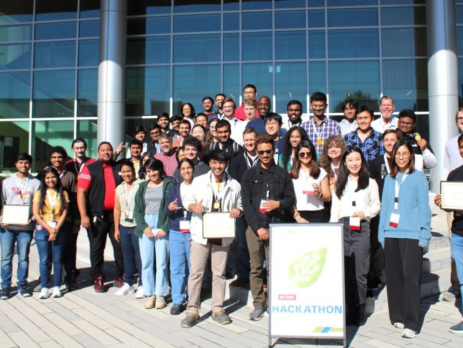
a group of smiling students

Education opportunities elevate agriculture issues and importance

Reaching youths and students early increases awareness of the importance of agriculture and the critical issues impacting producers. Land-grant universities are creating solutions to address educational gaps, improve understanding critical issues like cyber-biosecurity and provide students with practical knowledge, skills and information for the future. Here are a few examples of that work: Researchers in New Mexico recognized an opportunity for [...]

Read more...
a scientist examining a plant

Land-grant scientists help farmers manage costly plant diseases effectively

Each year, plant diseases cost the global economy around $220 billion. Plant diseases kill crops and make their products unmarketable, wasting food and other resources while driving up costs for farmers and consumers. Land-grant university scientists are helping farmers monitor for diseases and manage them in a safe and cost-effective manner. Here are a few examples of that work: Researchers in [...]

Read more...
a person wearing PPE and looking at a device

Land-grant universities support the viability of livestock production

From teaching producers biosecurity techniques to keeping poultry cool in extreme temperatures to identifying genetic traits that will optimize production, land-grant university researchers and Extension professionals are supporting the viability of livestock production in the United States. Here are a few examples of that work: Researchers at land-grant universities nationwide are developing and using advanced technologies and data to improve poultry [...]

Read more...
dry, cracked soil

Helping farmers affected by natural disasters with their mental health resiliency and safety

Drought, flooding and fire risk increasingly impact the mental health and safety of farmers, who are already less likely to seek mental health support. Ensuring the well-being of food producers ensures sustainability and resilience of our agricultural sector. To address issues of drought and water scarcity affecting farmers’ mental health, Oregon State University Extension and community programs in southern Oregon [...]

Read more...
two young teens running on a school track

Health without barriers: Addressing youth obesity and mental health

Youth obesity and its associated cardiometabolic health challenges remain pressing public health concerns in the United States, disproportionately affecting rural, low-income and other communities. Limited access to high-quality health programs exacerbates these disparities, particularly in La Plata County, Colorado, where Native American and Latino populations face heightened risks of obesity, depression and related health conditions.  Recognizing this urgent need, Colorado [...]

Read more...
farmer looking into the distance

Extension equips Colorado’s rural communities to address mental health challenges

Rural Colorado communities face significant mental health challenges due to isolation, limited access to services, and stigma. Cultural expectations like “Cowboy Up” worsen these barriers. Farmers and ranchers are especially vulnerable, with higher suicide rates than the national average. A 2024 report shows nearly all Colorado counties have behavioral health provider shortages, intensifying the crisis. To address this issue, Colorado [...]

Read more...
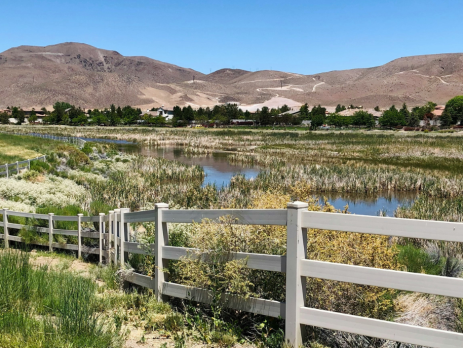
a marshy landscape with mountains in the distance

Extension helps Nevada counties gather planning, economic data

When county governments in Nevada apply for grants, want to assess the potential impact of a new industry or respond to federal public land inquiries, they can turn to the Nevada Economic Assessment Project for in-depth, up-to-date data and analysis.  Led by Extension professionals with the University of Nevada, the project collects and maintains baseline information on general demographic, social, economic, [...]

Read more...
honey sale sign at a farmers market

Developing new farmers, new products and new markets to boost agriculture sector

Many communities across the United States are seeing a decline in the agricultural workforce as experienced farmers retire. This issue has been exacerbated by national declines in new and beginning farmers. Land-grant universities are working to recruit and train new farmers, address their challenges and find ways to help them to thrive, including new crops and new marketing opportunities. [...]

Read more...

Land-grant researchers and Extension educators protect essential pollinators

Pollinators play a critical role in the world’s ecosystems, facilitating the reproduction of flowering plants and ensuring the production of many crops. But many pollinator populations are declining or at risk due to habitat loss, pesticide use and changing environmental conditions. Researchers and Extension educators at land-grant universities across the United States are finding ways to protect pollinators. Here are [...]

Read more...
a group of people outdoors, smiling

Cultivating mental health resilience

The Land-grant University System is tackling mental health challenges through innovative programs. Extension professionals are uniquely positioned to educate and support urban, suburban and rural communities, offering programs that teach coping skills, recognize mental health signs, and normalize conversations about mental health. Addressing mental health is crucial because it enhances overall well-being, improves quality of life and fosters healthier, [...]

Read more...
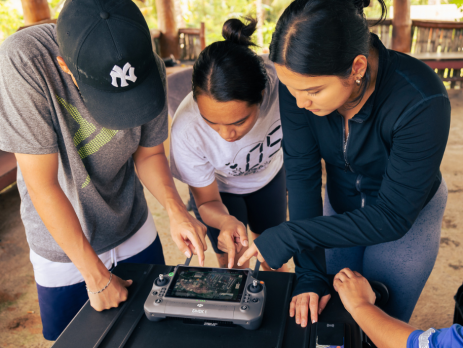
researchers observe drone data collection

Drone images help monitor for invasive beetle in Palau

The invasive coconut rhinoceros beetle has damaged at least 25% of Guam’s coconut trees, the Guam Department of Agriculture’s Biosecurity Division estimates. About 800 miles away, officials in the Micronesian island Palau are looking for efficient ways to monitor this invasive pest. They’re seeking to prevent a resurgence that could devastate the economy and livelihoods that rely on native [...]

Read more...