
Tag - Western

Region

two people look in a box of food at a food pantry

Food security resources for local communities

Limited access to healthy food options can lead to problems such as poor health, chronic illness, child development and family instability. Food pantries can help people who lack adequate food resources access a range of products locally. By connecting food pantries with resources, land-grant universities are helping communities better serve those in need. Here are a few examples of that [...]
Read more...
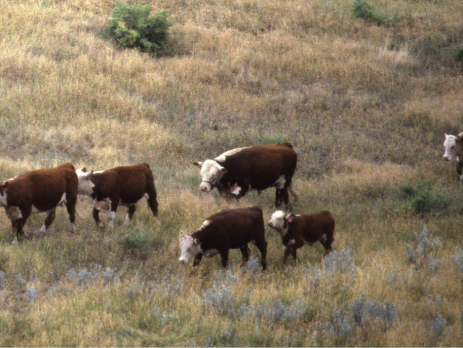
cattle walking through a field

Rapid response to animal and food safety and security threats

When disasters happen, land-grant universities are partners with local communities in sharing resources and information, providing training, offering testing and technical assistance and collaborating on future research. Timely and coordinated response efforts support local communities and producers and ensure access to a safe food supply. Here are a few examples of that work: Extension educators in Oregon responded quickly to coordinate [...]

Read more...
the torso of a person checking something off on a clipboard

Research and education combine to fight food contamination

The U.S. Centers for Disease Control estimate that 48 million people become ill from foodborne illnesses annually, resulting in 3,000 deaths. Through research and education, land-grant institutions are working to reduce the pathogens contained in food and increase food security. Here are a few examples of that work: In Vermont, a certification program known as CAPS+ was developed to assure retailers [...]

Read more...
a closeup of hands examining wheat

Strong farms strengthen local food systems

New farmers just starting out and established farmers looking to expand markets have something in common: looking to the Land-grant University System to support their growth. Strong local farms strengthen local food systems and food security. Here are a few examples of this work: When participant surveys indicated a need for more in-depth and hands-on farmer education, Idaho Extension educators responded [...]

Read more...
an agricultural field

Increasing food security with better food products

Ensuring an adequate supply of safe and nutritious food requires improving existing food varieties and innovating to develop new ones. Here are a few examples of how land-grant universities are contributing: Researchers in Washington generated more than 25 unique lines of rainbow trout with many more in the pipeline. Using biotechnology, they are developing commercial trout lines with enhanced production and [...]

Read more...
A tractor sprays pesticides in an orchard

Safer, more sustainable pest management

Managing pests is essential to healthy, safe and productive agricultural, urban, residential and natural areas. But pesticides can cause air and water pollution and unintended harm to nontarget organisms. Pesticide exposure has also been linked to human health problems. In addition, many pests eventually develop resistance to commonly used chemicals, rendering those chemicals ineffective. Researchers and Extension educators across [...]

Read more...
a rainbow shines through sprinkler mist on a field

Protecting our water

Water continues to be one of the most critical challenges facing agriculture and communities. Land-grant universities are working to discover new ways to increase water efficiency, reduce water use and protect water quality. Here are a few examples of that work: Researchers in Ohio are working to improve soil health and water quality through best agricultural management practices to prevent non-point-source [...]

Read more...
drone flying over crop

Drones, virtual fencing, gene technology moving agriculture forward

Land-grant universities and state research agencies are using multiple technologies to solve production challenges and provide educational outreach. From using drones to assess damage following natural disasters to GPS tracking to monitor livestock within the boundaries of virtual fencing, advances in technology are helping propel food and fiber production. Successful examples include: Following Hurricane Idalia, a Category 3 hurricane, Extension educators [...]

Read more...
a group of cows stands in a grassy area near some trees

Research, education improve livestock health

Livestock producers are continually searching for the best management strategies to protect animal health, which is essential to productivity and profitability as well as the animal’s well-being. Maintaining healthy animals also protects human health. Here are a few examples of how land-grant universities are contributing: When the highly pathogenic avian influenza (HPAI) threatened domestic poultry in Oregon, Extension responded rapidly with [...]

Read more...
scientists examines experimental plants

Improving nursery and fruit crops

Specialty crops, including fruits, floriculture and nursery crops, provide a wide range of products and play a crucial role in the American economy. Land-grant university researchers and educators provide new varieties, production practices and other innovations that help ensure a reliable supply of high-quality products for consumers. Here are a few examples of that work: North Carolina Extension educators are helping [...]

Read more...
crops growing in a field

Creating new, sustainable products from agricultural waste and biomass

Petroleum and other nonrenewable materials are commonly used for plastics, industrial chemicals, pharmaceuticals, cosmetics and other products we use on a daily basis. But many of these products can be made from biomass, including food and agricultural wastes. Bioproducts offer a way to improve energy security, food security and national security while also cutting back on fossil fuel-related pollution [...]

Read more...
biodiesel fuel pump

Sustainable energy to meet growing demands

Non-renewable energy sources are limited, and demand is growing. Fossil-fuel based energy production and use contribute significantly to pollution and changes in our climate. Improving energy efficiency and developing renewable energy sources is essential to meeting growing demand and can lower energy bills, create new jobs and promote rural prosperity. Reducing reliance on fossil fuels can improve national security [...]

Read more...
nature trail surrounded by native Nevada plants

Trainings aim to reduce pesticide contamination in urban waterways

Nevada’s population is growing significantly, particularly in urban regions. Pesticide residue in waterways – especially from products used for nonagricultural purposes – underscores the need for education among landscape professionals, pesticide applicators and residents controlling pests in urban areas. Over the last decade, University of Nevada Cooperative Extension has developed integrated pest management (IPM) education that has led to a [...]

Read more...
an Alaskan lake surrounded by native and invasive plant species

Alaskans root out invasive bugs and weeds

Invasive weeds and insects can lower land values and farm productivity and interfere with recreation, tourism and foraging. Improving the ability of residents, farmers and land managers to assess pest management practices is critical to protecting the Alaska way of life. To get residents involved in controlling invasive pests, the University of Alaska Fairbanks Cooperative Extension Service provided education about [...]

Read more...
sweet potato root galls

Land-grant universities nationwide work together to sustainably manage nematodes

Nematodes are tiny, usually microscopic, roundworms that are incredibly common and widespread. They account for 80% of all individual animals on Earth. Some nematode species are beneficial to agriculture, while others have major detrimental impacts. Plant-parasitic nematodes can lead to poor soil and low crop yields. In the United States, annual economic losses due to nematode infection of crops [...]

Read more...
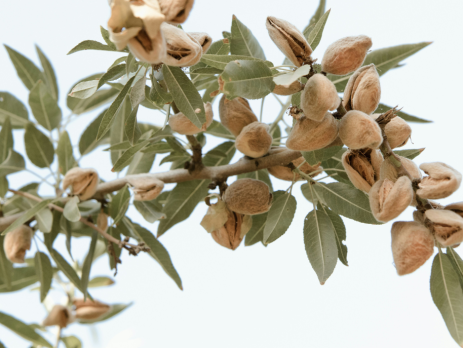
almonds growing on a tree

Innovative spray system reduces pesticide drift from California almond orchards

Pesticide drift from farm fields and orchards can pose a health risk to people working and living nearby. These chemicals can cause respiratory issues, skin irritation and other harmful effects. To reduce the risk of pesticide drift, University of California Cooperative Extension developed an innovative spray backstop system for almond orchards. Combining engineering, agriculture and environmental science expertise, the scientists [...]

Read more...
pear growing on a tree

Research develops effective treatments to fight blight in apple, pear crops

Over the past several years, frequent periods of warm and wet weather during the spring in Virginia have triggered epidemics of fire blight causing $22 million per year in losses to apple and pear crops. Researchers led by Virginia Tech are developing new effective treatments utilizing fire blight bacterium Erwinia amylovora in fire blight cankers. Cankers are infected dead zones [...]

Read more...
closeup photograph of pile of strawberries

Breeding crops tailored for the future

Food crops are constantly under attack by plant diseases and pests that result in losses in crop quantity and quality. Declines in crop health can lead to food waste and threaten global food security. Land-grant universities are breeding plants that are resistant to pests and disease for greater resilience and sustainability. Here are a few examples of that work: Researchers in [...]

Read more...
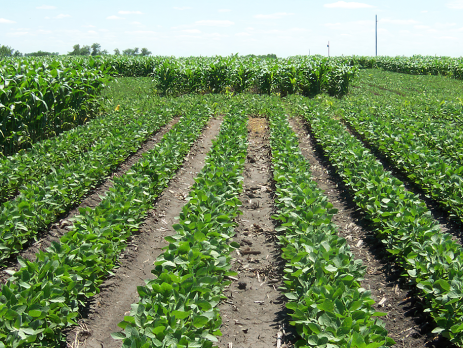
field with rows of crops

Healthy soils sustain food security

Researchers at the nation’s land-grant universities are studying the health of soils to increase agricultural production and decrease the use of agrochemicals used to grow food. Their work will contribute to our ability to meet the world’s growing demand for food. Here are a few examples of that work: Agricultural researchers in Pennsylvania are studying how soil salinity and soil nitrogen [...]

Read more...
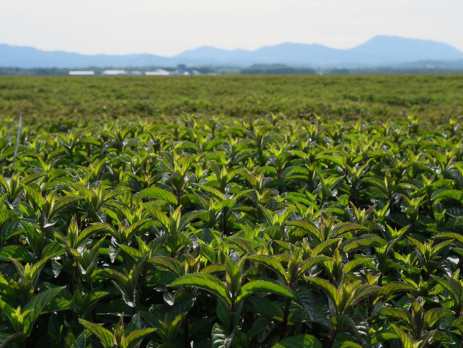
mint field in Oregon with mountain range in the background

Informing mint growers to reduce pesticide harm

The Oregon mint production industry had an estimated $28.7 million value in 2022. Losses from pests like mint root borer and variegated cutworm can eat into farmers’ profits, but the pesticide traditionally used to control these pests was phased out for use in food crops by the U.S. Environmental Protection Agency in 2022. Farmers now must use a newer [...]

Read more...
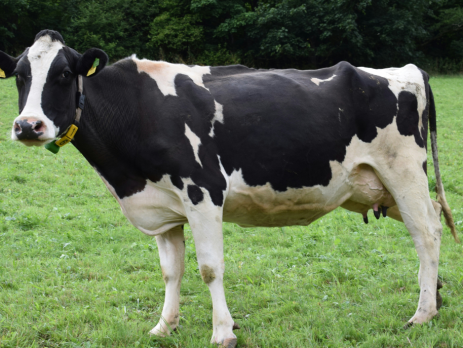
dairy cow with a tracker collar

Virtual fencing to restore burned rangeland

New Mexico State University Cooperative Extension is exploring virtual fencing technology. The project is in response to flooding that destroyed hundreds of miles of fences in the Black Fire in 2022. More than 325,000 acres of forest and rangelands in the southern portion of the of the Gild National Forest were burned as well as the forage base. With virtual [...]

Read more...
a young man riding a horse

Interactive tool teaches youth, adults horse safety

An interactive module is teaching both youths and adults safety practices when working with horses. The New Mexico State University Innovative Media and Research Extension team has developed a web-based interactive module available for computers or tablets as well as formal classroom settings to effectively teach proper how-to techniques to safely catch, halter and release a horse in a [...]

Read more...