Tag - The Ohio State University

Institution

Healthy foods and exercise equipment.

Research and Extension strengthen nutrition, health and well-being

Chronic diseases are the leading cause of illness, disability and death in America. Research and Extension are fighting back. Over half of adults who participated in a Texas diabetes education program now choose healthier foods, monitor glucose levels during exercise, and control their diabetes to avoid interference with daily life. These changes could help participants save up to $94,021 in [...]

Read more...
Vegetables for sale at a farmers market stand.

Research and Extension ensure everyone has ample access to affordable, safe, nutritious food

Invasive pests damage crops, costing U.S. agriculture an estimated $30 billion annually. Pest management research and Extension are stabilizing the food supply chain. Efforts have led to: Cost-effective alternatives to glyphosate for herbicide-resistant Russian thistle control in Oregon, protecting more than 30,000 acres of wheat and preventing over $1 million in yield losses so far.Oregon State University Extension Service; Other [...]

Read more...
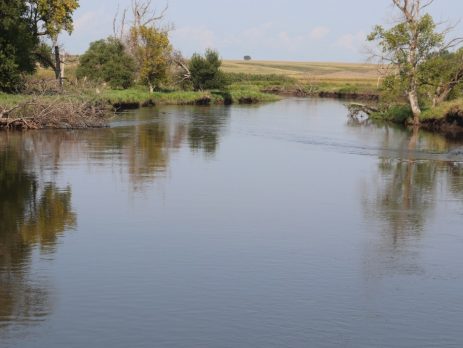
A river bisects a field and forested riparian area

Research and Extension support resilient ecosystems

Recent studies and programs are conserving and protecting water used for drinking, fishing, irrigation and recreation.  Washington research helped establish 25 anaerobic digesters across the Pacific Northwest, turning dairy manure from more than 143,000 cows into biogas that provides more than 126 million kilowatt-hours of renewable energy per year. Digesters decrease water quality risks associated with nutrient runoff from manure [...]

Read more...
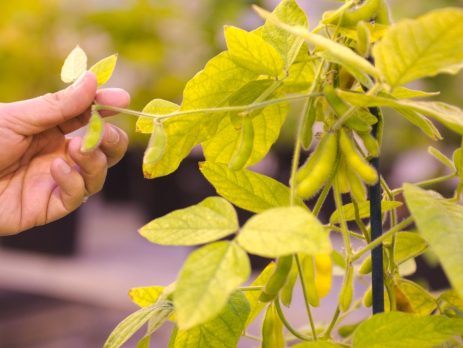
soybeans

Using genetics for crop disease resistance

Pests of major crops, including wheat, soybean, potatoes, tomatoes and wine grapes, cost American producers billions in yield losses each year and raise prices for consumers. Pathogens are steadily overcoming current genetic sources of resistance, making continuing efforts to identify and incorporate new genetics critical to reduce losses to farmers and protect markets and food security. Here are a few [...]

Read more...
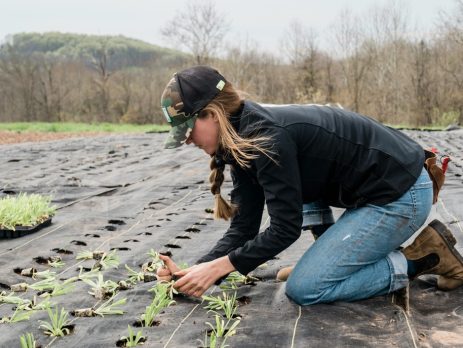
a farmer planting

Recognizing regenerative ag champions

Small-scale farmers who use regenerative practices play an important role in local food systems. These farmers often operate in areas with limited access to fresh food and provide healthy options for their communities. Despite their contributions, they rarely receive recognition or support. Raising awareness of their work can help strengthen community-based food production and encourage practices that improve soil [...]

Read more...
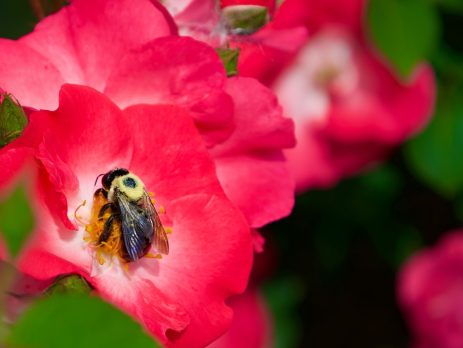
bee on a flower

Integrated approach identifies bee protection opportunities in rural, urban areas

Bees are essential pollinators for many fruits, vegetables and ornamental plants. Continuing declines in their populations jeopardize crop yields, food security and biodiversity. Over 400 bee species live in Ohio, including the federally endangered Rusty Patched Bumble Bee (RPBB), but they are threatened by pesticides, diseases, habitat degradation, heavy metal pollution and changing weather patterns.   Ohio State University researchers assessed [...]

Read more...
two scientists hold a corn plant and a soybean plant in a mock competition

Research answers question of planting priority: corn or soybean?

Planting date has a major influence on both corn and soybean yields. With only about half of May suitable for fieldwork in Ohio many years, producers often face a dilemma about which crop to plant first.   To address this question, Ohio State University researchers planted corn and soybeans on five dates ranging from early April to mid-June at three Ohio [...]

Read more...
two smiling Extension agents in a community garden

Growing food security in urban spaces

Urban communities continue to face persistent constraints related to food access, limited growing space and water availability. Urban, small-scale food production, including controlled environment agriculture such as greenhouses and vertical farming, is a rapidly growing part of local food systems. These systems support food security, environmental sustainability and community resilience. Here are a few examples of that work: A program to [...]

Read more...
a lake

Strengthening water quality across landscapes

Access to clean, reliable water for communities, ecosystems and agriculture is increasingly threatened by issues such as nutrient pollution and emerging contaminants. Land‑grant universities are addressing these challenges through innovative research and hands‑on Extension programming that empowers volunteers, land managers and future water‑quality stewards. Here are a few examples of that work: Researchers in Montana found evidence that wetland conservation can [...]

Read more...
chickens around a feeder

Mitigating costly poultry diseases

Avian diseases pose a major challenge to the nation’s $77 billion poultry industry and drastically increase the cost of poultry products for consumers. Avian diseases can also pose a health threat to other animals and humans. At the same time, there is a demand to produce poultry without antibiotics or other drugs commonly used to fight diseases. Working together, [...]

Read more...
a scientist takes notes

Optimizing use of heat to minimize food safety risks, maximize food quality

Using heat is essential for reducing the risk of foodborne illnesses in fresh products like eggs and milk and dry goods like spices, flour and powdered milk. In addition, a number of commodities require use of heat for processing. Finding the right balance of heat to ensure food quality and safety is an ongoing process, and one that researchers [...]

Read more...
a scientist examining plants in a controlled environment agriculture setting

Advancing sustainable food production in soilless environments

Land-grant universities across the nation are working to make the food supply more secure by exploring the best ways to produce crops without soil. Hydroponic and aquaponic systems have many benefits, including reducing the inputs and space needed to produce food. Researchers are studying how to make the foods grown in these controlled environments safer and better. Extension personnel [...]

Read more...
teapot and cup of green tea

Compounds in green tea have potential to benefit gut health and mitigate inflammation

Metabolic syndrome (MetS) affects over 34% of Americans and is a major risk factor for severe cardiometabolic disorders such as diabetes, obesity and high blood pressure. Researchers at the Ohio Agricultural Research and Development Center are building on previous findings by investigating the potential of green tea extract to support gut health and mitigate inflammation in individuals with metabolic [...]

Read more...
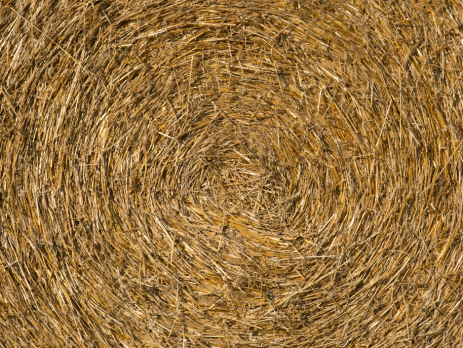
closeup of hay

Reducing the cost of production for biofuels

Renewable products, such as biobutanol that is derived from biomass feedstocks, can provide alternative energy solutions to petroleum-based products like gasoline and diesel. However, producing renewable biofuels and biochemicals faces significant challenges due to the inefficient fermentation processes and high production costs. Researchers at The Ohio State University developed an innovative separation technology that reduced production costs of biobutanol by [...]

Read more...
researcher Pam Roberts standing in experimental tomato crops

Multistate project studies solutions to bacterial spot in tomatoes, peppers

Tomatoes are big business for Florida farmers, contributing $500 million annually. Bell and chili peppers are also popular crops among consumers with production value of more than $536 million. However, bacterial spot is a threat to yields and harvest revenue.  University of Florida researchers are working to solve this major issue along with scientists at the University of Georgia, North [...]

Read more...
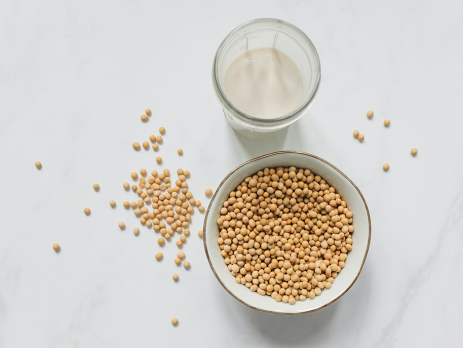
a cup of soy milk and bowl of soybeans

Research shows enriching plant milk with algae fatty acids increases intake of nutrient

Fish oil contains two fatty acids, called Omega-3s, that provide health benefits including reducing the risk of cardiac death and lowering inflammation. However, a large portion of the population is not consuming the recommended amount of fish and its oil due to high cost, dietary restrictions, mercury levels, general dislike and other factors. Algae contains the same fatty acids, [...]

Read more...
a group of cows stands in a grassy area near some trees

Research, education improve livestock health

Livestock producers are continually searching for the best management strategies to protect animal health, which is essential to productivity and profitability as well as the animal’s well-being. Maintaining healthy animals also protects human health. Here are a few examples of how land-grant universities are contributing: When the highly pathogenic avian influenza (HPAI) threatened domestic poultry in Oregon, Extension responded rapidly with [...]

Read more...
crops growing in a field

Creating new, sustainable products from agricultural waste and biomass

Petroleum and other nonrenewable materials are commonly used for plastics, industrial chemicals, pharmaceuticals, cosmetics and other products we use on a daily basis. But many of these products can be made from biomass, including food and agricultural wastes. Bioproducts offer a way to improve energy security, food security and national security while also cutting back on fossil fuel-related pollution [...]

Read more...