Tag - Ohio

State/Territory

chickens around a feeder

Mitigating costly poultry diseases

Avian diseases pose a major challenge to the nation’s $77 billion poultry industry and drastically increase the cost of poultry products for consumers. Avian diseases can also pose a health threat to other animals and humans. At the same time, there is a demand to produce poultry without antibiotics or other drugs commonly used to fight diseases. Working together, [...]
Read more...
scientists in a lab

Harnessing artificial intelligence for agricultural innovation

Land-grant universities are leveraging artificial intelligence (AI) to improve agricultural efficiency, productivity and sustainability. Here are a few examples of that work: In Georgia, researchers are developing an AI-powered app to help farmers accurately identify Sericea lespedeza, a valuable forage crop with natural anthelmintic properties, reducing time ad labor costs.Fort Valley State University; USDA Capacity-Research. See full statement.   In Arkansas, researchers are [...]

Read more...
a scientist takes notes

Optimizing use of heat to minimize food safety risks, maximize food quality

Using heat is essential for reducing the risk of foodborne illnesses in fresh products like eggs and milk and dry goods like spices, flour and powdered milk. In addition, a number of commodities require use of heat for processing. Finding the right balance of heat to ensure food quality and safety is an ongoing process, and one that researchers [...]

Read more...
a father and child running

A holistic approach to diabetes prevention and management

Land-grant universities play a crucial role in addressing diabetes. Their work helps individuals and families adopt healthier lifestyles, manage diabetes effectively and prevent complications. Extension programs provide evidence-based nutrition education, promote physical activity and support access to affordable, healthy food. Research is driving innovations in diabetes prevention and management. By combining scientific expertise with local engagement, land-grant universities empower [...]

Read more...
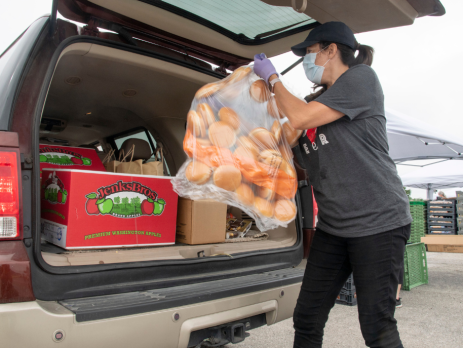
a person loading food into a car trunk

Supporting entrepreneurs, building stronger economies and fortifying food systems

The Land-grant University System empowers entrepreneurs, strengthens local economies and fortifies food systems in communities across the United States. Through their research, education and Extension initiatives, these institutions spark advancements that accelerate economic development and advance food security, ensuring resilient and strong communities. Here are a few examples of that work: Santa Fe County has experienced a decline in the number [...]

Read more...
a scientist examining plants in a controlled environment agriculture setting

Advancing sustainable food production in soilless environments

Land-grant universities across the nation are working to make the food supply more secure by exploring the best ways to produce crops without soil. Hydroponic and aquaponic systems have many benefits, including reducing the inputs and space needed to produce food. Researchers are studying how to make the foods grown in these controlled environments safer and better. Extension personnel [...]

Read more...
a creek through the woods

Precision monitoring aids decision makers and stakeholders in protecting key watersheds

Nutrient pollution, biodiversity losses and weather variability pose extraordinary challenges for the sustainability of natural ecosystems and the species that inhabit them. Land-grant universities are developing and applying emerging technologies that can help to more efficiently, accurately and safely monitor, measure and precisely manage these systems with minimal environmental impact. Here are a few examples of that work: To better understand [...]

Read more...
a robot picking berries

Digital agriculture enhances production, monitoring capabilities

Data modeling, automated machinery and drones are just a few of the technologies that are powering improved efficiencies in livestock and crop production. Land-grant universities are at the forefront of researching and applying these technologies, paving the way for increased productivity, better disease management and optimized harvest timing. Here are a few examples of that work: In Idaho, many cattle producers [...]

Read more...
sheep

Advancing food security through sustainable livestock and crop innovations

Research at 1890 land-grant universities addresses critical challenges in animal and plant production. Collectively, these projects support sustainable food systems and food security by improving livestock and crop health, reducing reliance on agrochemicals and increasing production efficiency. Here are a few examples of that work: An Arkansas study on sheep health explored natural dietary supplements to reduce antibiotic and dewormer dependency, [...]

Read more...
teapot and cup of green tea

Compounds in green tea have potential to benefit gut health and mitigate inflammation

Metabolic syndrome (MetS) affects over 34% of Americans and is a major risk factor for severe cardiometabolic disorders such as diabetes, obesity and high blood pressure. Researchers at the Ohio Agricultural Research and Development Center are building on previous findings by investigating the potential of green tea extract to support gut health and mitigate inflammation in individuals with metabolic [...]

Read more...
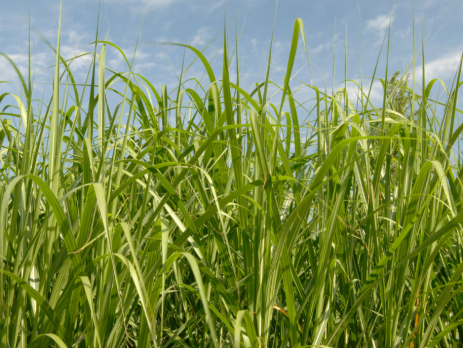
closeup of hay

Reducing the cost of production for biofuels

Renewable products, such as biobutanol that is derived from biomass feedstocks, can provide alternative energy solutions to petroleum-based products like gasoline and diesel. However, producing renewable biofuels and biochemicals faces significant challenges due to the inefficient fermentation processes and high production costs. Researchers at The Ohio State University developed an innovative separation technology that reduced production costs of biobutanol by [...]

Read more...
researcher Pam Roberts standing in experimental tomato crops

Multistate project studies solutions to bacterial spot in tomatoes, peppers

Tomatoes are big business for Florida farmers, contributing $500 million annually. Bell and chili peppers are also popular crops among consumers with production value of more than $536 million. However, bacterial spot is a threat to yields and harvest revenue.  University of Florida researchers are working to solve this major issue along with scientists at the University of Georgia, North [...]

Read more...
two scientists take a sample

Land-grant universities drive sustainability through innovative agricultural practices

The 1890 land-grant universities are dedicated to improving the well-being of economically challenged communities. By focusing on sustainable practices, these institutions help address key challenges like food security, environmental stewardship and economic resilience. Through research, Extension and education, they equip farmers and communities with innovative techniques that preserve resources for future generations. Here are a few examples of that work: Researchers [...]

Read more...
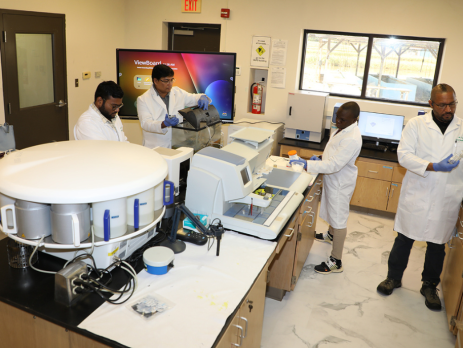
a scientist in a university laboratory

Developing the next generation of agricultural workers

A skilled workforce is critical to sustaining agriculture, advancing food security and fostering economic growth. Land-grant universities are preparing students for the agricultural workforce through hands-on training, research opportunities and industry partnerships. These programs focus on historically underserved communities, ensuring broad participation in food and agriculture careers. Here are a few examples of that work: Georgia Extension professionals are helping students [...]

Read more...
a cup of soy milk and bowl of soybeans

Research shows enriching plant milk with algae fatty acids increases intake of nutrient

Fish oil contains two fatty acids, called Omega-3s, that provide health benefits including reducing the risk of cardiac death and lowering inflammation. However, a large portion of the population is not consuming the recommended amount of fish and its oil due to high cost, dietary restrictions, mercury levels, general dislike and other factors. Algae contains the same fatty acids, [...]

Read more...
plant sprouts in a tray

Incubator farms strengthen food security

Food deserts in communities limit access to affordable, healthy foods and increase the risk of obesity, heart disease and diabetes. Communities with underserved, underrepresented populations are more likely to have a food desert. New farms are potential local solutions. Barriers can range from individuals having confidence in preparing fresh produce to accessing technical assistance, mentorship, land, capital, markets and [...]

Read more...
a rainbow shines through sprinkler mist on a field

Protecting our water

Water continues to be one of the most critical challenges facing agriculture and communities. Land-grant universities are working to discover new ways to increase water efficiency, reduce water use and protect water quality. Here are a few examples of that work: Researchers in Ohio are working to improve soil health and water quality through best agricultural management practices to prevent non-point-source [...]

Read more...
a group of cows stands in a grassy area near some trees

Research, education improve livestock health

Livestock producers are continually searching for the best management strategies to protect animal health, which is essential to productivity and profitability as well as the animal’s well-being. Maintaining healthy animals also protects human health. Here are a few examples of how land-grant universities are contributing: When the highly pathogenic avian influenza (HPAI) threatened domestic poultry in Oregon, Extension responded rapidly with [...]

Read more...
crops growing in a field

Creating new, sustainable products from agricultural waste and biomass

Petroleum and other nonrenewable materials are commonly used for plastics, industrial chemicals, pharmaceuticals, cosmetics and other products we use on a daily basis. But many of these products can be made from biomass, including food and agricultural wastes. Bioproducts offer a way to improve energy security, food security and national security while also cutting back on fossil fuel-related pollution [...]

Read more...
waterfall into a body of water

Improving water quality in Ohio watersheds

Non-point-source nutrient runoff in agricultural watersheds, particularly nitrogen and phosphorus, continues to threaten the quality of surface and groundwater in Ohio watersheds. Impaired water quality detrimentally affects drinking water quality, recreational water use and aquatic life. Improving soil health and, consequently, water quality through best agricultural management practices is critical for achieving the twin goal of sustainable agricultural production [...]

Read more...