Incubator farms strengthen food security
Food deserts in communities limit access to affordable, healthy foods and increase the risk of obesity, heart disease and diabetes. Communities with underserved, underrepresented populations are more likely to have a food desert. New farms are potential local solutions. Barriers can range from individuals having confidence in preparing fresh produce to accessing technical assistance, mentorship, land, capital, markets and equipment.
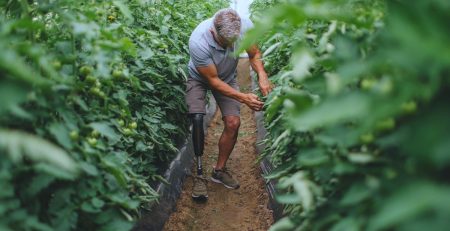
Extension educators at Central State University in Ohio are training farmers as part of a beginning farmer program. Two incubator farms established in partnership with local communities enable hands-on implementation of classroom learnings.
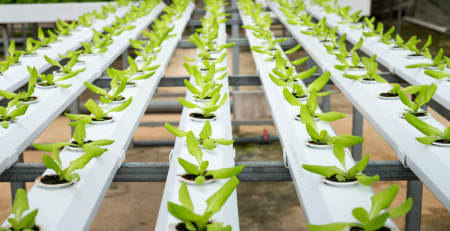
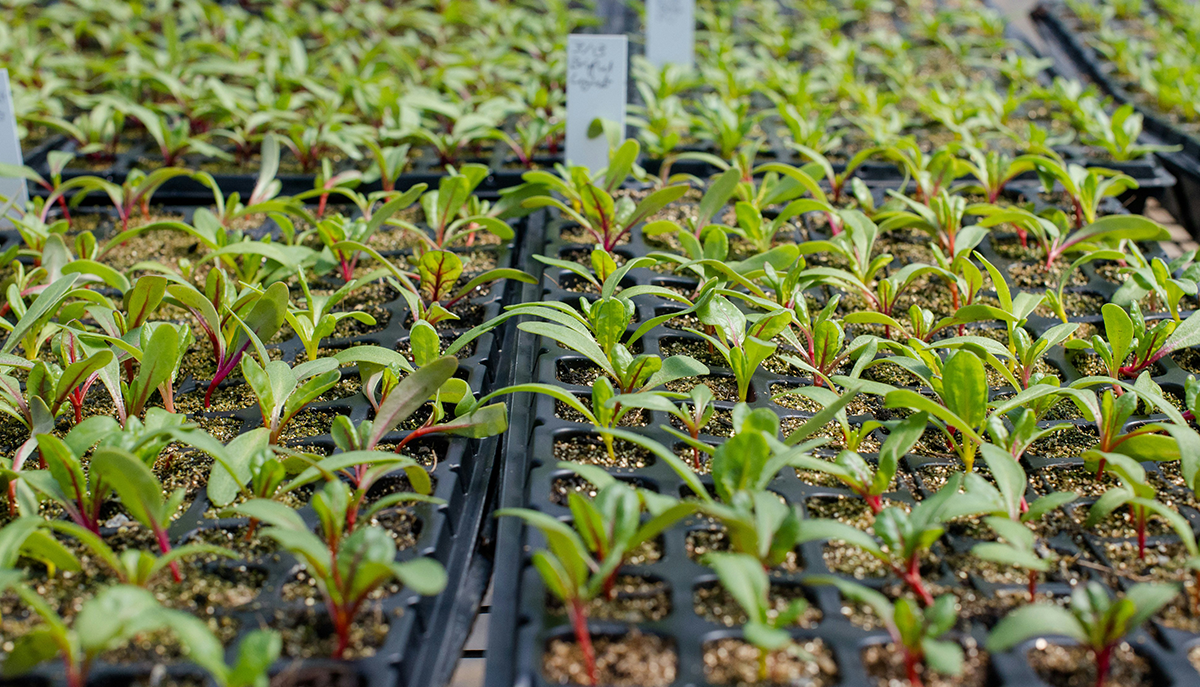
Training focused on intensive vegetable production that can be done in small, urban lots and farm business planning, including connections to resources through USDA for capital.
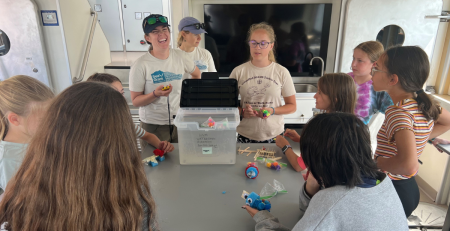
During health fair events held twice during the growing season, Extension educators provided cooking demonstrations using produce available for purchase from the incubator farms. Nutritional classes shared ways to incorporate healthy eating into lifestyles for people with diabetes and other chronic illnesses. Over 400 people attended the health fairs.
The incubator and beginning farmer program was initiated two years ago. In the first year, 23 classes were taught with 77 beginning farmers attending. Forty-four farmers attended all the classes.
The second year focused on completing the training with more advanced classes in crop production. Twelve farmers completed both years of the program. Members created two farm cooperatives created to continue working together to increase access to land and resources for marketing.
Project supported by Evans-Alan funds.