Tag - University of Hawaiʻi

Institution

young child walking in strawberry patch

Land-grant university research and Extension support resilience for youths, families and communities nationwide

Here are a few examples of that work:  The effectiveness of the Department of Defense’s Military Family Readiness System depends on well-trained Extension professionals with research-based tools and resources. Extension specialists in Kentucky contributed by providing personal finance training to military service providers so they can pass on knowledge, tools and resources that help military families prevent and navigate financial [...]

Read more...
Healthy foods and exercise equipment.

Land-grant university research and Extension strengthen nutrition, health and well-being

Chronic diseases are the leading cause of illness, disability and death in America. Research and Extension are fighting back. Over half of adults who participated in a Texas diabetes education program now choose healthier foods, monitor glucose levels during exercise, and control their diabetes to avoid interference with daily life. These changes could help participants save up to $94,021 in [...]

Read more...
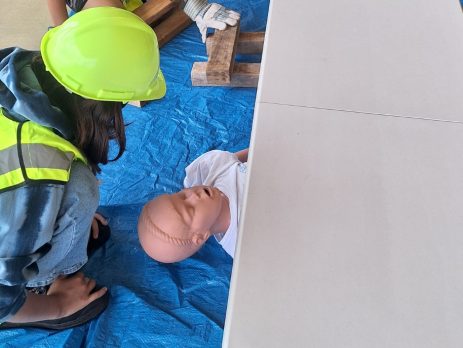
Five young people wearing neon green hard hats and safety vests participate in a hands-on training exercise. Two individuals kneel on a blue tarp, practicing emergency response techniques on a medical manikin, while others observe and take notes around a white folding table.

Hawaii teens prepare to respond to disasters

As an island state more than 2,000 miles from its closest neighbor, Hawaii is vulnerable to natural disasters — tsunamis, hurricanes, flash flooding, wildfires and earthquakes. The catastrophic wildfire that destroyed Lahaina, Maui, in 2023 left the community with a profound sense of loss of control and uncertainty about the future.   To equip youth to save lives and property and [...]

Read more...
Wellness on Wheels truck

Empowering community resilience

Community resilience support is a critical function of the land-grant system because it equips individuals, families and local organizations with the knowledge, tools and partnerships needed to adapt to economic, environmental and public health challenges. Through research-based education and Extension outreach, land-grant universities strengthen local capacity, promote equity and help communities not only recover from disruption but build long-term [...]

Read more...
A smiling woman in a green shirt and maroon cap crouches in a sunny field, harvesting a head of deep red leaf lettuce. She is working in a well-tended garden plot with irrigation lines, representing local agricultural impact and food production

Strengthening the agricultural workforce for the future

The workforce is changing. Across industries and states, trained workers are in demand to support local food systems, meet community needs, ensure safety and increase productivity. Land-grant universities are rising to the challenge of meeting these needs through partnerships, trainings, certifications and hands-on learning opportunities that strengthen the agricultural workforce. Here are a few examples of that work: Health and safety [...]

Read more...
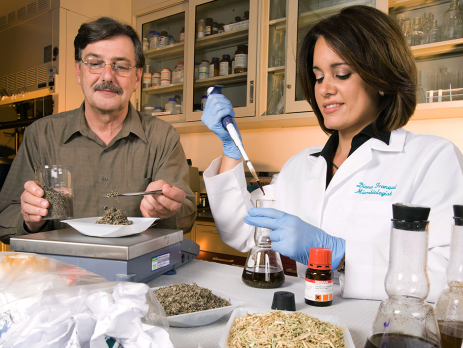
two scientists analyze samples in a food lab

Understanding how natural chemicals in food affect health

The foods and drinks we consume contain natural chemicals like vitamins, minerals, flavonoids, toxicants and hormones that can positively or negatively impact human health. Since 1971, a multistate project has brought together researchers at 22 land-grant universities to research the effects of these dietary bioactive chemicals. Studies shed light on mechanisms involved in bioactivity and determined how agricultural practices [...]

Read more...
sweet potato root galls

Land-grant universities nationwide work together to sustainably manage nematodes

Nematodes are tiny, usually microscopic, roundworms that are incredibly common and widespread. They account for 80% of all individual animals on Earth. Some nematode species are beneficial to agriculture, while others have major detrimental impacts. Plant-parasitic nematodes can lead to poor soil and low crop yields. In the United States, annual economic losses due to nematode infection of crops [...]

Read more...