Tag - Oregon

State/Territory

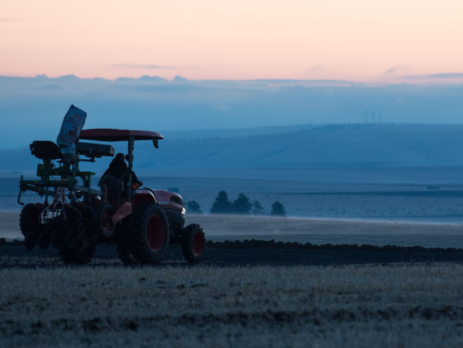
a tractor in a field

Addressing injuries and stress in agriculture

Farmers, ranchers and agricultural workers face significant challenges, from physical strain and injuries to financial uncertainty. Extension programs at land-grant universities address provide essential support tailored to the agricultural community. These programs not only improve individual well-being but also strengthen the resilience of rural economies by ensuring farmers and ranchers have the resources they need to continue their essential [...]

Read more...
chickens around a feeder

Mitigating costly poultry diseases

Avian diseases pose a major challenge to the nation’s $77 billion poultry industry and drastically increase the cost of poultry products for consumers. Avian diseases can also pose a health threat to other animals and humans. At the same time, there is a demand to produce poultry without antibiotics or other drugs commonly used to fight diseases. Working together, [...]

Read more...
ducks

Protecting biodiversity for healthy ecosystems and communities

Biodiversity supports healthy ecosystems and recreation around the world. A diverse range of species ensures stability and resilience in the face of environmental changes. Protecting biodiversity also preserves the opportunity for new discoveries, such as species that can be used as biological pest control agents or medicines. Land-grant university researchers and Extension professionals are working to protect the biodiversity [...]

Read more...
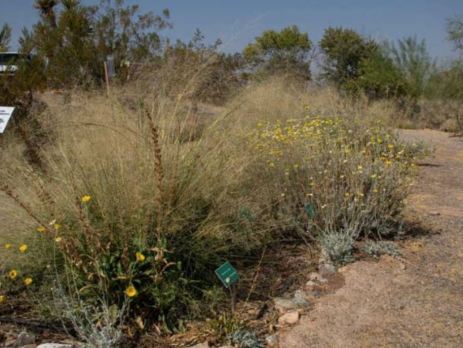
flowering plants growing in the desert

Extension programs help producers, communities manage pests sustainably

Agricultural land and natural ecosystems face growing threats from invasive and noxious grasses and weeds, feral animals, pests and diseases that impair ecosystem services and agricultural productivity. Chemical pesticides can pose human and environmental health risks. Extension educators at land-grant universities help agricultural producers and communities develop and implement pest management strategies that are cost-effective but also minimize risks. Here [...]

Read more...
a small body of water

Protecting valuable water resources

Water resources that sustain agriculture and communities continue to face critical challenges. Land-grant universities are working to discover new ways to increase water use efficiency, reduce water use and protect water quality. Here are a few examples of that work: Researchers at Cornell University in New York engineered novel enzymes that can break down microplastics into small products that can be [...]

Read more...
fruit growing on a tree

Specialty crop growers benefit from land-grant university research

Scientists at land-grant universities are responding to local grower needs to strengthen specialty crop quality and economics. Here are a few examples of that work: Researchers in New York are studying a new threat to vineyards. Research on how the disease is spread through hoppers led to recommendations on management practices to manage the virus spread.Cornell AgriTech. See full statement.   Two-thirds of [...]

Read more...
a scientist examining a plant

Land-grant scientists help farmers manage costly plant diseases effectively

Each year, plant diseases cost the global economy around $220 billion. Plant diseases kill crops and make their products unmarketable, wasting food and other resources while driving up costs for farmers and consumers. Land-grant university scientists are helping farmers monitor for diseases and manage them in a safe and cost-effective manner. Here are a few examples of that work: Researchers in [...]

Read more...
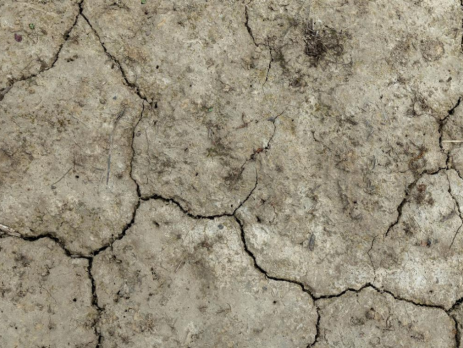
dry, cracked soil

Helping farmers affected by natural disasters with their mental health resiliency and safety

Drought, flooding and fire risk increasingly impact the mental health and safety of farmers, who are already less likely to seek mental health support. Ensuring the well-being of food producers ensures sustainability and resilience of our agricultural sector. To address issues of drought and water scarcity affecting farmers’ mental health, Oregon State University Extension and community programs in southern Oregon [...]

Read more...
a group of people outdoors, smiling

Cultivating mental health resilience

The Land-grant University System is tackling mental health challenges through innovative programs. Extension professionals are uniquely positioned to educate and support urban, suburban and rural communities, offering programs that teach coping skills, recognize mental health signs, and normalize conversations about mental health. Addressing mental health is crucial because it enhances overall well-being, improves quality of life and fosters healthier, [...]

Read more...
3 scientists taking samples in a field

Extended-season cattle grazing reduces invasive grasses and wildfire risk in eastern Oregon

Wildfires have burned 2.5 million acres in eastern Oregon since 2010, devastating the natural landscape and negatively impacting rangelands essential to Oregon’s cattle and dairy industries. In this region, invasive grasses out-compete native plants and create a buildup of “fine fuels” that increase wildfire risks. To address this issue, an Oregon State University Extension Service specialist and associate professor in [...]

Read more...
cattle in a smoky wooded area

Wildfire smoke research provides insights to help ranchers protect their herds and reduce stress

Wildfires that scorched nearly 2 million acres in Eastern Oregon exposed many local cattle to significant levels of wildfire smoke. In the aftermath, cows across the state, on both dairy and beef operations, have been getting sick with symptoms like runny noses, runny eyes and severe discharge. An Oregon State University Extension Service beef specialist hypothesized that inhaling smoke dries [...]

Read more...
grapes in a vineyard

Leaf removal supports healthy wine grapes

Wine grape vineyards are vulnerable to fungal diseases that can ruin the grape crop and make the wine unsellable if not managed properly. As more wine producers move toward organic farming or using biodynamic methods, the fungicides producers can use are limited. One nonchemical way to reduce these diseases is to remove leaves in the cluster zone of the [...]

Read more...
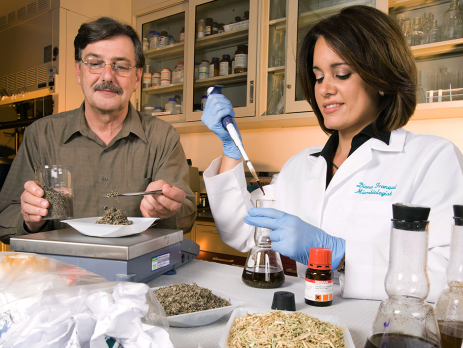
two scientists analyze samples in a food lab

Understanding how natural chemicals in food affect health

The foods and drinks we consume contain natural chemicals like vitamins, minerals, flavonoids, toxicants and hormones that can positively or negatively impact human health. Since 1971, a multistate project has brought together researchers at 22 land-grant universities to research the effects of these dietary bioactive chemicals. Studies shed light on mechanisms involved in bioactivity and determined how agricultural practices [...]

Read more...
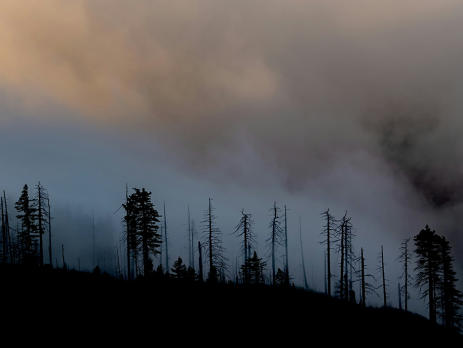
wildfire smoke above an Oregon forest

Efforts to effectively monitor air quality increase health awareness in Oregon’s Columbia River Gorge

Wildlife smoke has become an issue in Oregon’s Columbia River Gorge after two large wildfire events (in 2017 and 2020) led to record-shattering hazardous air quality index levels. In addition, cherry and pear orchard waste historically has been burned in the area, and no regulations exist on wood-burning stoves. Microscopic particles from smoke can penetrate deep into lungs, causing [...]

Read more...
cattle walking through a field

Rapid response to animal and food safety and security threats

When disasters happen, land-grant universities are partners with local communities in sharing resources and information, providing training, offering testing and technical assistance and collaborating on future research. Timely and coordinated response efforts support local communities and producers and ensure access to a safe food supply. Here are a few examples of that work: Extension educators in Oregon responded quickly to coordinate [...]

Read more...
a group of cows stands in a grassy area near some trees

Research, education improve livestock health

Livestock producers are continually searching for the best management strategies to protect animal health, which is essential to productivity and profitability as well as the animal’s well-being. Maintaining healthy animals also protects human health. Here are a few examples of how land-grant universities are contributing: When the highly pathogenic avian influenza (HPAI) threatened domestic poultry in Oregon, Extension responded rapidly with [...]

Read more...
scientists examines experimental plants

Improving nursery and fruit crops

Specialty crops, including fruits, floriculture and nursery crops, provide a wide range of products and play a crucial role in the American economy. Land-grant university researchers and educators provide new varieties, production practices and other innovations that help ensure a reliable supply of high-quality products for consumers. Here are a few examples of that work: North Carolina Extension educators are helping [...]

Read more...
biodiesel fuel pump

Sustainable energy to meet growing demands

Non-renewable energy sources are limited, and demand is growing. Fossil-fuel based energy production and use contribute significantly to pollution and changes in our climate. Improving energy efficiency and developing renewable energy sources is essential to meeting growing demand and can lower energy bills, create new jobs and promote rural prosperity. Reducing reliance on fossil fuels can improve national security [...]

Read more...
A tractor sprays pesticides in an orchard

Safer, more sustainable pest management

Managing pests is essential to healthy, safe and productive agricultural, urban, residential and natural areas. But pesticides can cause air and water pollution and unintended harm to nontarget organisms. Pesticide exposure has also been linked to human health problems. In addition, many pests eventually develop resistance to commonly used chemicals, rendering those chemicals ineffective. Researchers and Extension educators across [...]

Read more...
a rainbow shines through sprinkler mist on a field

Protecting our water

Water continues to be one of the most critical challenges facing agriculture and communities. Land-grant universities are working to discover new ways to increase water efficiency, reduce water use and protect water quality. Here are a few examples of that work: Researchers in Ohio are working to improve soil health and water quality through best agricultural management practices to prevent non-point-source [...]

Read more...
pear growing on a tree

Research develops effective treatments to fight blight in apple, pear crops

Over the past several years, frequent periods of warm and wet weather during the spring in Virginia have triggered epidemics of fire blight causing $22 million per year in losses to apple and pear crops. Researchers led by Virginia Tech are developing new effective treatments utilizing fire blight bacterium Erwinia amylovora in fire blight cankers. Cankers are infected dead zones [...]

Read more...
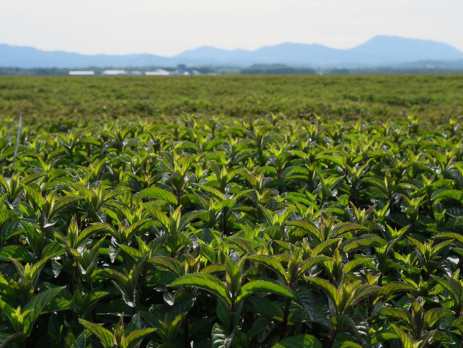
mint field in Oregon with mountain range in the background

Informing mint growers to reduce pesticide harm

The Oregon mint production industry had an estimated $28.7 million value in 2022. Losses from pests like mint root borer and variegated cutworm can eat into farmers’ profits, but the pesticide traditionally used to control these pests was phased out for use in food crops by the U.S. Environmental Protection Agency in 2022. Farmers now must use a newer [...]

Read more...