Tag - North Central

Region

senior citizen does an exercise inside a greenhouse

An innovative program for preventing falls in older adults

Falls are the leading cause of both fatal and nonfatal injuries among older adults. Major risk factors for falls are inactivity, muscle weakness and balance issues. A program newly implemented by the North Dakota Extension Service seeks to improve strength, balance, mobility and daily function, reducing participants’ risk of falling, all while feeling more like recreation and less like traditional [...]

Read more...
a woman looking at a laptop in her home

Virtual programs support healthy lifestyles

Programs that support healthy lifestyles, including nutrition, physical activity and mental health, provide critical education, support and resources for many residents. COVID-19 forced programs online and the Land-grant University System continues offering online options to positively impact residents and support their healthy lifestyles. Virtual programs offer greater flexibility for participants, allowing more to engage in and benefit from the [...]

Read more...
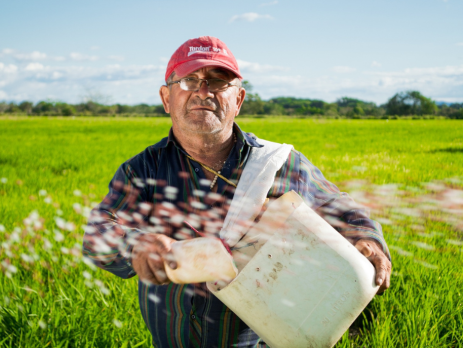
a farmer standing in a field

Aiding farmers and rural residents with mental health struggles

Agricultural producers have one of the highest suicide rates of any industry in the nation but can be hesitant to seek help when struggling with their mental health or have limited access to mental healthcare. Land-grant institutions across the country have implemented programming targeting mental health concerns. Here are a few examples of that work: The Farmer Focus Project surveyed producers [...]

Read more...
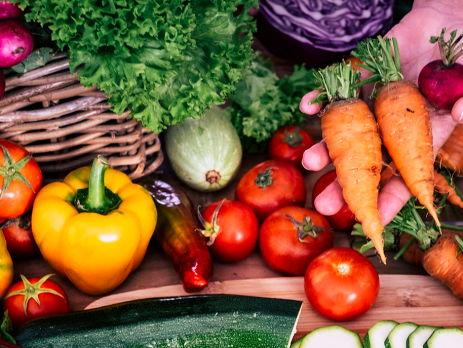
A hand holds carrots and a beet among a spread of other vegetables.

Getting more local, fresh produce into communities

Although fresh fruits and vegetables are key to health, difficulties abound in obtaining local produce. Land-grant institutions across the country work in a number of ways to promote growing produce as well as marketing and buying it locally. Here are a few examples of that work: In Georgia, the Fresh on DeK Mobile Farmers Market targets communities without access to a [...]

Read more...
a group of smiling participants in athletic clothing flex their arms

Strength training program builds health and resilience

Chronic disease and health disparities are increasing. Physical activity, particularly through strength training, is one way to counteract these negative outcomes. Strength training contributes to enhanced bone density, joint flexibility, metabolic function and improvements in daily living activities, in addition to building muscle strength. Less than 15% of residents age 65 and older get the recommended amounts of aerobic [...]

Read more...
a forest dappled in sunlight

Natural resources foster healthy habits and reduce stress

“Forest bathing” is a term for immersing oneself in forests and other natural environments. A research-based framework shows the benefits of forest and natural environment immersion, including increased physical and mental well-being, reduced stress, improved creativity and happiness. This can lead to a happier family, community and work environment. However, participation is limited because of a lack of access [...]

Read more...
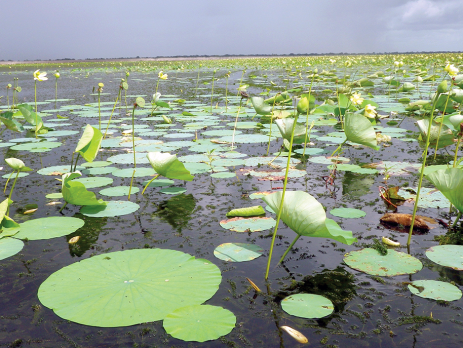
a body of water covered in lotus plants

Managing invasive species

Invasive species are organisms that are non-native to an ecosystem and whose introduction causes economic, social or environmental harm. Nearly every terrestrial, wetland and aquatic ecosystem in the United States has been invaded by non-native species, with economic losses estimated at $137 billion per year. Land-grant universities are leading the battle against invasive species. Here are a few examples of [...]

Read more...
aerial view of a combine harvester

Assessing effects of international conflict on U.S. ag markets

International conflicts, like the war in Ukraine, can greatly affect agricultural markets in the United States. To help producers better plan for these impacts, economists at Kansas State University began a monthly series of webinars to provide real-time analysis and education. Market impacts included grain and livestock fluctuations, interest rate hikes, fuel and fertilizer cost increases and availability as well [...]

Read more...
man cooking in an industrial kitchen

Licensed kitchen requirements made easy by South Dakota Extension

Before food entrepreneurs can sell products to retailers, they often must have them tested or evaluated in a licensed kitchen. However, finding one or figuring out how to create one can be difficult for those trying to bring new products to market. To assist those new to the business, South Dakota University food safety specialists put together easy-to-follow information [...]

Read more...
closeup of corn kernels

Iowa researchers find method to speed up new plant breeding techniques

Some of the newer techniques to speed up plant breeding, have challenges such as leaving some varieties sterile. At Iowa State University, researchers made a breakthrough that overcomes a major hurdle of these new techniques by restoring fertility to certain plant species. The breeding tool known as doubled haploid technology is a faster way to breed plants but often fails. [...]

Read more...
hands planting in soil

Afghan war refugees empowered to grow familiar foods

For Afghans resettling in the United States because of war in their country, the transition can become even more difficult as they must become accustomed to different foods. Michigan State University Extension found a way to help them grow some of the culturally important foods for their holidays and family gatherings. Food banks in the Lansing area were supplied container [...]

Read more...
mixture of various dry beans

Webinar helps dry bean producers make critical decisions

In the midst of the growing season, producers must make many decisions that impact the yield and quality of their crop. A webinar hosted by North Dakota State University Extension was the source of vital research-based information on how to optimize profits for dry bean production. Attending classes and lectures before and during a growing season is not practical method [...]

Read more...
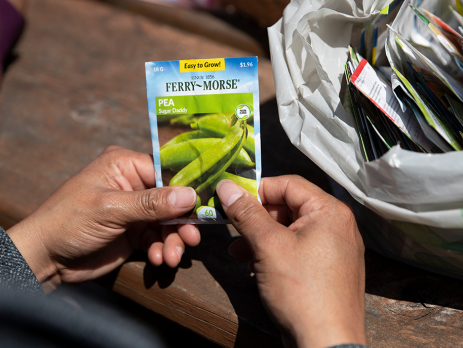
closeup of hands holding a pea seed packet. there is a bag of seed packets in the background.

Community gardens increase food security and community well-being

Based on the 2023 National Gardening Survey, 80% of American households participated in a gardening project in 2022. Through Extension trainings, seed libraries and gardening kits and the efforts of Extension Master Gardener volunteers, land-grant universities are increasing access to gardens, improving community well-being, and helping individuals learn to grow their own food. Here are a few examples of that [...]

Read more...
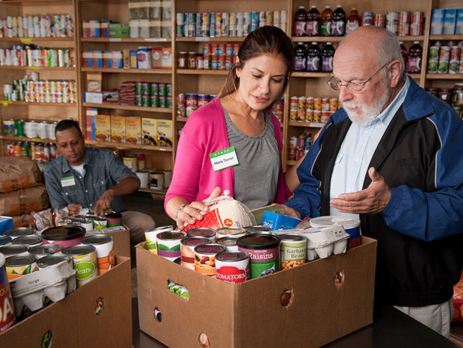
two people look in a box of food at a food pantry

Food security resources for local communities

Limited access to healthy food options can lead to problems such as poor health, chronic illness, child development and family instability. Food pantries can help people who lack adequate food resources access a range of products locally. By connecting food pantries with resources, land-grant universities are helping communities better serve those in need. Here are a few examples of that [...]

Read more...
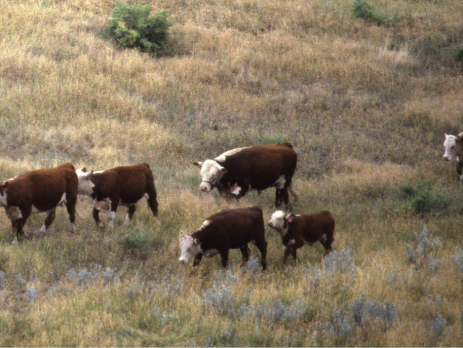
cattle walking through a field

Rapid response to animal and food safety and security threats

When disasters happen, land-grant universities are partners with local communities in sharing resources and information, providing training, offering testing and technical assistance and collaborating on future research. Timely and coordinated response efforts support local communities and producers and ensure access to a safe food supply. Here are a few examples of that work: Extension educators in Oregon responded quickly to coordinate [...]

Read more...
the torso of a person checking something off on a clipboard

Research and education combine to fight food contamination

The U.S. Centers for Disease Control estimate that 48 million people become ill from foodborne illnesses annually, resulting in 3,000 deaths. Through research and education, land-grant institutions are working to reduce the pathogens contained in food and increase food security. Here are a few examples of that work: In Vermont, a certification program known as CAPS+ was developed to assure retailers [...]

Read more...
a closeup of hands examining wheat

Strong farms strengthen local food systems

New farmers just starting out and established farmers looking to expand markets have something in common: looking to the Land-grant University System to support their growth. Strong local farms strengthen local food systems and food security. Here are a few examples of this work: When participant surveys indicated a need for more in-depth and hands-on farmer education, Idaho Extension educators responded [...]

Read more...
a Michigan lake with plants growing on the water and around the shore

Online course increases lake literacy and protects Michigan’s waterways

Michigan’s 11,000 inland lakes are complex ecosystems, and communities often struggle to protect and manage them in a way that incorporates the best available knowledge and resources. To increase lake literacy and create peer and resource connections to help property owners, community leaders and concerned citizens address management concerns, Michigan State University Extension educators created an Introduction to Lakes Online [...]

Read more...
A tractor sprays pesticides in an orchard

Safer, more sustainable pest management

Managing pests is essential to healthy, safe and productive agricultural, urban, residential and natural areas. But pesticides can cause air and water pollution and unintended harm to nontarget organisms. Pesticide exposure has also been linked to human health problems. In addition, many pests eventually develop resistance to commonly used chemicals, rendering those chemicals ineffective. Researchers and Extension educators across [...]

Read more...
a rainbow shines through sprinkler mist on a field

Protecting our water

Water continues to be one of the most critical challenges facing agriculture and communities. Land-grant universities are working to discover new ways to increase water efficiency, reduce water use and protect water quality. Here are a few examples of that work: Researchers in Ohio are working to improve soil health and water quality through best agricultural management practices to prevent non-point-source [...]

Read more...
a group of scientists planting experimental crops

Reaching diverse farms and farmers

Extension educators and researchers across the Land-grant University System reach diverse farmers and farms through programming, information and accessible tools. Their work ensures farming resources are available to all individuals. Here are a few examples of that work: Minnesota Extension launched a pilot project to bring Minnesota-grown goat meat to halal customers. The collaboration has resulted in the first halal certified [...]

Read more...
a group of cows stands in a grassy area near some trees

Research, education improve livestock health

Livestock producers are continually searching for the best management strategies to protect animal health, which is essential to productivity and profitability as well as the animal’s well-being. Maintaining healthy animals also protects human health. Here are a few examples of how land-grant universities are contributing: When the highly pathogenic avian influenza (HPAI) threatened domestic poultry in Oregon, Extension responded rapidly with [...]

Read more...
crops growing in a field

Creating new, sustainable products from agricultural waste and biomass

Petroleum and other nonrenewable materials are commonly used for plastics, industrial chemicals, pharmaceuticals, cosmetics and other products we use on a daily basis. But many of these products can be made from biomass, including food and agricultural wastes. Bioproducts offer a way to improve energy security, food security and national security while also cutting back on fossil fuel-related pollution [...]

Read more...
biodiesel fuel pump

Sustainable energy to meet growing demands

Non-renewable energy sources are limited, and demand is growing. Fossil-fuel based energy production and use contribute significantly to pollution and changes in our climate. Improving energy efficiency and developing renewable energy sources is essential to meeting growing demand and can lower energy bills, create new jobs and promote rural prosperity. Reducing reliance on fossil fuels can improve national security [...]

Read more...
cut lumber

Addressing workforce needs for Indiana’s hardwood industries

The hardwood industry in Indiana contributes $17 billion in value-added to the Indiana economy. With 3 to 10 job openings in wood products manufacturing for every qualified applicant, the lack of skilled hardwood employees is a significant impediment to growth for companies and the sustainable management of woodlands. To address the need for a workforce able to solve issues related [...]

Read more...