Tag - Emergency/Disaster Preparedness/Management/Recovery

Topic

crops growing out of dry, cracked soil

Understanding and identifying solutions for weather impacts on agriculture

Drought, severe weather and wildfires can have significant economic impacts on agriculture. Research and educational programming by land-grant universities helps us understand these effects and strengthen resilience. Here are a few examples of that work: Red clover, a commonly used forage crop in the northeastern U.S., increases its phytoestrogen levels under drought conditions, potentially affecting livestock reproductive health. The economic impact [...]
Read more...
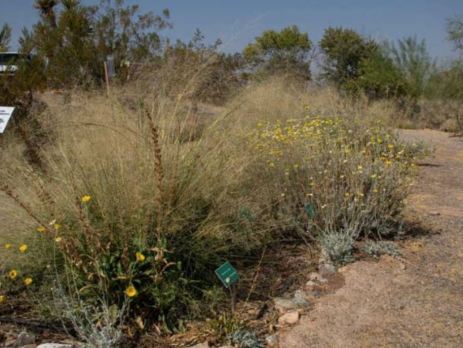
flowering plants growing in the desert

Extension programs help producers, communities manage pests sustainably

Agricultural land and natural ecosystems face growing threats from invasive and noxious grasses and weeds, feral animals, pests and diseases that impair ecosystem services and agricultural productivity. Chemical pesticides can pose human and environmental health risks. Extension educators at land-grant universities help agricultural producers and communities develop and implement pest management strategies that are cost-effective but also minimize risks. Here [...]

Read more...
two people sawing a tree

Volunteers help protect and restore local environments

Land-grant universities across the United States are finding ways to engage the public in science and stewardship that address real-world problems in their communities. With training and tools, volunteers are able to collect important data that help scientists, natural resource organizations, community members and the government protect and restore land, air and water resources — and the ecosystem services [...]

Read more...
a person wearing PPE and looking at a device

Land-grant universities support the viability of livestock production

From teaching producers biosecurity techniques to keeping poultry cool in extreme temperatures to identifying genetic traits that will optimize production, land-grant university researchers and Extension professionals are supporting the viability of livestock production in the United States. Here are a few examples of that work: Researchers at land-grant universities nationwide are developing and using advanced technologies and data to improve poultry [...]

Read more...
dry, cracked soil

Helping farmers affected by natural disasters with their mental health resiliency and safety

Drought, flooding and fire risk increasingly impact the mental health and safety of farmers, who are already less likely to seek mental health support. Ensuring the well-being of food producers ensures sustainability and resilience of our agricultural sector. To address issues of drought and water scarcity affecting farmers’ mental health, Oregon State University Extension and community programs in southern Oregon [...]

Read more...
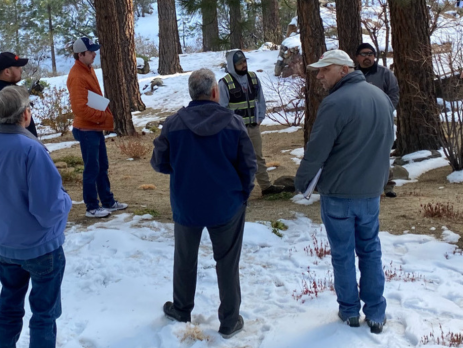
a group of training participants learn about fire safety

Promoting proactive wildfire mitigation

Many of the large wildfires that occur across Nevada each year happen in wildlands that are adjacent to communities, resulting in large-scale evacuations, substantial loss of property, extensive smoke inhalation and significant economic impacts on business and commerce. Wildfire preparedness education and the implementation of fire adapted community concepts can contribute to the long-term health of Nevada’s landscapes and [...]

Read more...
a downed tree across a road

Evaluating forest hurricane damage with AI and lasers

As hurricanes continue to increase in intensity and frequency in the Gulf of Mexico, the risk of damage to homes and businesses continues to rise. Hurricanes can also destroy forests and timber farms, impacting local and regional economies. Getting an accurate assessment of how much timber is damaged by hurricanes is essential for environmental management decisions, salvaging logging operations, [...]

Read more...

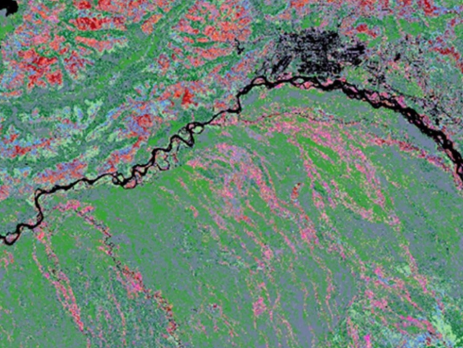
Using remote imaging to aid management decisions

Alaska’s 126 million acres of forested land provide critical ecosystem services that benefit local and global communities. With persistent warming, inconsistent participation, insect pests and intensifying wildfires, Alaska’s forests are facing serious threats to biodiversity as well as local communities and economies. University of Alaska Fairbanks researchers have developed processes that allow them to visually and spectrally observe changes in [...]

Read more...
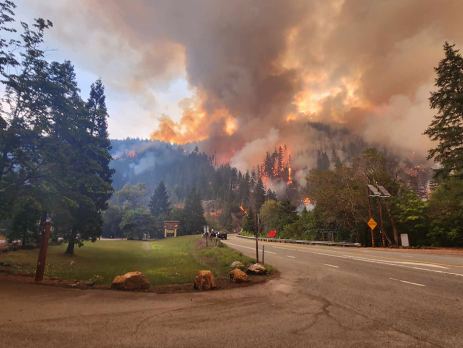
wildfire in the mountains of Del Norte County, northern California

Timely wildfire loss data supports rapid recovery for residents, businesses in northern California

Starting on Aug. 15, 2023, the Smith River Complex fires burned almost 100,000 acres in Del Norte County in northern California. The lightning-sparked fires knocked out the main power line to the small, rural county. On average, residents and businesses were without power for six days. Property burned and food spoiled. To help the community recover some economic losses, University [...]

Read more...
Dark storm clouds brewing over a field

Monitoring climate change to reduce emissions and waste

Land-grant universities are working to provide critical data, tools and strategies to help predict, monitor and mitigate climate change and its impacts on communities and natural resources. Here are a few examples of that work: Dairy waste is a major source of methane and nitrous oxide emissions, which contribute to global warming. Scientists in Washington showed that vermifiltration (which uses filters [...]

Read more...
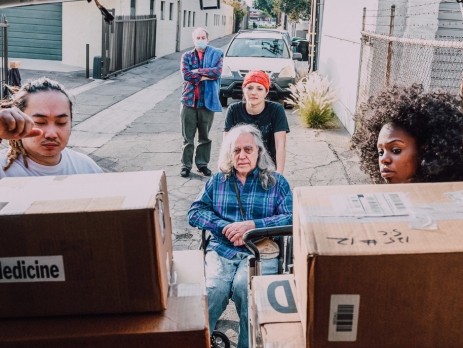
volunteers give donated goods to citizens

Extension mobilizes after tornadoes

On January 12, 2023, at least four tornadoes touched down in Spalding County, Georgia, including an EF3 tornado that tore through the center of downtown Griffin. More than 2,200 homes and businesses were damaged or destroyed across the county. University of Georgia Spalding County Extension staff established a call center that organized relief efforts, connecting residents with relief organizations, [...]

Read more...
fire truck

Georgia 4-H-ers get trained on how to help during natural disasters

In the past five years, Gordon County, Georgia, has dealt with its fair share of natural disasters. Tornadoes, winter weather, hurricanes, flooding and severe thunderstorms have all affected the county. In coping with these challenges, 4-H leaders with University of Georgia Extension realized an opportunity to train youth to be helpers when their community might need them during future [...]

Read more...
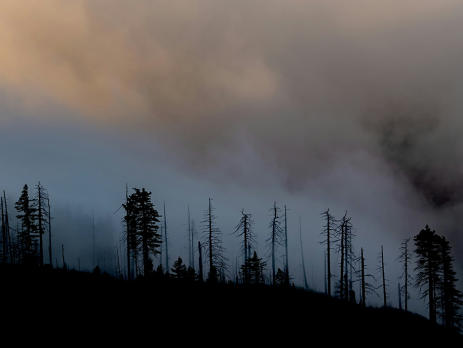
wildfire smoke above an Oregon forest

Efforts to effectively monitor air quality increase health awareness in Oregon’s Columbia River Gorge

Wildlife smoke has become an issue in Oregon’s Columbia River Gorge after two large wildfire events (in 2017 and 2020) led to record-shattering hazardous air quality index levels. In addition, cherry and pear orchard waste historically has been burned in the area, and no regulations exist on wood-burning stoves. Microscopic particles from smoke can penetrate deep into lungs, causing [...]

Read more...
drone flying over crop

Drones, virtual fencing, gene technology moving agriculture forward

Land-grant universities and state research agencies are using multiple technologies to solve production challenges and provide educational outreach. From using drones to assess damage following natural disasters to GPS tracking to monitor livestock within the boundaries of virtual fencing, advances in technology are helping propel food and fiber production. Successful examples include: Following Hurricane Idalia, a Category 3 hurricane, Extension educators [...]

Read more...
a drone flying on a blurred green and blue background

Drones assess ag damage in Georgia, support insurance-claim process

Hurricane Idalia made landfall as a Category 3 hurricane on Florida’s Gulf Coast on August 30, 2023. The storm entered Georgia at Brooks, Lowndes, and Echols counties with wind speeds around 90 miles per hour. Thousands of people were without power for up to a week. Agricultural structures and crops took a major hit. Barns and equipment sheds were [...]

Read more...
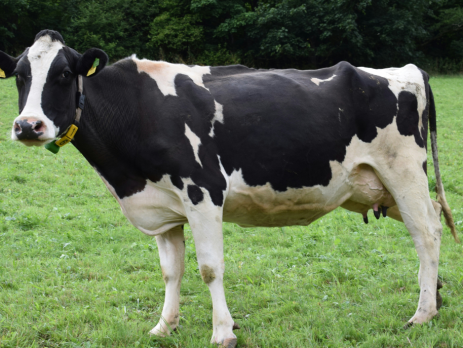
dairy cow with a tracker collar

Virtual fencing to restore burned rangeland

New Mexico State University Cooperative Extension is exploring virtual fencing technology. The project is in response to flooding that destroyed hundreds of miles of fences in the Black Fire in 2022. More than 325,000 acres of forest and rangelands in the southern portion of the of the Gild National Forest were burned as well as the forage base. With virtual [...]

Read more...