Tag - 2024

Year

a cup of soy milk and bowl of soybeans

Research shows enriching plant milk with algae fatty acids increases intake of nutrient

Fish oil contains two fatty acids, called Omega-3s, that provide health benefits including reducing the risk of cardiac death and lowering inflammation. However, a large portion of the population is not consuming the recommended amount of fish and its oil due to high cost, dietary restrictions, mercury levels, general dislike and other factors. Algae contains the same fatty acids, [...]

Read more...
map of gardens with points highlighted with carrot icons. there is also a photograph of a garden.

Edible garden tours encourage new gardeners

Idaho gardeners face unpredictable growing conditions and this can discourage those new to gardening or with limited experience. Gardening offers many benefits, including food security, personal empowerment, economic savings and physical activity. University of Idaho Extension organized a self-guided Edible Garden Tour with 13 experienced home gardeners to encourage and educate new gardeners. Each host garden was unique, from [...]

Read more...
young boy bites into a piece of watermelon

Grow Getters instills early healthy habits

Good health in the early years leads to physical and cognitive development that enables youths to thrive and become healthy adults. Early care and education providers can teach healthy behaviors to young children if resources are available in a grab-and-go format. South Dakota State University Extension professionals created Grow Getters to provide nutrition and physical activities through garden concepts [...]

Read more...
black and white cow in a field

Research identifies antibiotic resistance markers that make meat and milk safer

The World Health Organization (WHO) named resistance to antimicrobials one of the top 10 global public health threats because it decreases the effectiveness of medicines and makes infections more difficult to treat. The degree of threat this poses to the food supply is still unclear. Researchers at Pennsylvania State University led an international team that found that dairy cows [...]

Read more...
a closeup of hands examining wheat

Strong farms strengthen local food systems

New farmers just starting out and established farmers looking to expand markets have something in common: looking to the Land-grant University System to support their growth. Strong local farms strengthen local food systems and food security. Here are a few examples of this work: When participant surveys indicated a need for more in-depth and hands-on farmer education, Idaho Extension educators responded [...]

Read more...
Aerial view of a field mapped out with drone technology

Emerging technologies aid conservation and management

Climate change and biodiversity losses pose extraordinary challenges for the sustainability of natural ecosystems and the species that inhabit them. Land-grant universities are developing and applying emerging technologies that can help to more efficiently, accurately and safely monitor, measure, and precisely manage these systems with minimal environmental impact. Here are a few examples of that work: In New Hampshire, researchers found [...]

Read more...
an agricultural field

Increasing food security with better food products

Ensuring an adequate supply of safe and nutritious food requires improving existing food varieties and innovating to develop new ones. Here are a few examples of how land-grant universities are contributing: Researchers in Washington generated more than 25 unique lines of rainbow trout with many more in the pipeline. Using biotechnology, they are developing commercial trout lines with enhanced production and [...]

Read more...
a honeybee sits in the middle of a flower

Pollinators support agriculture profitability

Bees, flies, moths and other pollinators are essential to the environment. Pollinators improve the quality and quantity of farmers’ crop yields, which adds an estimated $18 billion in crop production revenue annually. Pollinators also support healthy ecosystems needed for clean air, stable soils and diverse wildlife. However, both wild and domesticated pollinators are at risk, most notably many wild [...]

Read more...
forest with wildlife

Forestlands are fundamental for healthy ecosystems

Forests are vulnerable to climate change, but when managed sustainably they can play an important role in mitigating climate change. Healthy trees provide oxygen by removing carbon dioxide from the air through photosynthesis. The carbon is stored in wood, plants and soil, helping to reduce carbon emissions. Land-grant universities are supplying research and outreach to improve our forestlands. Here are [...]

Read more...
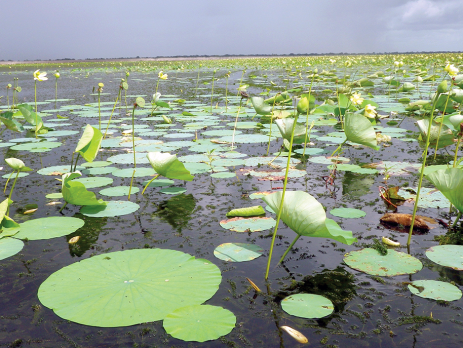
a body of water covered in lotus plants

Managing invasive species

Invasive species are organisms that are non-native to an ecosystem and whose introduction causes economic, social or environmental harm. Nearly every terrestrial, wetland and aquatic ecosystem in the United States has been invaded by non-native species, with economic losses estimated at $137 billion per year. Land-grant universities are leading the battle against invasive species. Here are a few examples of [...]

Read more...
a person's torso and hands, holding a cellphone

Gaining real-time insight on food insecurity

Social media is a great tool for immediate feedback on emergency situations. To gain an understanding of issues surrounding access to adequate food and assess how people felt about their food situation, Pennsylvania State University rural sociology researchers and international colleagues analyzed Twitter posts during the pandemic. Posts expressing anger, disgust or fear were strongly associated with actual food insufficiency [...]

Read more...
aerial view of a combine harvester

Assessing effects of international conflict on U.S. ag markets

International conflicts, like the war in Ukraine, can greatly affect agricultural markets in the United States. To help producers better plan for these impacts, economists at Kansas State University began a monthly series of webinars to provide real-time analysis and education. Market impacts included grain and livestock fluctuations, interest rate hikes, fuel and fertilizer cost increases and availability as well [...]

Read more...
plant sprouts in a tray

Incubator farms strengthen food security

Food deserts in communities limit access to affordable, healthy foods and increase the risk of obesity, heart disease and diabetes. Communities with underserved, underrepresented populations are more likely to have a food desert. New farms are potential local solutions. Barriers can range from individuals having confidence in preparing fresh produce to accessing technical assistance, mentorship, land, capital, markets and [...]

Read more...
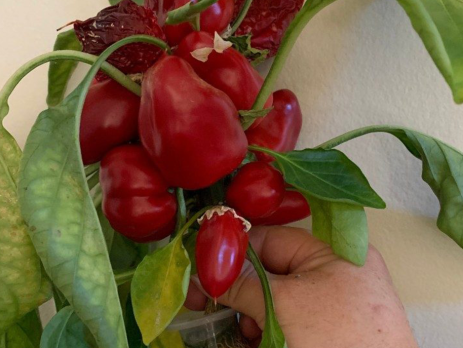
hand holding a potted pepper plant

Researchers develop new snacking pepper cultivars for indoor agriculture

Controlled environment agriculture is growing rapidly in Virginia, using fewer resources and enabling year-round planting in indoor spaces. Crops are grown vertically, with more crops grown on fewer acres. In response, Virginia Tech researchers are partnering in the development of snacking pepper cultivars suitable for growing in controlled agriculture environments. The project explores the potential of indoor agriculture to ensure [...]

Read more...
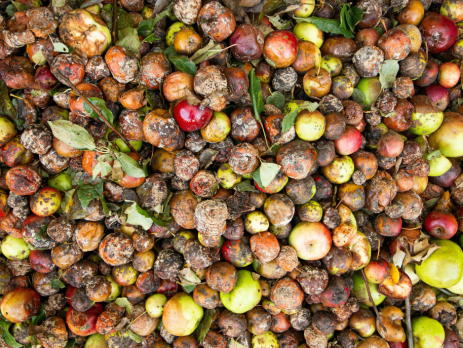
pile of rotten apples

Packaging improvements reduce food spoilage

The U.S. Department of Agriculture estimates that over 30% of food in the U.S. is lost to spoilage at the retail and consumer level. Researchers at Tennessee State University are developing environmentally friendly solutions to reduce the amount of food lost to spoilage. The goal is to create improved packaging composed of natural materials that incorporate natural compounds to [...]

Read more...
man cooking in an industrial kitchen

Licensed kitchen requirements made easy by South Dakota Extension

Before food entrepreneurs can sell products to retailers, they often must have them tested or evaluated in a licensed kitchen. However, finding one or figuring out how to create one can be difficult for those trying to bring new products to market. To assist those new to the business, South Dakota University food safety specialists put together easy-to-follow information [...]

Read more...
a variety of seed packets spread out on a table

Seed-sharing libraries extend plant access

A seed library is a resource where seeds are shared with community members free of charge. The North Carolina State University Extension Master Gardeners support seed-sharing libraries across the state to encourage local gardening. Typically found at libraries or community centers, gardeners, students and teachers are encouraged to check out the seeds and plant them in a garden. At the [...]

Read more...
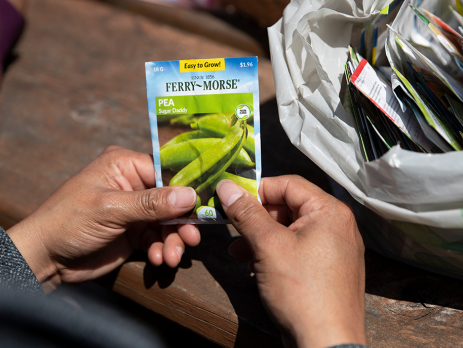
closeup of hands holding a pea seed packet. there is a bag of seed packets in the background.

Community gardens increase food security and community well-being

Based on the 2023 National Gardening Survey, 80% of American households participated in a gardening project in 2022. Through Extension trainings, seed libraries and gardening kits and the efforts of Extension Master Gardener volunteers, land-grant universities are increasing access to gardens, improving community well-being, and helping individuals learn to grow their own food. Here are a few examples of that [...]

Read more...
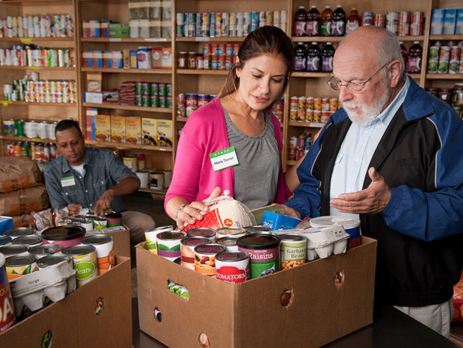
two people look in a box of food at a food pantry

Food security resources for local communities

Limited access to healthy food options can lead to problems such as poor health, chronic illness, child development and family instability. Food pantries can help people who lack adequate food resources access a range of products locally. By connecting food pantries with resources, land-grant universities are helping communities better serve those in need. Here are a few examples of that [...]

Read more...
cattle walking through a field

Rapid response to animal and food safety and security threats

When disasters happen, land-grant universities are partners with local communities in sharing resources and information, providing training, offering testing and technical assistance and collaborating on future research. Timely and coordinated response efforts support local communities and producers and ensure access to a safe food supply. Here are a few examples of that work: Extension educators in Oregon responded quickly to coordinate [...]

Read more...
the torso of a person checking something off on a clipboard

Research and education combine to fight food contamination

The U.S. Centers for Disease Control estimate that 48 million people become ill from foodborne illnesses annually, resulting in 3,000 deaths. Through research and education, land-grant institutions are working to reduce the pathogens contained in food and increase food security. Here are a few examples of that work: In Vermont, a certification program known as CAPS+ was developed to assure retailers [...]

Read more...
a group of scientists planting experimental crops

Reaching diverse farms and farmers

Extension educators and researchers across the Land-grant University System reach diverse farmers and farms through programming, information and accessible tools. Their work ensures farming resources are available to all individuals. Here are a few examples of that work: Minnesota Extension launched a pilot project to bring Minnesota-grown goat meat to halal customers. The collaboration has resulted in the first halal certified [...]

Read more...
a rainbow shines through sprinkler mist on a field

Protecting our water

Water continues to be one of the most critical challenges facing agriculture and communities. Land-grant universities are working to discover new ways to increase water efficiency, reduce water use and protect water quality. Here are a few examples of that work: Researchers in Ohio are working to improve soil health and water quality through best agricultural management practices to prevent non-point-source [...]

Read more...
a group of cows stands in a grassy area near some trees

Research, education improve livestock health

Livestock producers are continually searching for the best management strategies to protect animal health, which is essential to productivity and profitability as well as the animal’s well-being. Maintaining healthy animals also protects human health. Here are a few examples of how land-grant universities are contributing: When the highly pathogenic avian influenza (HPAI) threatened domestic poultry in Oregon, Extension responded rapidly with [...]

Read more...
scientists examines experimental plants

Improving nursery and fruit crops

Specialty crops, including fruits, floriculture and nursery crops, provide a wide range of products and play a crucial role in the American economy. Land-grant university researchers and educators provide new varieties, production practices and other innovations that help ensure a reliable supply of high-quality products for consumers. Here are a few examples of that work: North Carolina Extension educators are helping [...]

Read more...