Tag - University of Nebraska-Lincoln

Institution

Healthy foods and exercise equipment.

Research and Extension strengthen nutrition, health and well-being

Chronic diseases are the leading cause of illness, disability and death in America. Research and Extension are fighting back. Over half of adults who participated in a Texas diabetes education program now choose healthier foods, monitor glucose levels during exercise, and control their diabetes to avoid interference with daily life. These changes could help participants save up to $94,021 in [...]

Read more...
Vegetables for sale at a farmers market stand.

Research and Extension ensure everyone has ample access to affordable, safe, nutritious food

Invasive pests damage crops, costing U.S. agriculture an estimated $30 billion annually. Pest management research and Extension are stabilizing the food supply chain. Efforts have led to: Cost-effective alternatives to glyphosate for herbicide-resistant Russian thistle control in Oregon, protecting more than 30,000 acres of wheat and preventing over $1 million in yield losses so far.Oregon State University Extension Service; Other [...]

Read more...
A river bisects a field and forested riparian area

Research and Extension support resilient ecosystems

Recent studies and programs are conserving and protecting water used for drinking, fishing, irrigation and recreation.  Washington research helped establish 25 anaerobic digesters across the Pacific Northwest, turning dairy manure from more than 143,000 cows into biogas that provides more than 126 million kilowatt-hours of renewable energy per year. Digesters decrease water quality risks associated with nutrient runoff from manure [...]

Read more...
three generations of farmers

Securing agriculture’s future through successful farm transitions

Kansas State Extension, University of Nebraska-Lincoln and Purdue University Extension in Indiana helped families ease the transition of farms to the next generation through a four-session educational series.  Keynote presentations were offered online addressing a wide spectrum of succession planning. From gaining a better understanding of family motivations and communications, to the complex financial and legal frameworks that govern farm [...]

Read more...
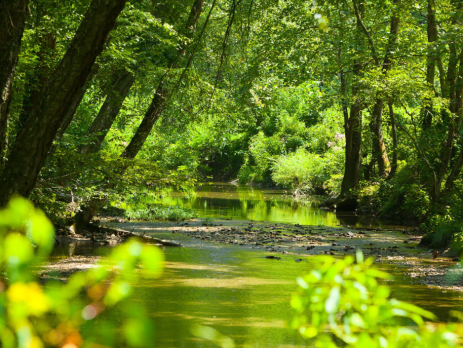
a creek through the woods

Precision monitoring aids decision makers and stakeholders in protecting key watersheds

Nutrient pollution, biodiversity losses and weather variability pose extraordinary challenges for the sustainability of natural ecosystems and the species that inhabit them. Land-grant universities are developing and applying emerging technologies that can help to more efficiently, accurately and safely monitor, measure and precisely manage these systems with minimal environmental impact. Here are a few examples of that work: To better understand [...]

Read more...
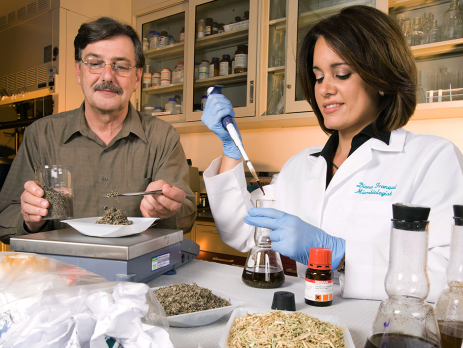
two scientists analyze samples in a food lab

Understanding how natural chemicals in food affect health

The foods and drinks we consume contain natural chemicals like vitamins, minerals, flavonoids, toxicants and hormones that can positively or negatively impact human health. Since 1971, a multistate project has brought together researchers at 22 land-grant universities to research the effects of these dietary bioactive chemicals. Studies shed light on mechanisms involved in bioactivity and determined how agricultural practices [...]

Read more...
a man holding a wood pallet in a workshop

Nebraska eCommunities program boosts rural economies

In rural Nebraska, many communities have experienced population losses leading to a decline in economic activity. Since 2021, an Extension program from the University of Nebraska-Lincoln has offered support for business owners in 20 communities in 12 rural counties, helping them set and develop strategies for achieving their goals. The Nebraska Entrepreneurial Communities, or eCommunities, initiative sets up a steering [...]

Read more...
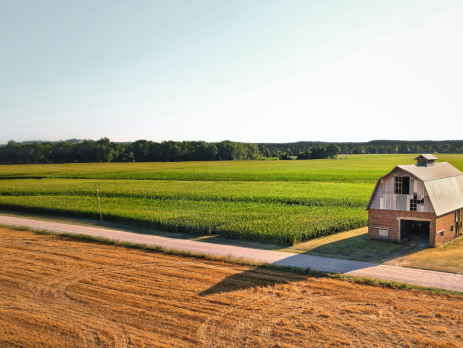
a barn in kansas on sprawling field

Taking the mystery out of land leasing in Kansas

U.S. Census data reflect that half of Kansas farm and range land is operated on a leased basis. Much of the land is owned by widows and non-farming children who are often absentee. The success of leasing agreements is key to supporting healthy agriculture and rural communities in the state. Extension educators from Kansas State University, University of Nebraska-Lincoln and [...]

Read more...