Tag - Southern

Region

pigweed

Research and outreach on invasive species keep agriculture productive, profitable

Land-grant university research and outreach is helping manage the impacts invasive weeds and species have on growers and agricultural productivity. Here are a few examples of that work: When invasive pigweed threatened Idaho agriculture, Extension educators educated stakeholders on identification and best management practices. Educational materials have been widely shared, including more than 50 presentations to more than 4,000 direct contacts [...]

Read more...
a robot picking berries

Digital agriculture enhances production, monitoring capabilities

Data modeling, automated machinery and drones are just a few of the technologies that are powering improved efficiencies in livestock and crop production. Land-grant universities are at the forefront of researching and applying these technologies, paving the way for increased productivity, better disease management and optimized harvest timing. Here are a few examples of that work: In Idaho, many cattle producers [...]

Read more...
a group of smiling students

Education opportunities elevate agriculture issues and importance

Reaching youths and students early increases awareness of the importance of agriculture and the critical issues impacting producers. Land-grant universities are creating solutions to address educational gaps, improve understanding critical issues like cyber-biosecurity and provide students with practical knowledge, skills and information for the future. Here are a few examples of that work: Researchers in New Mexico recognized an opportunity for [...]

Read more...
a scientist examining a plant

Land-grant scientists help farmers manage costly plant diseases effectively

Each year, plant diseases cost the global economy around $220 billion. Plant diseases kill crops and make their products unmarketable, wasting food and other resources while driving up costs for farmers and consumers. Land-grant university scientists are helping farmers monitor for diseases and manage them in a safe and cost-effective manner. Here are a few examples of that work: Researchers in [...]

Read more...
a person wearing PPE and looking at a device

Land-grant universities support the viability of livestock production

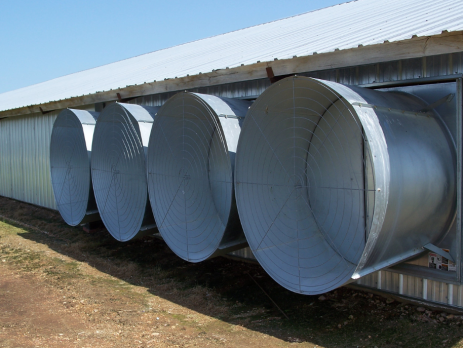
From teaching producers biosecurity techniques to keeping poultry cool in extreme temperatures to identifying genetic traits that will optimize production, land-grant university researchers and Extension professionals are supporting the viability of livestock production in the United States. Here are a few examples of that work: Researchers at land-grant universities nationwide are developing and using advanced technologies and data to improve poultry [...]

Read more...
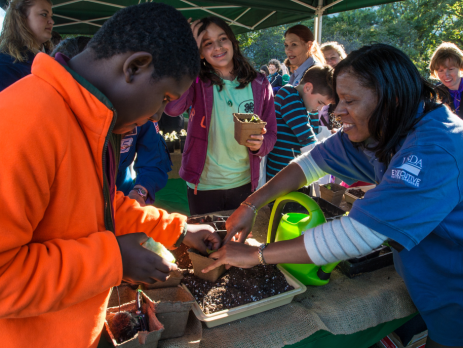
a 4-h leader helps a participant with a planting

Breaking barriers: Expanding 4-H opportunities in Florida

Orange Park, Florida, traditionally had low youth involvement in 4-H due to misconceptions and lack of local clubs. Since 2021, the University of Florida Institute of Food and Agricultural Sciences has worked to increase engagement. A breakthrough came when a St. Johns Country Day School student won the 4-H in Space program, sparking interest in STEM opportunities.  In spring 2023, [...]

Read more...
a 4-h participant and leader present a cooked meal

Youth volunteers lead wellness lessons through Mississippi Extension program

In Mississippi, 4-H members are stepping up to educate those in their communities about a wide variety of health topics.  Through the Mississippi State University Extension’s 4-H Junior Master Wellness Volunteer Program, 100 youths made 96,000 contacts in 2024 through one-on-one and group presentations, community service projects, social media messages and a health fair. After receiving training and with guidance [...]

Read more...
youth learn about financial education in a fair setting

Empowering Arkansas families to make informed financial decisions

The Financial Capability Survey revealed that nearly 20% of Arkansans report spending more than their income, and 50% do not have an emergency savings fund. Additionally, 67% could not correctly answer more than three of five questions about financial management.  Extension programs can enhance financial stability, reduce economic stress and contribute to stronger, more resilient communities. The University of Arkansas [...]

Read more...
honey sale sign at a farmers market

Developing new farmers, new products and new markets to boost agriculture sector

Many communities across the United States are seeing a decline in the agricultural workforce as experienced farmers retire. This issue has been exacerbated by national declines in new and beginning farmers. Land-grant universities are working to recruit and train new farmers, address their challenges and find ways to help them to thrive, including new crops and new marketing opportunities. [...]

Read more...

Land-grant university research helps stakeholders lower costs with renewable energy solutions

Non-renewable energy sources are limited, and growing demand exacerbates pollution and health issues. Enhancing energy efficiency and developing renewable sources are crucial to meet demand, reduce costs, create jobs and boost rural prosperity. Reducing fossil fuel reliance improves national security and public health. Researchers and educators in the Land-grant University System are finding innovative ways to improve energy efficiency [...]

Read more...
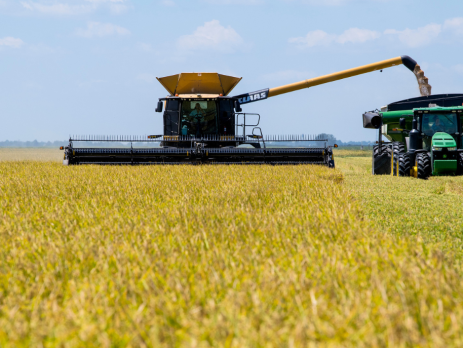
rice harvester

Developing informed guidelines for safer rice storage

Rice is a crop critical to the food security of citizens in the United States and globally, where half the world’s population relies on rice as a staple. However, an estimated 15% of rice production is lost annually due to contamination from fungi and other harmful organisms. When rice is exposed to high temperatures and humidity in storage, the [...]

Read more...
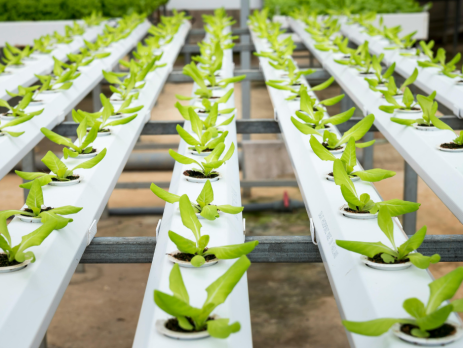
rows of hydroponic crops

Researching strategies to protect produce from contamination

Food contamination can occur at various stages from farm to table. At Louisiana State University AgCenter, researchers are studying foodborne pathogens to better understand how they are transmitted and what might be done to prevent them from contaminating fresh and processed foods.  Among the research projects are efforts to treat foods to make them less vulnerable to contamination. Those include [...]

Read more...
a downed tree across a road

Evaluating forest hurricane damage with AI and lasers

As hurricanes continue to increase in intensity and frequency in the Gulf of Mexico, the risk of damage to homes and businesses continues to rise. Hurricanes can also destroy forests and timber farms, impacting local and regional economies. Getting an accurate assessment of how much timber is damaged by hurricanes is essential for environmental management decisions, salvaging logging operations, [...]

Read more...
3 people riding horses on a prairie with the text "Generation Next: Our Turn to Ranch" and the Texas A&M Agrilife Extension logo

Supporting the next generation of ranchers in Texas

The Generation Next course led by Texas A&M AgriLife Extension gives new landowners (or those who expect to inherit land) the knowledge, skills and motivation they need to operate successful ranches and achieve their dreams. The 12-week, online course is taught twice per year covering topics that include understanding agricultural business taxes and insurance, finance tracking, evaluating land resources, land [...]

Read more...
researcher Pam Roberts standing in experimental tomato crops

Multistate project studies solutions to bacterial spot in tomatoes, peppers

Tomatoes are big business for Florida farmers, contributing $500 million annually. Bell and chili peppers are also popular crops among consumers with production value of more than $536 million. However, bacterial spot is a threat to yields and harvest revenue.  University of Florida researchers are working to solve this major issue along with scientists at the University of Georgia, North [...]

Read more...
a strawberry plant

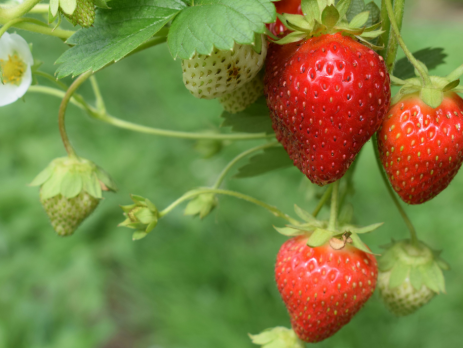
Extension helps strawberry farmers in Georgia and South Carolina save their growing season

Strawberries grown in Georgia bring in more than $15 million in sales annually, but the true value of growing strawberries is in agritourism — farms that open their doors to families to come pick fruit and enjoy a taste of farm life. For the past four years, the strawberry business in Georgia has been hindered by a new, highly [...]

Read more...

Dogs can be lifesavers for livestock

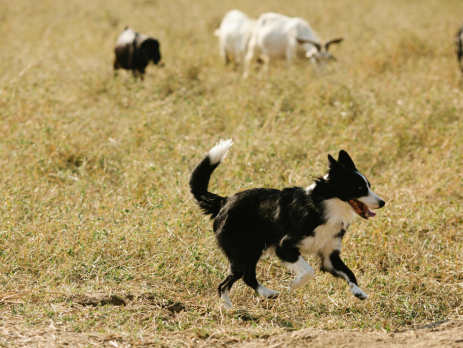
Like guardian angels, guardian dogs can be lifesavers for livestock. Increasing conflicts between livestock and predatory wildlife have prompted ranchers to seek effective and affordable protection for their cattle, sheep and other livestock. Through workshops, consultations and online resources, Texas A&M AgriLife Extension researchers help livestock producers manage and train livestock guardian dogs to effectively deter predators such as coyotes, [...]

Read more...
tomatoes on the vine

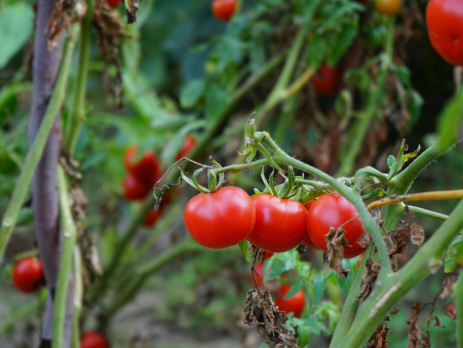
Optimizing nutrition for tomatoes enhances economic returns to growers

Nutrient deficiencies and excess can reduce tomato crop productivity, harvest quality and economic return. Mississippi State University Extension researchers evaluated nitrogen application rates in field tomato production in north Mississippi during the summer seasons of 2023 and 2024. They collected soil, water, leaf, fruit, stem and harvest samples, then processed and analyzed them. Based on the field studies, they determined [...]

Read more...
a feral hog

Trapping training helps reduce feral hog population in Arkansas

Feral hogs cause extensive economic losses in agricultural economies and impact forests, wildlife habitat and the landscape. The U.S. Department of Agriculture estimates feral hogs cause $41.3 million in crop, pasture and livestock losses annually in Arkansas alone. To address feral hog populations, Arkansas Extension agents received training in net capture systems and installed eight systems to capture the hogs. [...]

Read more...
a group of scientists smile around the AI-powered robot in an experimental field

Robots make plant inventory easy as 1, 2, 3

Ornamental plant growers manually count tens of thousands of plants each season to get an accurate inventory before they commit to fulfilling major orders. An Alabama ornamental nursery might have as many as 80,000 plants per acre, with larger nurseries covering more than 1,000 acres. Some growers estimate they spend more than $6.5 million in labor each year simply [...]

Read more...
a person spraying pesticide on a plant

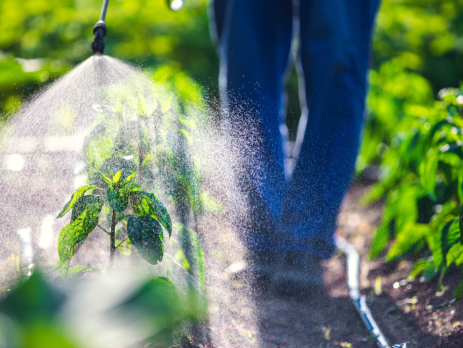
Restricted-use pesticide training boosts wages and saves local farmers money on pesticide management costs

Most farmers need to pay a contractor to spray restricted-use pesticides on their farms if they don’t have a license to do so. At $8 per acre, applied three times each growing season, the cost can really add up. On average, a farmer in Jackson County, Florida, can expect to spend more than $2,400 on pest control each season. A [...]

Read more...
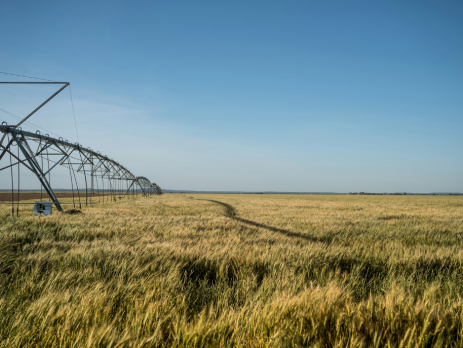
irrigation on a wheat field

Tennessee farmers increase irrigation for higher crop yields

When adopting irrigation, Tennessee row-crop producers must make appropriate choices of when and where to place it because the cost is high, varying from $1,500 to $2,500 per acre in a region where rainfall and good water-holding soils often provide a majority of the crop’s water requirement. University of Tennessee researchers and educators held on-farm research demonstrations, webinars and educational [...]

Read more...
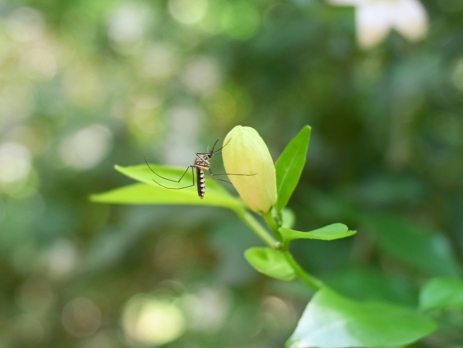
a mosquito on a flower

Reducing mosquito populations through nectar control

Mosquitoes pose a significant public health challenge as vectors of diseases such as Zika, malaria and West Nile virus. At the same time, they contribute to ecosystems as pollinators and as a food source for various species. In urban and suburban environments, managing mosquito populations is crucial for reducing disease transmission while minimizing ecological disruption. A research project at [...]

Read more...
a mosquito on human skin

Texas vector and tick management education

The Texas A&M AgriLife Extension Vector Management Program is the state’s only comprehensive educational resource for vector control professionals, providing up-to-date information on insect vectors, disease transmission and management strategies. Established in response to the 2012 West Nile Virus outbreak, which infected 1,868 Texans and resulted in 89 fatalities, the program has since expanded to address a broader range [...]

Read more...
a father and daughter hike in the woods

Oklahoma Extension program helps parents navigate divorce, coparenting

While adjusting to new family dynamics from separation or divorce can be a challenge for parents and children alike, effective communication and organization skills can help make the transition easier. Oklahoma State University’s Extension-led Co-parenting for Resilience program helps parents going through separation or divorce reduce negative impacts on children. Topics discussed include how to talk to children about a [...]

Read more...