Tag - Workforce Development and Readiness

Topic

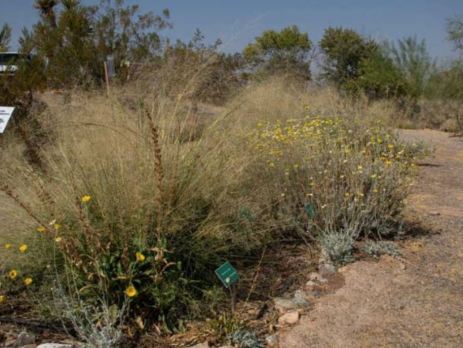
flowering plants growing in the desert

Extension programs help producers, communities manage pests sustainably

Agricultural land and natural ecosystems face growing threats from invasive and noxious grasses and weeds, feral animals, pests and diseases that impair ecosystem services and agricultural productivity. Chemical pesticides can pose human and environmental health risks. Extension educators at land-grant universities help agricultural producers and communities develop and implement pest management strategies that are cost-effective but also minimize risks. Here [...]

Read more...
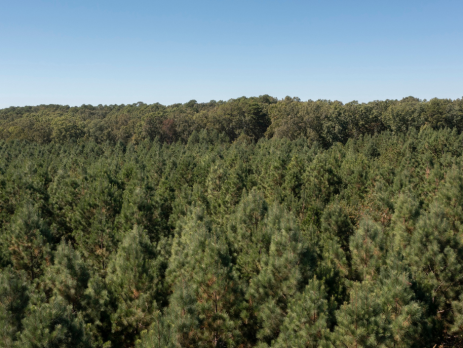
a forest

Preserving and managing our forests

Forests provide a variety of goods, including food, lumber, and paper. They also provide wildlife habitat as well as green space and recreation. As natural carbon sinks, forests absorb carbon dioxide from the atmosphere and store carbon in soils. But rising temperatures, pests and diseases pose threats to forests. Researchers, Extension professionals and educators at land-grant universities across the [...]

Read more...
a person looks at information on their phone and laptop

Extension builds financial resilience for community prosperity

Extension professionals at land-grant universities across the United States are helping communities build financial resilience by providing access to education and resources that foster financial literacy and money management. Here are a few examples of that work: Twenty-one percent of Oklahoma children live below the poverty level. An Extension program called Reality Check helped youths learn money management practices and job [...]

Read more...
an adult and teen work on a car

Extension programs drive economic growth and community vitality

Especially in rural areas, business owners, local leaders and others can have trouble finding support, information and resources. Across the nation, Extension programs are helping boost local economies and build vibrant communities. Here are a few examples of that work: In Mississippi, Extension professionals lead a program that educates new small business owners about resources and strategies that can help them [...]

Read more...
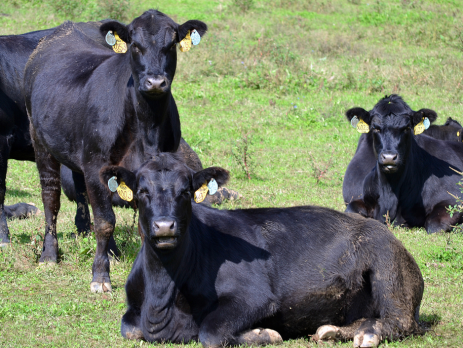
cows

Land-grant university research, outreach support beef production

The United States is the world’s top producer of beef, contributing to about 20% of the world’s production. In 2023, the U.S. beef industry had an estimated value of $102 billion. Land-grant universities are supporting the beef industry through research, Extension and education, ensuring producers remain economically viable and are able to safely meet changing market demands. Here are a [...]

Read more...
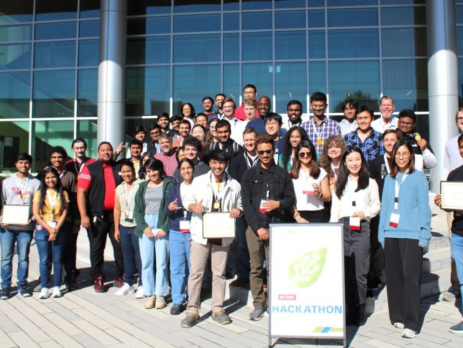
a group of smiling students

Education opportunities elevate agriculture issues and importance

Reaching youths and students early increases awareness of the importance of agriculture and the critical issues impacting producers. Land-grant universities are creating solutions to address educational gaps, improve understanding critical issues like cyber-biosecurity and provide students with practical knowledge, skills and information for the future. Here are a few examples of that work: Researchers in New Mexico recognized an opportunity for [...]

Read more...
peppers

Land-grant universities foster community, student resilience

The 1890 land-grant universities are committed to strengthening communities, farmers and students through meaningful outreach initiatives. Their engagement ensures that resources are tailored to meet local needs such as food security and economic development. Through these efforts, the universities are fostering more resilient communities for generations to come. Here are a few examples of that work: A food bank needs assessment [...]

Read more...
students work on a plant-based science experiment

Recruiting the next generation of students to STEM careers

As the population grows, the demand for innovative, science-driven solutions in food production and resource management increases. Agricultural STEM careers will play a vital role in boosting global food security and economic development while sustaining natural resources. The 1890 land-grant universities are key in bridging the gap between high school students and these STEM careers. Here are a few examples [...]

Read more...
a person in woodworking shop works at a laptop

Building stronger rural economies: The role of education & entrepreneurship

The Community Economic Development Program at the University of Wisconsin Extension launched research-driven programs to support entrepreneurs, community leaders, and stakeholders. The Wisconsin Rural Entrepreneurial Venture provided three years of coaching to rural communities, helping seven towns strengthen local business ecosystems. The Homegrown program assisted 60 community leaders in underserved areas with economic data analysis, support networks and business [...]

Read more...
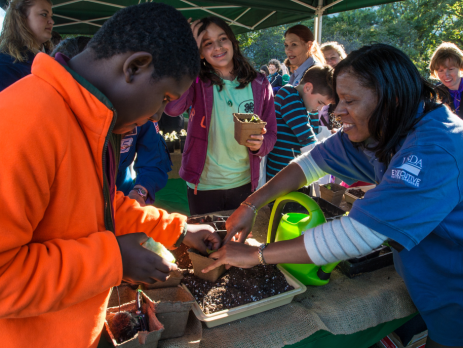
a 4-h leader helps a participant with a planting

Breaking barriers: Expanding 4-H opportunities in Florida

Orange Park, Florida, traditionally had low youth involvement in 4-H due to misconceptions and lack of local clubs. Since 2021, the University of Florida Institute of Food and Agricultural Sciences has worked to increase engagement. A breakthrough came when a St. Johns Country Day School student won the 4-H in Space program, sparking interest in STEM opportunities.  In spring 2023, [...]

Read more...
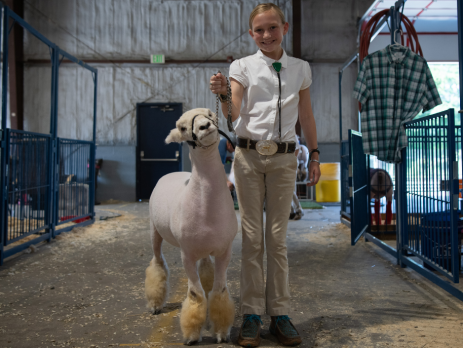
a 4-H participant smiles next to her show sheep

Illinois 4-H program guides youths on the path to success

Beyond the immediate benefits felt by communities through the service projects spearheaded by 4-H youths, the lasting effects extend far into adulthood. Research shows that individuals who engage with 4-H during their formative years are not only more likely to attain economic stability but also exhibit heightened civic engagement compared to their counterparts in the general population.  Commitment to community [...]

Read more...
a 4-h participant and leader present a cooked meal

Youth volunteers lead wellness lessons through Mississippi Extension program

In Mississippi, 4-H members are stepping up to educate those in their communities about a wide variety of health topics.  Through the Mississippi State University Extension’s 4-H Junior Master Wellness Volunteer Program, 100 youths made 96,000 contacts in 2024 through one-on-one and group presentations, community service projects, social media messages and a health fair. After receiving training and with guidance [...]

Read more...
smiling person in front of a food truck

FEED Initiative: Empowering Food Entrepreneurs in Wisconsin

Food entrepreneurship is a powerful tool for economic growth, but success requires navigating business planning, licensing and financial regulations. The Food Entrepreneurship Ecosystem Development (FEED) Initiative, led by the University of Wisconsin Extension, provides hands-on support to early-stage food businesses.  In 2024, FEED connected with over 400 participants through a webinar series, an in-person summit and specialized workshops. The annual [...]

Read more...
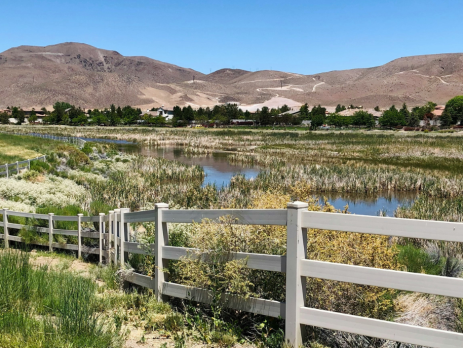
a marshy landscape with mountains in the distance

Extension helps Nevada counties gather planning, economic data

When county governments in Nevada apply for grants, want to assess the potential impact of a new industry or respond to federal public land inquiries, they can turn to the Nevada Economic Assessment Project for in-depth, up-to-date data and analysis.  Led by Extension professionals with the University of Nevada, the project collects and maintains baseline information on general demographic, social, economic, [...]

Read more...
a woman farmer checks on a cow

Program for women farmers increases well-being, safety and productivity

Nationally, women account for 36% of all U.S. agricultural producers and 41% of beginning farmers. The Northeast corridor, which extends from Maine to West Virginia, is home to many of the counties with the highest percentage of women farmers.   Yet, U.S. Department of Agriculture data consistently show that farms in which a woman is the primary operator tend to be [...]

Read more...
honey sale sign at a farmers market

Developing new farmers, new products and new markets to boost agriculture sector

Many communities across the United States are seeing a decline in the agricultural workforce as experienced farmers retire. This issue has been exacerbated by national declines in new and beginning farmers. Land-grant universities are working to recruit and train new farmers, address their challenges and find ways to help them to thrive, including new crops and new marketing opportunities. [...]

Read more...
two teens wearing goggles and using tools in a workshop setting

Missouri Manufacturing Academy builds awareness of career opportunities

In Missouri, manufacturers produce everything from state-of-the-art fighter jets to the powder that is found on Frosted Flakes cereal. The manufacturing sector employs more than 300,000 people in the state with an average annual salary of more than $67,000.  Missouri manufacturing facilities, however, have reported challenges in hiring and retaining employees. To help fill this workforce gap — and educate [...]

Read more...
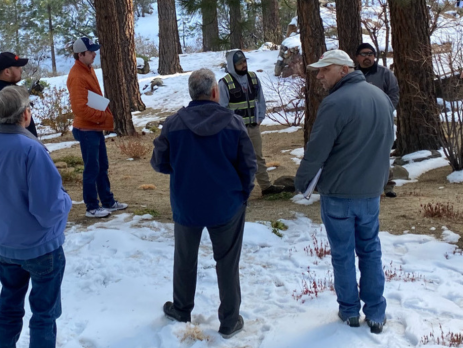
a group of training participants learn about fire safety

Promoting proactive wildfire mitigation

Many of the large wildfires that occur across Nevada each year happen in wildlands that are adjacent to communities, resulting in large-scale evacuations, substantial loss of property, extensive smoke inhalation and significant economic impacts on business and commerce. Wildfire preparedness education and the implementation of fire adapted community concepts can contribute to the long-term health of Nevada’s landscapes and [...]

Read more...
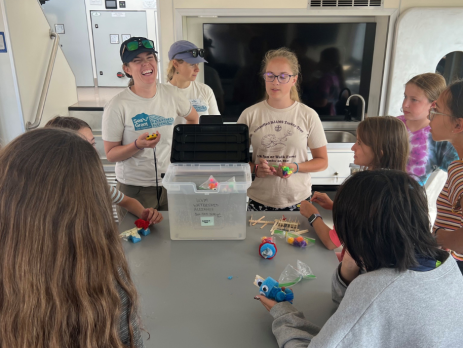
a group of students an instructor work on a project together

Using a floating classroom to inspire future stewards

The Lake Champlain basin is home to nearly 500,000 people in Vermont and New York, with almost half of this population relying on the lake for their drinking water. The lake also supports the region’s economy through jobs, recreation and enjoyment, all of which rely on current and future generations to maintain and protect the water’s quality and access.   University [...]

Read more...
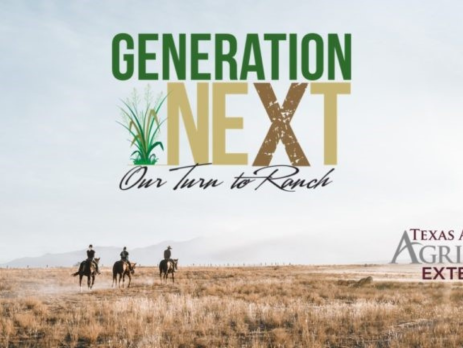
3 people riding horses on a prairie with the text "Generation Next: Our Turn to Ranch" and the Texas A&M Agrilife Extension logo

Supporting the next generation of ranchers in Texas

The Generation Next course led by Texas A&M AgriLife Extension gives new landowners (or those who expect to inherit land) the knowledge, skills and motivation they need to operate successful ranches and achieve their dreams. The 12-week, online course is taught twice per year covering topics that include understanding agricultural business taxes and insurance, finance tracking, evaluating land resources, land [...]

Read more...
a feral hog

Trapping training helps reduce feral hog population in Arkansas

Feral hogs cause extensive economic losses in agricultural economies and impact forests, wildlife habitat and the landscape. The U.S. Department of Agriculture estimates feral hogs cause $41.3 million in crop, pasture and livestock losses annually in Arkansas alone. To address feral hog populations, Arkansas Extension agents received training in net capture systems and installed eight systems to capture the hogs. [...]

Read more...
hemp

Helping hemp growers improve crop quality

Hemp, a non-psychoactive variety of Cannabis sativa L, has re-emerged as a popular crop after the 2018 Farm Bill granted hemp “crop status,” therefore removing it from the Drug Enforcement Administration list. It is sought after for a wide variety of consumer and industrial products including cosmetics, foods, fiber, building materials, biofuel and soil remediation. Vermont Agricultural Experiment Station scientists [...]

Read more...
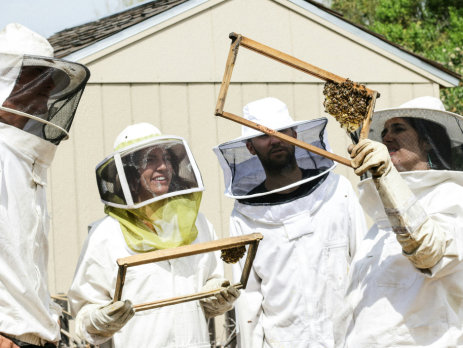
four people in beekeeper suits examine honeycombs from a beehive

Extension assists Michigan beekeepers to improve honeybee management

The Michigan State University Extension apiculture team partnered with the Michigan Beekeepers Association to conduct a needs assessment of the state’s small-scale beekeepers. Keeping bee colonies alive and disease identification and management were identified as the most important issues. An Extension apiculture educator then collaborated with Michigan beekeeping clubs to deliver in-person education on managing varroa mites and integrated pest management, [...]

Read more...
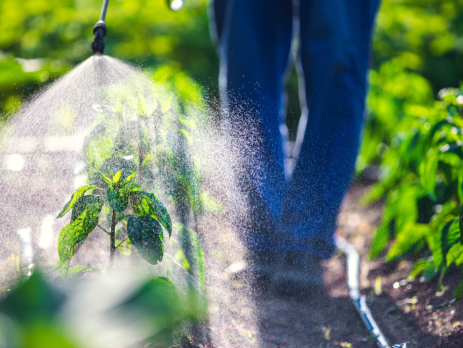
a person spraying pesticide on a plant

Restricted-use pesticide training boosts wages and saves local farmers money on pesticide management costs

Most farmers need to pay a contractor to spray restricted-use pesticides on their farms if they don’t have a license to do so. At $8 per acre, applied three times each growing season, the cost can really add up. On average, a farmer in Jackson County, Florida, can expect to spend more than $2,400 on pest control each season. A [...]

Read more...
two scientists take a sample

Land-grant universities drive sustainability through innovative agricultural practices

The 1890 land-grant universities are dedicated to improving the well-being of economically challenged communities. By focusing on sustainable practices, these institutions help address key challenges like food security, environmental stewardship and economic resilience. Through research, Extension and education, they equip farmers and communities with innovative techniques that preserve resources for future generations. Here are a few examples of that work: Researchers [...]

Read more...