Tag - Urban Agriculture

Topic

a scientist examining plants in a controlled environment agriculture setting

Advancing sustainable food production in soilless environments

Land-grant universities across the nation are working to make the food supply more secure by exploring the best ways to produce crops without soil. Hydroponic and aquaponic systems have many benefits, including reducing the inputs and space needed to produce food. Researchers are studying how to make the foods grown in these controlled environments safer and better. Extension personnel [...]

Read more...
two people sawing a tree

Volunteers help protect and restore local environments

Land-grant universities across the United States are finding ways to engage the public in science and stewardship that address real-world problems in their communities. With training and tools, volunteers are able to collect important data that help scientists, natural resource organizations, community members and the government protect and restore land, air and water resources — and the ecosystem services [...]

Read more...
a person watching the "Field Crops Virtual Breakfast" on a laptop

Virtual education programs reach clientele where they live

Since 2020, virtual education has increasingly helped land-grant university research and Extension programs be more available to clientele where they live. These virtual programs are user-friendly and can be tailored to an audience’s educational level. By creating a virtual series that is informative and interactive, land-grant universities can significantly enhance the reach and impact of research and Extension information. Here [...]

Read more...
sheep

Advancing food security through sustainable livestock and crop innovations

Research at 1890 land-grant universities addresses critical challenges in animal and plant production. Collectively, these projects support sustainable food systems and food security by improving livestock and crop health, reducing reliance on agrochemicals and increasing production efficiency. Here are a few examples of that work: An Arkansas study on sheep health explored natural dietary supplements to reduce antibiotic and dewormer dependency, [...]

Read more...
two scientists take a sample

Land-grant universities drive sustainability through innovative agricultural practices

The 1890 land-grant universities are dedicated to improving the well-being of economically challenged communities. By focusing on sustainable practices, these institutions help address key challenges like food security, environmental stewardship and economic resilience. Through research, Extension and education, they equip farmers and communities with innovative techniques that preserve resources for future generations. Here are a few examples of that work: Researchers [...]

Read more...
watering plants in a community garden

In New York, Extension program instills community pride, one block at a time

In Rochester, New York, a program led by Master Gardeners and Cornell Cooperative Extension has helped low-income residents transform more than 700 blocks in their neighborhoods into beautiful, blooming gardens that instill community pride. It all started about a decade ago with a Master Gardener volunteer who came up with the idea for the community beautification effort. The program, called [...]

Read more...
map of gardens with points highlighted with carrot icons. there is also a photograph of a garden.

Edible garden tours encourage new gardeners

Idaho gardeners face unpredictable growing conditions and this can discourage those new to gardening or with limited experience. Gardening offers many benefits, including food security, personal empowerment, economic savings and physical activity. University of Idaho Extension organized a self-guided Edible Garden Tour with 13 experienced home gardeners to encourage and educate new gardeners. Each host garden was unique, from [...]

Read more...
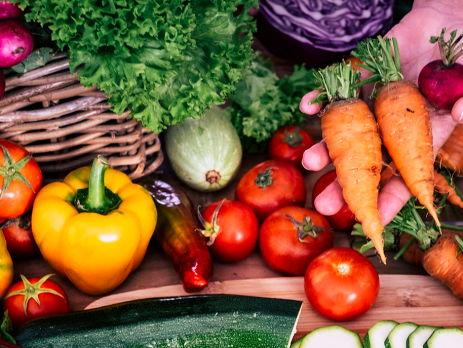
A hand holds carrots and a beet among a spread of other vegetables.

Getting more local, fresh produce into communities

Although fresh fruits and vegetables are key to health, difficulties abound in obtaining local produce. Land-grant institutions across the country work in a number of ways to promote growing produce as well as marketing and buying it locally. Here are a few examples of that work: In Georgia, the Fresh on DeK Mobile Farmers Market targets communities without access to a [...]

Read more...
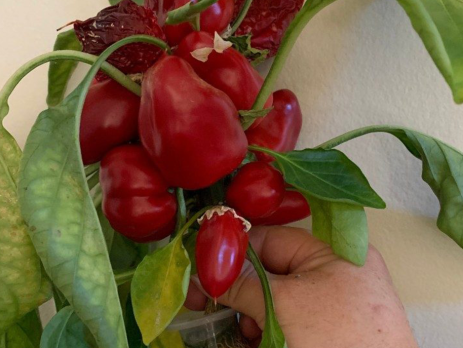
hand holding a potted pepper plant

Researchers develop new snacking pepper cultivars for indoor agriculture

Controlled environment agriculture is growing rapidly in Virginia, using fewer resources and enabling year-round planting in indoor spaces. Crops are grown vertically, with more crops grown on fewer acres. In response, Virginia Tech researchers are partnering in the development of snacking pepper cultivars suitable for growing in controlled agriculture environments. The project explores the potential of indoor agriculture to ensure [...]

Read more...
hands planting in soil

Afghan war refugees empowered to grow familiar foods

For Afghans resettling in the United States because of war in their country, the transition can become even more difficult as they must become accustomed to different foods. Michigan State University Extension found a way to help them grow some of the culturally important foods for their holidays and family gatherings. Food banks in the Lansing area were supplied container [...]

Read more...
a variety of seed packets spread out on a table

Seed-sharing libraries extend plant access

A seed library is a resource where seeds are shared with community members free of charge. The North Carolina State University Extension Master Gardeners support seed-sharing libraries across the state to encourage local gardening. Typically found at libraries or community centers, gardeners, students and teachers are encouraged to check out the seeds and plant them in a garden. At the [...]

Read more...
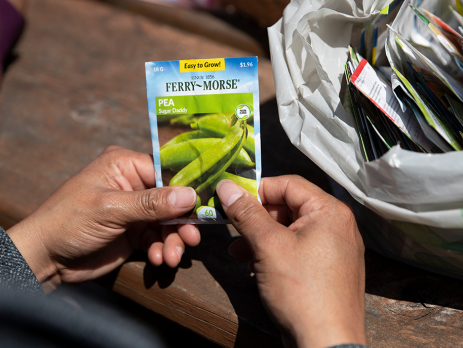
closeup of hands holding a pea seed packet. there is a bag of seed packets in the background.

Community gardens increase food security and community well-being

Based on the 2023 National Gardening Survey, 80% of American households participated in a gardening project in 2022. Through Extension trainings, seed libraries and gardening kits and the efforts of Extension Master Gardener volunteers, land-grant universities are increasing access to gardens, improving community well-being, and helping individuals learn to grow their own food. Here are a few examples of that [...]

Read more...
pesticides for spotted lanternflies

Bilingual Spray Safe, Spray Well recordings provide permanent resource for pesticide safety

Beginning organic growers, urban farmers and Spanish-speaking vegetable producers have been historically underserved by traditional cooperative Extension efforts to support agricultural risk management, especially related to safe and effective pesticide use. Production systems commonly used by beginning organic growers and urban farmers are often smaller, more intensive and less dependent on chemical control strategies for pest management than larger [...]

Read more...
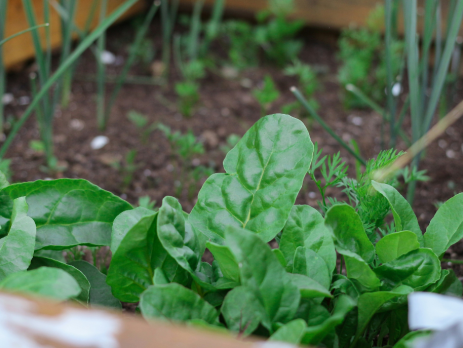
plants growing in a raised garden

Urban farm learning lab providing access to fresh, healthy food options

The Cornell Cooperative Extension Oneida Urban Farm Learning Lab in New York provides educational programming and resources to aspiring farmers and growers who face small business startup barriers within urban communities. The program addresses increasing interest in urban farming in the cities of Utica and Rome. It helps community members overcome challenges such as space, knowledge, experience and money [...]

Read more...