Tag - Public Health

Topic

a teacher reading a book to students

Building foundations for health with early childhood education

Early childhood education is imperative as it lays the foundation for a child’s academic, social and emotional development. Learning about healthy habits and nutrition during these formative years equips children with essential skills for future success and well-being. The Cooperative Extension System addresses these needs by leveraging its extensive network of land-grant universities and local offices to provide research-based [...]

Read more...
a spread of healthy foods

Youth empowerment leads to healthful resilience

Empowering youth with nutrition and health education essential for building healthier communities. The Land-grant University System provides science-based programs that teach young people how to make informed food choices, develop lifelong healthy habits and understand the connections between nutrition and well-being. By equipping youth with this knowledge, the programs foster resilience, reduce the risk of chronic diseases and promote [...]

Read more...
a father and child running

A holistic approach to diabetes prevention and management

Land-grant universities play a crucial role in addressing diabetes. Their work helps individuals and families adopt healthier lifestyles, manage diabetes effectively and prevent complications. Extension programs provide evidence-based nutrition education, promote physical activity and support access to affordable, healthy food. Research is driving innovations in diabetes prevention and management. By combining scientific expertise with local engagement, land-grant universities empower [...]

Read more...
a family preparing a meal

Expanded Food and Nutrition Education Program strengthens families with hands-on education

The Expanded Food and Nutrition Education Program (EFNEP) strengthens families by providing hands-on nutrition education to those with limited resources. Through practical lessons in healthy eating, meal planning, food budgeting and physical activity, EFNEP helps families develop lifelong skills that improve their overall well-being. As families adopt healthier lifestyles, they reduce their risk of chronic diseases and food insecurity. [...]

Read more...
peppers

Land-grant universities foster community, student resilience

The 1890 land-grant universities are committed to strengthening communities, farmers and students through meaningful outreach initiatives. Their engagement ensures that resources are tailored to meet local needs such as food security and economic development. Through these efforts, the universities are fostering more resilient communities for generations to come. Here are a few examples of that work: A food bank needs assessment [...]

Read more...
dry, cracked soil

Helping farmers affected by natural disasters with their mental health resiliency and safety

Drought, flooding and fire risk increasingly impact the mental health and safety of farmers, who are already less likely to seek mental health support. Ensuring the well-being of food producers ensures sustainability and resilience of our agricultural sector. To address issues of drought and water scarcity affecting farmers’ mental health, Oregon State University Extension and community programs in southern Oregon [...]

Read more...
two young teens running on a school track

Health without barriers: Addressing youth obesity and mental health

Youth obesity and its associated cardiometabolic health challenges remain pressing public health concerns in the United States, disproportionately affecting rural, low-income and other communities. Limited access to high-quality health programs exacerbates these disparities, particularly in La Plata County, Colorado, where Native American and Latino populations face heightened risks of obesity, depression and related health conditions.  Recognizing this urgent need, Colorado [...]

Read more...
farmer looking into the distance

Extension equips Colorado’s rural communities to address mental health challenges

Rural Colorado communities face significant mental health challenges due to isolation, limited access to services, and stigma. Cultural expectations like “Cowboy Up” worsen these barriers. Farmers and ranchers are especially vulnerable, with higher suicide rates than the national average. A 2024 report shows nearly all Colorado counties have behavioral health provider shortages, intensifying the crisis. To address this issue, Colorado [...]

Read more...
teapot and cup of green tea

Compounds in green tea have potential to benefit gut health and mitigate inflammation

Metabolic syndrome (MetS) affects over 34% of Americans and is a major risk factor for severe cardiometabolic disorders such as diabetes, obesity and high blood pressure. Researchers at the Ohio Agricultural Research and Development Center are building on previous findings by investigating the potential of green tea extract to support gut health and mitigate inflammation in individuals with metabolic [...]

Read more...
a woman farmer checks on a cow

Program for women farmers increases well-being, safety and productivity

Nationally, women account for 36% of all U.S. agricultural producers and 41% of beginning farmers. The Northeast corridor, which extends from Maine to West Virginia, is home to many of the counties with the highest percentage of women farmers.   Yet, U.S. Department of Agriculture data consistently show that farms in which a woman is the primary operator tend to be [...]

Read more...
a group of people outdoors, smiling

Cultivating mental health resilience

The Land-grant University System is tackling mental health challenges through innovative programs. Extension professionals are uniquely positioned to educate and support urban, suburban and rural communities, offering programs that teach coping skills, recognize mental health signs, and normalize conversations about mental health. Addressing mental health is crucial because it enhances overall well-being, improves quality of life and fosters healthier, [...]

Read more...
rice harvester

Developing informed guidelines for safer rice storage

Rice is a crop critical to the food security of citizens in the United States and globally, where half the world’s population relies on rice as a staple. However, an estimated 15% of rice production is lost annually due to contamination from fungi and other harmful organisms. When rice is exposed to high temperatures and humidity in storage, the [...]

Read more...
close up of experimental vials

Team finds ways to protect apples postharvest

Pennsylvania is the nation’s fourth largest producer of apples. Once these apples and other tree fruits are picked, they are sent to packing facilities where the fruit can come in contact with germs such as listeria that can survive in these cold and wet environments.  Pennsylvania State University researchers studied the seasonal changes in three different packing facilities and identified [...]

Read more...
a group of scientists look at samples of petri dishes

Using genomics and machine learning to predict food-borne illness outbreaks

Each year about one in six Americans get sick from contaminated food. The germs that cause food-borne illnesses – like E. coli, salmonella and listeria – pop up throughout the food system. These outbreaks are hard to predict because scientists don’t yet know enough about how the germs survive and proliferate.  At the University of Maryland, researchers received funding from [...]

Read more...
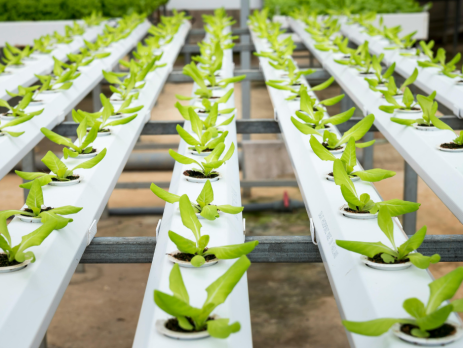
rows of hydroponic crops

Researching strategies to protect produce from contamination

Food contamination can occur at various stages from farm to table. At Louisiana State University AgCenter, researchers are studying foodborne pathogens to better understand how they are transmitted and what might be done to prevent them from contaminating fresh and processed foods.  Among the research projects are efforts to treat foods to make them less vulnerable to contamination. Those include [...]

Read more...
a mosquito on a flower

Reducing mosquito populations through nectar control

Mosquitoes pose a significant public health challenge as vectors of diseases such as Zika, malaria and West Nile virus. At the same time, they contribute to ecosystems as pollinators and as a food source for various species. In urban and suburban environments, managing mosquito populations is crucial for reducing disease transmission while minimizing ecological disruption. A research project at [...]

Read more...
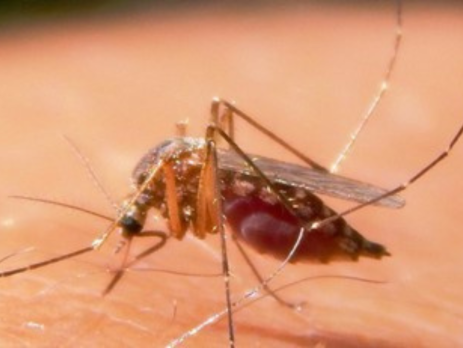
a mosquito on human skin

Texas vector and tick management education

The Texas A&M AgriLife Extension Vector Management Program is the state’s only comprehensive educational resource for vector control professionals, providing up-to-date information on insect vectors, disease transmission and management strategies. Established in response to the 2012 West Nile Virus outbreak, which infected 1,868 Texans and resulted in 89 fatalities, the program has since expanded to address a broader range [...]

Read more...