Tag - University of Missouri

Institution

young child walking in strawberry patch

Land-grant university research and Extension support resilience for youths, families and communities nationwide

Here are a few examples of that work:  The effectiveness of the Department of Defense’s Military Family Readiness System depends on well-trained Extension professionals with research-based tools and resources. Extension specialists in Kentucky contributed by providing personal finance training to military service providers so they can pass on knowledge, tools and resources that help military families prevent and navigate financial [...]

Read more...
Healthy foods and exercise equipment.

Land-grant university research and Extension strengthen nutrition, health and well-being

Chronic diseases are the leading cause of illness, disability and death in America. Research and Extension are fighting back. Over half of adults who participated in a Texas diabetes education program now choose healthier foods, monitor glucose levels during exercise, and control their diabetes to avoid interference with daily life. These changes could help participants save up to $94,021 in [...]

Read more...
A river bisects a field and forested riparian area

Research and Extension support resilient ecosystems

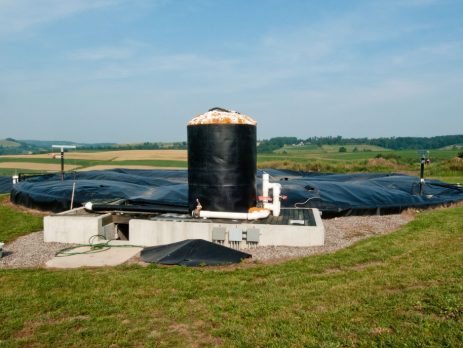
Recent studies and programs are conserving and protecting water used for drinking, fishing, irrigation and recreation.  Washington research helped establish 25 anaerobic digesters across the Pacific Northwest, turning dairy manure from more than 143,000 cows into biogas that provides more than 126 million kilowatt-hours of renewable energy per year. Digesters decrease water quality risks associated with nutrient runoff from manure [...]

Read more...

Land-grant university research and Extension drive new biofuels, bioplastics, biochar and other bio-based products, strengthening rural economies, environmental health and energy security

Here are a few examples of that work:  Partnering with a private company, scientists in Pennsylvania roduced and tested biomaterials to replace single-use, petroleum-based plastics. New composites made from cellulose and starch have improved stability and barrier properties and have been developed into compostable food packaging and handling products; adhesives and foams for packaging, wood composites and construction materials; and [...]

Read more...
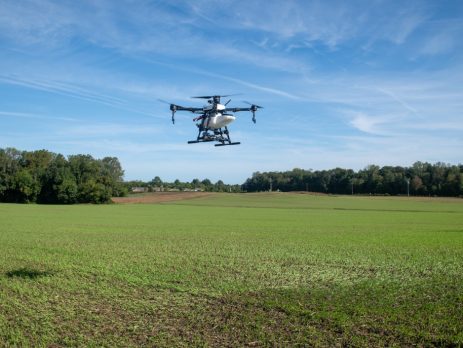
A drone flies over a field.

Research and Extension make agricultural systems more efficient, profitable, competitive and resilient

Strategies and tools for managing crop pests and diseases have increased productivity and profitability. For example: Extension units across the nation offer plant and pest diagnostic clinics. In New Mexico, free diagnoses saved producers an estimated $36,000 in testing fees in 2025, while also supporting biosecurity and export compliance. In Indiana, lab results and recommendations saved clients $890,000 in reduced [...]

Read more...
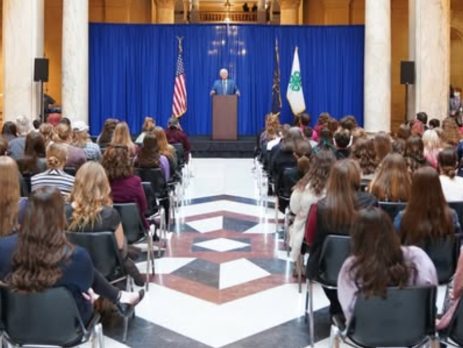
4-H students in a capital building

Growing tomorrow’s citizens: Land-grant universities empower youth voices

Civic engagement is essential to youth development because it builds leadership, responsibility, critical thinking and a sense of belonging. Land-grant universities play a vital role by delivering research-based Extension and 4-H programs that provide hands-on civic education, leadership training and service-learning opportunities. These institutions connect youth with local leaders, real-world challenges and pathways to lifelong active citizenship. Here are a [...]

Read more...
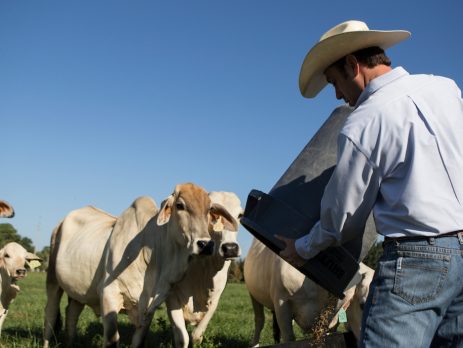
Farmer spreading feed for cattle

Confronting farm stress through research, Extension

Across the Land-grant University System, outreach and research-based work are critical to strengthening the health, safety and well-being of agricultural communities. By pairing scientific evidence with trusted Extension networks, land-grant universities address urgent challenges while improving quality of life nationwide. Here are a few examples of that work: Researchers in Pennsylvania held discussion groups with 68 farm women in Ohio, Vermont [...]

Read more...
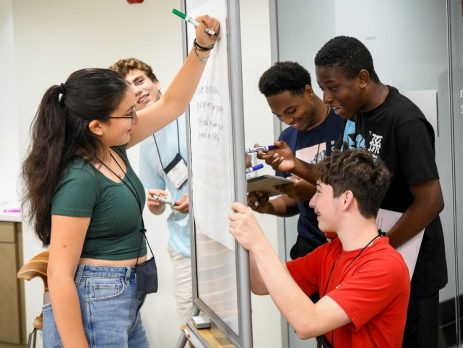
teens engaging in activities at a workshop

4-H programs prepare youth for college and careers

Professional skills like leadership, communication, problem solving and responsibility are important in any job or career. Land-grant university Extension 4-H programs help youth cultivate these skills to better prepare them for higher education and eventual employment. Here are a few examples of that work: After Missouri employers reported needs for workers skilled in communication, problem solving and collaboration, Extension specialists updated [...]

Read more...
Multiple glass containers with orange and red fruit liquids in them sit on a table.

Researchers look to science for healthier, better tasting food and drink

Working to create better tasting and more wholesome foods via science means not only healthier consumers, but also more markets for producers and value-added opportunities for entrepreneurs. At land-grant universities across the country, food scientists work to make sure agricultural commodities and value-added products have the best taste, texture, aroma and appearance possible, without compromising — and sometimes even [...]

Read more...
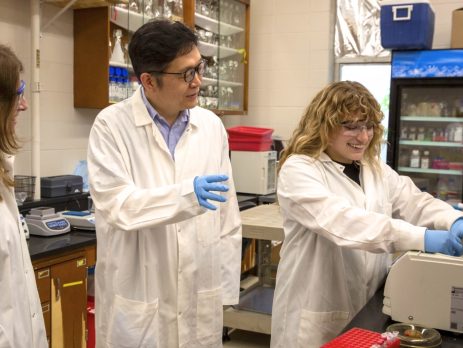
scientists working in the lab

Research at land-grant universities looks to answer complicated disease questions

The basic and applied research that happens in labs at land-grant universities across the country helps to answer questions about the origins of devastating diseases such as ovarian cancer, early-onset Alzheimer’s, kidney fibrosis and Zika virus by diving into disease modeling, gene identification, cancer receptors and cell aging. This research works toward preventions, therapies and perhaps even cures. Here are [...]

Read more...
seniors doing chair exercises

Reducing fall risk and promoting independence

Falls and physical inactivity are critical public health concerns for older adults. National data indicate that only 21.6% of men and 17.6% of women aged 50–64 meet the recommended guidelines for aerobic and muscle-strengthening activities. This number decreases to just 9% among adults aged 65 and older. Insufficient activity leads to reduced muscle strength, balance and mobility, which in [...]

Read more...
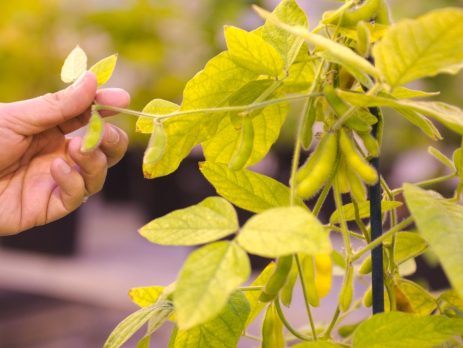
soybeans

Using genetics for crop disease resistance

Pests of major crops, including wheat, soybean, potatoes, tomatoes and wine grapes, cost American producers billions in yield losses each year and raise prices for consumers. Pathogens are steadily overcoming current genetic sources of resistance, making continuing efforts to identify and incorporate new genetics critical to reduce losses to farmers and protect markets and food security. Here are a few [...]

Read more...
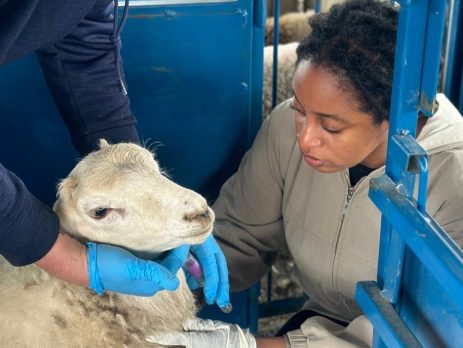
a vet giving a sheep a vaccine

Enhancing food safety with research and training

The United States food supply is among the safest in the world, but every day news stories report food recalls for a variety of safety reasons. Food safety must be maintained through every step of the production process, and land-grant institutions are the key to research and training that helps the food industry provide safe, healthy food. Here are a [...]

Read more...
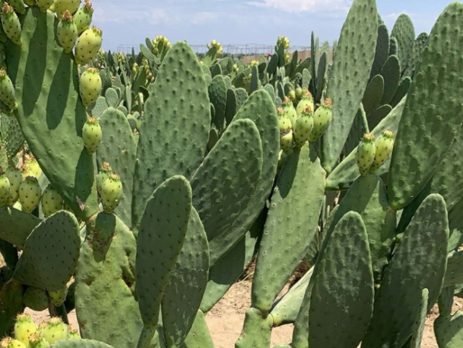
cacti

Developing sustainable domestic biofuels

Land‑grant universities are developing sustainable bioproduct solutions that transform renewable biomass, including food and agricultural wastes, into valuable materials. These bioproducts strengthen national energy and food security, lower greenhouse gas emissions and support rural economies. They also create new markets, provide farmers with additional income opportunities and help to reduce dependence on fossil fuels. Here are a few examples of [...]

Read more...
berries on the vine

New fruit, vegetable cultivars offer new opportunities for growers

Developing or restoring different fruit and vegetable cultivars allow farmers to plant crops based on disease resistance, fertilizer requirements, adaptations to site-specific soil and weather conditions or greater yields. Some cultivars can be a pathway to new market opportunities and new bio-based products. Here are a few examples of that work: Hemp is re-emerging as the basis of a viable industry [...]

Read more...
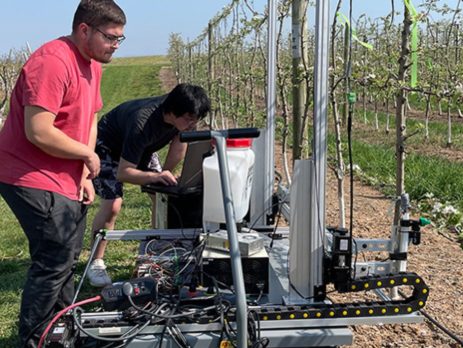
two scientists operate a robotic apple blossom sprayer

Emerging technology offers new tools for growers

Emerging technology is giving farmers tools to reduce the impacts of labor shortages, rising costs, changing weather patterns and regulatory demands, while improving production and profitability. These tools, using drones, robots, artificial intelligence and machine learning, offer a path to sustain productivity, worker safety and environmental performance in the agricultural economy. Projects demonstrate how these technical tools and artificial [...]

Read more...
a family preparing a salad

Delivering nutrition and health education and resources at the community level

The SNAP-Ed program provides research-based nutrition education to SNAP recipients and those who are eligible for benefits, helping individuals and families make more nutritious food choices, stretch their food dollars and lead healthier lifestyles. Land-grant universities play a key role by leveraging Extension professionals to deliver nutrition education and resources directly to a wide audience of communities. The program [...]

Read more...
a family preparing a meal

Expanded Food and Nutrition Education Program strengthens families with hands-on education

The Expanded Food and Nutrition Education Program (EFNEP) strengthens families by providing hands-on nutrition education to those with limited resources. Through practical lessons in healthy eating, meal planning, food budgeting and physical activity, EFNEP helps families develop lifelong skills that improve their overall well-being. As families adopt healthier lifestyles, they reduce their risk of chronic diseases and food insecurity. [...]

Read more...
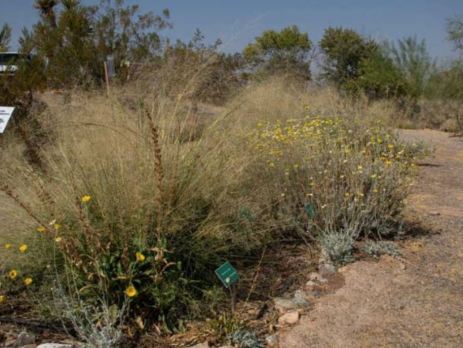
flowering plants growing in the desert

Extension programs help producers, communities manage pests sustainably

Agricultural land and natural ecosystems face growing threats from invasive and noxious grasses and weeds, feral animals, pests and diseases that impair ecosystem services and agricultural productivity. Chemical pesticides can pose human and environmental health risks. Extension educators at land-grant universities help agricultural producers and communities develop and implement pest management strategies that are cost-effective but also minimize risks. Here [...]

Read more...
an adult and teen work on a car

Extension programs drive economic growth and community vitality

Especially in rural areas, business owners, local leaders and others can have trouble finding support, information and resources. Across the nation, Extension programs are helping boost local economies and build vibrant communities. Here are a few examples of that work: In Mississippi, Extension professionals lead a program that educates new small business owners about resources and strategies that can help them [...]

Read more...
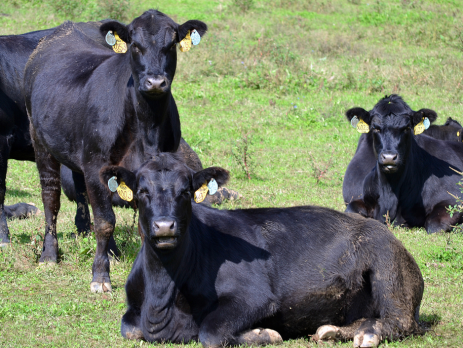
cows

Land-grant university research, outreach support beef production

The United States is the world’s top producer of beef, contributing to about 20% of the world’s production. In 2023, the U.S. beef industry had an estimated value of $102 billion. Land-grant universities are supporting the beef industry through research, Extension and education, ensuring producers remain economically viable and are able to safely meet changing market demands. Here are a [...]

Read more...
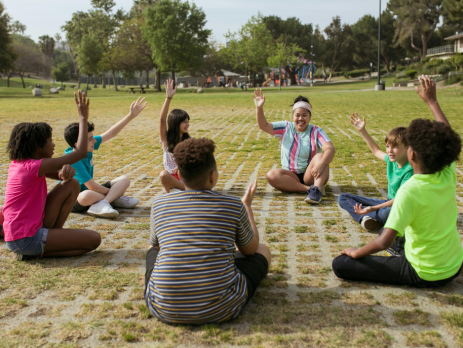
a group of campers sit in a circle with their hands raised

Expanding access to high-quality summer learning with Missouri 4-H

Experiential learning helps youth develop essential life skills, yet educational gaps widened during the COVID-19 pandemic. Research confirms that quality out-of-school programs improve personal development, academic attitudes and long-term success. To address these challenges, Missouri 4-H expanded programming in 2024, increasing accessibility and forging new partnerships to reach youth. With grant support, Missouri 4-H introduced career exploration programs, simulations and day [...]

Read more...
a group of seniors playing a game together in the park

Engaged Neighbors Programs reduce social neighborhood isolation in Missouri 

With increasing social isolation impacting American life, the University of Missouri Extension launched the Engaged Neighbor Programs in 2019, recognizing neighborhoods as key to rebuilding social connections. This effort led to the establishment of Missouri Good Neighbor Week in 2022, a statewide initiative promoting civic engagement and stronger communities.  In 2024, the weeklong celebration inspired over 31,000 acts of neighboring, [...]

Read more...
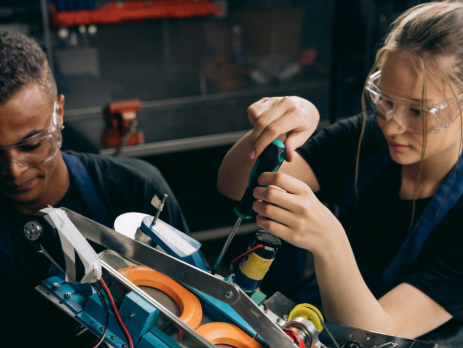
two teens wearing goggles and using tools in a workshop setting

Missouri Manufacturing Academy builds awareness of career opportunities

In Missouri, manufacturers produce everything from state-of-the-art fighter jets to the powder that is found on Frosted Flakes cereal. The manufacturing sector employs more than 300,000 people in the state with an average annual salary of more than $67,000.  Missouri manufacturing facilities, however, have reported challenges in hiring and retaining employees. To help fill this workforce gap — and educate [...]

Read more...
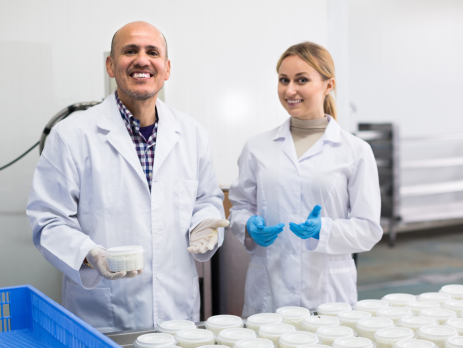
two scientists smile next to samples of dairy byproducts

Upcycling a problematic food waste offers a safe food additive and new market for farmers

Acid whey, a byproduct of Greek yogurt, is a major contributor to food waste and can have a negative environmental impact if not properly managed. In recent years, the production of Greek yogurt and acid-coagulated cheeses has grown, but the acid whey waste that results is not easily disposable, causing challenges for water treatment and lowering oxygen levels in [...]

Read more...