Tag - Alabama

State/Territory

chickens around a feeder

Mitigating costly poultry diseases

Avian diseases pose a major challenge to the nation’s $77 billion poultry industry and drastically increase the cost of poultry products for consumers. Avian diseases can also pose a health threat to other animals and humans. At the same time, there is a demand to produce poultry without antibiotics or other drugs commonly used to fight diseases. Working together, [...]

Read more...
crops growing out of dry, cracked soil

Understanding and identifying solutions for weather impacts on agriculture

Drought, severe weather and wildfires can have significant economic impacts on agriculture. Research and educational programming by land-grant universities helps us understand these effects and strengthen resilience. Here are a few examples of that work: Red clover, a commonly used forage crop in the northeastern U.S., increases its phytoestrogen levels under drought conditions, potentially affecting livestock reproductive health. The economic impact [...]

Read more...
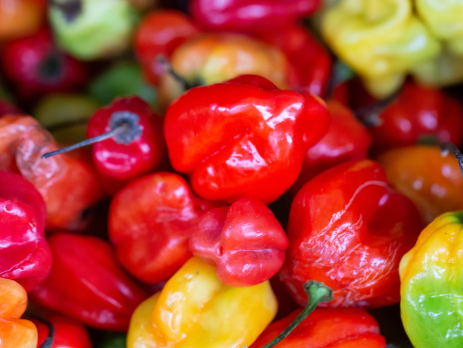
peppers

Land-grant universities foster community, student resilience

The 1890 land-grant universities are committed to strengthening communities, farmers and students through meaningful outreach initiatives. Their engagement ensures that resources are tailored to meet local needs such as food security and economic development. Through these efforts, the universities are fostering more resilient communities for generations to come. Here are a few examples of that work: A food bank needs assessment [...]

Read more...
students work on a plant-based science experiment

Recruiting the next generation of students to STEM careers

As the population grows, the demand for innovative, science-driven solutions in food production and resource management increases. Agricultural STEM careers will play a vital role in boosting global food security and economic development while sustaining natural resources. The 1890 land-grant universities are key in bridging the gap between high school students and these STEM careers. Here are a few examples [...]

Read more...
researcher Pam Roberts standing in experimental tomato crops

Multistate project studies solutions to bacterial spot in tomatoes, peppers

Tomatoes are big business for Florida farmers, contributing $500 million annually. Bell and chili peppers are also popular crops among consumers with production value of more than $536 million. However, bacterial spot is a threat to yields and harvest revenue.  University of Florida researchers are working to solve this major issue along with scientists at the University of Georgia, North [...]

Read more...
a group of scientists smile around the AI-powered robot in an experimental field

Robots make plant inventory easy as 1, 2, 3

Ornamental plant growers manually count tens of thousands of plants each season to get an accurate inventory before they commit to fulfilling major orders. An Alabama ornamental nursery might have as many as 80,000 plants per acre, with larger nurseries covering more than 1,000 acres. Some growers estimate they spend more than $6.5 million in labor each year simply [...]

Read more...
two scientists take a sample

Land-grant universities drive sustainability through innovative agricultural practices

The 1890 land-grant universities are dedicated to improving the well-being of economically challenged communities. By focusing on sustainable practices, these institutions help address key challenges like food security, environmental stewardship and economic resilience. Through research, Extension and education, they equip farmers and communities with innovative techniques that preserve resources for future generations. Here are a few examples of that work: Researchers [...]

Read more...
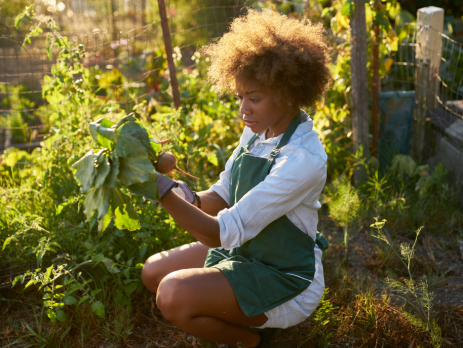
young woman examines a plant in her garden

Historically Black land-grant universities reach diverse communities

In 1890, the Land-grant University System was expanded to include institutions for Black citizens. Today, these institutions continue to provide access to higher education for underserved communities, and their research and Extension programs impact people worldwide through advancements in agricultural productivity and sustainability, food security, human health, and community and youth development. Here are a few examples of that work: First-time [...]

Read more...
photo of a jar being removed from canning water by a pair of tongs

Holistic programs address community health

Obesity is on the rise in the United States, and this increases the risk of diabetes, hypertension and poor overall quality of life. Moreover, health disparities among low-income populations are well documented because food insecurity issues mean they lack nutritionally adequate and safe food. The Land-grant University System uses holistic programs to address community health. Here are a few examples [...]

Read more...
crops growing in a field

Creating new, sustainable products from agricultural waste and biomass

Petroleum and other nonrenewable materials are commonly used for plastics, industrial chemicals, pharmaceuticals, cosmetics and other products we use on a daily basis. But many of these products can be made from biomass, including food and agricultural wastes. Bioproducts offer a way to improve energy security, food security and national security while also cutting back on fossil fuel-related pollution [...]

Read more...
closeup photo of pills falling out of a prescription bottle

Protecting the environment from pharmaceuticals

Up to 29% of pharmaceuticals — both prescription and over-the-counter medications — and personal care products enter the environment each year untreated through human waste and improper disposal. Many water treatment plants are incapable of removing all the harmful chemicals from water systems. Although this is a fairly new area of study, these products are known to have adverse [...]

Read more...
a rainbow shines through sprinkler mist on a field

Protecting our water

Water continues to be one of the most critical challenges facing agriculture and communities. Land-grant universities are working to discover new ways to increase water efficiency, reduce water use and protect water quality. Here are a few examples of that work: Researchers in Ohio are working to improve soil health and water quality through best agricultural management practices to prevent non-point-source [...]

Read more...
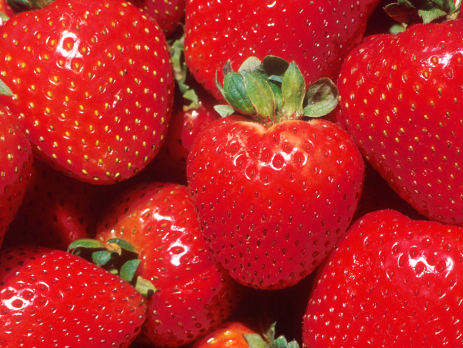
closeup photograph of pile of strawberries

Breeding crops tailored for the future

Food crops are constantly under attack by plant diseases and pests that result in losses in crop quantity and quality. Declines in crop health can lead to food waste and threaten global food security. Land-grant universities are breeding plants that are resistant to pests and disease for greater resilience and sustainability. Here are a few examples of that work: Researchers in [...]

Read more...