
Research and Extension ensure everyone has ample access to affordable, safe, nutritious food
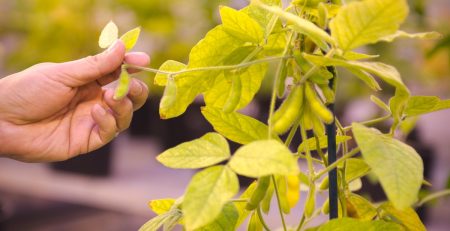
Invasive pests damage crops, costing U.S. agriculture an estimated $30 billion every year. Pest management research and Extension stabilize the food supply chain.
- Researchers and Extension specialists in Oregon, developed cost-effective alternatives to glyphosate for herbicide-resistant Russian thistle control, protecting more than 30,000 acres of wheat and preventing over $1 million in yield losses so far.
Oregon State University Extension Service. Supported by USDA competitive funds.
- New insecticides provide more effective control for spotted lanternfly in Pennsylvania grapes and orchards.
Pennsylvania Agricultural Experiment Station. Supported by Hatch capacity funds.
- Extension professionals in Arizona developed safer ways to manage insect pests in lettuce in Arizona.
University of Arizona Cooperative Extension. Supported by USDA competitive funds.
- In Idaho, scientists created a new tool to help farmers choose the most cost-effective way to control nematodes in potatoes.
Idaho Agricultural Experiment Station. Supported by USDA competitive funds.
- Cost-effective traps help control flies that invest valuable fruit crops in New York.
Cornell Cooperative Extension. Supported by Smith-Lever (3b&c) capacity funds.
- Colorado researchers developed resistant varieties and planting and weeding practices to control devastating pests of chile peppers and quinoa.
Colorado Agricultural Experiment Station. Supported by USDA competitive funds; AFRI; Hatch capacity funds.
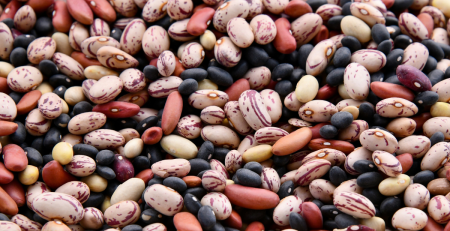
Research and Extension are vital to breeding higher-yielding, higher-quality food crop varieties.
- A consortium in North Carolina is responsible for some of the most successful cultivated varieties of peanuts, berries, tomatoes, wheat and other food crops, generating billions in economic impact.
North Carolina Agricultural Research Service. Supported by private grants and contracts; Hatch capacity funds.
- Georgia scientists have developed more than 26 improved wheat varieties with high yield, resistance to major pests and desirable end use qualities. These varieties have been widely grown in Georgia and the southeastern U.S., generating millions of dollars in income for wheat growers and the milling and baking industry.
University of Georgia Agricultural Experiment Station. Supported by Hatch capacity funds.
Proactive efforts are key to keeping the New World screwworm threat manageable and protecting the livestock industry, food supply and economy.
- In New Mexico, survey findings will be used to tailor communication strategies so stakeholders are more likely to adopt preventative strategies.
New Mexico Agricultural Experiment Station. Supported by state appropriations.
- In Oklahoma, Extension professionals delivered targeted education, developed diagnostic resources, and coordinated statewide response efforts.
Oklahoma Cooperative Extension Service. Supported by Smith-Lever (3b&c) capacity funds; state appropriations.
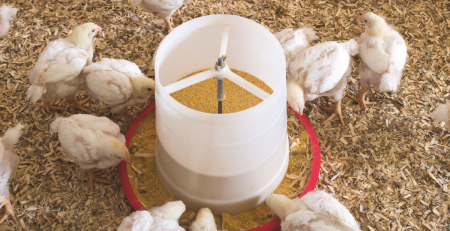
Poultry diseases cause serious economic losses and affect producers’ ability to meet growing demand. In particular, avian influenza resulted in the loss of over 150 million chickens from 2022 to 2025 in the U.S. Research and Extension help manage the poultry diseases across the country.
- A multistate project involving 11 land-grant universities has made significant advances in poultry genetics, including insights for breeding poultry resistant to heat stress, Newcastle disease virus and pathogens that cause foodborne illness. Project members also developed the vaccine for Marek’s disease now used by all poultry companies and litter amendments to reduce the persistence of avian influenza. Even a conservative estimate of 1%improvement in poultry production attributed to this project represents $1.5 billion in added value.
University of Arkansas; Auburn University; University of California, Davis; University of Delaware; University of Georgia; University of Illinois; Iowa State University; University of Maryland; North Carolina State University; Ohio State University; West Virginia University. Supported by Hatch Multistate capacity funds.
- Timely alerts and resources from Extension professionals in Indiana helped commercial and small poultry flock producers track the spread of avian influenza and the best ways to manage it.
Purdue Extension. Supported by Smith-Lever (3b&c) capacity funds.
- Scientists in Mississippi developed a new test for the bacteria responsible for necrotic enteritis, a disease that causes $6 billion in losses in the poultry industry. Unlike previous tests, this can be administered onsite with minimal training and is fast and cost-effective. Keeping chickens healthy is key to meeting growing consumer demand.
Mississippi Agricultural & Forestry Experiment Station. Supported by state appropriations; Hatch capacity funds.
Food safety and quality are critical aspects of food security.
- After participating in the beef quality assurance certification programs offered by Extension, cattlemen in Iowa are producing a safer, higher quality protein for human consumption while adding an estimated $4.1 million in value to their operations.
Iowa State University Extension and Outreach. Supported by Smith-Lever (3b&c) capacity funds; state appropriations.
- “Woody breast” impairs the texture and usability of chicken breast meat, costing the poultry industry an estimated $1 billion or more each year. Researchers in Arkansas combined hyperspectral imaging with artificial intelligence to develop a faster, more precise, less labor-intensive way to detect defective “woody breast” chicken meat.
Arkansas Agricultural Experiment Station. Supported by AFRI; state appropriations.
- Since 2022, a program in Oklahoma has equipped over 500 cottage food producers with training
- to comply with state regulations, ensuring safe, sustainable home-based food businesses and resulting in over $5 million in direct income and $16.7 million in statewide economic impact.
Oklahoma Cooperative Extension Service. Supported by state appropriations; USDA competitive funds.
- Researchers in Virginia developed technology that detects critical food safety and quality parameters in seconds rather than days, helping seafood regulators and inspectors avoid processing delays and spoilage risk. This reduces losses for producers, protects food security and makes the state’s seafood more competitive in national markets.
Virginia Agricultural Experiment Station. Supported by Hatch capacity funds.
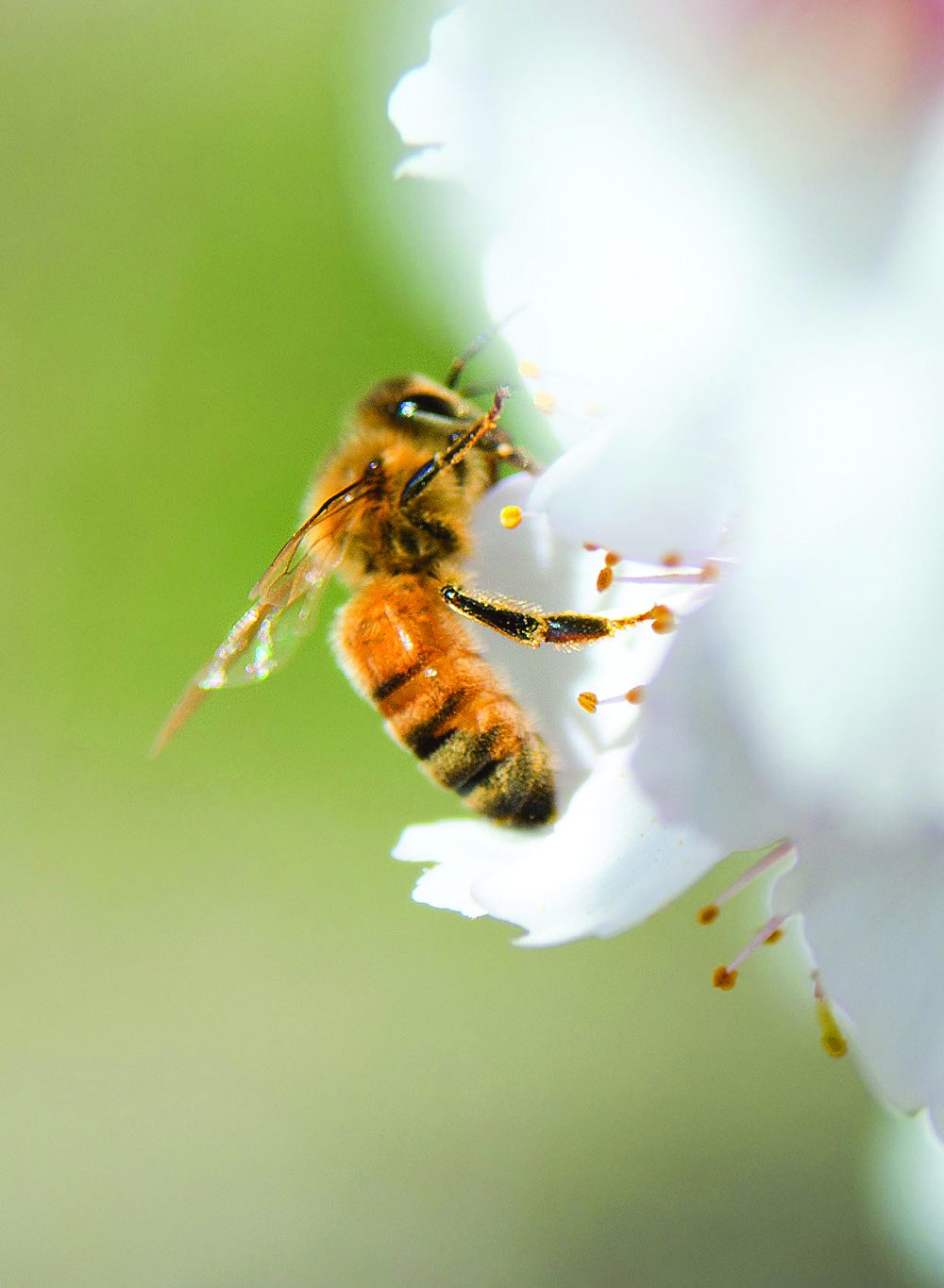
Pollination is essential to food security. A multistate team developed new breeding techniques, mite control tools and other strategies to protect the roughly 2 million honey bee colonies that pollinate nearly 100 crops across the US. In Ohio and other states, research helps conserve native bees that provide essential pollination to a variety of crops. Programs in Nebraska, Puerto Rico and other states are recruiting and training beekeepers, pollination services and honey production.
Auburn University; University of Arkansas; University of California, Davis; University of California, Riverside; Central State University; Cornell University; University of Florida; University of Georgia; Iowa State University; Kansas State University; Purdue University; University of Massachusetts Amherst; Michigan State University; University of Minnesota; Mississippi State University; Montana State University; University of Nebraska; North Carolina State University; The Ohio State University; Oregon State University; Pennsylvania State University; Rutgers University; Texas A&M University; Washington State University. Supported by Hatch Multistate capacity funds. University of Puerto Rico Agricultural Extension Service. Supported by Smith-Lever (3b&c) capacity funds. Ohio Agricultural Research and Development Center. Supported by AFRI; other USDA competitive funds.
Operating across the nation, Extension provides essential programs that expand communities’ access to safe, healthy food.
- An input efficient, low-cost indoor vertical farming facility is improving access to fresh produce in southern Nevada. Partnerships with local farms, schools and food banks are strengthening local food systems.
Nevada Agricultural Experiment Station. Supported by integrated funds.
- Extension professionals in Connecticut help urban farmers gain secure access to suitable land. This work provides a model for other densely populated regions seeking to integrate agriculture and improve food security.
University of Connecticut Extension. Supported by Smith-Lever (3b&c) capacity funds.
- Extension Master Gardener programs across the nation are increasing production of fresh, local produce. In Indiana, Master Gardeners logged over 174,000 hours valued at over $5.2 million and donated 37,795 pounds of produce from demonstration gardens to local food banks.
Purdue Extension. Supported by Smith-Lever (3b&c) capacity funds.
- A statewide program in West Virginia reached hundreds of thousands of community members, increased gardening knowledge, established new edible landscapes and seed libraries, and resulted in over 5,000 pounds of food harvested, strengthening household and community food resilience.
West Virginia University Extension Service. Supported by Smith-Lever (3b&c) capacity funds.
- In Rhode Island, Extension programs trained volunteers to recover surplus food from farms, schools, food businesses and households, and redirect to those in need. The program donated over 231,000 pounds of food, diverted nearly 87,000 pounds from landfills.
Rhode Island Cooperative Extension. Supported by Smith-Lever (3b&c) capacity funds.
- In Michigan, trainings helped food pantries distinguish food quality from safety, reducing food waste and increasing safe food distribution.
Michigan State University Extension. Supported by Smith-Lever (3b&c) capacity funds.