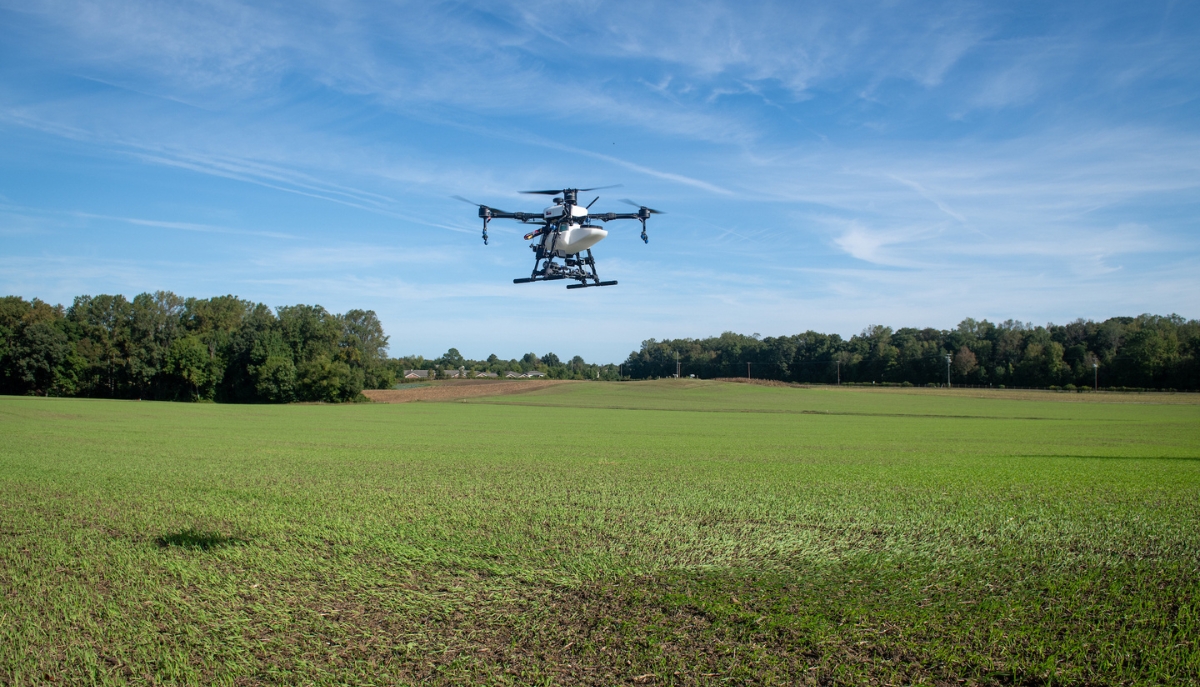
Research and Extension make agricultural systems more efficient, profitable, competitive and resilient
Strategies and tools for managing crop pests and diseases have increased productivity and profitability. For example:
- Extension units across the nation offer plant and pest diagnostic clinics. In New Mexico, free diagnoses saved producers an estimated $36,000 in testing fees in 2025, while also supporting biosecurity and export compliance. In Indiana, lab results and recommendations saved clients $890,000 in reduced crop loss and pesticide use. In Maine, diagnoses saved the potato industry over $6 million in 2024.
New Mexico State University Cooperative Extension Service; Purdue Extension; University of Maine Cooperative Extension. Supported by Smith-Lever (3b&c) capacity funds; USDA Capacity – Extension; state appropriations.
- Extension professionals in North Dakota lead a national coalition to raise awareness of soybean cyst nematode and adoption of management practices, resulting in average yield gains worth nearly $58 per acre nationwide.
NDSU Extension Service.
- A corn rootworm monitoring network creates an estimated $160 million benefit for Iowa‘s farmers.
Iowa State University. Supported by Hatch Multistate capacity funds.
- Integrated pest management practices prevented yield losses of 10% to 40% while also reducing insecticide applications across major crops in Louisiana for estimated annual savings up to $10 million in rice, $11 million in sugarcane, $20 million in soybean, $9 million in corn and $3 million in cotton.
LSU Ag Center. Supported by Smith-Lever (3b&c) capacity funds; state appropriations.
Research and Extension help growers select the best varieties for their conditions and needs.
- Crop varieties developed by plant breeders in North Carolina boost farmers’ profitability, enable new value chains and foster agricultural resilience, generating billions in economic impact.
North Carolina Agricultural Research Service. Supported by private grants and contracts; Hatch capacity funds.
- In North Dakota, guidance on wheat varieties, pest and weed management, fertilizers and marketing will yield an estimated $1 million economic impact.
NDSU Extension Service. Supported by state appropriations; Smith-Lever (3b&c) capacity funds.
- Texas trials show growers the top-performing hybrids of cotton and grain sorghum. Using top performing hybrids on just 10% of the state’s planted acres would result in $18.5 million in additional revenue for corn producers and $15.6 million for sorghum growers.
Texas A&M AgriLife Extension. Supported by private grants and contracts.
- To improve soil health and protect farm productivity and profitability, a multistate team identified the best cover crop options for southern farmers and ranchers. A new cover crop selector tool and a cover crop seeding rate calculator further facilitate successful cover crop adoption.
Auburn University; Arkansas Cooperative Extension; Clemson University; University of Florida; University of Georgia; University of Kentucky; Lincoln University; Louisiana State University; Mississippi State University; University of Missouri; University of Puerto Rico; University of Tennessee; Texas A&M AgriLife Research; Virginia Tech; Virginia State University. Supported by Hatch Multistate capacity funds.
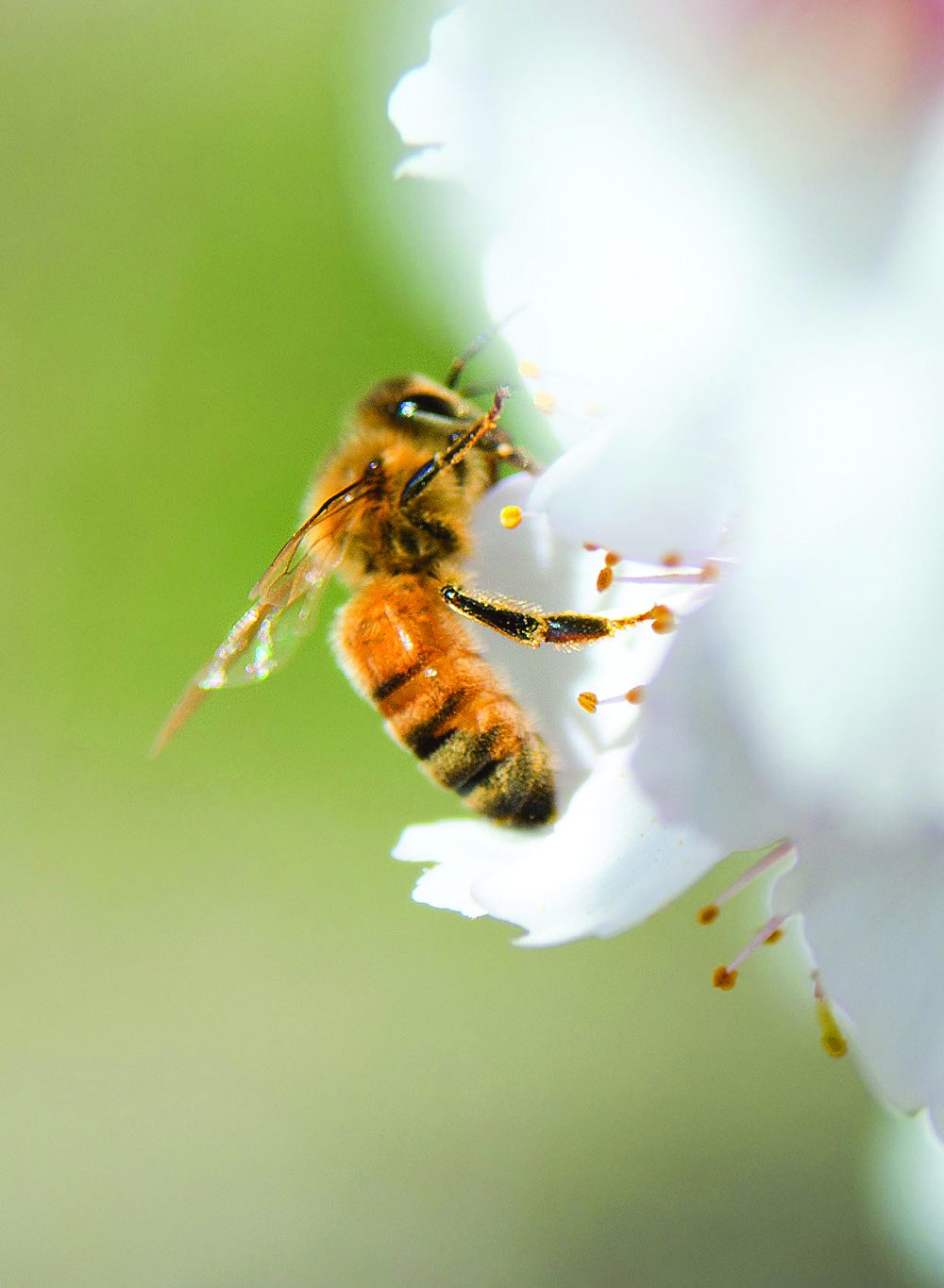
Pollination is essential to productive agriculture. A multistate team developed new bee monitoring tools, pest management strategies, breeding techniques and forage improvements to support roughly 2 million managed honey bee colonies and other bees. In Oregon, beekeepers save about $5 million each year through reduced colony losses and lower costs for medications and hive maintenance.
Multiple institutions. Supported by Hatch Multistate capacity funds. Oregon State University Extension Services. Supported by state appropriations; USDA Capacity – Research.
Research has led to automated, smart technology for precision agriculture.
- As part of a multistate team developing automated systems for specialty crops, Tennessee scientists showed drones could help pollinate crops. Washington scientists developed an operator-assisted apple harvest system that reduces labor needs and prevents ladder-related injuries. A Florida system uses machine vision and deep learning to detect strawberry bruises and size in packinghouses. Arizona researchers designed an energy-efficient mechanized system that improves weed control by over 85% while reducing hand weeding labor by about 30%. After adopting automated thinning and weeding systems, growers and companies estimated saving 114,000 hours of labor and $1.4 million per year.
University of Arizona; University of Florida; University of Tennessee; Washington State University; and other institutions. Supported by Hatch Multistate capacity funds.
- Mississippi scientists developed a robotic system that removes plastic debris from cotton fields and could significantly reduce related losses, which can be up to $750 million per year. Cleaner cotton also supports mill efficiency and strengthens international market competitiveness.
Mississippi Agricultural and Forestry Experiment Station. Supported by USDA competitive funds; non-profit grants and contracts.
- New Mexico studies showed combining soil moisture sensors with remote sensing can help growers reduce irrigation inputs and pumping energy by 25%.
New Mexico Agricultural Experiment Station. Supported by USDA competitive funds.
Research and Extension are making animal agriculture more efficient and profitable while also improving animal health and welfare. These improvements contribute to economic vitality and ensure consumers have access to high-quality meat, eggs and milk.
- As part of a multistate team, researchers used advanced technology to enhance poultry production. An automated, artificial intelligence system enables less labor-intensive flock monitoring. Other studies developed UV air filters, cooling perches and other innovative housing features to prevent disease transmission and mitigate heat stress.
University of Arkansas; University of California, Davis; University of Illinois; Iowa State University; University of Georgia; University of Maryland; Michigan State University; University of Minnesota; and other institutions. Supported by Hatch Multistate capacity funds.
- Minnesota Extension programs have significantly decreased the likelihood of an avian influenza outbreak. Researchers in Georgia developed a machine vision system to track and manage wild birds, which can transmit the disease to farms.
University of Minnesota Extension. Supported by Smith-Lever (3b&c) capacity funds. University of Georgia Agricultural Experiment Station. Supported by private grants and contracts.
- Alabama studies improved piglet health and growth during weaning, reducing antibiotic use.
Auburn University Research. Supported by Hatch capacity funds.
- A study by Illinois scientists found that an average of 1.4 billion pounds of milk yield is lost to heat stress, amounting to $245 million in lost revenue each year, with small dairy farms the most vulnerable. The study underscores the need for policy and infrastructure changes to support a thriving dairy industry under more extreme heat.
Illinois Agricultural Experiment Station. Supported by non-profit grants and contracts.
- Researchers in New Hampshire developed a non-invasive, antibiotic-free therapy to manage mastitis, a leading health issue in dairy herds, responsible for an estimated $2 billion in annual losses for U.S. farmers.
New Hampshire Agricultural Experiment Station. Supported by private grants and contracts.
- Extension coordination, education, diagnostics and alerts in Oklahoma are preparing livestock producers for a potential New World screwworm resurgence. These actions strengthen early detection and rapid response capacity. Researchers in Texas found new ways to sterilize screwworm flies, including electron beam and X-ray technology and genetic approaches.
Oklahoma Cooperative Extension Service; Texas A&M AgriLife Research. Supported by Smith-Lever (3b&c) capacity funds; state appropriations; Hatch Multistate capacity funds.
- As part of a multistate team, researchers developed an automated surveillance system that incorporates computer vision and artificial intelligence to detect flies and ticks on animals, helping producers tailor treatments to specific animals.
Kansas State University; Oklahoma State University; University of Tennessee; and other institutions. Supported by Hatch Multistate capacity funds.
- Indiana beef producers who participated in Extension-led bull evaluations saved $690,000 by identifying sub-fertile bulls and improving herd reproductive efficiency.
Purdue Extension. Supported by Smith-Lever (3b&c) capacity funds.
- To improve sheep and goat production, research and Extension in North Carolina, Vermont, Oklahoma and Arkansas, developed computer vision systems to detect illness, parasite management, plant-based supplements that strengthen immunity and non-chemical alternatives to treat lice.
North Carolina A&T Cooperative Extension Program; University of Vermont Extension; Langston University Agricultural Research Station; Illinois Agricultural Experiment Station; University of Arkansas at Pine Bluff Agricultural Research Station. Supported by Smith-Lever (3b&c) capacity funds; Evans-Allen capacity funds; 1890 Extension capacity funds; USDA Capacity – Research, USDA competitive funds; state appropriations; fee-based funding.
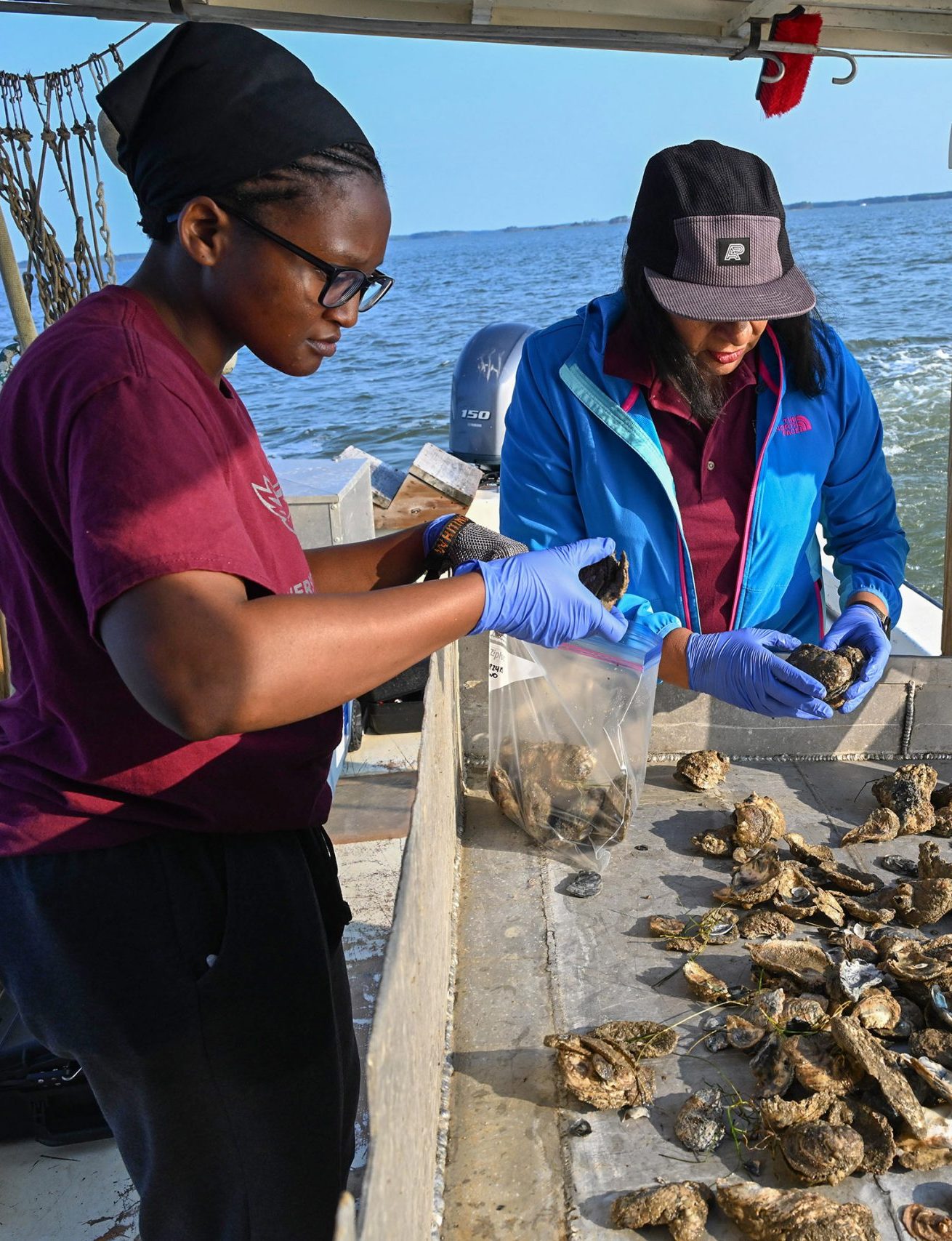
Research is supporting sustainable aquaculture. In Mississippi, scientists helped develop an effective new vaccine for enteric septicemia in catfish, which costs farmers up to $45 million annually. Research in Alabama led to improved disease diagnostics and management, winter feeding strategies and probiotic feed, enhancing productivity and profitability for farmers of shrimp, catfish, crawfish and other aquatic species.
Mississippi Agricultural & Forestry Experiment Station. Supported by AFRI; Hatch capacity funds. Auburn University Research. Supported by Hatch capacity funds.
Research and Extension are ensuring productive, profitable agroforestry system products.
- Scientists in Oregon are developing stronger, cheaper wood composites as well as nanocomposites used in textiles, coatings and sensors. Extension specialists refined forest pest management, identified sustainable practices and ensured Christmas tree seedling survival for the $117.6 million fir industry. These efforts support jobs and keep the state’s forest products industry competitive.
Oregon State University Extension Service. Supported by state appropriations; non-profit grants and contracts.
Research and Extension help farmers stay in business through training, new markets and disaster recovery.
- Research in Alabama and Extension in Iowa shed light on how to make fair, profitable farmland lease decisions. The estimated impact of the program on the Iowa’s agricultural economy is nearly $1 million dollars.
Iowa State University Extension and Outreach. Supported by Smith-Lever (3b&c) capacity funds; state appropriations. Auburn University Research. Supported by Hatch capacity funds.
- Programs in Oklahoma, Maine, Connecticut and other states help new farmers plan their businesses, increasing the likelihood of long-term success.
University of Maine Cooperative Extension; Oklahoma Cooperative Extension Service; University of Connecticut Extension. Supported by Smith-Lever (3b&c) capacity funds; state appropriations; USDA competitive funds.
- Researchers in Virginia created a global market model and work closely with the federal government to advise trade negotiations, market access strategies and policy decisions.
Virginia Agricultural Experiment Station. Supported by Hatch Multistate capacity funds.
- Researchers in Montana found that wool pellets could be used to improve soil health and improve crop yield. This new use for unmarketable wool could provide $2.5 million in income for sheep producers in Montana.
Montana Agricultural Experiment Station.
- Arkansas research showed that beer production could be a new market for rice, potentially helping offset declining exports of rice grown in Arkansas and other states.
Arkansas Agricultural Experiment Station. Supported by USDA competitive funds; state appropriations.
- To diversify income through access to niche markets, research and Extension helped farmers adopt new crops, including improved oat varieties to boost profits in South Dakota, drought-tolerant, gluten-free teff in Nevada, and small grains in Alaska.
South Dakota Agricultural Experiment Station; Nevada Agricultural Experiment Station; University of Alaska Fairbanks Cooperative Extension Service. Supported by Hatch capacity funds; Hatch Multistate capacity funds; USDA Capacity – Research.
- Extension in multiple states helped farmers, ranchers and foresters recover after hurricanes, wildfires and other disasters. Assistance included immediate forage provision, disaster assessment, financial aid and mental health support. In Georgia, direct financial support totaled $43.4 million covering nearly 72,000 acres of cropland, timber and pastures.
University of Georgia Cooperative Extension. Supported by county funding.
Featured photo courtesy of Edwin Remsburg, University of Maryland.