Tag - University of Wisconsin

Institution

photo of two older adults using resistance bands for exercise

Supporting healthy aging through activity, social connectedness, positive outlook

The older adult population is growing more rapidly than other age groups in the United States. At the same time, aging stigma and lack of information on aging can affect health outcomes. Land-grant universities across the country have unique programming to aid healthy aging by promoting activity, social connectedness, positive outlook and more. Here are a few examples of that [...]
Read more...
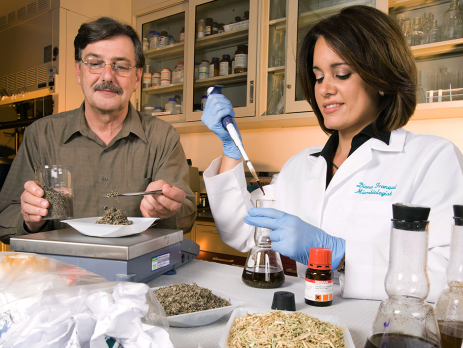
two scientists analyze samples in a food lab

Understanding how natural chemicals in food affect health

The foods and drinks we consume contain natural chemicals like vitamins, minerals, flavonoids, toxicants and hormones that can positively or negatively impact human health. Since 1971, a multistate project has brought together researchers at 22 land-grant universities to research the effects of these dietary bioactive chemicals. Studies shed light on mechanisms involved in bioactivity and determined how agricultural practices [...]

Read more...
a group of smiling participants in athletic clothing flex their arms

Strength training program builds health and resilience

Chronic disease and health disparities are increasing. Physical activity, particularly through strength training, is one way to counteract these negative outcomes. Strength training contributes to enhanced bone density, joint flexibility, metabolic function and improvements in daily living activities, in addition to building muscle strength. Less than 15% of residents age 65 and older get the recommended amounts of aerobic [...]

Read more...
a closeup of hands examining wheat

Strong farms strengthen local food systems

New farmers just starting out and established farmers looking to expand markets have something in common: looking to the Land-grant University System to support their growth. Strong local farms strengthen local food systems and food security. Here are a few examples of this work: When participant surveys indicated a need for more in-depth and hands-on farmer education, Idaho Extension educators responded [...]

Read more...
a group of cows stands in a grassy area near some trees

Research, education improve livestock health

Livestock producers are continually searching for the best management strategies to protect animal health, which is essential to productivity and profitability as well as the animal’s well-being. Maintaining healthy animals also protects human health. Here are a few examples of how land-grant universities are contributing: When the highly pathogenic avian influenza (HPAI) threatened domestic poultry in Oregon, Extension responded rapidly with [...]

Read more...
crops growing in a field

Creating new, sustainable products from agricultural waste and biomass

Petroleum and other nonrenewable materials are commonly used for plastics, industrial chemicals, pharmaceuticals, cosmetics and other products we use on a daily basis. But many of these products can be made from biomass, including food and agricultural wastes. Bioproducts offer a way to improve energy security, food security and national security while also cutting back on fossil fuel-related pollution [...]

Read more...
A tractor sprays pesticides in an orchard

Safer, more sustainable pest management

Managing pests is essential to healthy, safe and productive agricultural, urban, residential and natural areas. But pesticides can cause air and water pollution and unintended harm to nontarget organisms. Pesticide exposure has also been linked to human health problems. In addition, many pests eventually develop resistance to commonly used chemicals, rendering those chemicals ineffective. Researchers and Extension educators across [...]

Read more...
lake in Wisconsin

Wisconsin farmers learn strategies to implement practices that protect local waterways

Agriculture is the dominant land use in Wisconsin. Current farming practices have a significant impact on soil and nutrient loss to surface and groundwater. The majority of water bodies included on Wisconsin’s Impaired Waters List are a result of excess phosphorus, creating eutrophic conditions – and many are located in predominately agricultural watersheds. Groundwater pollution from agriculture also presents [...]

Read more...
two people look at a financial document

Wisconsin farmer focus group program aims to improve profitability

Following record-high farm income in 2022, Wisconsin farmers in 2023 saw rising interest expenses, increasing debt and reduced working capital due to lower-than-expected commodity prices. To make sound, strategic financial decisions, the University of Wisconsin Extension partnered with 12 agricultural associations and community organizations, including the Wisconsin Farm Bureau, to implement focus group discussions with more than 120 participants. The [...]

Read more...
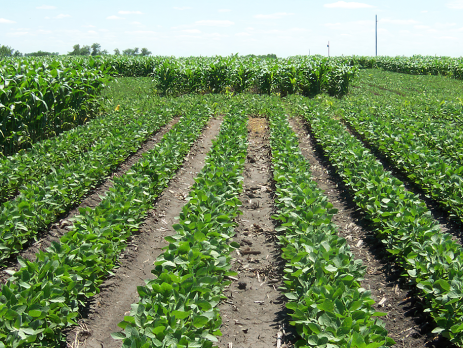
field with rows of crops

Healthy soils sustain food security

Researchers at the nation’s land-grant universities are studying the health of soils to increase agricultural production and decrease the use of agrochemicals used to grow food. Their work will contribute to our ability to meet the world’s growing demand for food. Here are a few examples of that work: Agricultural researchers in Pennsylvania are studying how soil salinity and soil nitrogen [...]

Read more...
pigs

Extension improves biosecurity practices for livestock producers

Biosecurity affects the economic sustainability and viability of livestock producers as disease outbreaks can be exceedingly expensive for producers. Disease outbreaks can cause catastrophic livestock losses including the depopulation of whole herds or loss of newborn animals. For example, the 2013 porcine epidemic diarrhea virus spread across 13 states in less than two months and resulted in the death [...]

Read more...
a hand holding a hemp plant

Crowdsourced data impact industrial hemp operations

In 2018, domestic hemp production became legal in the United States for the first time in nearly 70 years. Industrial hemp can be grown to produce fiber, grain and cannabinoids. Some cannabinoids (CBD and CBG, for example) determine profitability potential, while one cannabinoid (THC) determines compliance. Growers must grow hemp crops which test below 0.3% THC to be compliant [...]

Read more...