Extension improves biosecurity practices for livestock producers
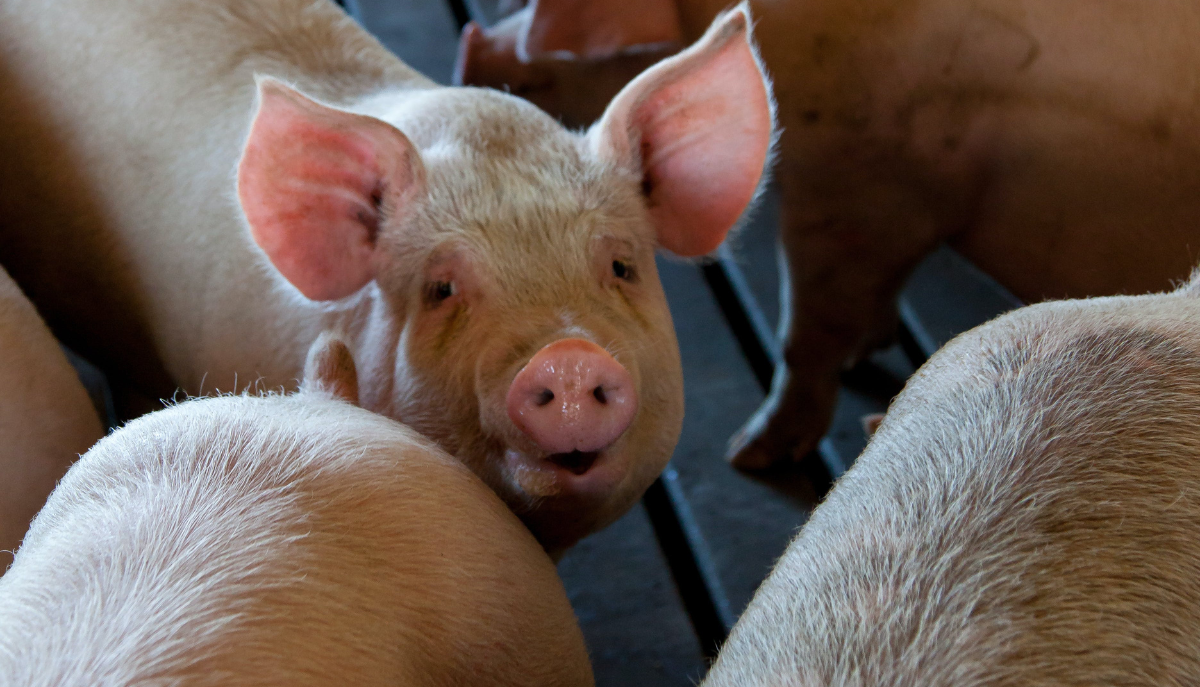
Biosecurity affects the economic sustainability and viability of livestock producers as disease outbreaks can be exceedingly expensive for producers. Disease outbreaks can cause catastrophic livestock losses including the depopulation of whole herds or loss of newborn animals. For example, the 2013 porcine epidemic diarrhea virus spread across 13 states in less than two months and resulted in the death of over 7 million piglets in one year.
Through the University of Wisconsin Extension’s Livestock programming, livestock producers increase their understanding of vaccinations and biosecurity best practices. These efforts support Wisconsin by improving disease security and preventing disease spread on farms and at public events such as fairs.
Long term, having biosecurity plans and implementing them daily will allow livestock producers to remain economically viable as the chance of a disease outbreak will be mitigated and if a disease outbreak occurred, the outbreak would be identified quickly. This ensures the health of livestock while producing a reliable source of wholesome and nutritious consumable products for Wisconsin communities.
Project supported by state appropriations and Smith-Lever (3b&c) funds.